Jason Stanyek – författare
Visar alla böcker från författaren Jason Stanyek. Handla med fri frakt och snabb leverans.
24 produkter
24 produkter
Häftad, Engelska, 2017
599 kr
Skickas inom 5-8 vardagar
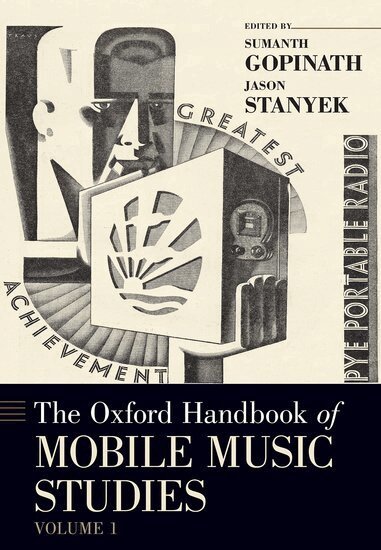
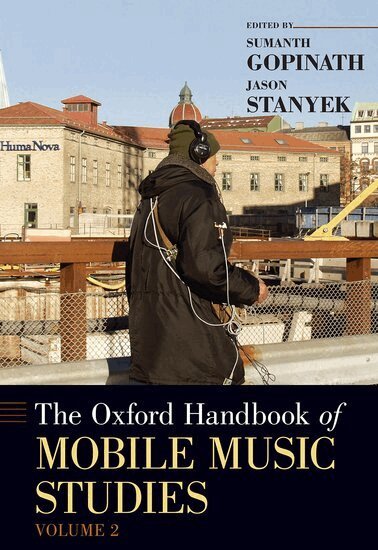
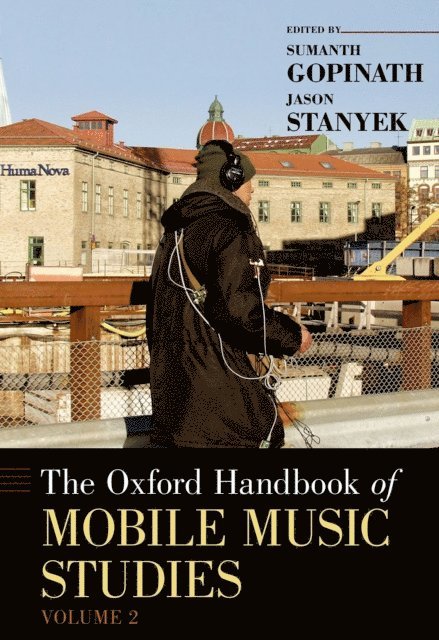
The two volumes of The Oxford Handbook of Mobile Music Studies consolidate an area of scholarly inquiry that addresses how mechanical, electrical, and digital technologies and their corresponding economies of scale have rendered music and sound increasingly mobile-portable, fungible, and ubiquitous. At once a marketing term, a common mode of everyday-life performance, and an instigator of experimental aesthetics, "mobile music" opens up a space for studying the momentous transformations in the production, distribution, consumption, and experience of music and sound that took place between the late nineteenth and the early twenty-first centuries. Taken together, the two volumes cover a large swath of the world-the US, the UK, Japan, Brazil, Germany, Turkey, Mexico, France, China, Jamaica, Iraq, the Philippines, India, Sweden-and a similarly broad array of the musical and nonmusical sounds suffusing the soundscapes of mobility.Volume 1 provides an introduction to the study of mobile music through the examination of its devices, markets, and theories. Conceptualizing a long history of mobile music extending from the late nineteenth century to the present, the volume focuses on the conjunction of human mobility and forms of sound production and reproduction. The volume's chapters investigate the MP3, copyright law and digital downloading, music and cloud computing, the iPod, the transistor radio, the automated call center, sound and text messaging, the mobile phone, the militarization of iPod usage, the cochlear implant, the portable sound recorder, listening practices of schoolchildren and teenagers, the ringtone, mobile music in the urban soundscape, the boombox, mobile music marketing in Mexico and Brazil, music piracy in India, and online radio in Japan and the US.
Häftad, Engelska, 2017
599 kr
Skickas inom 5-8 vardagar
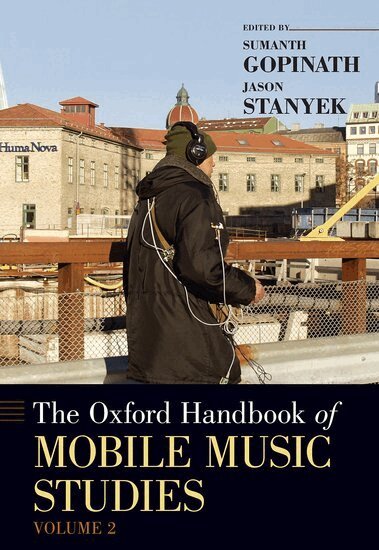
The two volumes of The Oxford Handbook of Mobile Music Studies consolidate an area of scholarly inquiry that addresses how mechanical, electrical, and digital technologies and their corresponding economies of scale have rendered music and sound increasingly mobile-portable, fungible, and ubiquitous. At once a marketing term, a common mode of everyday-life performance, and an instigator of experimental aesthetics, "mobile music" opens up a space for studying the momentous transformations in the production, distribution, consumption, and experience of music and sound that took place between the late nineteenth and the early twenty-first centuries. Taken together, the two volumes cover a large swath of the world-the US, the UK, Japan, Brazil, Germany, Turkey, Mexico, France, China, Jamaica, Iraq, the Philippines, India, Sweden-and a similarly broad array of the musical and nonmusical sounds suffusing the soundscapes of mobility.Volume 2 investigates the ramifications of mobile music technologies on musical/sonic performance and aesthetics. Two core arguments are that "mobility" is not the same thing as actual "movement" and that artistic production cannot be absolutely sundered from the performances of quotidian life. The volume's chapters investigate the mobilization of frequency range by sirens and miniature speakers; sound vehicles such as boom cars, ice cream trucks, and trains; the gestural choreographies of soundwalk pieces and mundane interactions with digital media; dance music practices in laptop and iPod DJing; the imagery of iPod commercials; production practices in Turkish political music and black popular music; the aesthetics of handheld video games and chiptune music; and the mobile device as a new musical instrument and resource for musical ensembles.
Inbunden, Engelska, 2014
2 226 kr
Skickas inom 5-8 vardagar
The Oxford Handbook of Mobile Music Studies consolidates an area of scholarly inquiry that examines how electrical technologies and their corresponding economies of scale have rendered music and sound increasingly mobile -- portable, fungible, and ubiquitous. At once a marketing term, a common mode of everyday-life performance, and an instigator of experimental aesthetics, "mobile music" opens up a space for studying the momentous transformations in the production, distribution, consumption, and experience of music and sound that took place from the late nineteenth to the early twenty-first centuries.The first volume of the handbook treats the devices, markets, and theories of mobile music, incorporating epistemologies and methodologies from a number of disciplines, including music studies, sound studies, mobility studies, communication studies, new media studies, performance studies, and more. The contributors draw on political economy and economic sociology, ethnography and autoethnography, musical and sonic transcription, analysis and hermeneutics, and historical and archival research as its primary methods. The book treats a significant number of devices, including the transistor radio, the portable gramophone, the Walkman, the iPod, the boom box, headphones and earbuds, and the cochlear implant. Its chapters cover a large swath of the world -- the US, the UK, Japan, Brazil, Germany, Turkey, Mexico, France, China, Jamaica, Iraq, the Philippines, India -- and a similarly broad array of musical styles and practices, from the recondite and subcultural to the mass-popular and global. The most comprehensive book of its kind, this handbook is a necessary reference for scholars in multiple fields.
Inbunden, Engelska, 2014
3 003 kr
Skickas inom 3-6 vardagar
The Oxford Handbook of Mobile Music Studies consolidates an area of scholarly inquiry that examines how electrical technologies and their corresponding economies of scale have rendered music and sound increasingly mobile -- portable, fungible, and ubiquitous. At once a marketing term, a common mode of everyday-life performance, and an instigator of experimental aesthetics, "mobile music" opens up a space for studying the momentous transformations in the production, distribution, consumption, and experience of music and sound that took place from the late nineteenth to the early twenty-first centuries.The second volume of the handbook examines the aesthetics of mobile music and its proliferating forms of performance, incorporating epistemologies and methodologies from a number of disciplines, including music studies, sound studies, mobility studies, communication studies, new media studies, performance studies, and more. The contributors draw on political economy and economic sociology, ethnography and autoethnography, musical and sonic transcription, analysis and hermeneutics, and historical and archival research. The chapters treat a significant number of devices, including the the flash drive, the field recorder, the mobile phone, the handheld video game, the laptop computer, the siren, and even a pair of shoes. The Handbook likewise investigates the sonification and musicalization of vehicles -- boom cars, trains, and ice cream trucks -- and the sonics and musics of walking, texting, and commuting. Its chapters cover a large swath of the world -- the US, the UK, Japan, Brazil, Germany, Turkey, Mexico, France, China, Jamaica, Iraq, the Philippines, India -- and a similarly broad array of musical styles and practices, from the recondite and subcultural to the mass-popular and global. The most comprehensive book of its kind, this handbook is a necessary reference for scholars in multiple fields.
Inbunden, Engelska, 2026
1 195 kr
Kommande
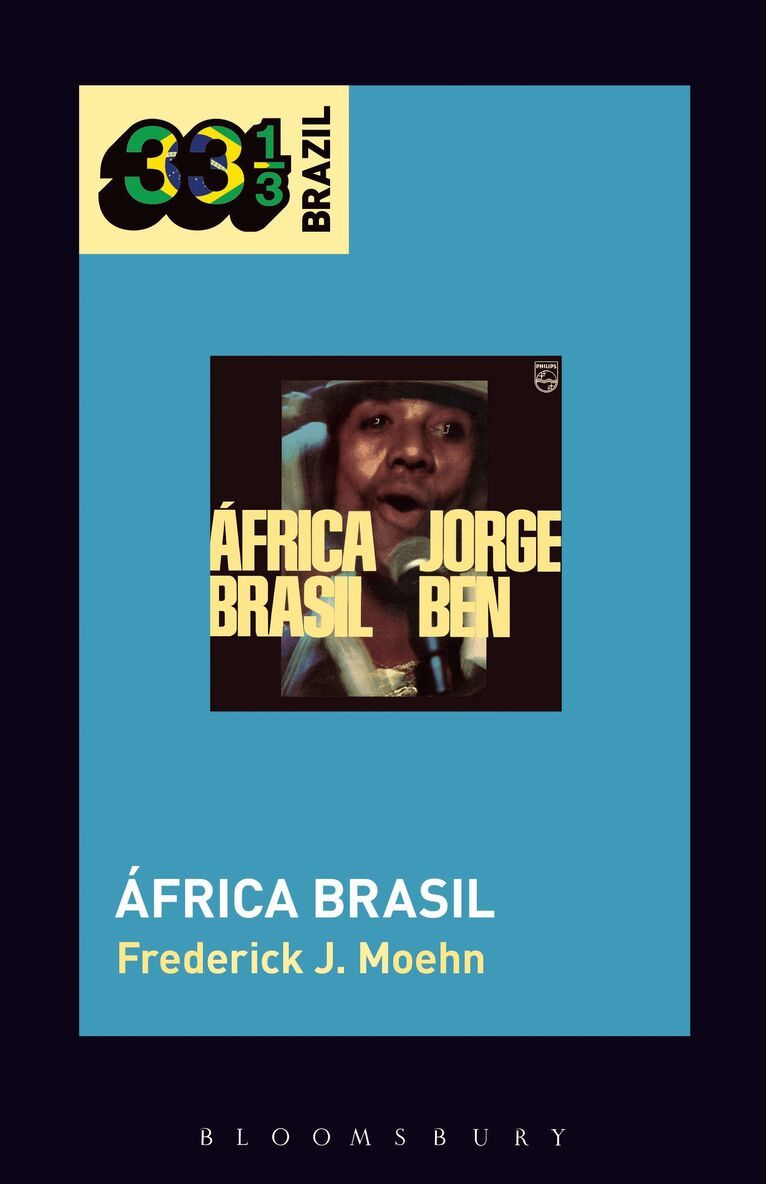
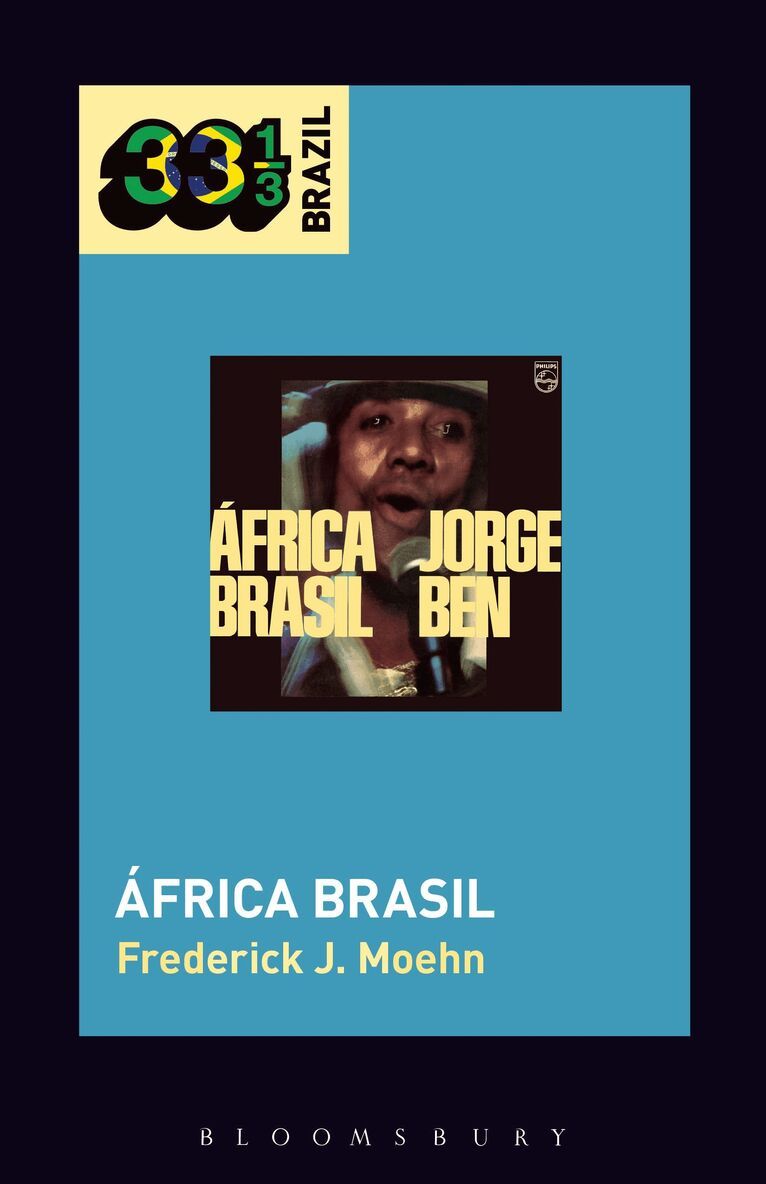
1976, Rio de Janeiro. Revered Brazilian pop musician Jorge Ben Jor, known for his 'samba-rock' fusions and hits such as 'País Tropical' and 'Mas que Nada', picks up the electric guitar and records the album África Brasil. With grooves structured around guitar and horn riffs, funk drumming, samba percussion, and hypnotic vocal refrains, this album has become a favorite of connoisseurs of 1970s Brazilian vinyl. It was part of the growing cultural negritude of the time in Brazil, especially in Rio. American musicians such as James Brown were increasingly influential there; meanwhile, disco began to reach the city’s nightclubs, and a few musicians were getting hip to Afrobeat. Through a close examination of the tracks on this seminal album, this book explores how Jorge Ben Jor and fellow musicians created a new sound, and it probes how ideas about blackness, Africa, and Brazilian identity were evolving during the mid-1970s. Written in a clear style and based on new research, it offers an engaging narrative that will appeal to fans, students, and scholars.33 1/3 Global, a series related to but independent from 33 1/3, takes the format of the original series of short, music-basedbooks and brings the focus to music throughout the world. With initial volumes focusing on Japanese and Brazilian music, the series will also include volumes on the popular music of Australia/Oceania, Europe, Africa, the Middle East, and more.
Häftad, Engelska, 2026
403 kr
Kommande
1976, Rio de Janeiro. Revered Brazilian pop musician Jorge Ben Jor, known for his 'samba-rock' fusions and hits such as 'País Tropical' and 'Mas que Nada', picks up the electric guitar and records the album África Brasil. With grooves structured around guitar and horn riffs, funk drumming, samba percussion, and hypnotic vocal refrains, this album has become a favorite of connoisseurs of 1970s Brazilian vinyl. It was part of the growing cultural negritude of the time in Brazil, especially in Rio. American musicians such as James Brown were increasingly influential there; meanwhile, disco began to reach the city’s nightclubs, and a few musicians were getting hip to Afrobeat. Through a close examination of the tracks on this seminal album, this book explores how Jorge Ben Jor and fellow musicians created a new sound, and it probes how ideas about blackness, Africa, and Brazilian identity were evolving during the mid-1970s. Written in a clear style and based on new research, it offers an engaging narrative that will appeal to fans, students, and scholars.33 1/3 Global, a series related to but independent from 33 1/3, takes the format of the original series of short, music-basedbooks and brings the focus to music throughout the world. With initial volumes focusing on Japanese and Brazilian music, the series will also include volumes on the popular music of Australia/Oceania, Europe, Africa, the Middle East, and more.
Inbunden, Engelska, 2017
988 kr
Skickas inom 10-15 vardagar
What makes a song sound foreign? What makes it sound “American,” or Brazilian? Caetano Veloso’s 2004 American songbook album, A Foreign Sound, is a meditation on these questions—but in truth, they were questions he’d been asking throughout his career. Properly heard, the album throws a wrench into received ideas regarding the global hegemony of US popular music, and also what constitutes the Brazilian sound. This book takes listeners back through some of Veloso’s earlier considerations of American popular music, and forward to his more recent experiments, in order to explore his take on the relationship between US and Brazilian musical idioms.33 1/3 Global, a series related to but independent from 33 1/3, takes the format of the original series of short, music-basedbooks and brings the focus to music throughout the world. With initial volumes focusing on Japanese and Brazilian music, the series will also include volumes on the popular music of Australia/Oceania, Europe, Africa, the Middle East, and more.
Häftad, Engelska, 2017
273 kr
Skickas inom 10-15 vardagar
What makes a song sound foreign? What makes it sound “American,” or Brazilian? Caetano Veloso’s 2004 American songbook album, A Foreign Sound, is a meditation on these questions—but in truth, they were questions he’d been asking throughout his career. Properly heard, the album throws a wrench into received ideas regarding the global hegemony of US popular music, and also what constitutes the Brazilian sound. This book takes listeners back through some of Veloso’s earlier considerations of American popular music, and forward to his more recent experiments, in order to explore his take on the relationship between US and Brazilian musical idioms.33 1/3 Global, a series related to but independent from 33 1/3, takes the format of the original series of short, music-basedbooks and brings the focus to music throughout the world. With initial volumes focusing on Japanese and Brazilian music, the series will also include volumes on the popular music of Australia/Oceania, Europe, Africa, the Middle East, and more.
Inbunden, Engelska, 2018
988 kr
Skickas inom 10-15 vardagar
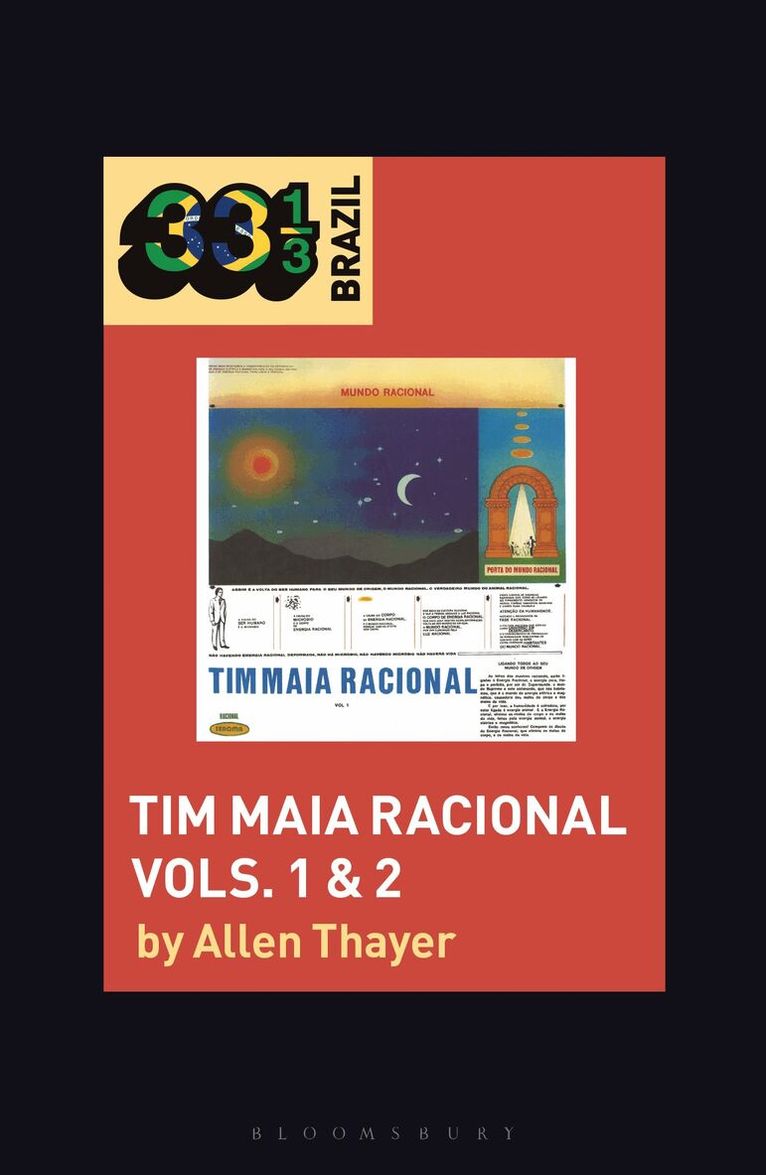
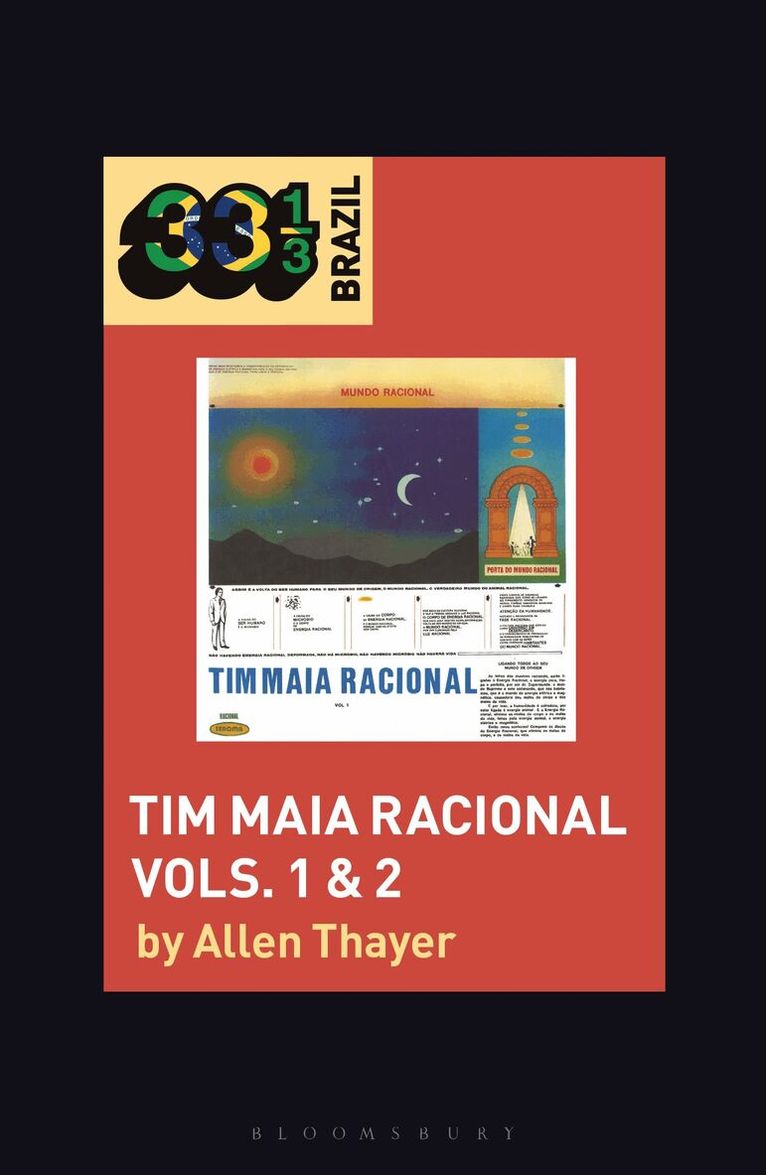
At the height of Tim Maia’s soaring fame, he joined a radical, extraterrestrial-obsessed cult and created two plus albums of some of Brazil’s—and the globe’s—best funk and soul music. This book explores the career of the man often hailed as the James Brown or Barry White of Brazil, and the time of his radical transformation from a musician notorious for hedonistic living to a devoted follower of Manoel Jacinto Coelho’s Rational Culture.After suddenly joining Coelho’s cult in 1974 (which started first as an offshoot of the mystical Afro-Brazilian religion Umbanda), Maia gave up drugs and alcohol, threw away his material possessions, and released Racional Vols. 1 & 2 in the attempt to convert the entirety of Brazil and the world to the revelation of Rational Culture. Thayer explores this strange, brief, yet incredibly prolific period of Maia’s life wherein the reigning soul and funk artist of Brazil produced two albums, an EP, and a recently unearthed tape containing almost another full album of funky jams laced with spiritual content and scripture. For just as quickly as Maia became entranced with Coelho did he become disillusioned with the cult, disavowing and destroying everything having to do with that experience and refusing to speak of it for the rest of his life.33 1/3 Global, a series related to but independent from 33 1/3, takes the format of the original series of short, music-based books and brings the focus to music throughout the world. With initial volumes focusing on Japanese and Brazilian music, the series will also include volumes on the popular music of Australia/Oceania, Europe, Africa, the Middle East, and more.
Häftad, Engelska, 2018
269 kr
Skickas
At the height of Tim Maia’s soaring fame, he joined a radical, extraterrestrial-obsessed cult and created two plus albums of some of Brazil’s—and the globe’s—best funk and soul music. This book explores the career of the man often hailed as the James Brown or Barry White of Brazil, and the time of his radical transformation from a musician notorious for hedonistic living to a devoted follower of Manoel Jacinto Coelho’s Rational Culture.After suddenly joining Coelho’s cult in 1974 (which started first as an offshoot of the mystical Afro-Brazilian religion Umbanda), Maia gave up drugs and alcohol, threw away his material possessions, and released Racional Vols. 1 & 2 in the attempt to convert the entirety of Brazil and the world to the revelation of Rational Culture. Thayer explores this strange, brief, yet incredibly prolific period of Maia’s life wherein the reigning soul and funk artist of Brazil produced two albums, an EP, and a recently unearthed tape containing almost another full album of funky jams laced with spiritual content and scripture. For just as quickly as Maia became entranced with Coelho did he become disillusioned with the cult, disavowing and destroying everything having to do with that experience and refusing to speak of it for the rest of his life.33 1/3 Global, a series related to but independent from 33 1/3, takes the format of the original series of short, music-based books and brings the focus to music throughout the world. With initial volumes focusing on Japanese and Brazilian music, the series will also include volumes on the popular music of Australia/Oceania, Europe, Africa, the Middle East, and more.
Häftad, Engelska, 2018
269 kr
Skickas
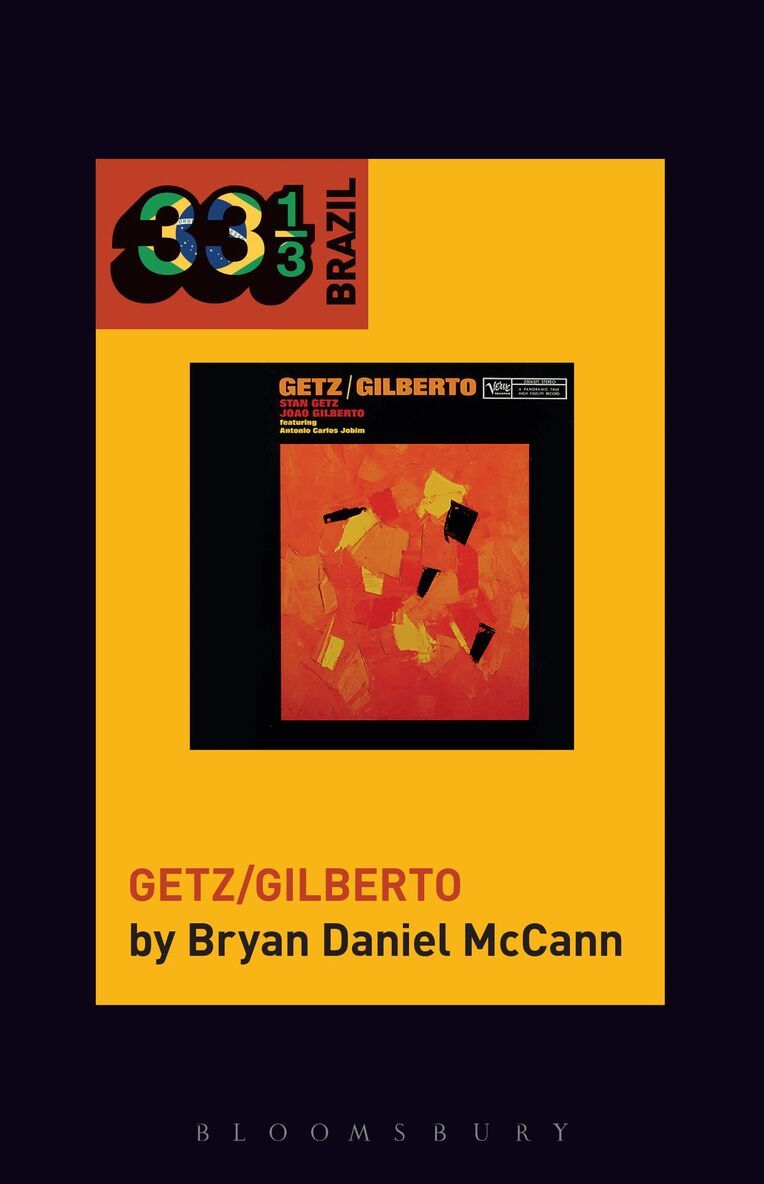
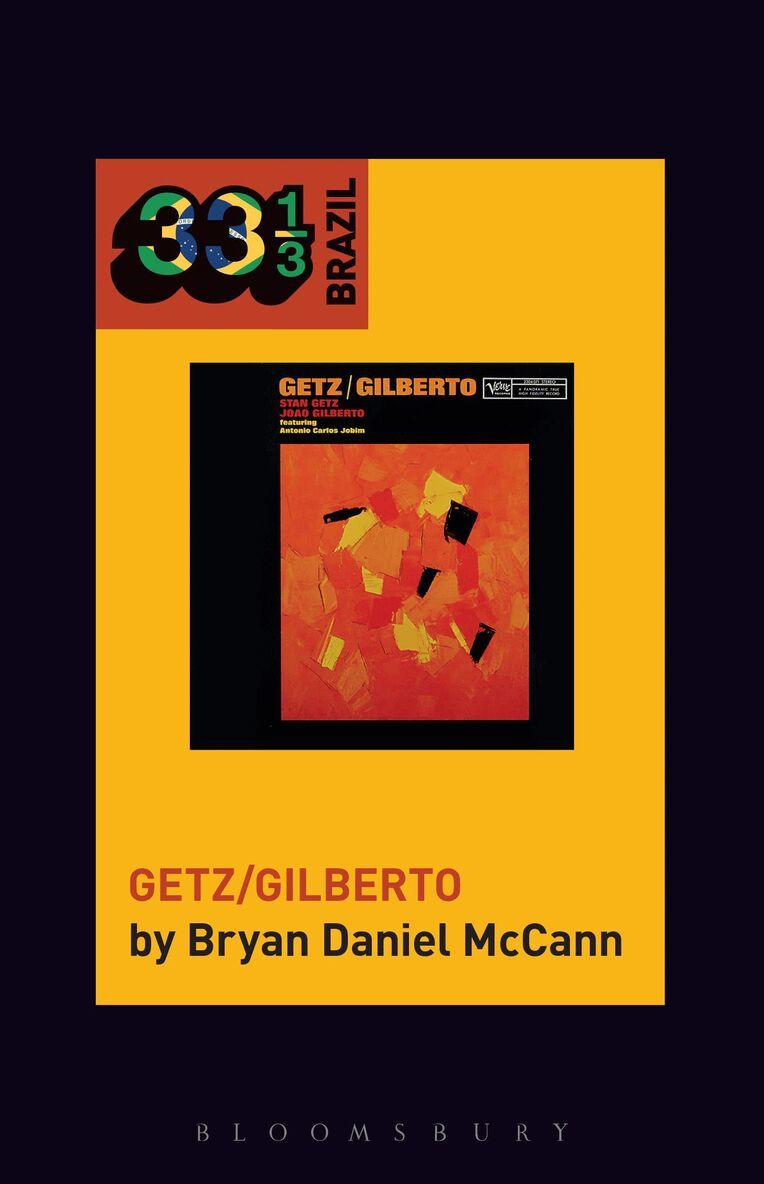
Most die-hard Brazilian music fans would argue that Getz/Gilberto, the iconic 1964 album featuring "The Girl from Ipanema," is not the best bossa nova record. Yet we've all heard "The Girl from Ipanema" as background music in a thousand anodyne settings, from cocktail parties to telephone hold music. So how did Getz/Gilberto become the Brazilian album known around the world, crossing generational and demographic divides?Bryan McCann traces the history and making of Getz/Gilberto as a musical collaboration between leading figure of bossa nova João Gilberto and Philadelphia-born and New York-raised cool jazz artist Stan Getz. McCann also reveals the contributions of the less-understood participants (Astrud Gilberto's unrehearsed, English-language vocals; Creed Taylor's immaculate production; Olga Albizu's arresting, abstract-expressionist cover art) to show how a perfect balance of talents led to not just a great album, but a global pop sensation. And he explains how Getz/Gilberto emerged from the context of Bossa Nova Rio de Janeiro, the brief period when the subtle harmonies and aching melodies of bossa nova seemed to distill the spirit of a modernizing, sensuous city.33 1/3 Global, a series related to but independent from 33 1/3, takes the format of the original series of short, music-based books and brings the focus to music throughout the world. With initial volumes focusing on Japanese and Brazilian music, the series will also include volumes on the popular music of Australia/Oceania, Europe, Africa, the Middle East, and more.
Inbunden, Engelska, 2018
988 kr
Skickas inom 10-15 vardagar
Most die-hard Brazilian music fans would argue that Getz/Gilberto, the iconic 1964 album featuring "The Girl from Ipanema," is not the best bossa nova record. Yet we've all heard "The Girl from Ipanema" as background music in a thousand anodyne settings, from cocktail parties to telephone hold music. So how did Getz/Gilberto become the Brazilian album known around the world, crossing generational and demographic divides?Bryan McCann traces the history and making of Getz/Gilberto as a musical collaboration between leading figure of bossa nova João Gilberto and Philadelphia-born and New York-raised cool jazz artist Stan Getz. McCann also reveals the contributions of the less-understood participants (Astrud Gilberto's unrehearsed, English-language vocals; Creed Taylor's immaculate production; Olga Albizu's arresting, abstract-expressionist cover art) to show how a perfect balance of talents led to not just a great album, but a global pop sensation. And he explains how Getz/Gilberto emerged from the context of Bossa Nova Rio de Janeiro, the brief period when the subtle harmonies and aching melodies of bossa nova seemed to distill the spirit of a modernizing, sensuous city.33 1/3 Global, a series related to but independent from 33 1/3, takes the format of the original series of short, music-based books and brings the focus to music throughout the world. With initial volumes focusing on Japanese and Brazilian music, the series will also include volumes on the popular music of Australia/Oceania, Europe, Africa, the Middle East, and more.
Inbunden, Engelska, 2019
918 kr
Skickas inom 10-15 vardagar
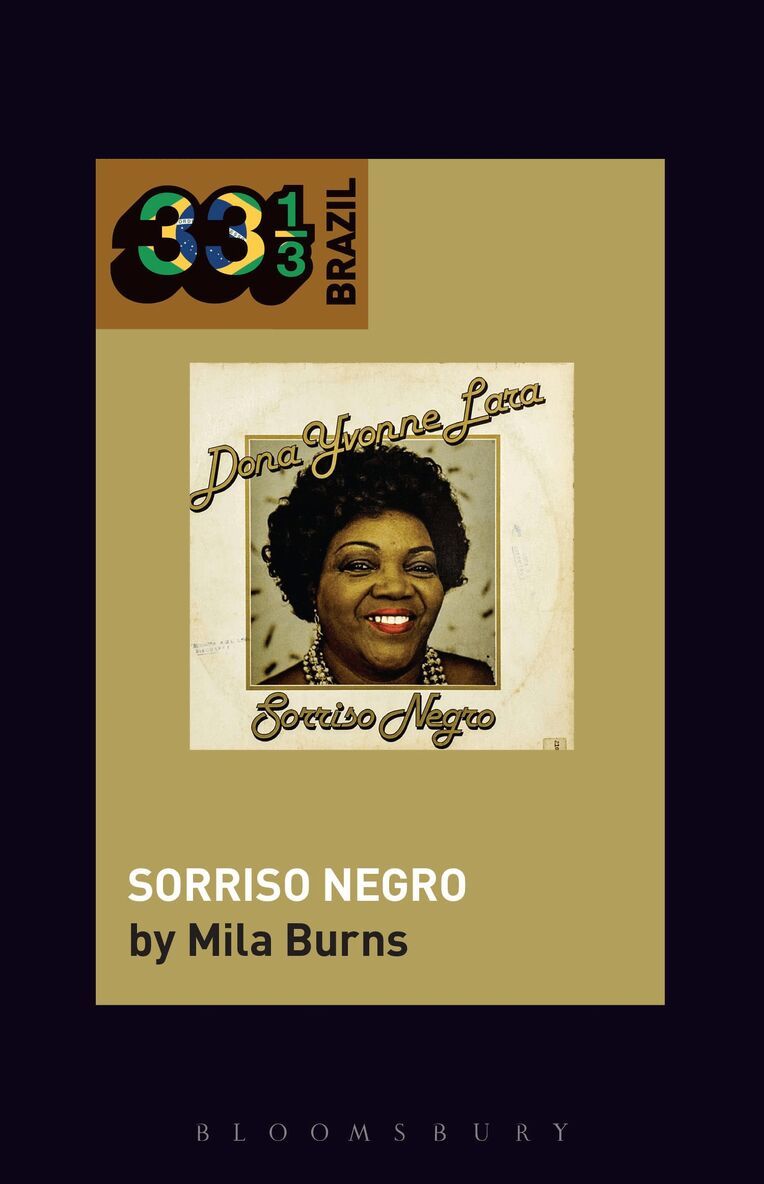
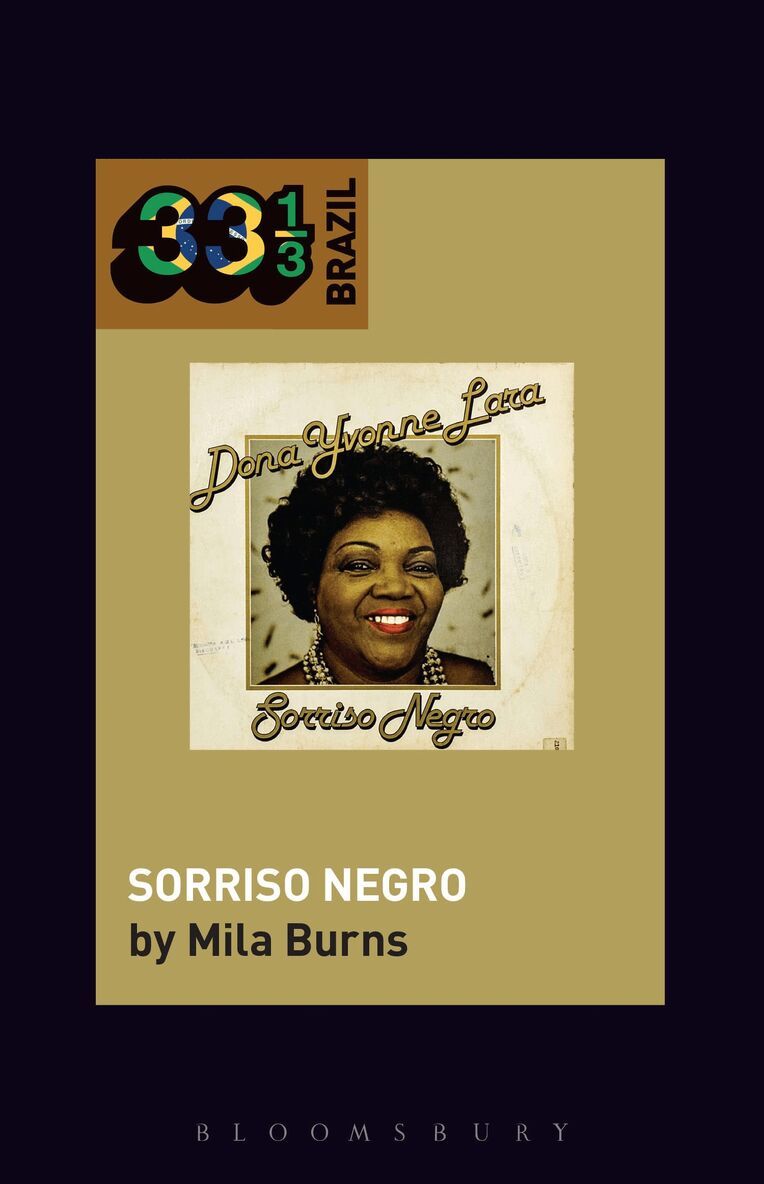
More than simply a paragon of Brazilian samba, Dona (Lady) Ivone Lara’s 1981 Sorriso Negro (translated to Black Smile) is an album deeply embedded in the political and social tensions of its time. Released less than two years after the Brazilian military dictatorship approved the Lei de Anistia (the "Opening" that put Brazil on a path toward democratic governance), Sorriso Negro reflects the seminal shifts occurring within Brazilian society as former exiles reinforced notions of civil rights and feminist thought in a nation under the iron hand of a military dictatorship that had been in place since 1964. By looking at one of the most important samba albums ever recorded (and one that also happened to be authored by a black woman), Mila Burns explores the pathbreaking career of Dona Ivone Lara, tracing the ways in which she navigated the tense gender and race relations of the samba universe to ultimately conquer the masculine world of samba composers.33 1/3 Global, a series related to but independent from 33 1/3, takes the format of the original series of short, music-basedbooks and brings the focus to music throughout the world. With initial volumes focusing on Japanese and Brazilian music, the series will also include volumes on the popular music of Australia/Oceania, Europe, Africa, the Middle East, and more.
Häftad, Engelska, 2019
270 kr
Skickas inom 5-8 vardagar
More than simply a paragon of Brazilian samba, Dona (Lady) Ivone Lara’s 1981 Sorriso Negro (translated to Black Smile) is an album deeply embedded in the political and social tensions of its time. Released less than two years after the Brazilian military dictatorship approved the Lei de Anistia (the "Opening" that put Brazil on a path toward democratic governance), Sorriso Negro reflects the seminal shifts occurring within Brazilian society as former exiles reinforced notions of civil rights and feminist thought in a nation under the iron hand of a military dictatorship that had been in place since 1964. By looking at one of the most important samba albums ever recorded (and one that also happened to be authored by a black woman), Mila Burns explores the pathbreaking career of Dona Ivone Lara, tracing the ways in which she navigated the tense gender and race relations of the samba universe to ultimately conquer the masculine world of samba composers.33 1/3 Global, a series related to but independent from 33 1/3, takes the format of the original series of short, music-basedbooks and brings the focus to music throughout the world. With initial volumes focusing on Japanese and Brazilian music, the series will also include volumes on the popular music of Australia/Oceania, Europe, Africa, the Middle East, and more.
Häftad, Engelska, 2020
186 kr
Skickas
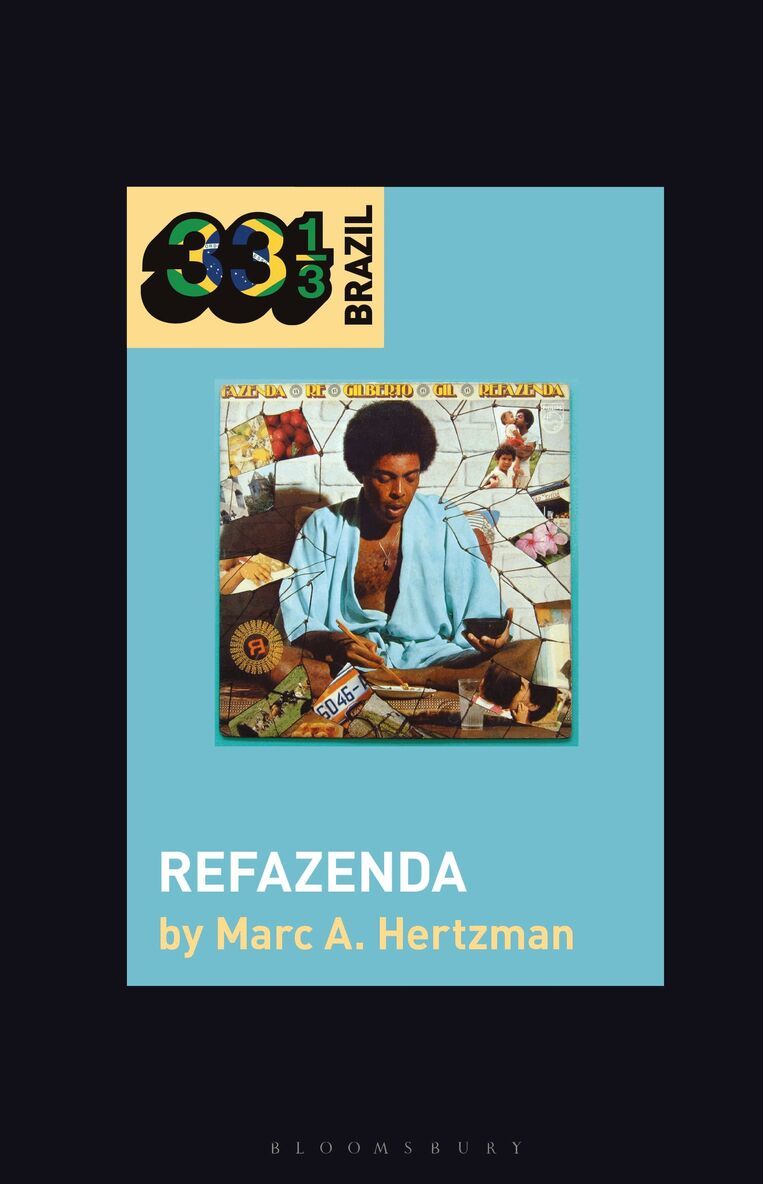
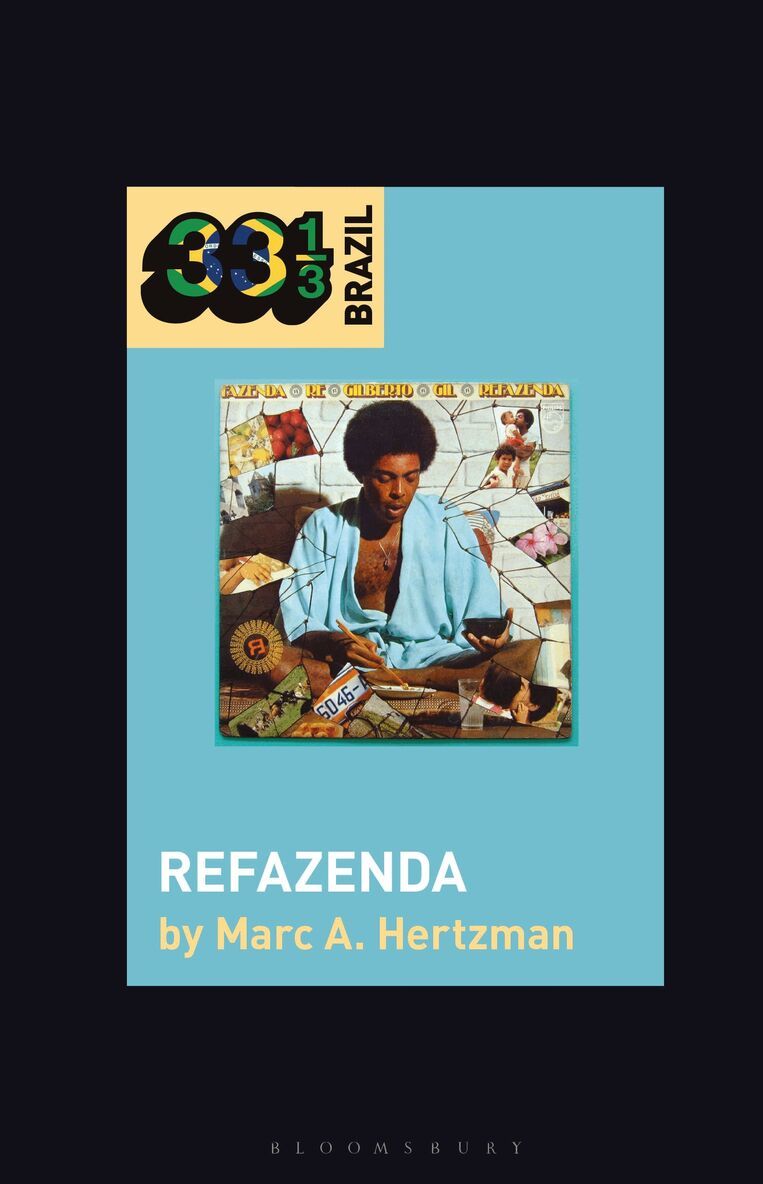
Refazenda connects a remarkable album by one of the 20th and 21st centuries' great musicians to a dazzling, often unexpected, array of people and places spread across the globe from Brazil to England to Chile to Japan. Critics and fans often project (or impose) desires and interpretations onto Gil that don't seem to fit. This book explores why familiar political and musical categories so often fall flat and explains why serendipity may instead be the best way to approach this mercurial album and the unrepeatable artist who created it. Based on years of listening to, studying, and teaching about Gil, and the author's own encounters with the album around the world, this book argues that Refazenda does, in fact, contain radical messages, though they rarely appear in the form, shape, or places that we might expect. The book also includes the first English-language translations of the album's lyrics, never-discussed-before 1970s Japanese liner notes, and a recounting of a forgotten moment when censors detained Gil during the album's debut tour.33 1/3 Global, a series related to but independent from 33 1/3, takes the format of the original series of short, music-basedbooks and brings the focus to music throughout the world. With initial volumes focusing on Japanese and Brazilian music, the series will also include volumes on the popular music of Australia/Oceania, Europe, Africa, the Middle East, and more.
Inbunden, Engelska, 2020
918 kr
Skickas inom 10-15 vardagar
Refazenda connects a remarkable album by one of the 20th and 21st centuries' great musicians to a dazzling, often unexpected, array of people and places spread across the globe from Brazil to England to Chile to Japan. Critics and fans often project (or impose) desires and interpretations onto Gil that don't seem to fit. This book explores why familiar political and musical categories so often fall flat and explains why serendipity may instead be the best way to approach this mercurial album and the unrepeatable artist who created it. Based on years of listening to, studying, and teaching about Gil, and the author's own encounters with the album around the world, this book argues that Refazenda does, in fact, contain radical messages, though they rarely appear in the form, shape, or places that we might expect. The book also includes the first English-language translations of the album's lyrics, never-discussed-before 1970s Japanese liner notes, and a recounting of a forgotten moment when censors detained Gil during the album's debut tour.33 1/3 Global, a series related to but independent from 33 1/3, takes the format of the original series of short, music-basedbooks and brings the focus to music throughout the world. With initial volumes focusing on Japanese and Brazilian music, the series will also include volumes on the popular music of Australia/Oceania, Europe, Africa, the Middle East, and more.
Häftad, Engelska, 2021
255 kr
Skickas
In 1997 the rap group Racionais MCs (the ‘Rational’ MCs) recorded the album Sobrevivendo no Inferno (Surviving in Hell), subsequently changing the hip-hop scene in São Paulo and firmly establishing itself as the point of reference for youth across Brazil. In an era when rappers needed to defend the very idea that their work was indeed music and a time when neighborhoods such as Capão Redondo, from where Racionais frontman Mano Brown hailed, often topped homicide statistics, Sobrevivendo empowered as it provoked. As one journalist noted, “the underworld of São Paulo’s working-class suburbs is dominated by cheap thrills and provides little space for representation.” Sobrevivendo changed all of that; a brutal but invigorating imagination was born.The lure of Sobrevivendo is the particular combination of word and sound that powerfully involves listeners, especially those millions of young Brazilians who live in the neighborhoods on the periphery of Brazil’s megacities. This book celebrates the 25-year anniversary of Sobrevivendo by representing the album’s power not only within the hip-hop community but also in other cultural domains such as cinema and literature. The author also provides his own narrative spins on the sentiment of Sobrevivendo, thus making the book a creative mix of cultural analysis and inspired testimony.
Inbunden, Engelska, 2021
538 kr
Skickas
In 1997 the rap group Racionais MCs (the ‘Rational’ MCs) recorded the album Sobrevivendo no Inferno (Surviving in Hell), subsequently changing the hip-hop scene in São Paulo and firmly establishing itself as the point of reference for youth across Brazil. In an era when rappers needed to defend the very idea that their work was indeed music and a time when neighborhoods such as Capão Redondo, from where Racionais frontman Mano Brown hailed, often topped homicide statistics, Sobrevivendo empowered as it provoked. As one journalist noted, “the underworld of São Paulo’s working-class suburbs is dominated by cheap thrills and provides little space for representation.” Sobrevivendo changed all of that; a brutal but invigorating imagination was born.The lure of Sobrevivendo is the particular combination of word and sound that powerfully involves listeners, especially those millions of young Brazilians who live in the neighborhoods on the periphery of Brazil’s megacities. This book celebrates the 25-year anniversary of Sobrevivendo by representing the album’s power not only within the hip-hop community but also in other cultural domains such as cinema and literature. The author also provides his own narrative spins on the sentiment of Sobrevivendo, thus making the book a creative mix of cultural analysis and inspired testimony.
Häftad, Engelska, 2021
270 kr
Skickas inom 5-8 vardagar
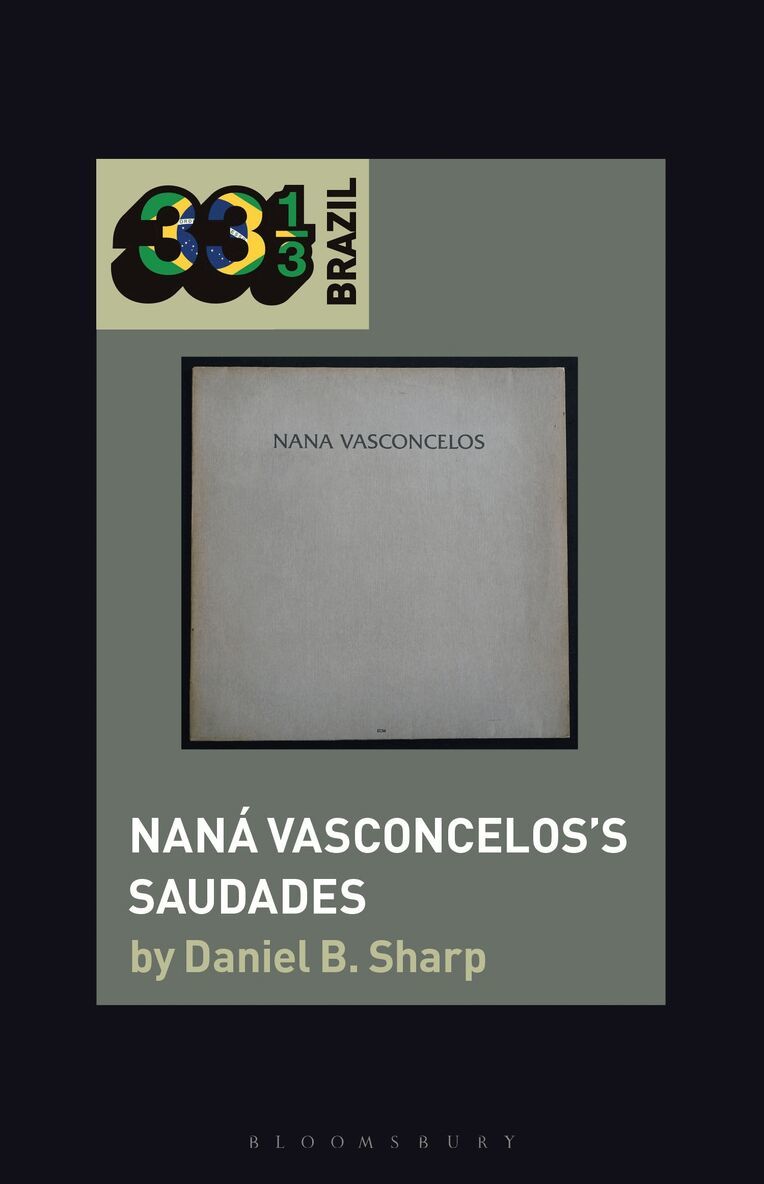
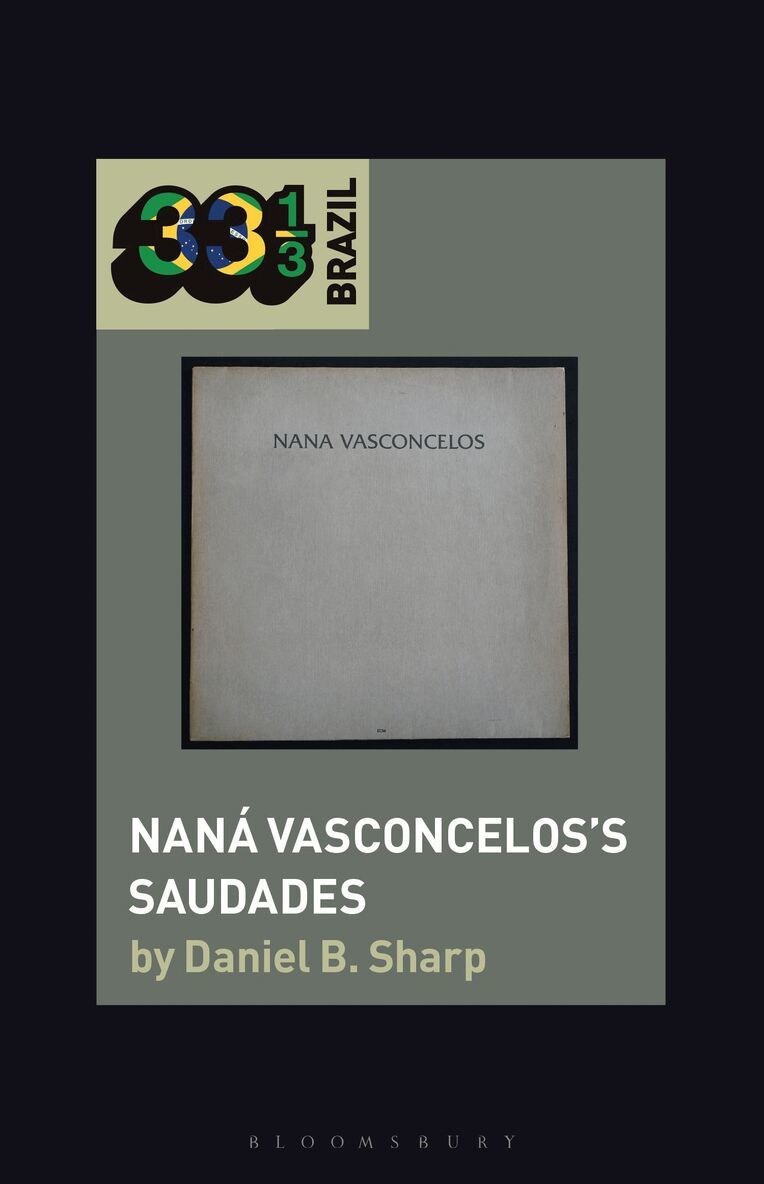
The story of Afro-Brazilian percussionist Naná Vasconcelos stitches together histories of 1960s-1980s jazz, psychedelia, world music, experimentalism and post-punk. Based in Recife, Rio de Janeiro, New York City and Paris, Naná played with musicians as varied as Egberto Gismonti, Don Cherry, Pat Metheny, Ralph Towner, Arto Lindsay, Talking Heads, Laurie Anderson, Paul Simon, Jon Hassell, Brian Eno, Os Mutantes, and Milton Nascimento.This book traces the 15 years (1964-1979) leading up to Naná's Saudades (1979, ECM), an album evoking his sonic memories of Brazil that he recorded while in Germany. Saudades features berimbau, a one-stringed instrument that looks like a bow and arrow, alongside onomatopoetic vocals and the strings of the Radio Symphony Stuttgart. Daniel B. Sharp hears Naná's playing as a counterargument against dishonest notions of the primitive just as world music emerged as a genre. With a gourd, a stick, a wire, a wicker basket, and a stone, Naná made music as complex and contemporary as the ARP synthesizers in vogue at the time.
Inbunden, Engelska, 2021
918 kr
Skickas inom 10-15 vardagar
The story of Afro-Brazilian percussionist Naná Vasconcelos stitches together histories of 1960s-1980s jazz, psychedelia, world music, experimentalism and post-punk. Based in Recife, Rio de Janeiro, New York City and Paris, Naná played with musicians as varied as Egberto Gismonti, Don Cherry, Pat Metheny, Ralph Towner, Arto Lindsay, Talking Heads, Laurie Anderson, Paul Simon, Jon Hassell, Brian Eno, Os Mutantes, and Milton Nascimento.This book traces the 15 years (1964-1979) leading up to Naná's Saudades (1979, ECM), an album evoking his sonic memories of Brazil that he recorded while in Germany. Saudades features berimbau, a one-stringed instrument that looks like a bow and arrow, alongside onomatopoetic vocals and the strings of the Radio Symphony Stuttgart. Daniel B. Sharp hears Naná's playing as a counterargument against dishonest notions of the primitive just as world music emerged as a genre. With a gourd, a stick, a wire, a wicker basket, and a stone, Naná made music as complex and contemporary as the ARP synthesizers in vogue at the time.
Häftad, Engelska, 2020
270 kr
Skickas inom 5-8 vardagar
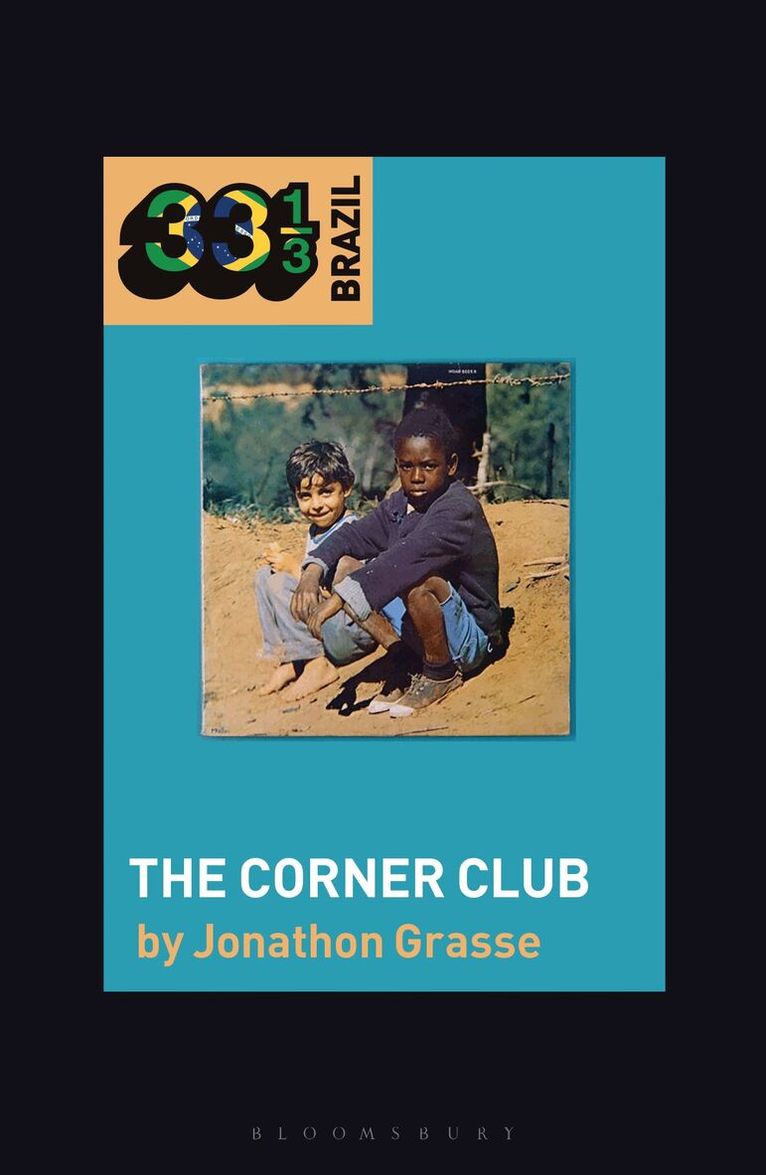
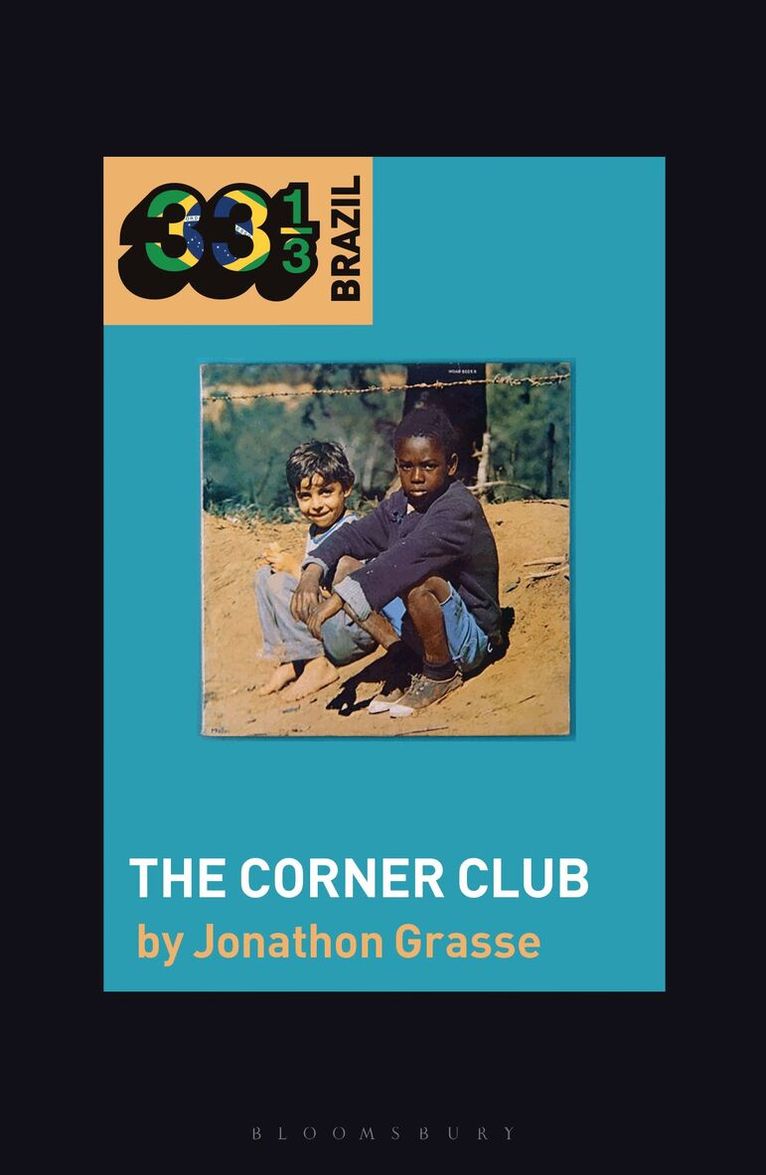
In 1972, a group of creative Brazilian musicians and poets informally led by singer-songwriter Milton Nascimento recorded a landmark double-LP titled Clube da Esquina (Corner Club). The album saw highly original songs by Milton, already an award-winning international star, sharing vinyl with those of Lô Borges, an unknown eighteen-year-old from Belo Horizonte, the capital of the state of Minas Gerais. There, where the street "corner" still exists, grew their collective also known as the Corner Club, as the artists collaborated on many subsequent albums boasting innovative blends of pop, jazz, rock, folk, classical influences, and, before Brazil’s return to civilian rule in 1985, poignant protest songs aimed at a cruel dictatorship. Drawing on a thirty-year relationship with Minas Gerais that includes interviews with Corner Club members and extensive research of Portuguese language sources, Jonathon Grasse presents an analysis of the artists, songs, and ideas comprising the LP that helps define this Brazilian generation.33 1/3 Global, a series related to but independent from 33 1/3, takes the format of the original series of short, music-based books and brings the focus to music throughout the world. With initial volumes focusing on Japanese and Brazilian music, the series will also include volumes on the popular music of Australia/Oceania, Europe, Africa, the Middle East, and more.
Inbunden, Engelska, 2020
918 kr
Skickas inom 10-15 vardagar
In 1972, a group of creative Brazilian musicians and poets informally led by singer-songwriter Milton Nascimento recorded a landmark double-LP titled Clube da Esquina (Corner Club). The album saw highly original songs by Milton, already an award-winning international star, sharing vinyl with those of Lô Borges, an unknown eighteen-year-old from Belo Horizonte, the capital of the state of Minas Gerais. There, where the street "corner" still exists, grew their collective also known as the Corner Club, as the artists collaborated on many subsequent albums boasting innovative blends of pop, jazz, rock, folk, classical influences, and, before Brazil’s return to civilian rule in 1985, poignant protest songs aimed at a cruel dictatorship. Drawing on a thirty-year relationship with Minas Gerais that includes interviews with Corner Club members and extensive research of Portuguese language sources, Jonathon Grasse presents an analysis of the artists, songs, and ideas comprising the LP that helps define this Brazilian generation.33 1/3 Global, a series related to but independent from 33 1/3, takes the format of the original series of short, music-based books and brings the focus to music throughout the world. With initial volumes focusing on Japanese and Brazilian music, the series will also include volumes on the popular music of Australia/Oceania, Europe, Africa, the Middle East, and more.
Häftad, Engelska, 2022
255 kr
Skickas
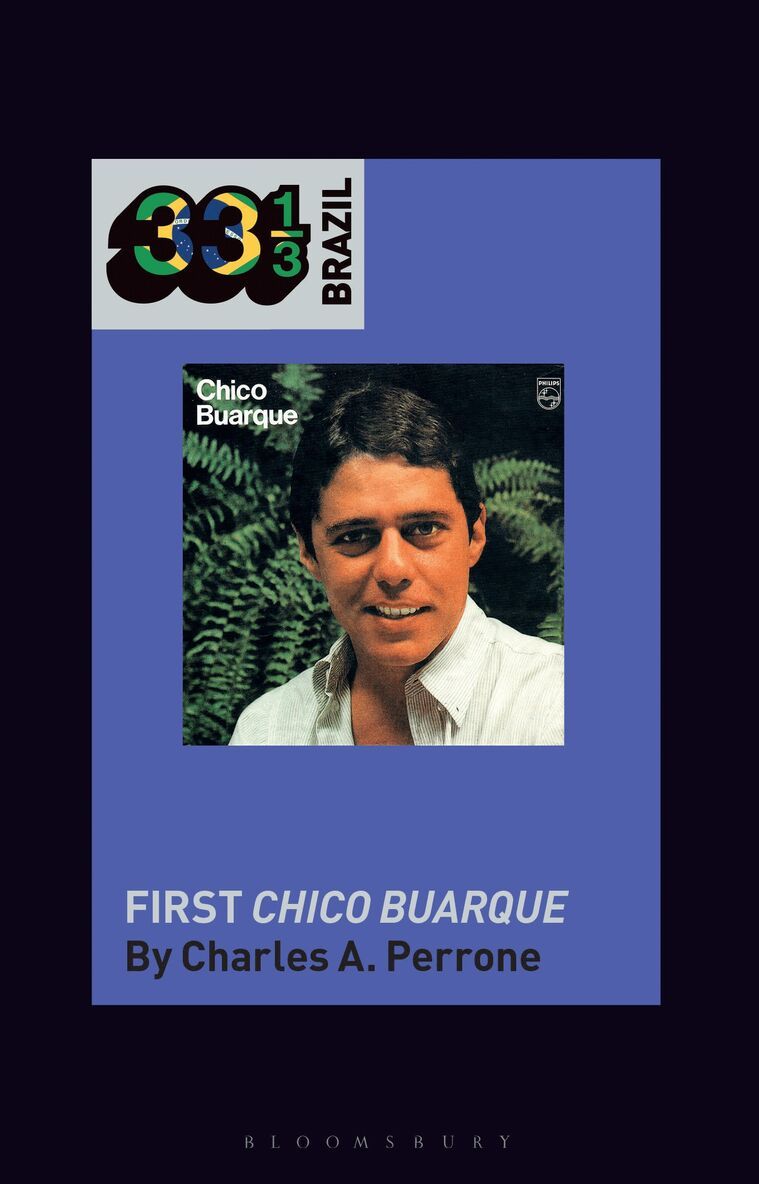
Chico Buarque comprises a critical appreciation of the self-titled album (1978), which is one of the Brazilian artist’s most representative. This vibrant collection displays the singer-songwriter’s singular talents as a composer/poet of songs with both popular appeal and keen analytical skills. The 11 tracks include both up-beat sambas and lyrical compositions: witty tunes, dramatic laments, international items, and, especially, epochal protest songs with fascinating histories. The album embodies Chico Buarque's affective sensibilities and sociopolitical engagement, and this book situates the album in inter-related contexts: the artist's own career; the evolution of the current he represents MPB (Brazilian Popular Music); and, especially, historical conjuncture—the period of military dictatorship in Brazil, 1964-85.
Inbunden, Engelska, 2022
918 kr
Skickas inom 10-15 vardagar
Chico Buarque comprises a critical appreciation of the self-titled album (1978), which is one of the Brazilian artist’s most representative. This vibrant collection displays the singer-songwriter’s singular talents as a composer/poet of songs with both popular appeal and keen analytical skills. The 11 tracks include both up-beat sambas and lyrical compositions: witty tunes, dramatic laments, international items, and, especially, epochal protest songs with fascinating histories. The album embodies Chico Buarque's affective sensibilities and sociopolitical engagement, and this book situates the album in inter-related contexts: the artist's own career; the evolution of the current he represents MPB (Brazilian Popular Music); and, especially, historical conjuncture—the period of military dictatorship in Brazil, 1964-85.