Jean-Luc Moriceau – författare
2 511 kr
Skickas inom 10-15 vardagar
672 kr
Skickas inom 5-8 vardagar
797 kr
Läs direkt efter köp
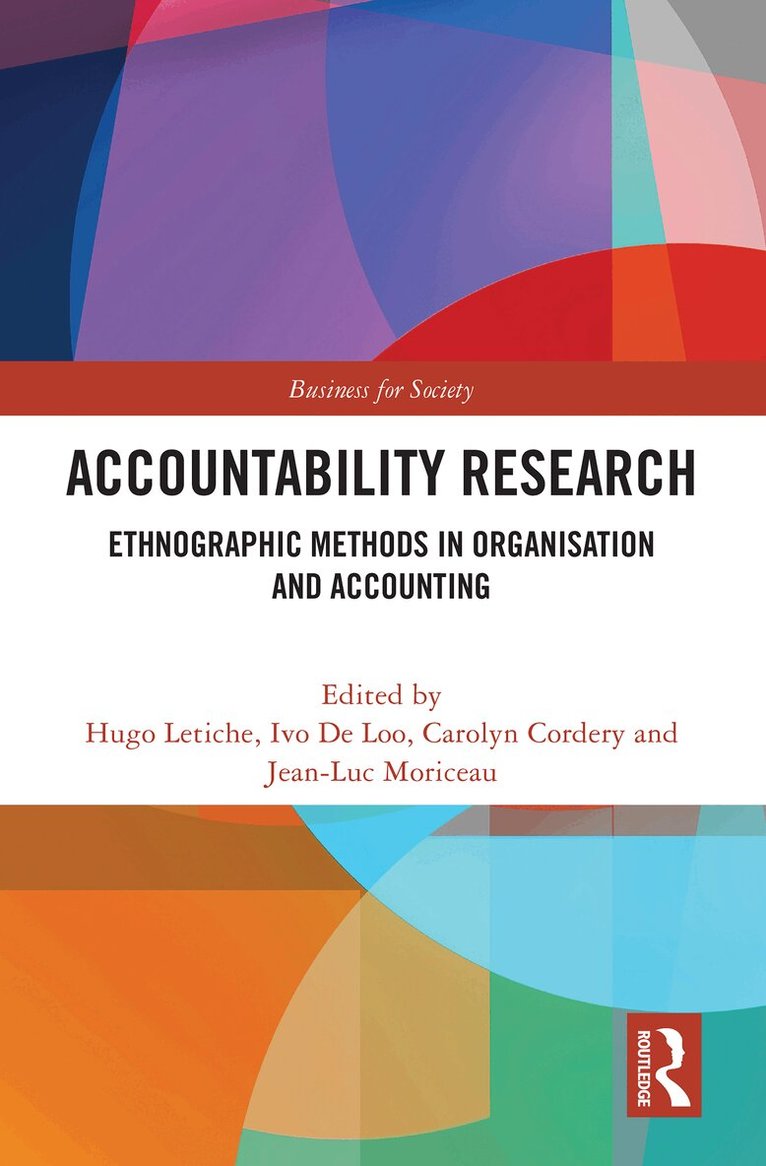
This book discusses (auto- )ethnographies of accountability, undertaken (in close collaboration) by a multinational group of accounting and organization theory researchers over a period of three years. The key assumption underlying the book is that accountability is inherently an identity- creating process where the study of account- making has to be done participatively, with radical openness to the one(s) being researched, as well as to their context. That openness we call ‘ethnography’. The values or assumptions inherent to the practices of account and identity-making, in a specific context, are what (auto- )ethnographies seek to describe and identify. These values and assumptions warrant critical, ethical reflection, and this is what the researchers presented here have tried to provide.
The chapters in this book all are mini- studies of relatedness. The scale of examination is intimate; the reflections provided by the researchers are mainly methodological.
This book is of interest to accounting and organization theory students and scholars who believe that accountability can fruitfully be studied through (auto-) ethnography. The book extends currently existing views on how accountability can be handled and discharged between researchers and their researched, when local, intimate settings are studied.
797 kr
Läs direkt efter köp
This book discusses (auto- )ethnographies of accountability, undertaken (in close collaboration) by a multinational group of accounting and organization theory researchers over a period of three years. The key assumption underlying the book is that accountability is inherently an identity- creating process where the study of account- making has to be done participatively, with radical openness to the one(s) being researched, as well as to their context. That openness we call ‘ethnography’. The values or assumptions inherent to the practices of account and identity-making, in a specific context, are what (auto- )ethnographies seek to describe and identify. These values and assumptions warrant critical, ethical reflection, and this is what the researchers presented here have tried to provide.
The chapters in this book all are mini- studies of relatedness. The scale of examination is intimate; the reflections provided by the researchers are mainly methodological.
This book is of interest to accounting and organization theory students and scholars who believe that accountability can fruitfully be studied through (auto-) ethnography. The book extends currently existing views on how accountability can be handled and discharged between researchers and their researched, when local, intimate settings are studied.
1 408 kr
Skickas inom 5-8 vardagar
410 kr
Läs direkt efter köp
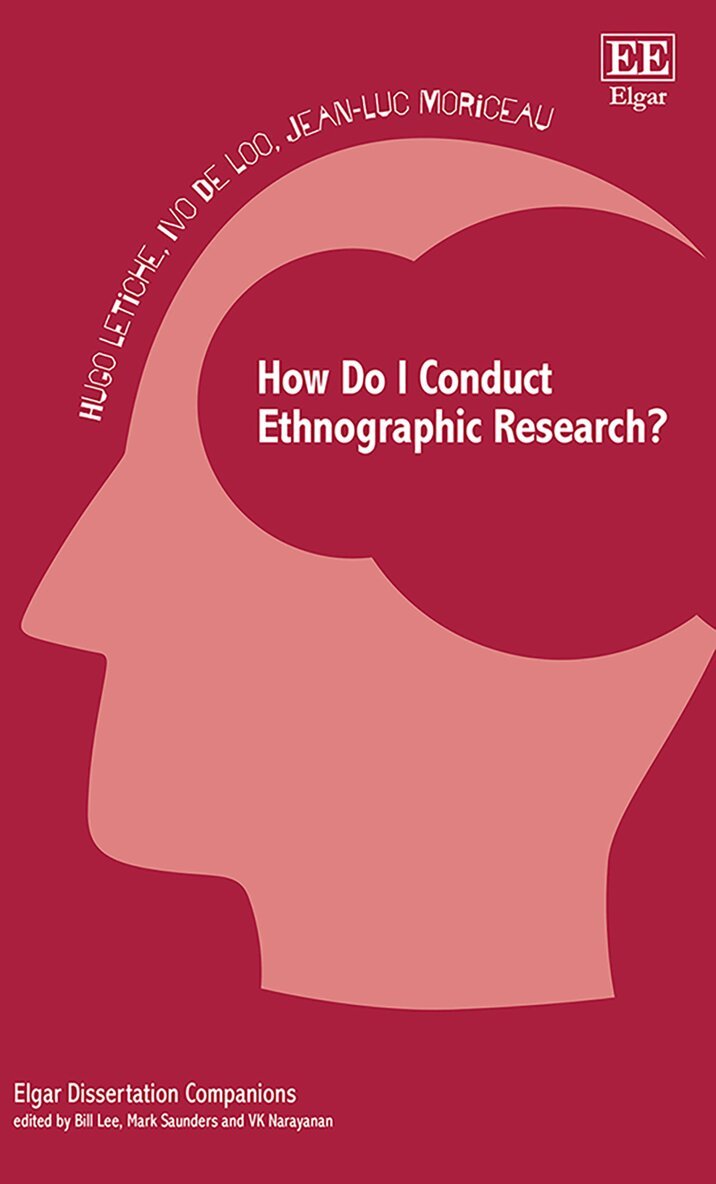
How Do I Conduct Ethnographic Research? addresses three forms of ethnographic analysis: ethnography, autoethnography, and netnography. Each chapter begins with specific aims to be addressed, and is concluded with helpful exercises to strengthen both one’s theoretical and practical academic skills. Stressing the role of researcher choice-making, this timely book aids the reader in devising a unique approach that best suits the context of their research.
This book is crucial for postgraduate students of business and management, marketing, strategy and organization, as well as related subject areas such as finance and human resource management. Those who are new to ethnographic research will additionally find this guide to be invaluable.
435 kr
Skickas inom 5-8 vardagar
2 145 kr
Skickas inom 5-8 vardagar
459 kr
Läs direkt efter köp
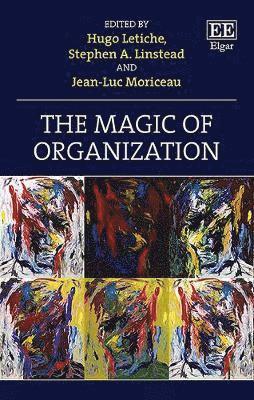
The Magic of Organization looks at our economy and its dependence on magic, as success depends on innovation and creativity to produce the unexpected and amazing; but perhaps also the bogus and deceitful. Exposing the unpredictability of magic, the book reveals clear links between magic and uncontrollable and non-linear ways of organizing. Chapters discuss the double-edged sword of magic: while organizations, economies and finance depend on magical thought and actions for inspiration and surprise, they also fear them; what if the magic is real?
With its clarity on how the turn-to-ontology in anthropology is significant for organizational studies, this book will be an illuminating read for students of creativity and innovation.
900 kr
Skickas inom 5-8 vardagar