Jesica Siham Fernández - Böcker
Visar alla böcker från författaren Jesica Siham Fernández. Handla med fri frakt och snabb leverans.
5 produkter
5 produkter
701 kr
Skickas inom 10-15 vardagar
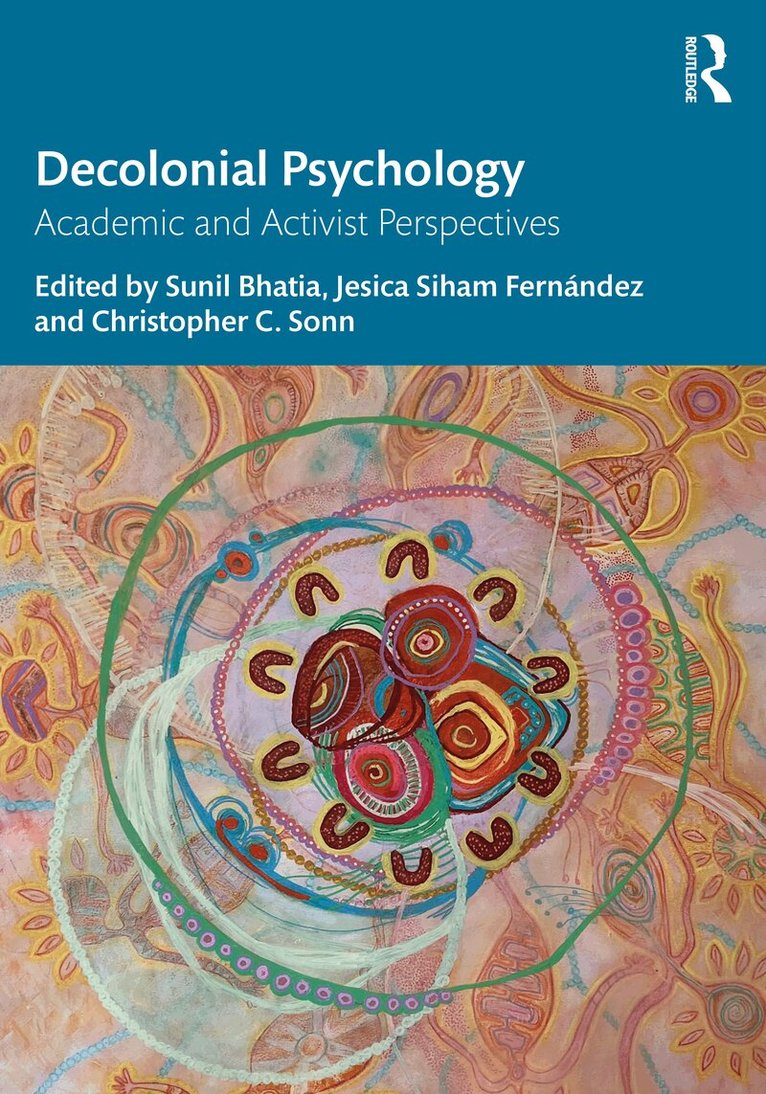
This cutting-edge book re-imagines what a truly decolonial psychology could look like. It explores questions of what counts as psychological knowledge and whose knowledge is valid, and who controls the production of knowledge in psychology. This book builds on the expanding knowledge base in decolonial psychology to meaningfully address the varied social and psychological trajectories of decolonization and liberation.Featuring a wide range of international contributors, this book is grounded in an ethic of inclusion and includes contributions from researchers as well as contributions from those who engage in decolonial work outside of academia. It considers how the discipline of psychology could be transformed and how it can embrace a decolonial resistance with ideas about justice, freedom, and liberation. Drawing together a variety of expertise and ways of knowing that centers psychological research from the Global South, this book explores how we can decolonize the field and curriculum of psychology, imagining new future possibilities for the discipline.Accessibly and compellingly written, this will be essential reading for students and researchers interested in decolonizing psychology. It will be especially relevant for upper-level undergraduate and postgraduate students of cultural psychology, social psychology, and community psychology, as well as researchers, psychologists, and activists working with marginalized communities looking for ways to produce socially just knowledge.
2 037 kr
Skickas inom 10-15 vardagar
This cutting-edge book re-imagines what a truly decolonial psychology could look like. It explores questions of what counts as psychological knowledge and whose knowledge is valid, and who controls the production of knowledge in psychology. This book builds on the expanding knowledge base in decolonial psychology to meaningfully address the varied social and psychological trajectories of decolonization and liberation.Featuring a wide range of international contributors, this book is grounded in an ethic of inclusion and includes contributions from researchers as well as contributions from those who engage in decolonial work outside of academia. It considers how the discipline of psychology could be transformed and how it can embrace a decolonial resistance with ideas about justice, freedom, and liberation. Drawing together a variety of expertise and ways of knowing that centers psychological research from the Global South, this book explores how we can decolonize the field and curriculum of psychology, imagining new future possibilities for the discipline.Accessibly and compellingly written, this will be essential reading for students and researchers interested in decolonizing psychology. It will be especially relevant for upper-level undergraduate and postgraduate students of cultural psychology, social psychology, and community psychology, as well as researchers, psychologists, and activists working with marginalized communities looking for ways to produce socially just knowledge.
977 kr
Skickas inom 10-15 vardagar
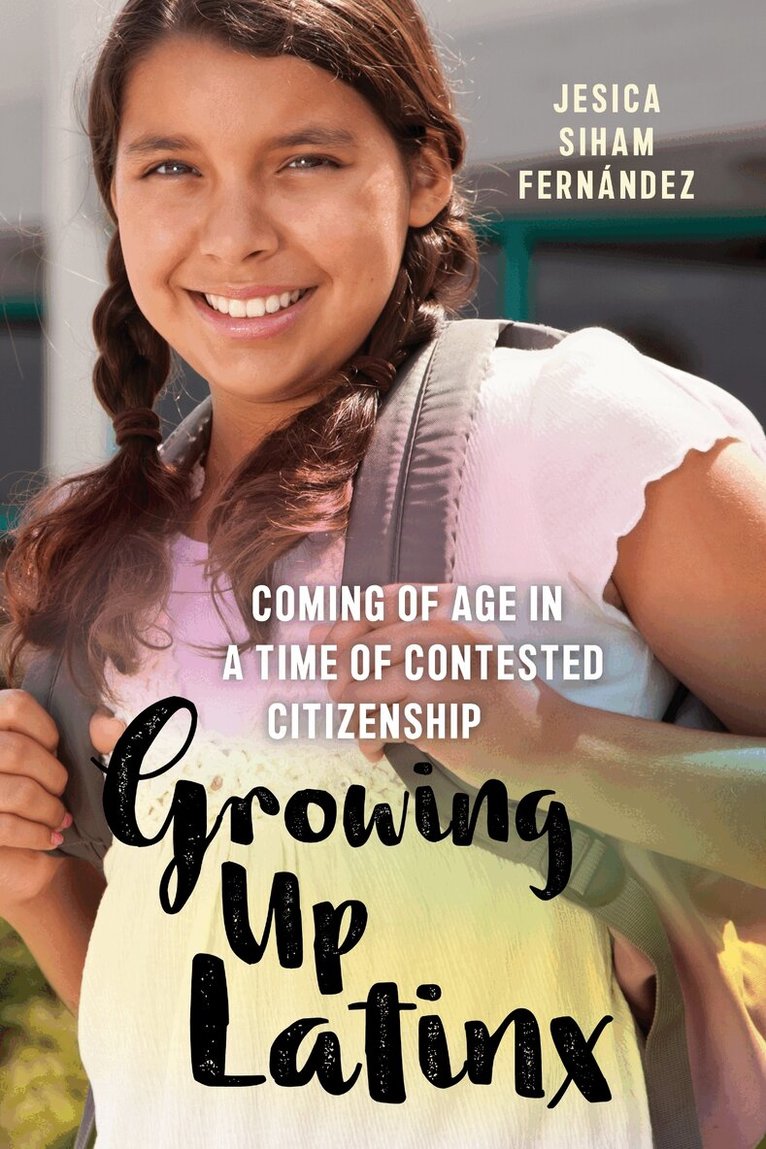
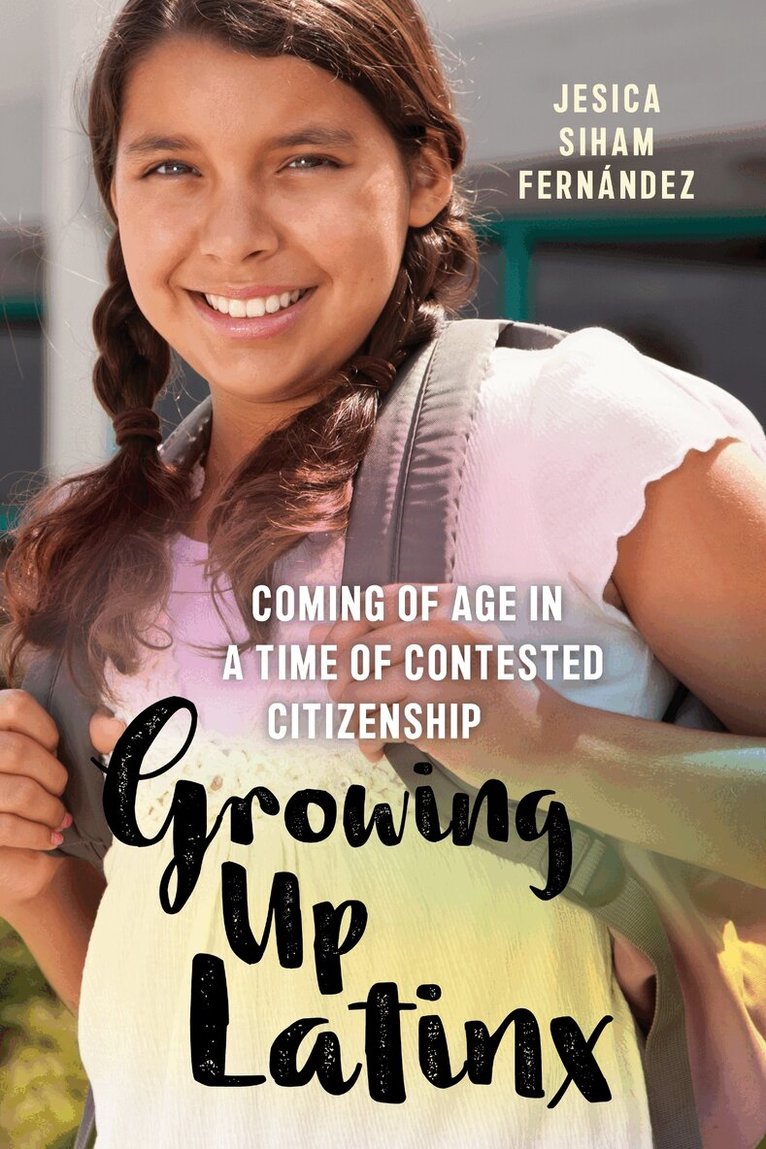
Winner, Outstanding Scholarly Contribution Award of the Section on Children and Youth, given by the American Sociological AssociationFinalist for the 2021 C. Wright Mills Award, given by the Society for the Study of Social ProblemsLatinx children navigating identity, citizenship, and belonging in a divided America An estimated sixty million people in the United States are of Latinx descent, with youth under the age of eighteen making up two-thirds of this swiftly growing demographic. In Growing Up Latinx, Jesica Siham Fernández explores the lives of Latinx youth as they grapple with their social and political identities from an early age, and pursue a sense of belonging in their schools and communities as they face an increasingly hostile political climate.Drawing on interviews with nine-to-twelve-year-olds, Fernández gives us rare insight into how Latinx youth understand their own citizenship and bravely forge opportunities to be seen, to be heard, and to belong. With a compassionate eye, she shows us how they strive to identify, and ultimately redefine, what it means to come of age—and fight for their rights—in a country that does not always recognize them. Fernández follows Latinx youth as they navigate family, school, community, and country ties, richly detailing their hopes and dreams as they begin to advocate for their right to be treated as citizens in full. Growing Up Latinx invites us to witness the inspiring power of young people as they develop and make heard their political voices, broadening our understanding of citizenship.
362 kr
Skickas inom 10-15 vardagar
Winner, Outstanding Scholarly Contribution Award of the Section on Children and Youth, given by the American Sociological AssociationFinalist for the 2021 C. Wright Mills Award, given by the Society for the Study of Social ProblemsLatinx children navigating identity, citizenship, and belonging in a divided America An estimated sixty million people in the United States are of Latinx descent, with youth under the age of eighteen making up two-thirds of this swiftly growing demographic. In Growing Up Latinx, Jesica Siham Fernández explores the lives of Latinx youth as they grapple with their social and political identities from an early age, and pursue a sense of belonging in their schools and communities as they face an increasingly hostile political climate.Drawing on interviews with nine-to-twelve-year-olds, Fernández gives us rare insight into how Latinx youth understand their own citizenship and bravely forge opportunities to be seen, to be heard, and to belong. With a compassionate eye, she shows us how they strive to identify, and ultimately redefine, what it means to come of age—and fight for their rights—in a country that does not always recognize them. Fernández follows Latinx youth as they navigate family, school, community, and country ties, richly detailing their hopes and dreams as they begin to advocate for their right to be treated as citizens in full. Growing Up Latinx invites us to witness the inspiring power of young people as they develop and make heard their political voices, broadening our understanding of citizenship.
3 381 kr
Skickas inom 10-15 vardagar
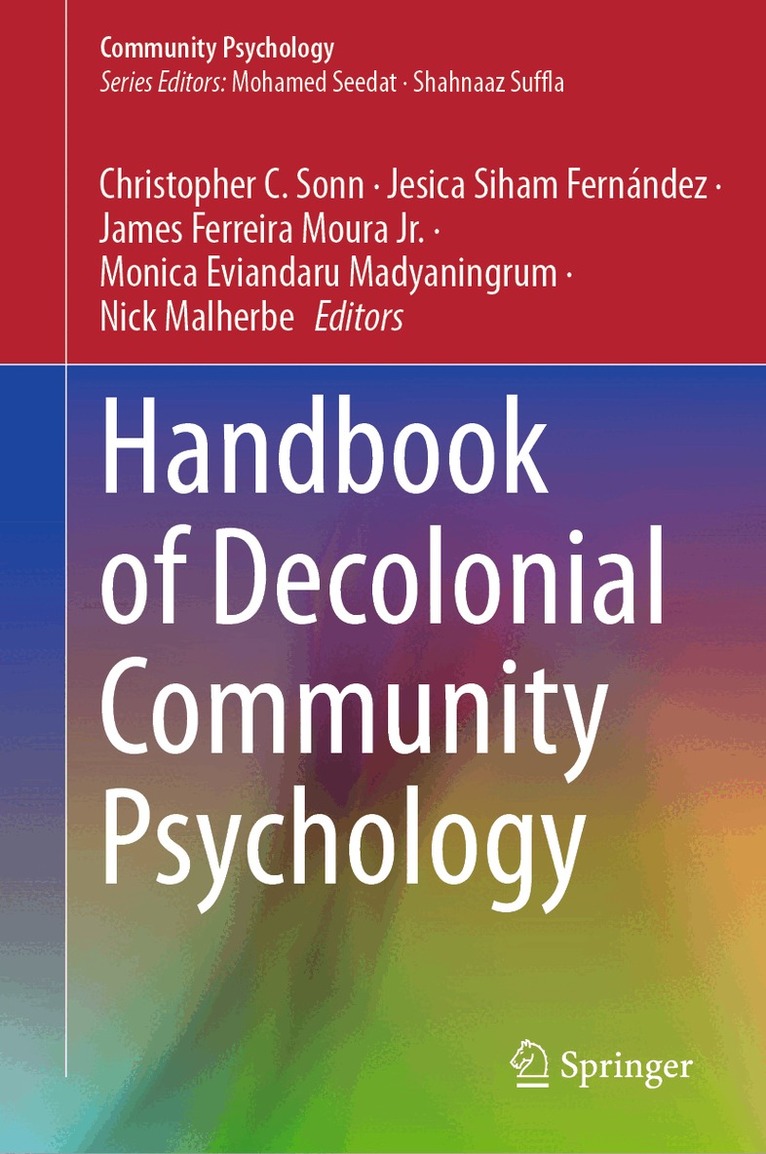
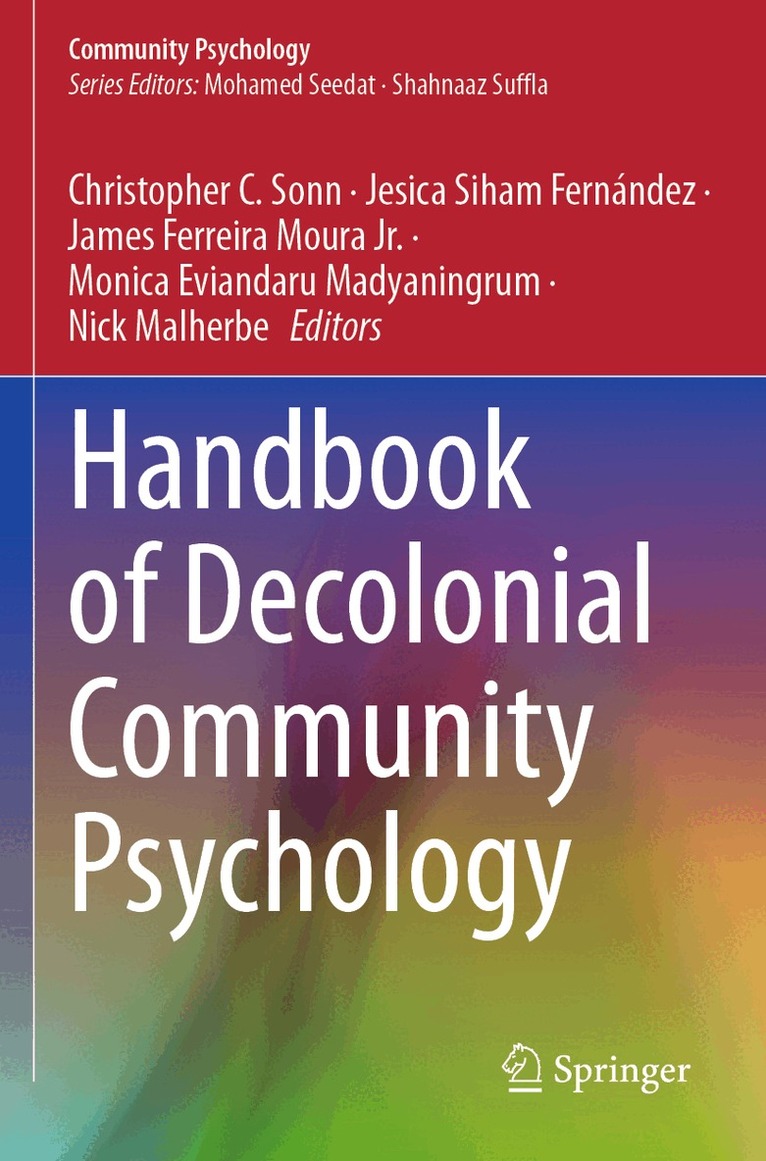
This handbook offers refined interpretations of decolonial thought, methodologies, and practices in community psychology. As a representative mapping of the broad range of decolonial cosmovisions, experiences, and praxes in community psychology and allied disciplines around the globe, it brings together contributions from North America, Latin America, Europe, Oceania, Africa, and Asia. It offers an overview of community psychology with a decolonial focus and from a transnational perspective, transcending intellectual, geographical, and cultural borders, and constraining identities, affirming and celebrating the unique identities, experiences, and positions of its contributors within the global landscape of knowledge and politics.The handbook illuminates the dynamic intersections between resistance and colonial legacies, foregrounding the enduring struggles against settler colonialism and racial capitalism across diverse geographies, temporalities, and histories. Underscoring the urgency of addressing inter-connected local and global challenges, such as land rights, livelihoods, and dignified existence, it offers hopeful yet critical perspectives on radical social justice struggles around the globe.The volume brings together contributions from scholars, academics, educators, researchers, practitioners, activists, and community collaborators, and its chapters range in style and format. Some are more aligned with academic writing, while others - in the spirit of decolonizing disciplinary logics - are structured through more undisciplined, less constrained writing forms. Each author was invited to question the coloniality of power in and beyond community psychology. As such, the handbook contains productions that trouble the manifestations of coloniality both in the past and in the present, as well as in the different territories of the Majority World, particularly within settler colonial nation-states.As a seminal work, the Handbook of Decolonial Community Psychology will further define and shape the contours of knowledge in decolonial community psychology, and inspire new generations of scholars, practitioners, students, and community organizers to advance the field with innovative ideas and transformative practices.