Joanne Rappaport – författare
Visar alla böcker från författaren Joanne Rappaport. Handla med fri frakt och snabb leverans.
23 produkter
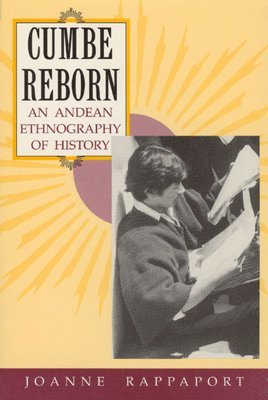
Cumbe Reborn
An Andean Ethnography of History
Inbunden, 1993
853 kr
Lägg i varukorg
According to legend, Cumbe ruled the Colombian community of Cumbal during the Spanish invasion. Although there is no documentation of Chief Cumbe's existence, today's Cumbales point to him as their link to Pasto ancestors. His image reappears often in popular music, theatre, community organization …
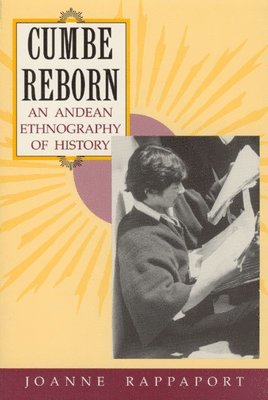
Cumbe Reborn
An Andean Ethnography of History
Häftad, 1993
349 kr
Lägg i varukorg
According to legend, Cumbe ruled the Colombian community of Cumbal during the Spanish invasion. Although there is no documentation of Chief Cumbe's existence, today's Cumbales point to him as their link to Pasto ancestors. His image reappears often in popular music, theatre, community organization …
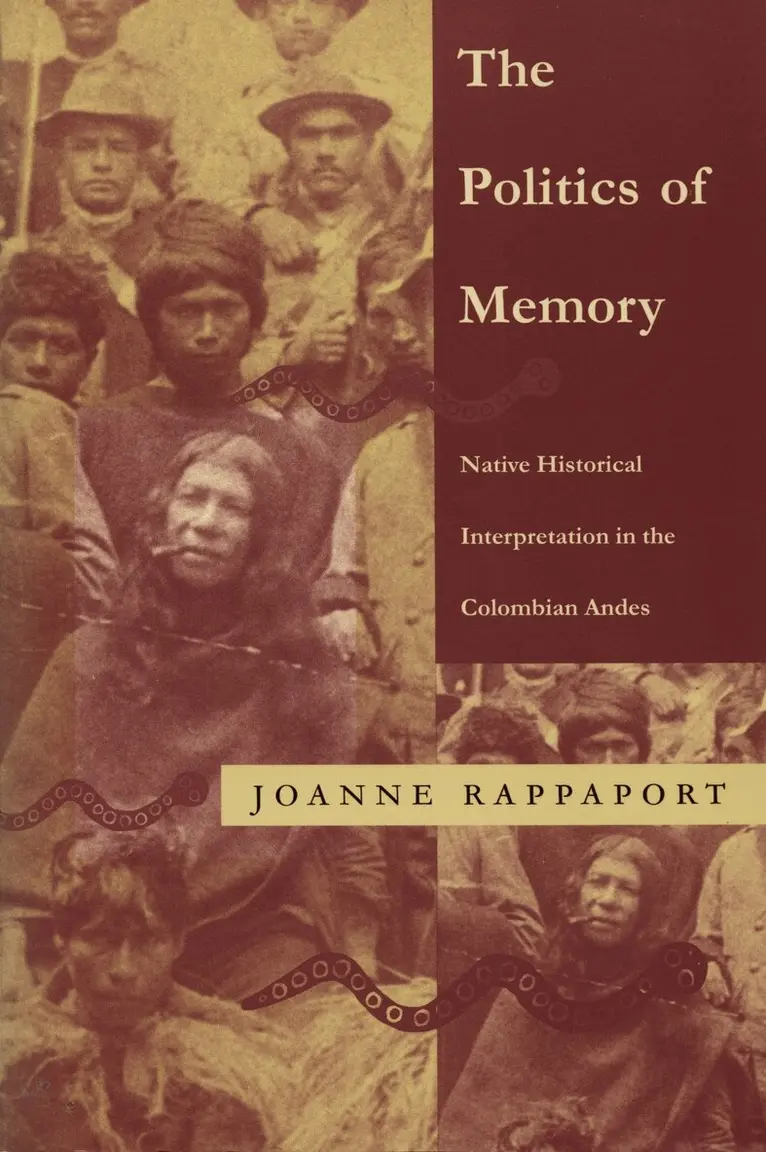
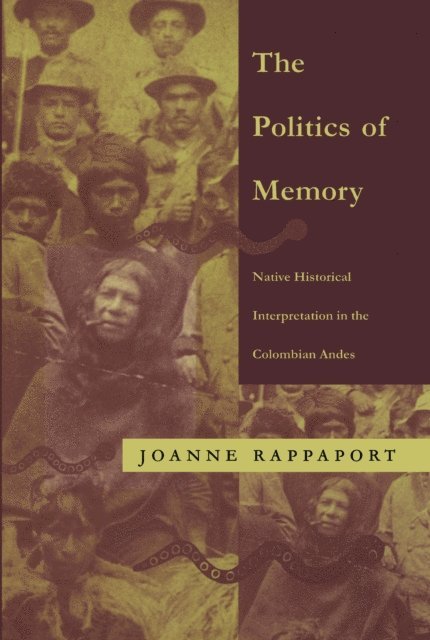
Politics of Memory
Native Historical Interpretation in the Colombian Andes
Häftad, 1998
395 kr
Lägg i varukorg
How does a culture in which writing is not a prominent feature create historical tradition? In The Politics of Memory, Joanne Rappaport answers this question by tracing the past three centuries of the intellectual history of the Nasa-a community in the Colombian Andes. Focusing on the Nasa …
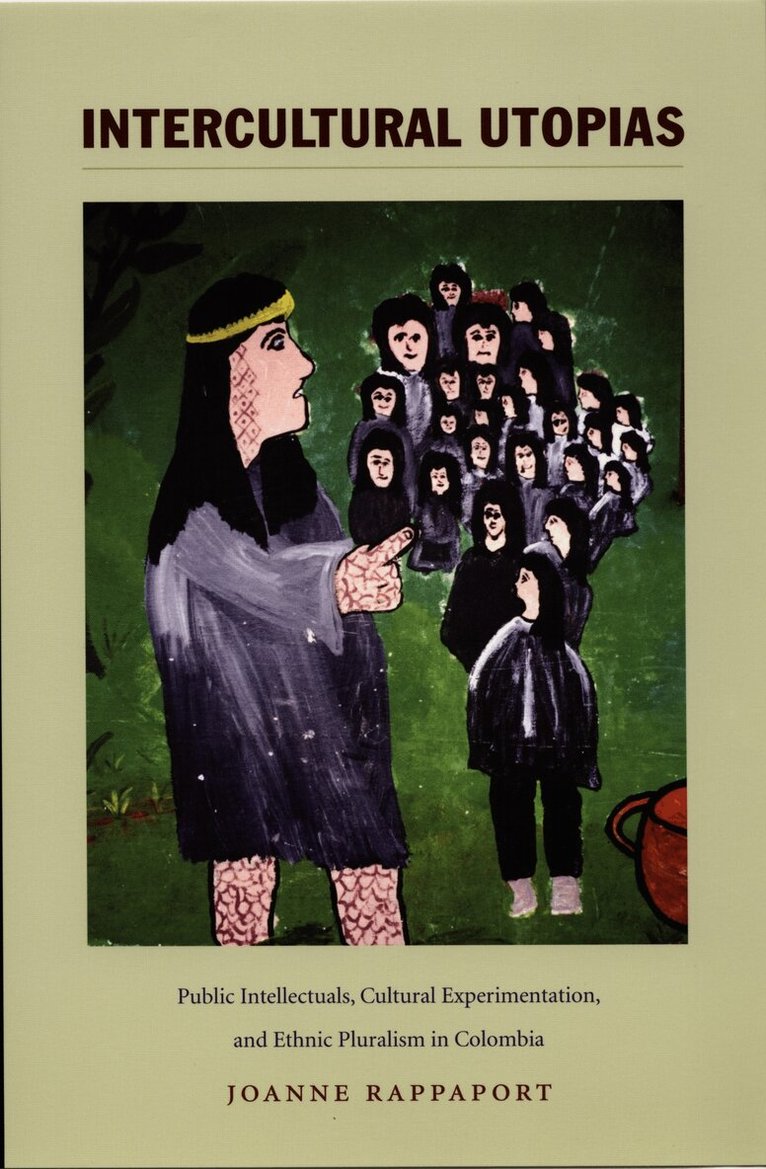
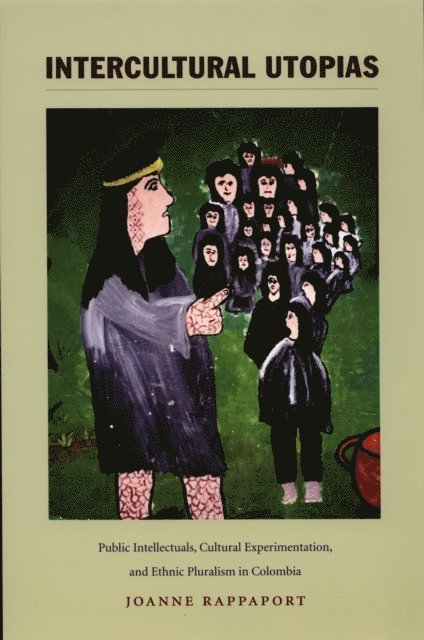
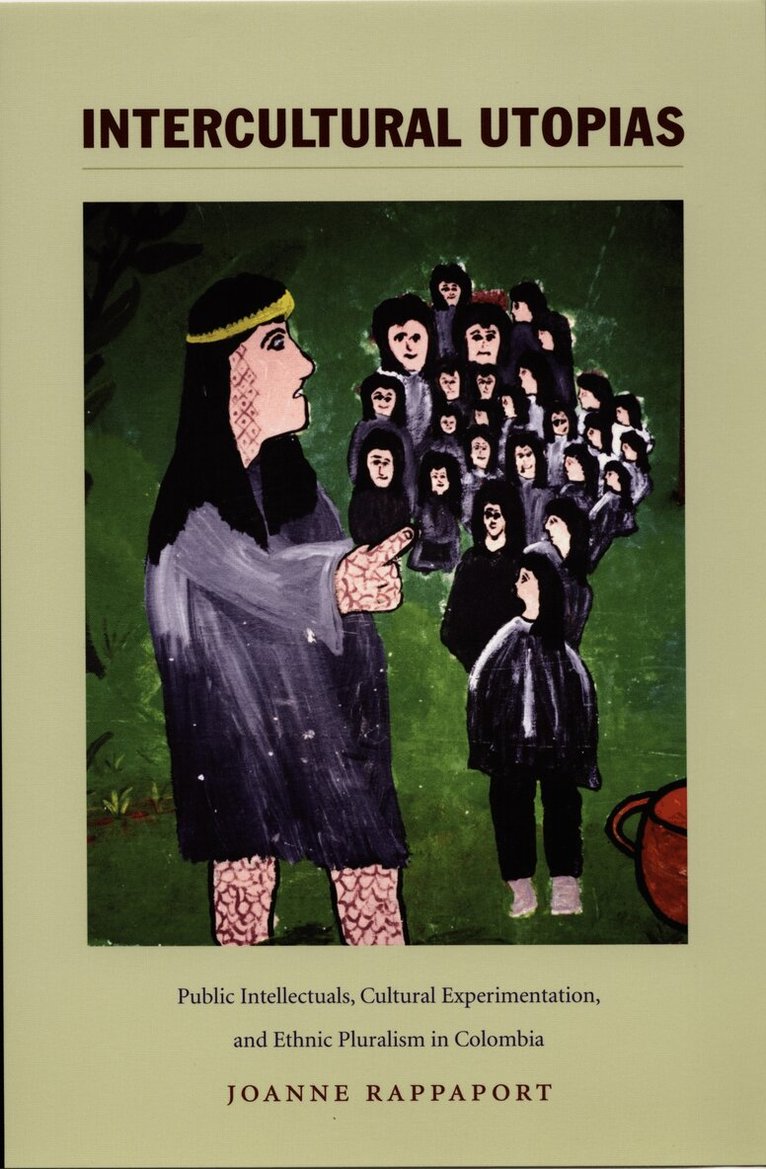
Intercultural Utopias
Public Intellectuals, Cultural Experimentation, and Ethnic Pluralism in Colombia
Häftad, 2005
440 kr
Lägg i varukorg
Although only 2 percent of Colombia’s population identifies as indigenous, that figure belies the significance of the country’s indigenous movement. More than a quarter of the Colombian national territory belongs to indigenous groups, and 80 percent of the country’s mineral resources are located in …
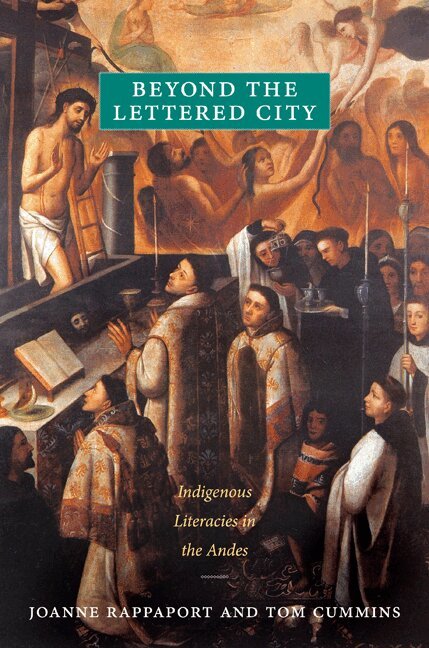
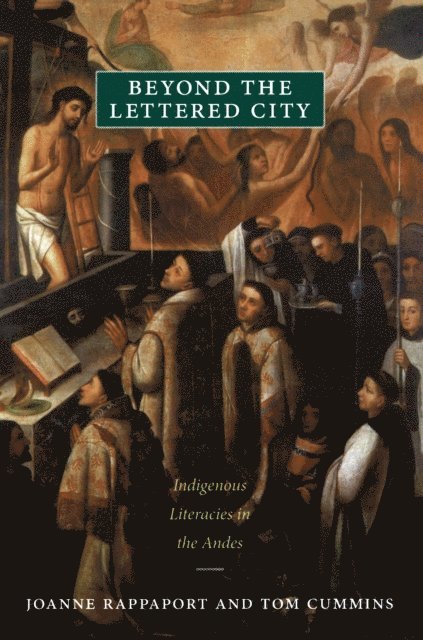
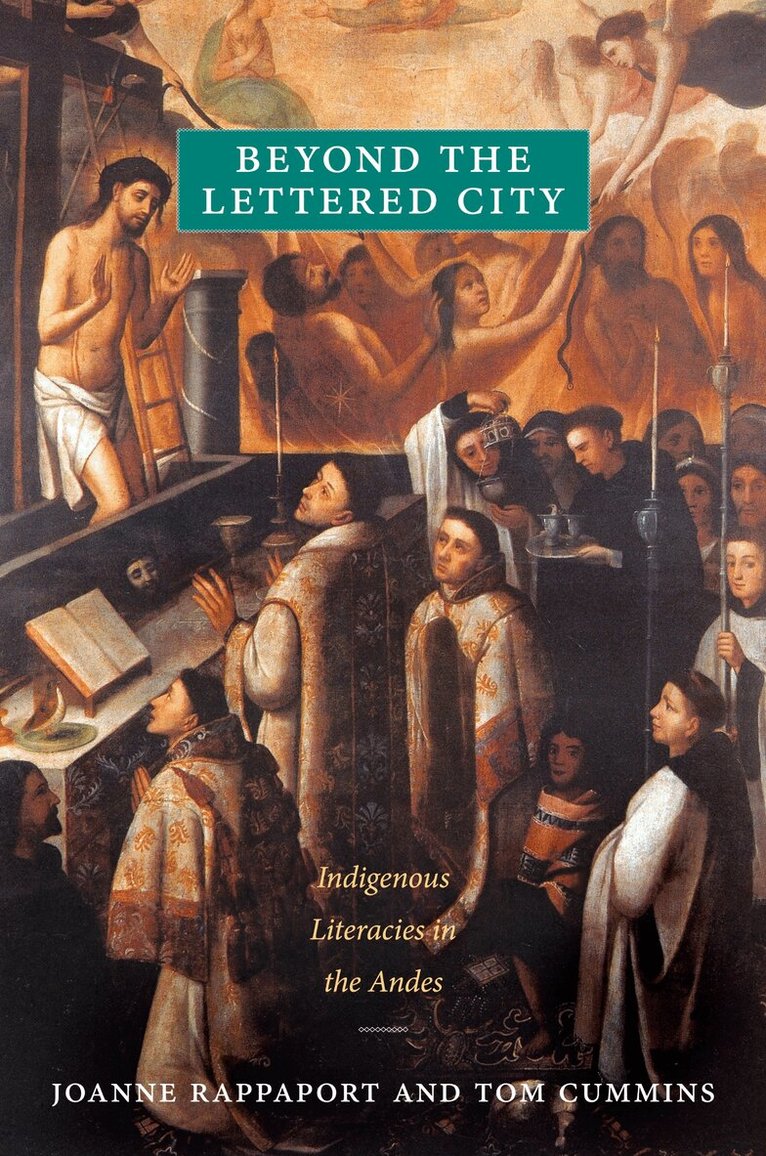
Beyond the Lettered City
Indigenous Literacies in the Andes
Av Joanne Rappaport, Tom Cummins
Häftad, 2011
495 kr
Lägg i varukorg
In Beyond the Lettered City, the anthropologist Joanne Rappaport and the art historian Tom Cummins examine the colonial imposition of alphabetic and visual literacy on indigenous groups in the northern Andes. They consider how the Andean peoples received, maintained, and subverted the conventions …
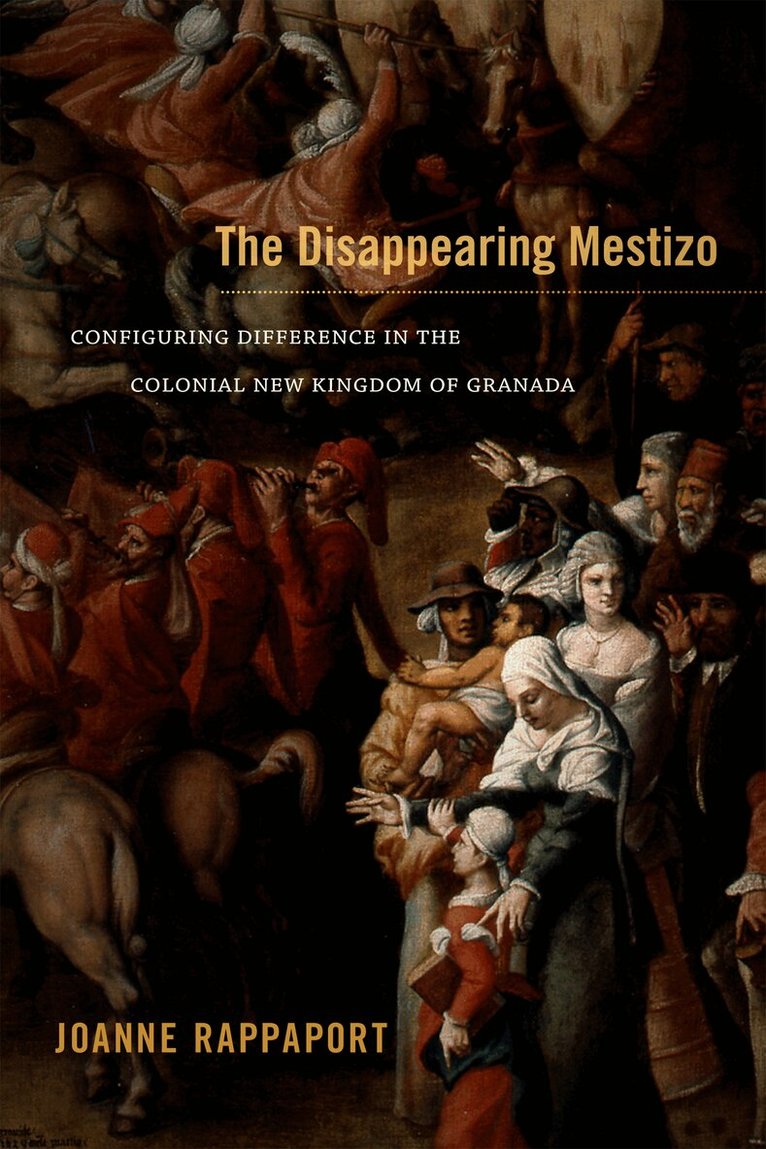
Disappearing Mestizo
Configuring Difference in the Colonial New Kingdom of Granada
Inbunden, 2014
1358 kr
Lägg i varukorg
Much of the scholarship on difference in colonial Spanish America has been based on the "racial" categorizations of indigeneity, Africanness, and the eighteenth-century Mexican castas system. Adopting an alternative approach to the question of difference, Joanne Rappaport examines what it meant to …
Disappearing Mestizo
Configuring Difference in the Colonial New Kingdom of Granada
Häftad, 2014
651 kr
Lägg i varukorg
Much of the scholarship on difference in colonial Spanish America has been based on the "racial" categorizations of indigeneity, Africanness, and the eighteenth-century Mexican castas system. Adopting an alternative approach to the question of difference, Joanne Rappaport examines what it meant to …
Disappearing Mestizo
Configuring Difference in the Colonial New Kingdom of Granada
E-bok, 2014
671 kr
Lägg i varukorg
Much of the scholarship on difference in colonial Spanish America has been based on the "racial" categorizations of indigeneity, Africanness, and the eighteenth-century Mexican castas system. Adopting an alternative approach to the question of difference, Joanne Rappaport examines what it meant to …
Intercultural Utopias
Public Intellectuals, Cultural Experimentation, and Ethnic Pluralism in Colombia
Av Joanne Rappaport, Sonia Saldivar-Hull
E-bok, 2005
671 kr
Lägg i varukorg
Although only 2 percent of Colombia’s population identifies as indigenous, that figure belies the significance of the country’s indigenous movement. More than a quarter of the Colombian national territory belongs to indigenous groups, and 80 percent of the country’s mineral resources are located in …
Beyond the Lettered City
Indigenous Literacies in the Andes
Av Tom Cummins, Joanne Rappaport
E-bok, 2011
509 kr
Lägg i varukorg
In Beyond the Lettered City , the anthropologist Joanne Rappaport and the art historian Tom Cummins examine the colonial imposition of alphabetic and visual literacy on indigenous groups in the northern Andes. They consider how the Andean peoples received, maintained, and subverted the conventions …
Politics of Memory
Native Historical Interpretation in the Colombian Andes
E-bok, 1998
587 kr
Lägg i varukorg
How does a culture in which writing is not a prominent feature create historical tradition? In The Politics of Memory , Joanne Rappaport answers this question by tracing the past three centuries of the intellectual history of the Nasa—a community in the Colombian Andes. Focusing on the Nasa …
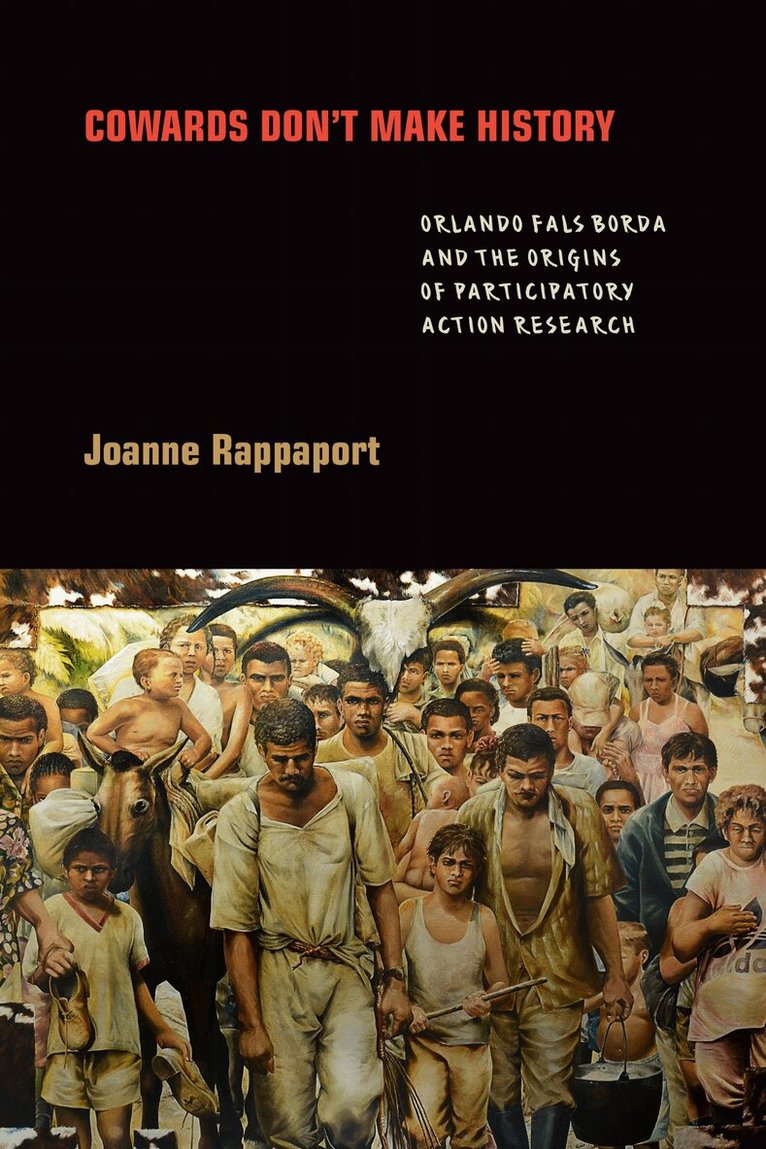
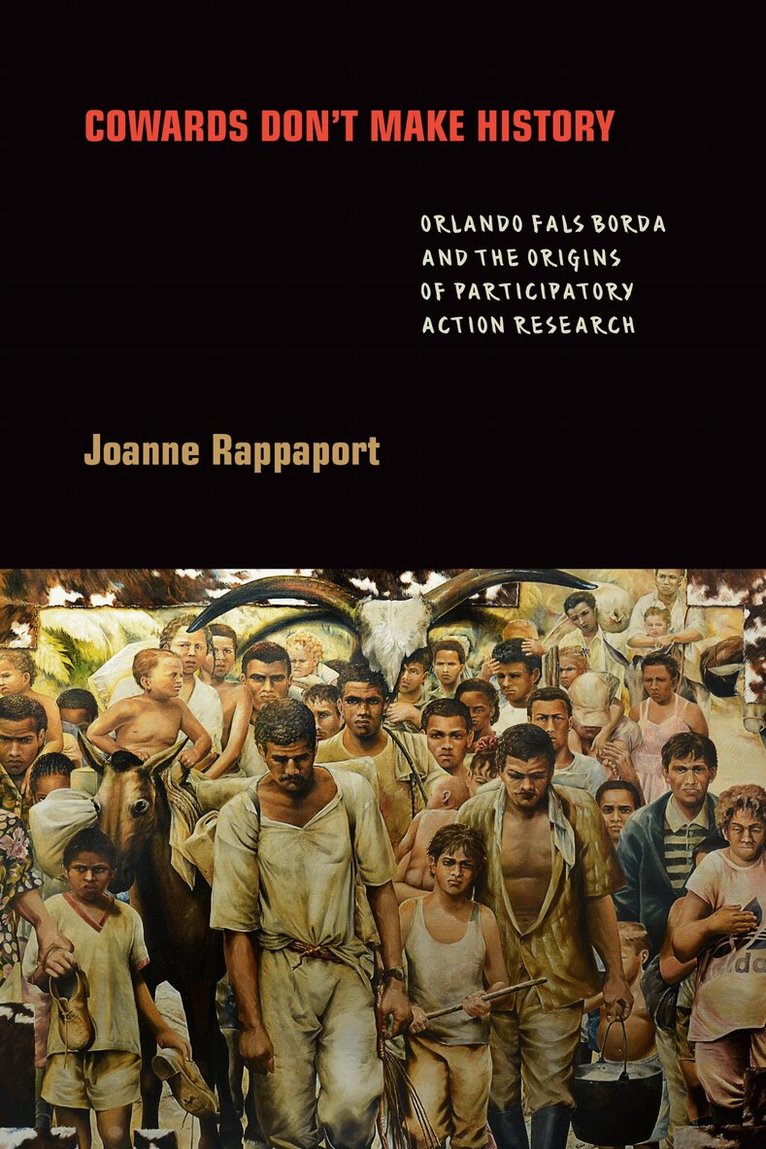
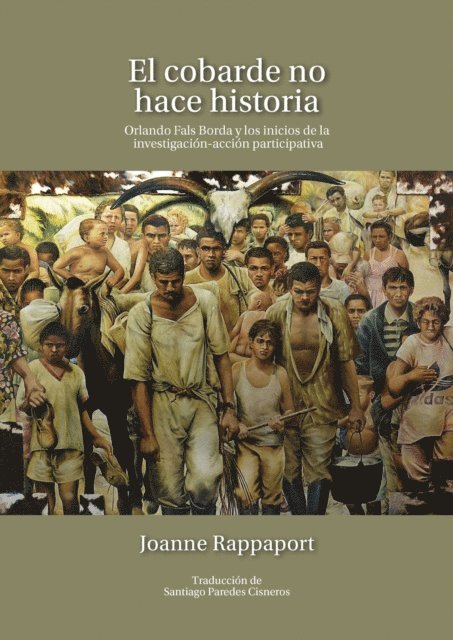
Cowards Don't Make History
Orlando Fals Borda and the Origins of Participatory Action Research
Inbunden, 2020
1243 kr
Lägg i varukorg
In the early 1970s, a group of Colombian intellectuals led by the pioneering sociologist Orlando Fals Borda created a research-activist collective called La Rosca de InvestigaciÓn y AcciÓn Social (Circle of Research and Social Action). Combining sociological and historical research with a firm …
Cowards Don't Make History
Orlando Fals Borda and the Origins of Participatory Action Research
Häftad, 2020
323 kr
Lägg i varukorg
In the early 1970s, a group of Colombian intellectuals led by the pioneering sociologist Orlando Fals Borda created a research-activist collective called La Rosca de InvestigaciÓn y AcciÓn Social (Circle of Research and Social Action). Combining sociological and historical research with a firm …
Cowards Don't Make History
Orlando Fals Borda and the Origins of Participatory Action Research
E-bok, 2020
472 kr
Lägg i varukorg
In the early 1970s, a group of Colombian intellectuals led by the pioneering sociologist Orlando Fals Borda created a research-activist collective called La Rosca de Investigación y Acción Social (Circle of Research and Social Action). Combining sociological and historical research with a firm …
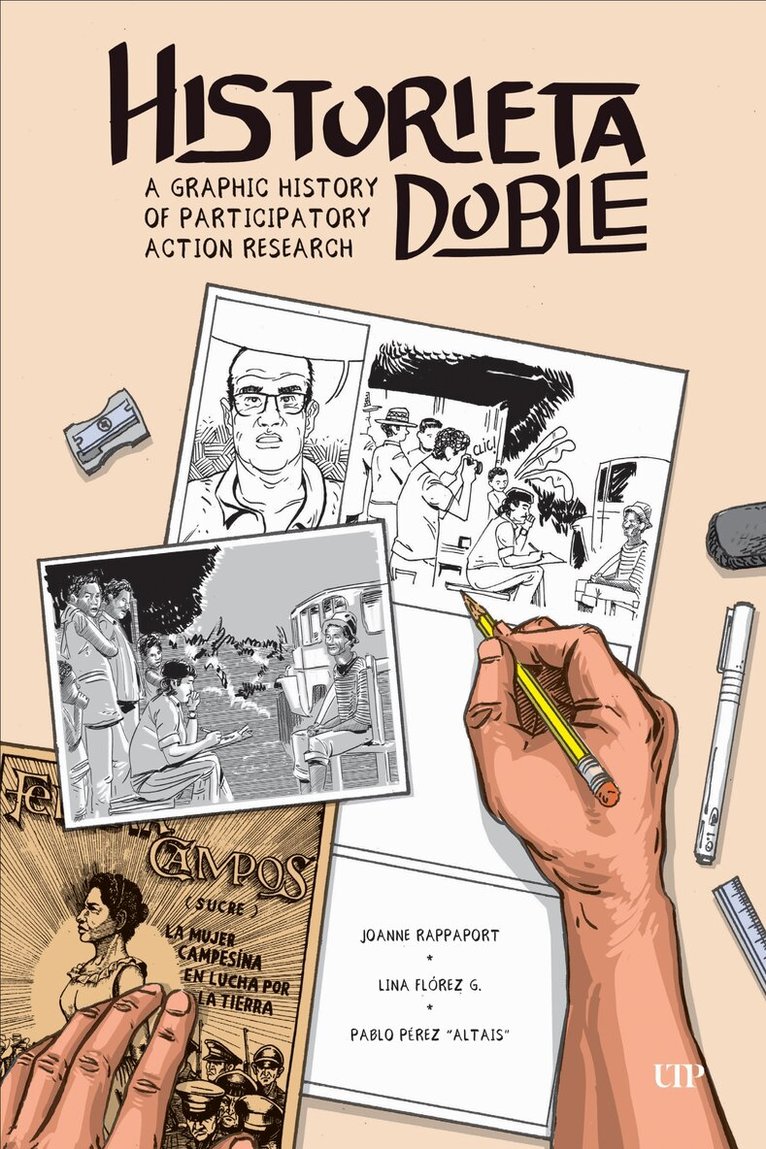
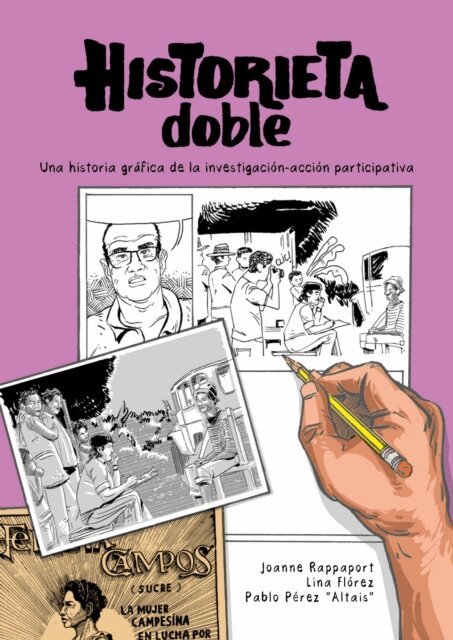
Historieta Doble
A Graphic History of Participatory Action Research
Av Joanne Rappaport, Lina Flórez G. m. fl.
Inbunden, 2025
726 kr
Lägg i varukorg
In the 1970s, new methods of social science research began to flower in Latin America, connecting academic researchers to grassroots social movements. One of these was participatory action research, a method now used by community organizers, educational activists, and social scientists around the …
Historieta Doble
A Graphic History of Participatory Action Research
Av Joanne Rappaport, Lina Flórez G. m. fl.
Häftad, 2024
298 kr
Lägg i varukorg
In the 1970s, new methods of social science research began to flower in Latin America, connecting academic researchers to grassroots social movements. One of these was participatory action research, a method now used by community organizers, educational activists, and social scientists around the …
Historieta doble
una historia gráfica de la investigación-acción participativa
Av Pablo Perez, Lina Florez m. fl.
E-bok, 2025
70 kr
Lägg i varukorg
"En la década de 1970, nuevos métodos de investigación en ciencias sociales comenzaron a florecer en América Latina, conectando a los investigadores académicos con los movimientos sociales de base. Uno de ellos fue la investigación-acción participativa, un método que ahora utilizan organizadores …
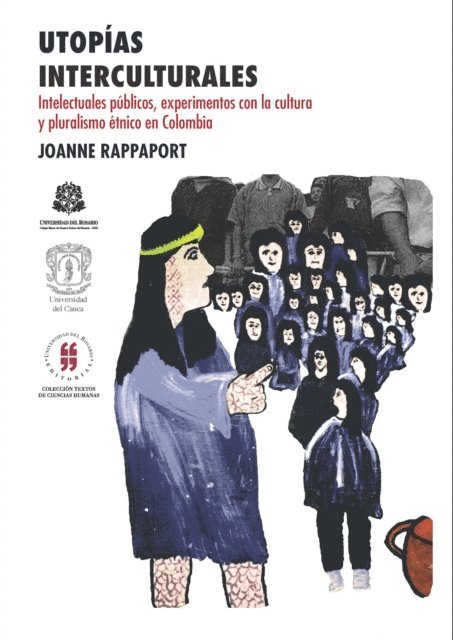
Utopías interculturales
Intelectuales públicos, experimentos con la cultura y pluralismo étnico en Colombia
E-bok, 2008
68 kr
Lägg i varukorg
Este libro estudia la región suroccidental del Cauca - Colombia, una zona que es cultural y lingüísticamente heterogénea, conocida por su historia de movilización indígena y el carácter pluralista de su política étnica. La autora entreteje las historias de vida de activistas individuales con un …
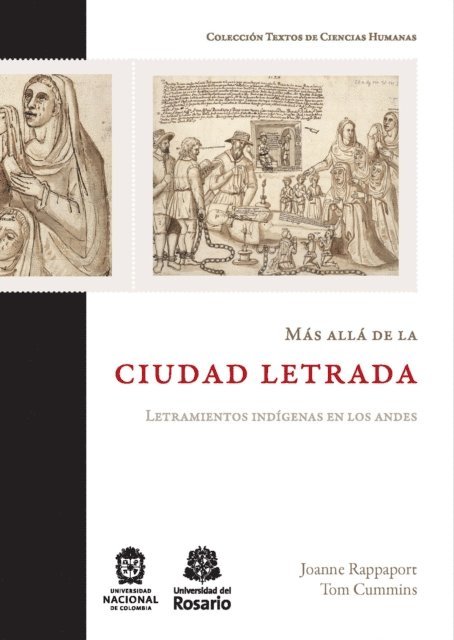
Más allá de la ciudad letrada
Letramientos indígenas en los Andes
Av Tom Cummins, Joanne Rappaport
E-bok, 2016
79 kr
Lägg i varukorg
"En este libro Joanne Rappaport y el historiador Tom Cummins estudian la imposición colonial del letramiento alfabético y visual a los grupos indígenas en los Andes septentrionales. Los autores analizan con profundidad cómo los pueblos andinos recibieron y mantuvieron las convenciones del …
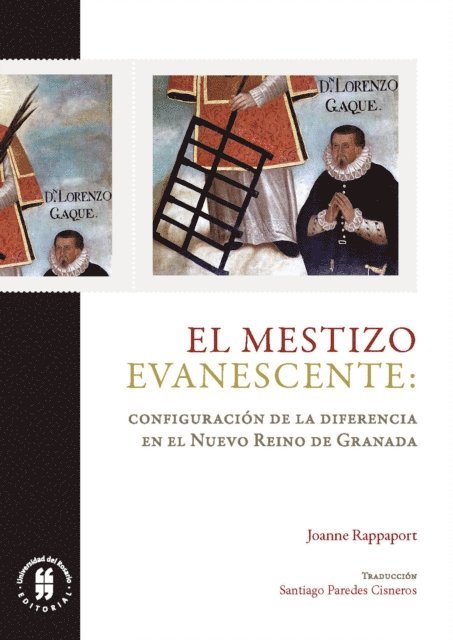
El mestizo evanescente
Configuración de la diferencia en el Nuevo Reino de Granada
E-bok, 2018
79 kr
Lägg i varukorg
Una gran parte de la investigación académica sobre las diferencias en la América colonial hispánica se ha centrado en la categorización "racial" de la indigeneidad, la africanidad y el sistema de castas mexicano del siglo xviii. Mediante un enfoque alternativo al tema de la diferencia, Joanne …
El cobarde no hace historia
Orlando Fals Borda y los inicios de la investigación-acción participativa
E-bok, 2021
113 kr
Lägg i varukorg
A comienzos de la década de 1970, un grupo de intelectuales colombianos liderados por el innovador sociólogo Orlando Fals Borda creó un colectivo dedicado a la investigación-activista, llamado La Rosca de Investigación y Acción Social. Mediante una combinación de sociología e investigación …
Intercultural Utopias
Public Intellectuals, Cultural Experimentation, and Ethnic Pluralism in Colombia
Inbunden, 2005
1793 kr
Tillfälligt slut
Although only 2 percent of Colombia’s population identifies as indigenous, that figure belies the significance of the country’s indigenous movement. More than a quarter of the Colombian national territory belongs to indigenous groups, and 80 percent of the country’s mineral resources are located in …
Beyond the Lettered City
Indigenous Literacies in the Andes
Av Joanne Rappaport, Tom Cummins
Inbunden, 2011
1402 kr
Tillfälligt slut
In Beyond the Lettered City, the anthropologist Joanne Rappaport and the art historian Tom Cummins examine the colonial imposition of alphabetic and visual literacy on indigenous groups in the northern Andes. They consider how the Andean peoples received, maintained, and subverted the conventions …