John O'Brian – författare
Visar alla böcker från författaren John O'Brian. Handla med fri frakt och snabb leverans.
17 produkter
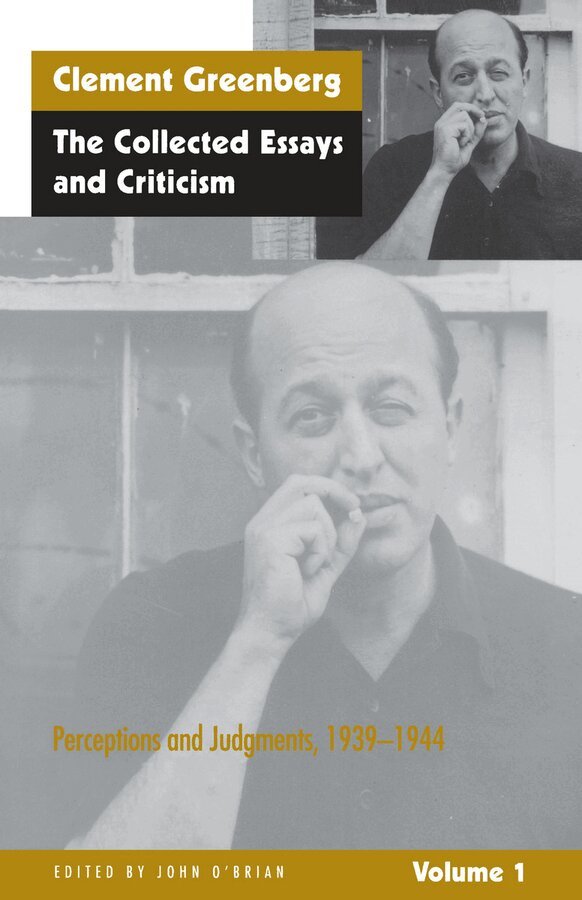
Collected Essays and Criticism, Volume 1
Perceptions and Judgments, 1939-1944
Av Clement Greenberg, John O'Brian
Häftad, 1988
344 kr
Lägg i varukorg
Clement Greenberg is widely recognized as the most influential and articulate champion of modernism during its American ascendency after World War II, the period largely covered by these highly acclaimed volumes of "The Collected Essays and Criticism". "Volume 3: Affirmations and Refusals" presents …
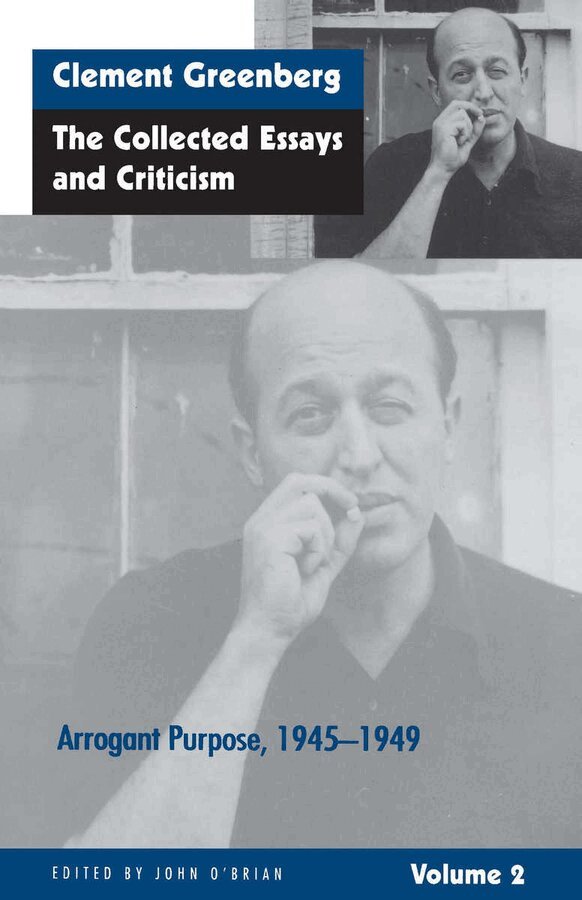
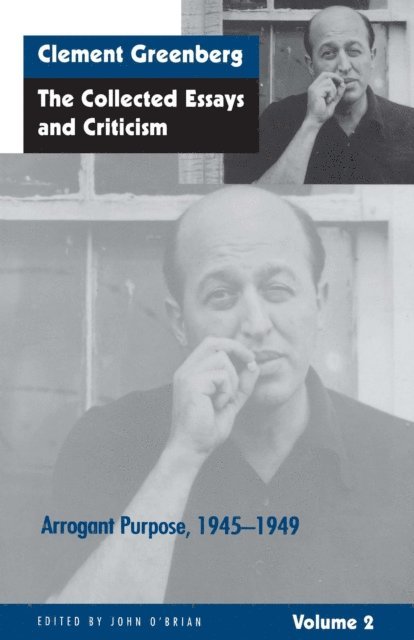
Collected Essays and Criticism, Volume 2
Arrogant Purpose, 1945-1949
Av Clement Greenberg, John O'Brian
Häftad, 1988
423 kr
Lägg i varukorg
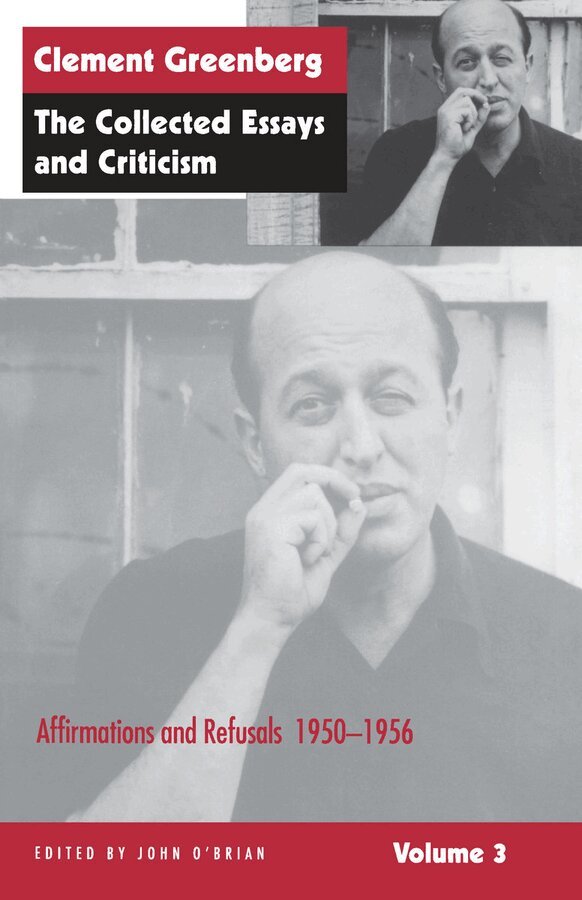
Collected Essays and Criticism, Volume 3
Affirmations and Refusals, 1950-1956
Av Clement Greenberg, John O'Brian
Häftad, 1995
379 kr
Lägg i varukorg
Clement Greenberg is widely recognized as the most influential and articulate champion of modernism during its American ascendency after World War II, the period largely covered by these highly acclaimed volumes of _The Collected Essays and Criticism_. _Volume 3: Affirmations and Refusals_ presents …
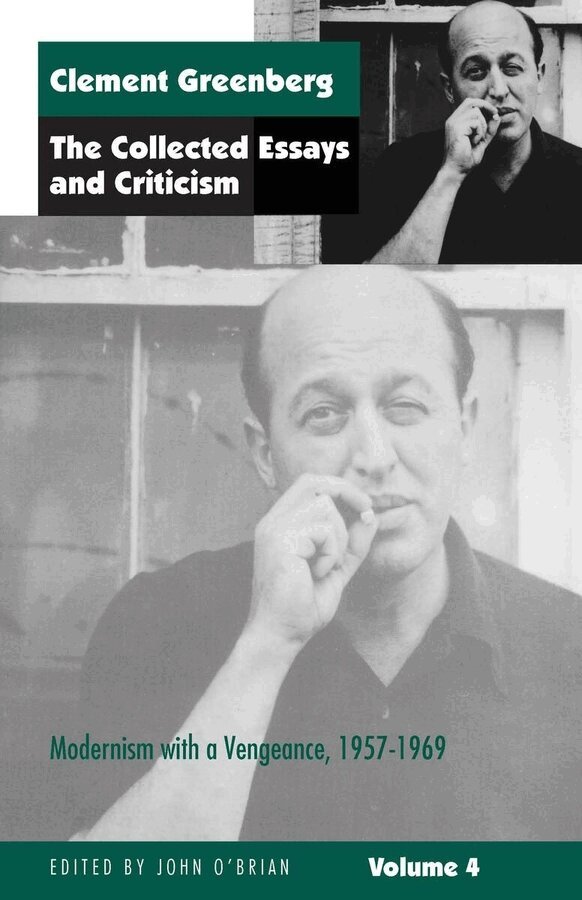
Collected Essays and Criticism, Volume 4
Modernism with a Vengeance, 1957-1969
Av Clement Greenberg, John O'Brian
Häftad, 1995
423 kr
Lägg i varukorg
Clement Greenberg is widely recognized as the most influential and articulate champion of modernism during its American ascendency after World War II, the period largely covered by these highly acclaimed volumes of _The Collected Essays and Criticism_. _Volume 3: Affirmations and Refusals_ presents …
Collected Essays and Criticism, Volume 2
Arrogant Purpose, 1945-1949
Av Clement Greenberg, John O'Brian
E-bok, 2008
820 kr
Lägg i varukorg
Clement Greenberg (1909–1994), champion of abstract expressionism and modernism—of Pollock, Miró, and Matisse—has been esteemed by many as the greatest art critic of the second half of the twentieth century, and possibly the greatest art critic of all time. On radio and in print, Greenberg was the …
Through Post-Atomic Eyes
Av Claudette Lauzon, John O'Brian
Inbunden, 2020
641 kr
Lägg i varukorg
What does it mean to live in a post-atomic world? Photography and contemporary art offer a provocative lens through which to comprehend the by-products of the atomic age, from weapons proliferation, nuclear disaster, and aerial surveillance to toxic waste disposal and climate change. Confronting …
Through Post-Atomic Eyes
Av John O'Brian, Claudette Lauzon
E-bok, 2022
514 kr
Lägg i varukorg
What does it mean to live in a post-atomic world? Photography and contemporary art offer a provocative lens through which to comprehend the by-products of the atomic age, from weapons proliferation, nuclear disaster, and aerial surveillance to toxic waste disposal and climate change. Confronting …
Beyond Wilderness
The Group of Seven, Canadian Identity, and Contemporary Art
E-bok, 2017
647 kr
Lägg i varukorg
"The great purpose of landscape art is to make us at home in our own country" was the nationalist maxim motivating the Group of Seven''s artistic project. The empty landscape paintings of the Group played a significant role in the nationalization of nature in Canada, particularly in the development …
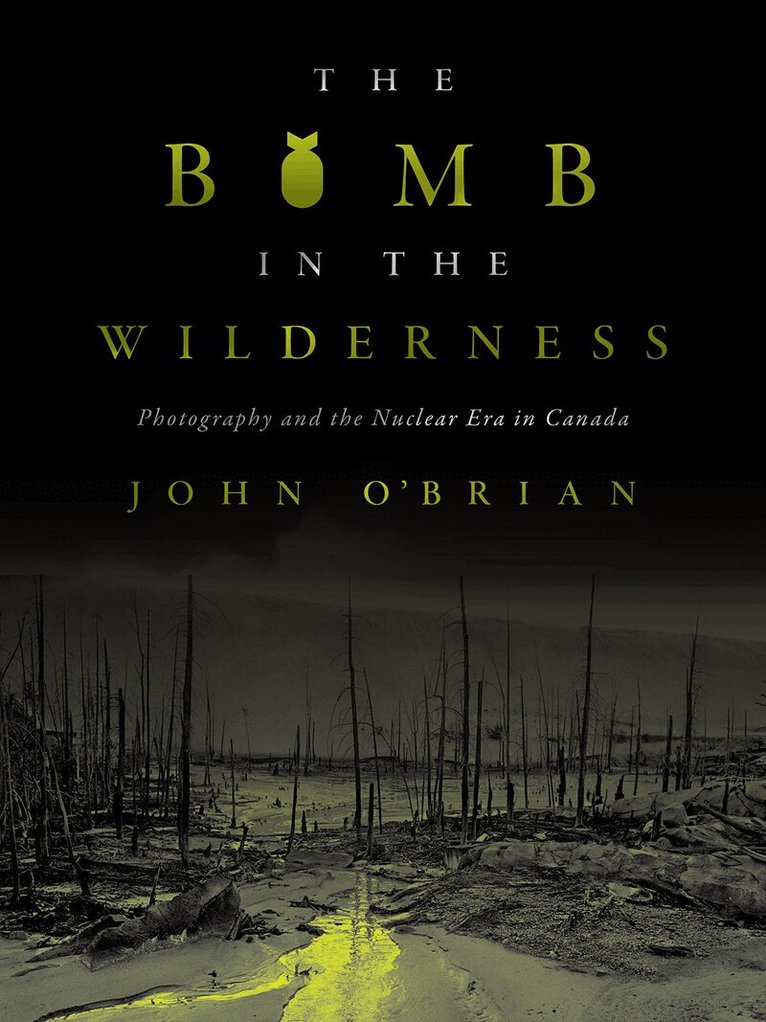
Bomb in the Wilderness
Photography and the Nuclear Era in Canada
Av John O'Brian
Häftad, 2020
367 kr
Lägg i varukorg
Photographs link the nuclear past and nuclear present, shaping the public's perception of events. What can they reveal about Canada's nuclear footprint?The Bomb in the Wilderness contends that photography is central to how we have represented, interpreted, and remembered nuclear activities since …
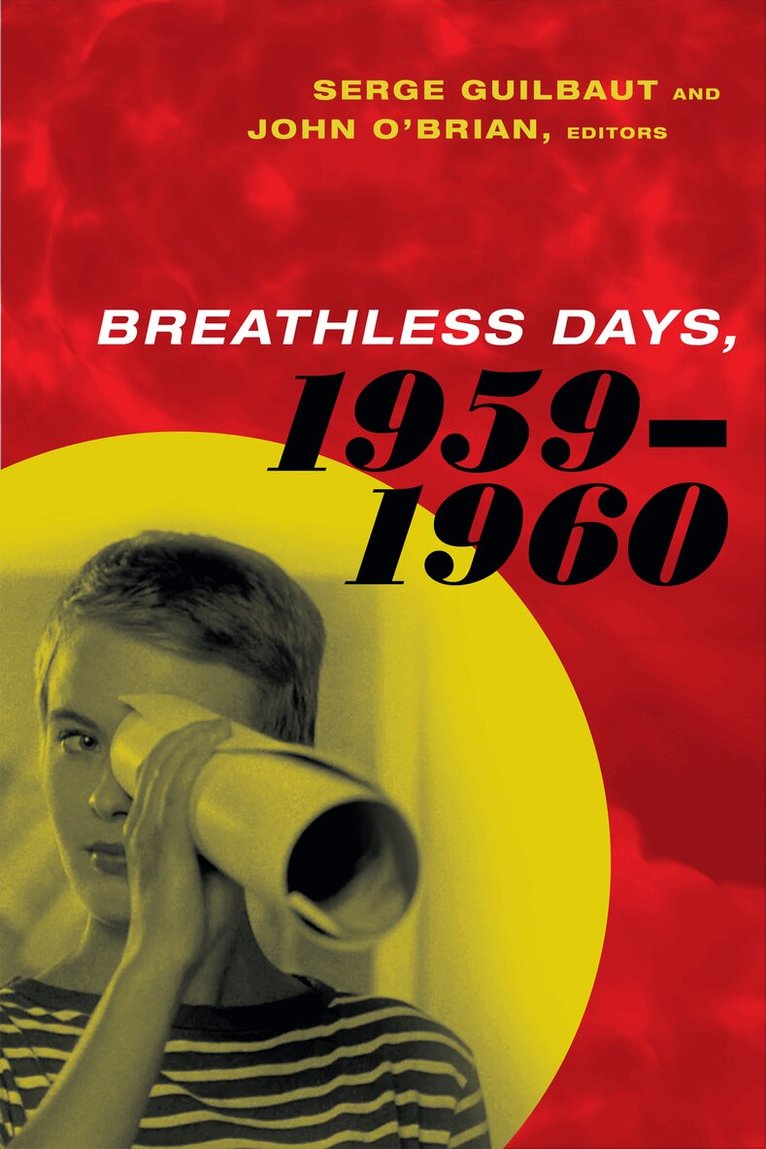
Breathless Days, 1959-1960
Av Serge Guilbaut, John O'Brian
Inbunden, 2017
1218 kr
Lägg i varukorg
Taking 1959–1960 as a pivotal cultural and political moment, the contributors to Breathless Days reframe postwar Western art history, examining the aesthetic and ideological alliances and tensions in art throughout Western Europe and the Americas. The collection provides a heterogeneous account of …
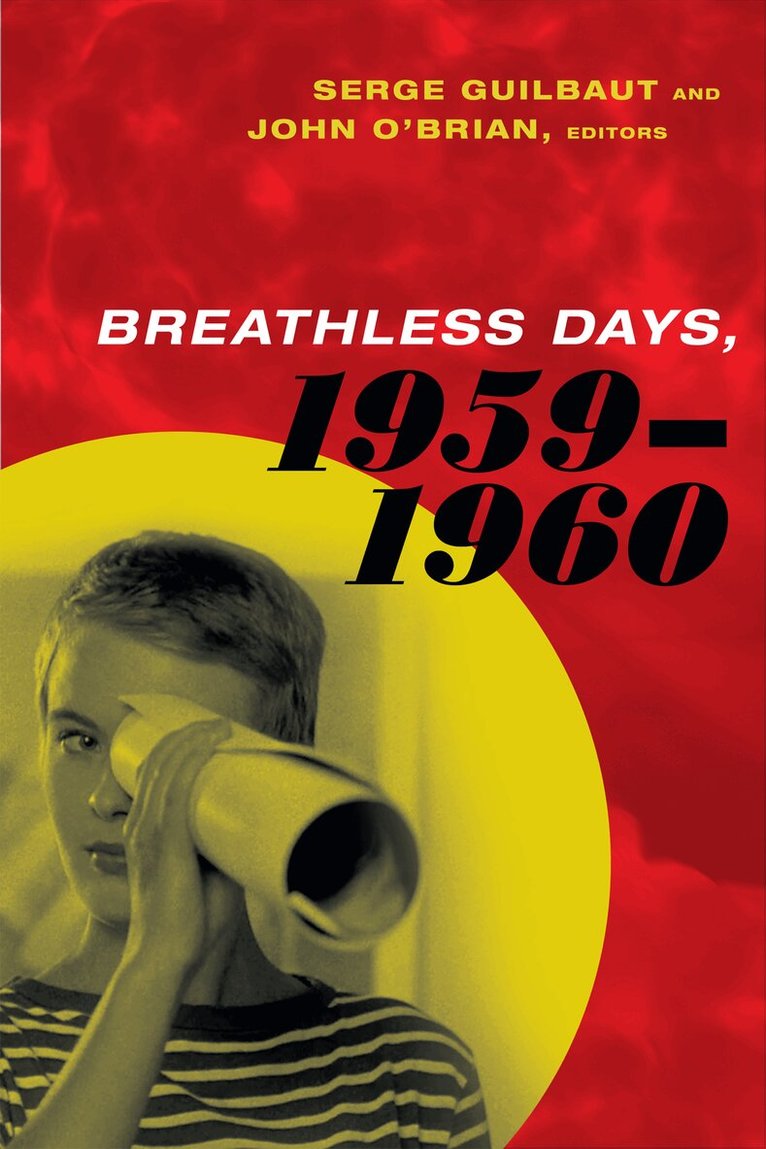
Breathless Days, 1959-1960
Av Serge Guilbaut, John O'Brian
Häftad, 2017
324 kr
Lägg i varukorg
Taking 1959–1960 as a pivotal cultural and political moment, the contributors to Breathless Days reframe postwar Western art history, examining the aesthetic and ideological alliances and tensions in art throughout Western Europe and the Americas. The collection provides a heterogeneous account of …
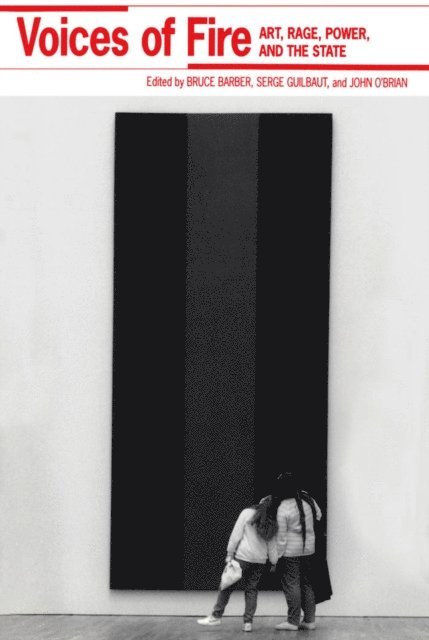
Voices of Fire
Art, Rage, Power, and the State
Av Bruce Barber, Serge Guilbaut m. fl.
E-bok, 1996
638 kr
Lägg i varukorg
On 7 March 1990 the National Gallery of Canada issued a press release announcing its purchase of a large abstract painting by the American artist Barnett Newman for $1.8 million. Within 72 hours the gallery was under attack both for its selection of Voice of Fire and for the price tag attached to …
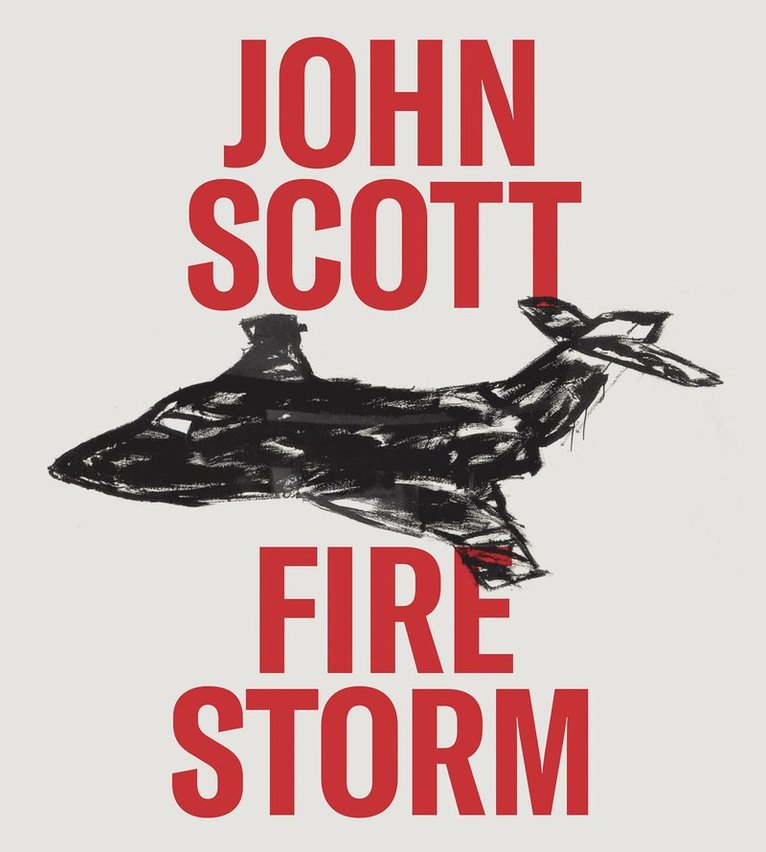
John Scott
Firestorm
Inbunden, 2025
376 kr
Lägg i varukorg
Raw, personal and political, John Scott: Firestorm presents an artist's searing critique of modernity’s capacity for industrial warfare and the machines that enable it.John Scott (1949–2022) produced paintings, drawings, and sculptures of what he called "engines of history," the hyper-masculine …
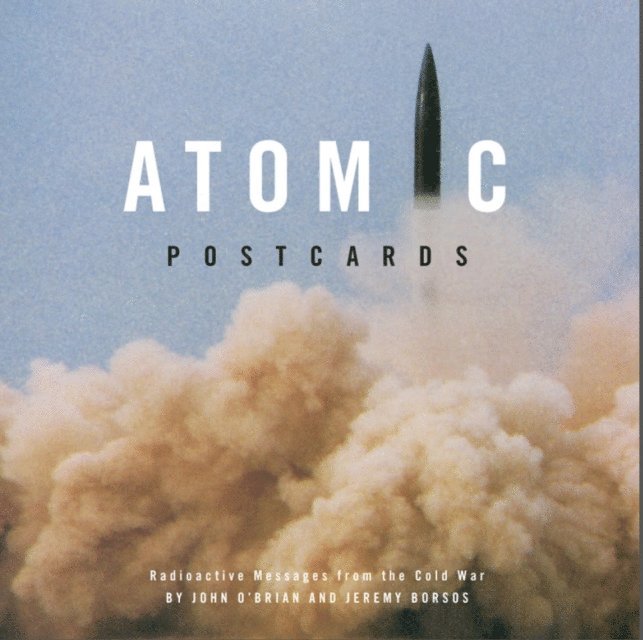
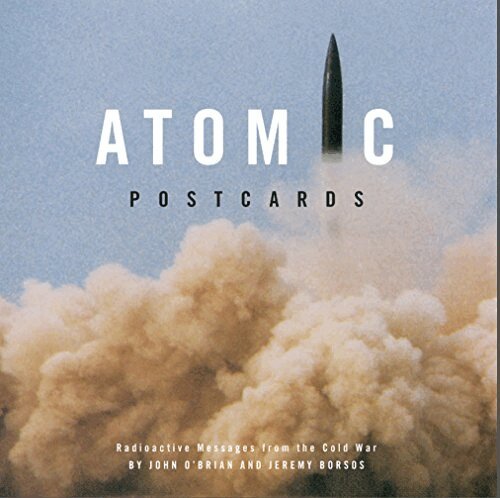
Atomic Postcards
Radioactive Messages from the Cold War
Av Jeremy Borsos, John O'Brian
E-bok, 2011
678 kr
Lägg i varukorg
Atomic postcards played an important role in creating and disseminating a public image of nuclear power. Presenting small-scale images of test explosions, power plants, fallout shelters, and long-range missiles, the cards were produced for mass audiences in China, the United States, the Soviet …
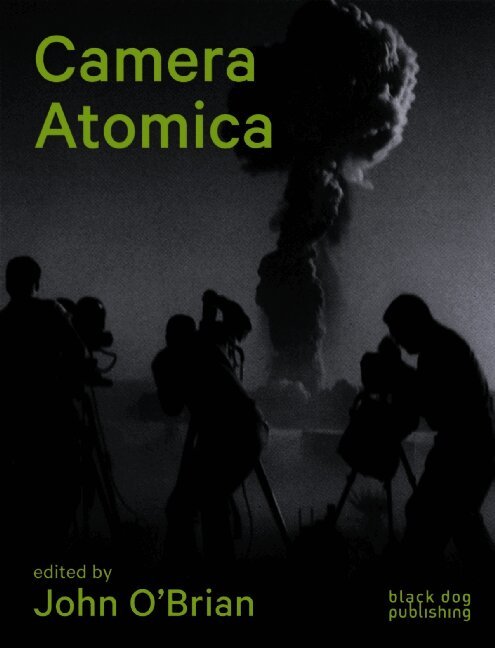
Camera Atomica
Photographing the Nuclear World
Av John O'Brian
Häftad, 2015
347 kr
Lägg i varukorg
Photographs have a crucial place in the representation of the atomic age and its anxieties. Camera Atomica examines narratives beyond the 'technological sublime' that dominates much nuclear photography, suppressing representations of the human form in favor of representations of B-52 bombers and …
David Milne Watercolours
Av David Milne, Katherine A. Lochnan m. fl.
Inbunden, 2005
422 kr
Tillfälligt slut
David Milne (1882 - 1953) has long been recognized as one of the world's most innovative painters. Though major exhibitions have been devoted to his paintings and prints, his brilliant watercolours, arguably his most important works have never been revealed in depth. This lavishly illustrated book, …
Atomic Postcards
Radioactive Messages from the Cold War
Av John O’Brian, Jeremy Borsos
Häftad, 2011
510 kr
Tillfälligt slut
Atomic postcards played an important role in creating and disseminating a public image of nuclear power. Presenting small-scale images of test explosions, power plants, fallout shelters, and long-range missiles, the cards were produced for mass audiences in China, the United States, the Soviet …