Jonathan Grice – författare
365 kr
Läs direkt efter köp
Part of The New Art and Science of Teaching series
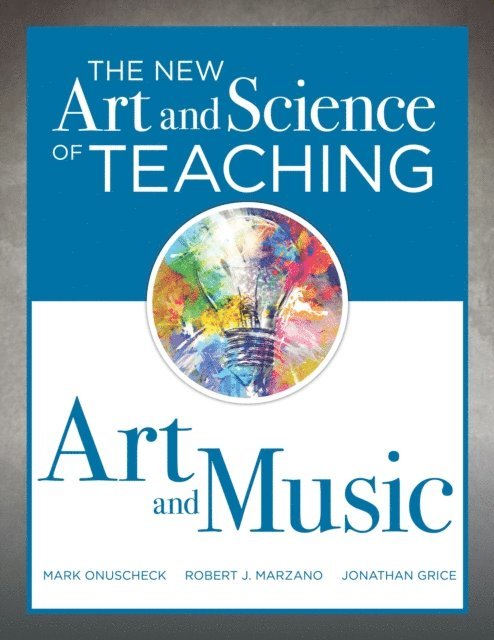
Ensure your art and music programs thrive with the support of The New Art and Science of Teaching Art and Music. Built on the foundation of Robert J. Marzano''s New Art and Science of Teaching framework, this research-based book for art and music teachers outlines music- and arts-based teaching strategies. Rely on the book''s myriad strategies to enhance your daily practice and promote the artistic expression, creative growth, and critical thinking skills of every student.
Use this art and music education book to establish effective teaching strategies that inspire creative and technical skills:
Explore a model for strengthening instructional strategies for art and music.Understand which elements of instruction are best suited to teaching art and music, and utilize the specific suggestions and techniques for implementing these elements.Receive time-tested strategies and ideas to improve teaching and learning in art and music classrooms.Examine teaching methods for increasing student engagement in art and music programs.Confront the unique challenges found in art and music education, and feel inspired to collaborate with other teachers to continuously improve fine or creative arts programs.A joint publication of ASCD and Solution Tree
Contents:IntroductionChapter 1: Providing and Communicating Clear Learning GoalsChapter 2: Using AssessmentsChapter 3: Conducting Direct Instruction LessonsChapter 4: Conducting Practicing and Deepening LessonsChapter 5: Conducting Knowledge Application LessonsChapter 6: Using Strategies That Appear in All Types of LessonsChapter 7: Using Engagement StrategiesChapter 8: Implementing Rules and ProceduresChapter 9: Building RelationshipsChapter 10: Communicating High ExpectationsChapter 11: Developing ExpertiseAfterwordAppendix A: New Art and Science of Teaching Framework OverviewAppendix B: Recommended ResourcesAppendix C: List of Figures and TablesReferences and Resources
Books in The New Art and Science of Teaching series:
The New Art and Science of TeachingThe Handbook for the New Art and Science of TeachingThe New Art and Science of Teaching ReadingThe New Art and Science of Teaching WritingThe New Art and Science of Classroom AssessmentThe New Art and Science of MathematicsThe New Art and Science of Art and Music434 kr
Läs direkt efter köp
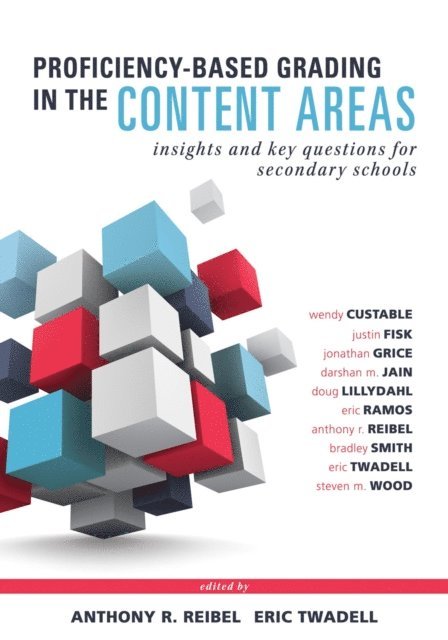
No matter the content area, evidence-based grading puts student growth at the heart of the classroom. Designed for teachers and administrators of grades 6-12, Proficiency-Based Grading in the Content Areas details a five-step approach for implementing evidence-based grading and maintaining its effectiveness over time. This book equips any educator -- from technical to fine arts -- with the tools and support to make this important shift.
Use proficiency-based grading (also known as evidence-based grading) to drive student success:
Become familiar with the basic concepts and essential decisions of evidence-based grading that apply to all content areas.Learn the five phases of implementing proficiency-based grading -- (1) preparation, (2) incubation, (3) insight, (4) evaluation, and (5) elaboration.Explore the steps, paradigm shifts, and pedagogy necessary to implement proficiency-based grading in a particular content area.Study individual-level and institutional-level grading decisions and how they differ from each other.Understand how proficiency-based grading differs from content area to content area and the unique benefits it offers to each.Contents:IntroductionChapter 1: Implementing Proficiency-Based Grading With Core Belief FidelityChapter 2: Implementing Evidence-Based Reporting in Career and Technical EducationChapter 3: Implementing Evidence-Based Grading in English Language ArtsChapter 4: Implementing Evidence-Based Grading in Fine ArtsChapter 5: Implementing Evidence-Based Grading in MathematicsChapter 6: Implementing Evidence-Based Grading in Physical Education and HealthChapter 7: Implementing Evidence-Based Grading in SciencesChapter 8: Implementing Evidence-Based Grading in Social SciencesChapter 9: Implementing Evidence-Based Grading in World LanguagesEpilogue: Creating Self-Reliant LearnersReferences and ResourcesIndex