José Medina – författare
Visar alla böcker från författaren José Medina. Handla med fri frakt och snabb leverans.
21 produkter
21 produkter
Inbunden, Engelska, 2020
1 376 kr
Skickas inom 7-10 vardagar
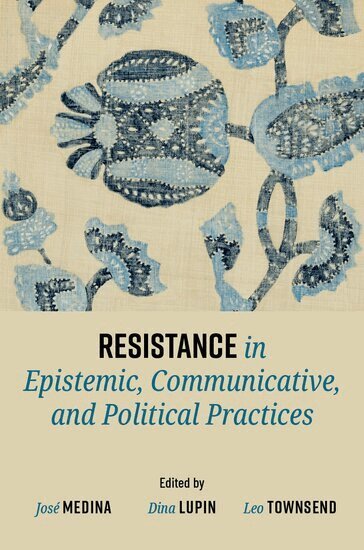
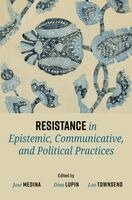
"A theory in the flesh means one where the physical realities of our lives all fuse to create a politic born of necessity," writes activist Cherríe L. Moraga. This volume of new essays stages an intergenerational dialogue among philosophers to introduce and deepen engagement with U.S Latinx and Latin American feminist philosophy, and to explore their "theories in the flesh." It explores specific intellectual contributions in various topics in U.S. Latinx and Latin American feminisms that stand alone and are unique and valuable; analyzes critical contributions that U.S. Latinx and Latin American interventions have made in feminist thought more generally over the last several decades; and shows the intellectual and transformative value of reading U.S Latinx and Latin American feminist theorizing.The collection features a series of essays analyzing decolonial approaches within U. S. Latinx and Latin American feminist philosophy, including studies of the functions of gender within feminist theory, everyday modes of resistance, and methodological questions regarding the scope and breadth of decolonization as a critical praxis. Additionally, essays examine theoretical contributions to feminist discussions of selfhood, narrativity, and genealogy, as well as novel epistemic and hermeneutical approaches within the field. A number of contributors in the book address themes of aesthetics and embodiment, including issues of visual representation, queer desire, and disability within U. S. Latinx and Latin American feminisms. Together, the essays in this volume are groundbreaking and powerful contributions in the fields of U.S Latinx and Latin American feminist philosophy.
Häftad, Engelska, 2020
410 kr
Skickas inom 5-8 vardagar
"A theory in the flesh means one where the physical realities of our lives all fuse to create a politic born of necessity," writes activist Cherríe L. Moraga. This volume of new essays stages an intergenerational dialogue among philosophers to introduce and deepen engagement with U.S Latinx and Latin American feminist philosophy, and to explore their "theories in the flesh." It explores specific intellectual contributions in various topics in U.S. Latinx and Latin American feminisms that stand alone and are unique and valuable; analyzes critical contributions that U.S. Latinx and Latin American interventions have made in feminist thought more generally over the last several decades; and shows the intellectual and transformative value of reading U.S Latinx and Latin American feminist theorizing.The collection features a series of essays analyzing decolonial approaches within U. S. Latinx and Latin American feminist philosophy, including studies of the functions of gender within feminist theory, everyday modes of resistance, and methodological questions regarding the scope and breadth of decolonization as a critical praxis. Additionally, essays examine theoretical contributions to feminist discussions of selfhood, narrativity, and genealogy, as well as novel epistemic and hermeneutical approaches within the field. A number of contributors in the book address themes of aesthetics and embodiment, including issues of visual representation, queer desire, and disability within U. S. Latinx and Latin American feminisms. Together, the essays in this volume are groundbreaking and powerful contributions in the fields of U.S Latinx and Latin American feminist philosophy.
Inbunden, Engelska, 2023
1 129 kr
Skickas inom 7-10 vardagar
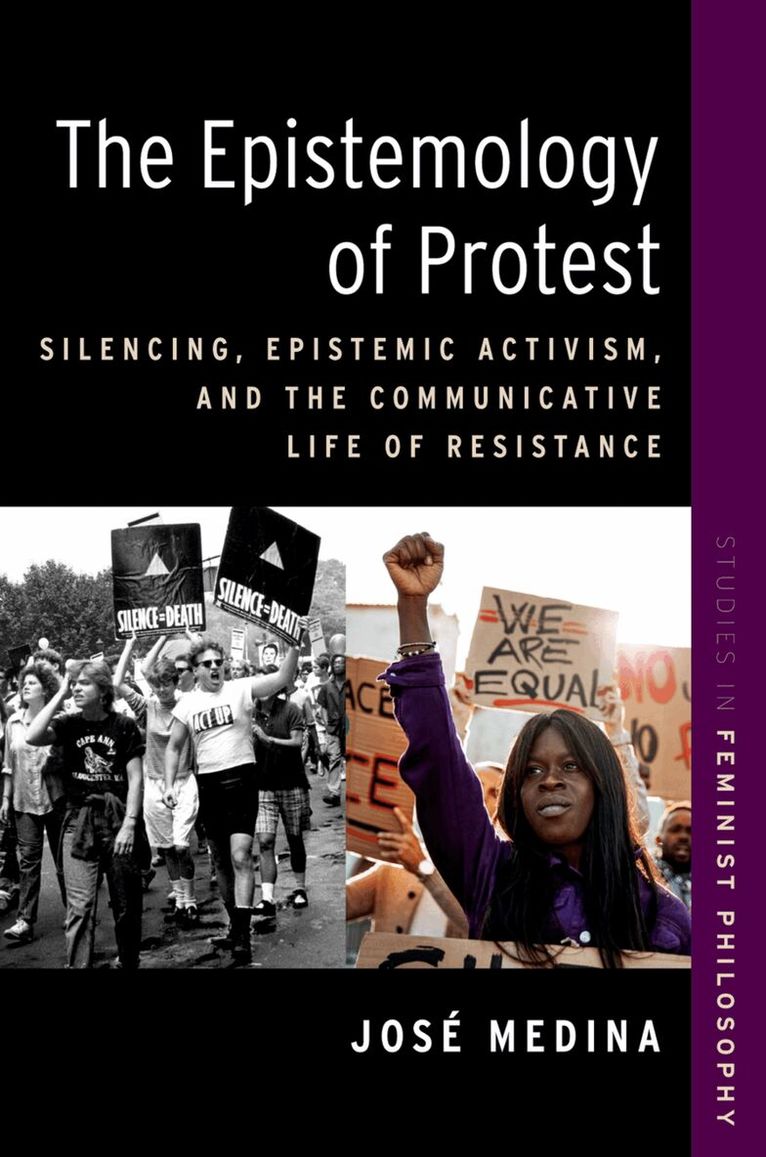
The Epistemology of Protest offers a polyphonic theory of protest as a mechanism for political communication, group constitution, and epistemic empowerment. The book analyzes the communicative power of protest to break social silences and disrupt insensitivity and complicity with injustice. Philosopher José Medina also elucidates the power of protest movements to transform social sensibilities and change the political imagination. Medina's theory of protest examines the obligations that citizens and institutions have to give proper uptake to protests and to communicatively engage with protesting publics in all their diversity, without excluding or marginalizing radical voices and perspectives. Throughout the book, Medina gives communicative and epistemic arguments for the value of imagining with protest movements and for taking seriously the radical political imagination exercised in social movements of liberation. Medina's theory sheds light on the different ways in which protest can be silenced and the different communicative and epistemic injustices that protest movements can face, arguing for forms of epistemic activism that resist silencing and communicative/epistemic injustices while empowering protesting voices. While arguing for democratic obligations to give proper uptake to protest, the book underscores how demanding listening to protesting voices can be under conditions of oppression and epistemic injustice. A central claim of the book is that responsible citizens have an obligation to echo (or express communicative solidarity with) the protests of oppressed groups that have been silenced and epistemically marginalized. Studying social uprisings, the book further argues that citizens have a duty to join protesting publics when grave injustices are in the public eye.
Häftad, Engelska, 2023
361 kr
Skickas inom 5-8 vardagar
The Epistemology of Protest offers a polyphonic theory of protest as a mechanism for political communication, group constitution, and epistemic empowerment. The book analyzes the communicative power of protest to break social silences and disrupt insensitivity and complicity with injustice. Philosopher José Medina also elucidates the power of protest movements to transform social sensibilities and change the political imagination. Medina's theory of protest examines the obligations that citizens and institutions have to give proper uptake to protests and to communicatively engage with protesting publics in all their diversity, without excluding or marginalizing radical voices and perspectives. Throughout the book, Medina gives communicative and epistemic arguments for the value of imagining with protest movements and for taking seriously the radical political imagination exercised in social movements of liberation. Medina's theory sheds light on the different ways in which protest can be silenced and the different communicative and epistemic injustices that protest movements can face, arguing for forms of epistemic activism that resist silencing and communicative/epistemic injustices while empowering protesting voices. While arguing for democratic obligations to give proper uptake to protest, the book underscores how demanding listening to protesting voices can be under conditions of oppression and epistemic injustice. A central claim of the book is that responsible citizens have an obligation to echo (or express communicative solidarity with) the protests of oppressed groups that have been silenced and epistemically marginalized. Studying social uprisings, the book further argues that citizens have a duty to join protesting publics when grave injustices are in the public eye.
Inbunden, Engelska, 2026
2 201 kr
Kommande
Häftad, Engelska, 2026
578 kr
Kommande
Inbunden, Engelska, 2012
1 904 kr
Skickas inom 5-8 vardagar
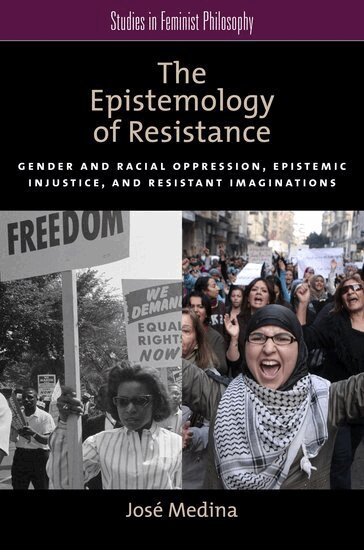
This book explores the epistemic side of oppression, focusing on racial and sexual oppression and their interconnections. It elucidates how social insensitivities and imposed silences prevent members of different groups from interacting epistemically in fruitful ways-from listening to each other, learning from each other, and mutually enriching each other's perspectives. Medina's epistemology of resistance offers a contextualist theory of our complicity with epistemic injustices and a social connection model of shared responsibility for improving epistemic conditions of participation in social practices. Through the articulation of a new interactionism and polyphonic contextualism, the book develops a sustained argument about the role of the imagination in mediating social perceptions and interactions. It concludes that only through the cultivation of practices of resistance can we develop a social imagination that can help us become sensitive to the suffering of excluded and stigmatized subjects. Drawing on Feminist Standpoint Theory and Critical Race Theory, this book makes contributions to social epistemology and to recent discussions of testimonial and hermeneutical injustice, epistemic responsibility, counter-performativity, and solidarity in the fight against racism and sexism.
Häftad, Engelska, 2012
511 kr
Skickas inom 5-8 vardagar
This book explores the epistemic side of oppression, focusing on racial and sexual oppression and their interconnections. It elucidates how social insensitivities and imposed silences prevent members of different groups from interacting epistemically in fruitful ways-from listening to each other, learning from each other, and mutually enriching each other's perspectives. Medina's epistemology of resistance offers a contextualist theory of our complicity with epistemic injustices and a social connection model of shared responsibility for improving epistemic conditions of participation in social practices. Through the articulation of a new interactionism and polyphonic contextualism, the book develops a sustained argument about the role of the imagination in mediating social perceptions and interactions. It concludes that only through the cultivation of practices of resistance can we develop a social imagination that can help us become sensitive to the suffering of excluded and stigmatized subjects. Drawing on Feminist Standpoint Theory and Critical Race Theory, this book makes contributions to social epistemology and to recent discussions of testimonial and hermeneutical injustice, epistemic responsibility, counter-performativity, and solidarity in the fight against racism and sexism.
Häftad, Engelska, 2019
722 kr
Skickas inom 10-15 vardagar
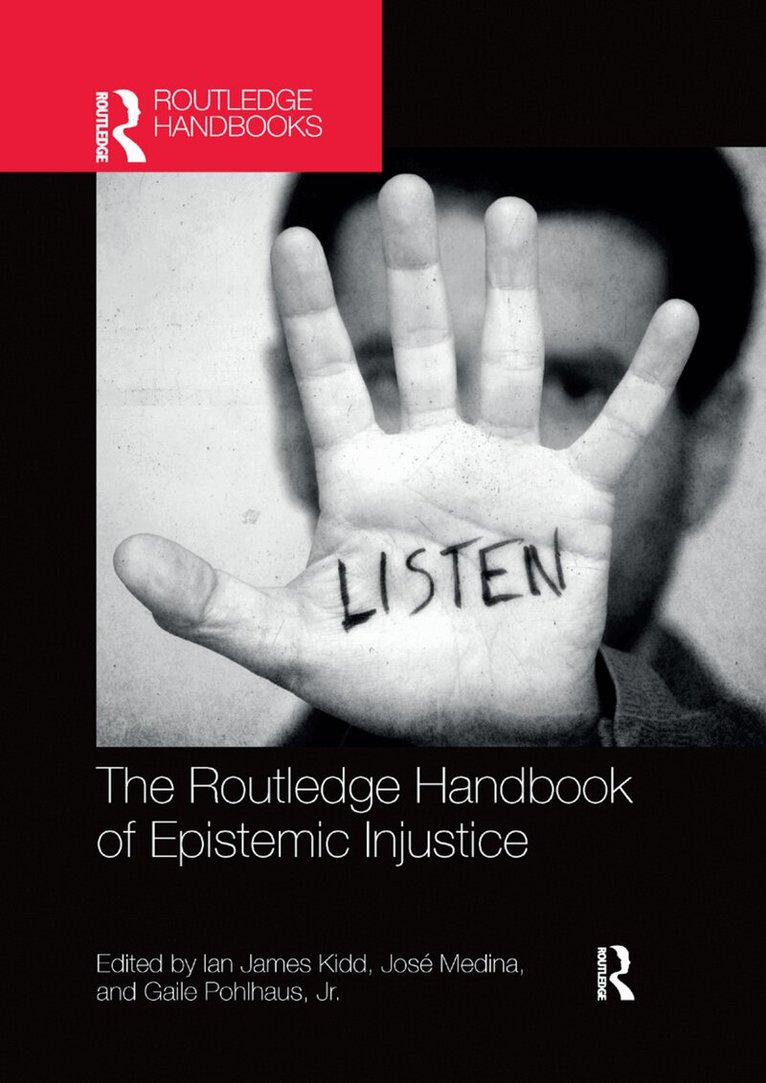
In the era of information and communication, issues of misinformation and miscommunication are more pressing than ever. Epistemic injustice - one of the most important and ground-breaking subjects to have emerged in philosophy in recent years - refers to those forms of unfair treatment that relate to issues of knowledge, understanding, and participation in communicative practices.The Routledge Handbook of Epistemic Injustice is an outstanding reference source to the key topics, problems and debates in this exciting subject. The first collection of its kind, it comprises over thirty chapters by a team of international contributors, divided into five parts: Core ConceptsLiberatory Epistemologies and Axes of OppressionSchools of Thought and Subfields within EpistemologySocio-political, Ethical, and Psychological Dimensions of KnowingCase Studies of Epistemic Injustice. As well as fundamental topics such as testimonial and hermeneutic injustice and epistemic trust, the Handbook includes chapters on important issues such as social and virtue epistemology, objectivity and objectification, implicit bias, and gender and race. Also included are chapters on areas in applied ethics and philosophy, such as law, education, and healthcare.The Routledge Handbook of Epistemic Injustice is essential reading for students and researchers in ethics, epistemology, political philosophy, feminist theory, and philosophy of race. It will also be very useful for those in related fields, such as cultural studies, sociology, education and law.
Häftad, Engelska, 2005
509 kr
Skickas inom 10-15 vardagar
An introduction to the philosophy of language for undergraduates Key Concepts in Philosophy is a series of concise, accessible and engaging introductions to the core ideas and subjects encountered in the study of philosophy. Specially written to meet the needs of students and those with an interest in, but little prior knowledge of, philosophy, these books open up fascinating, yet sometimes difficult ideas. The series builds to give a solid grounding in philosophy and each book is also ideal as a companion to further study. Inquiry into the nature and purpose of language has long been a central concern of Western philosophy, within both the analytic, Anglo-American tradition, and its Continental counterpart. Language: Key Concepts in Philosophy explains and explores the principal ideas, theories and debates in the philosophy of language, providing a clear and authoritative account of the discipline. The text covers the work on language of the major philosophers in both traditions, including Frege, Wittgenstein, Austin, Quine, Davidson, Heidegger, Gadamer, Derrida and Butler.The book equips readers with the requisite philosophical tools to get to grips with central concepts and key issues, and raises challenging questions students can then explore on their own. Coverage of each issue provides the reader with a full account of the state of the question and a thorough assessment of the arguments entailed in the available literature on that subject.
Inbunden, Engelska, 2017
3 376 kr
Skickas inom 10-15 vardagar
In the era of information and communication, issues of misinformation and miscommunication are more pressing than ever. Epistemic injustice - one of the most important and ground-breaking subjects to have emerged in philosophy in recent years - refers to those forms of unfair treatment that relate to issues of knowledge, understanding, and participation in communicative practices.The Routledge Handbook of Epistemic Injustice is an outstanding reference source to the key topics, problems and debates in this exciting subject. The first collection of its kind, it comprises over thirty chapters by a team of international contributors, divided into five parts: Core ConceptsLiberatory Epistemologies and Axes of OppressionSchools of Thought and Subfields within EpistemologySocio-political, Ethical, and Psychological Dimensions of KnowingCase Studies of Epistemic Injustice. As well as fundamental topics such as testimonial and hermeneutic injustice and epistemic trust, the Handbook includes chapters on important issues such as social and virtue epistemology, objectivity and objectification, implicit bias, and gender and race. Also included are chapters on areas in applied ethics and philosophy, such as law, education, and healthcare.The Routledge Handbook of Epistemic Injustice is essential reading for students and researchers in ethics, epistemology, political philosophy, feminist theory, and philosophy of race. It will also be very useful for those in related fields, such as cultural studies, sociology, education and law.
Inbunden, Engelska, 2004
1 462 kr
Skickas inom 11-20 vardagar
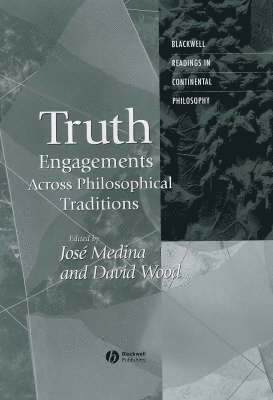
Setting the stage with a selection of readings from important nineteenth century philosophers, this reader on truth puts in conversation some of the main philosophical figures from the twentieth century in the analytic, continental, and pragmatist traditions. Focuses on the value or normativity of truth through exposing the dialogues between different schools of thoughtFeatures philosophical figures from the twentieth century in the analytic, continental, and pragmatist traditionsTopics addressed include the normative relation between truth and subjectivity, consensus, art, testimony, power, and critiqueIncludes essays by Kierkegaard, Nietzsche, James, Heidegger, Merleau-Ponty, Wittgenstein, Levinas, Arendt, Foucault, Rorty, Davidson, Habermas, Derrida, and many others
Häftad, Engelska, 2004
535 kr
Skickas inom 5-8 vardagar
Setting the stage with a selection of readings from important nineteenth century philosophers, this reader on truth puts in conversation some of the main philosophical figures from the twentieth century in the analytic, continental, and pragmatist traditions. Focuses on the value or normativity of truth through exposing the dialogues between different schools of thoughtFeatures philosophical figures from the twentieth century in the analytic, continental, and pragmatist traditionsTopics addressed include the normative relation between truth and subjectivity, consensus, art, testimony, power, and critiqueIncludes essays by Kierkegaard, Nietzsche, James, Heidegger, Merleau-Ponty, Wittgenstein, Levinas, Arendt, Foucault, Rorty, Davidson, Habermas, Derrida, and many others
Inbunden, Engelska, 2016
350 kr
Skickas inom 5-8 vardagar
Häftad, Engelska, 2016
192 kr
Skickas inom 5-8 vardagar
Inbunden, Engelska, 2023
167 kr
Skickas inom 5-8 vardagar
This study contends that resisting oppression requires participating in a community of resistance whose counter-practices abolish unjust social arrangements and engages in alternative world-making; prefiguring alternative futures and more just societies. The first section lays out an account of protest as a communicative mechanism for the creation of communities of resistance that makes it possible to break silences and overcome communicative and epistemic injustices that exist under conditions of oppression. Building on that account, section two elucidates the subversive potential of the counter-cultures and resistant imaginations developed by communities of resistance. In particular, that communal practices of resistance should be understood as prefiguration or the performative anticipation of social change. Connecting queer theory and queer activism with the neo-Marxist literature on prefiguration and counter-communities, the text conceptualizes resistance acts as performative mechanisms of prefigurative politics, showing how protest actions enable resistors to anticipate in their actions the social world that they want to bring about. Finally, drawing from women of color feminist scholarship, section three examines how resistant imaginations function in protest actions both (a) as a way of opposing injustices, and (b) as a way of transforming the world and transforming ourselves through alternative world-making (world-disclosure or prefiguration). Upon this view of prefigurative politics, resistant imaginations become embodied and alive in the subversive practices of communities of resistance that performatively prefigure the possibility of a world without injustice.
Häftad, Engelska, 2025
188 kr
Skickas inom 5-8 vardagar
Inbunden, Engelska, 2002
1 042 kr
Tillfälligt slut
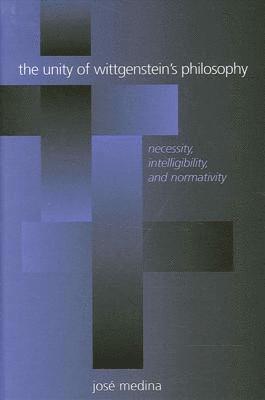
Explores the stable core of Wittgenstein's philosophy as developed from the Tractatus to the Philosophical Investigations.Exposing the myth of "the two Wittgensteins," this book provides a detailed account of the unity in Wittgenstein's thought from the Tractatus to the Philosophical Investigations. Unlike recent interpretations in the literature, this account is not the story of the unfolding of a single view, but instead the story of an ongoing conversation and its internal logic. Throughout his career, Wittgenstein argued that philosophical problems about the necessary and the impossible, on the one hand, and about the meaningful and the nonsensical, on the other, might be dissolved by means of an elucidation of ordinary language use. This approach always relied on the same strategy, namely contextualism. He identified decontextualization as the main source of philosophical confusion and argued that philosophical understanding consists of situating concepts in the normative contexts in which they function. This critical reconstruction contributes to the understanding of Wittgenstein's philosophy and illuminates contemporary debates concerning necessity, intelligibility, and the normativity of language.
Häftad, Engelska, 2002
377 kr
Tillfälligt slut
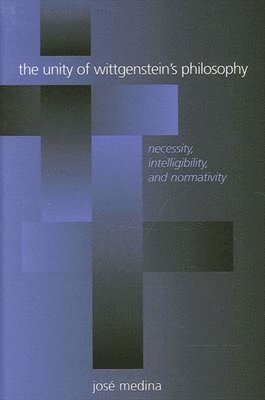
Explores the stable core of Wittgenstein's philosophy as developed from the Tractatus to the Philosophical Investigations.Exposing the myth of "the two Wittgensteins," this book provides a detailed account of the unity in Wittgenstein's thought from the Tractatus to the Philosophical Investigations. Unlike recent interpretations in the literature, this account is not the story of the unfolding of a single view, but instead the story of an ongoing conversation and its internal logic. Throughout his career, Wittgenstein argued that philosophical problems about the necessary and the impossible, on the one hand, and about the meaningful and the nonsensical, on the other, might be dissolved by means of an elucidation of ordinary language use. This approach always relied on the same strategy, namely contextualism. He identified decontextualization as the main source of philosophical confusion and argued that philosophical understanding consists of situating concepts in the normative contexts in which they function. This critical reconstruction contributes to the understanding of Wittgenstein's philosophy and illuminates contemporary debates concerning necessity, intelligibility, and the normativity of language.
Inbunden, Engelska, 2006
1 073 kr
Tillfälligt slut
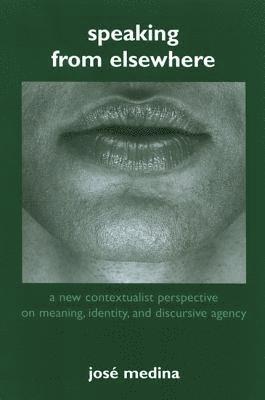
Develops a contextualist view of identity, agency, and discursive practices.In Speaking from Elsewhere, author JoseŒ Medina argues for the critical and transformative power of speech from marginalized locations by articulating a contextualist view of meaning, identity, and agency. This contextualism draws from different philosophical traditions (Wittgenstein, pragmatism, and feminist theory) and crosses disciplinary boundaries (philosophy, cultural studies, women's studies, and sociology) to underscore both the diversity of voices and viewpoints and the openness of discursive contexts and practices. Expressing a robust notion of discursive responsibility, Medina contends that, as speakers and members of linguistic communities, we cannot elude the obligation to open up discursive spaces for new voices and to facilitate new dialogues that break silences and empower marginalized voices.
Häftad, Engelska, 2007
388 kr
Tillfälligt slut
Develops a contextualist view of identity, agency, and discursive practices.In Speaking from Elsewhere, author JoseŒ Medina argues for the critical and transformative power of speech from marginalized locations by articulating a contextualist view of meaning, identity, and agency. This contextualism draws from different philosophical traditions (Wittgenstein, pragmatism, and feminist theory) and crosses disciplinary boundaries (philosophy, cultural studies, women's studies, and sociology) to underscore both the diversity of voices and viewpoints and the openness of discursive contexts and practices. Expressing a robust notion of discursive responsibility, Medina contends that, as speakers and members of linguistic communities, we cannot elude the obligation to open up discursive spaces for new voices and to facilitate new dialogues that break silences and empower marginalized voices.