Karel Vanhaesebrouck – författare
Visar alla böcker från författaren Karel Vanhaesebrouck. Handla med fri frakt och snabb leverans.
6 produkter
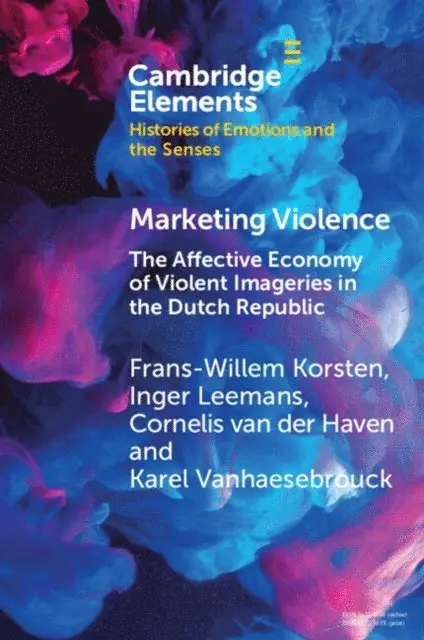
Marketing Violence
The Affective Economy of Violent Imageries in the Dutch Republic
Av Karel Vanhaesebrouck, Cornelis van der Haven m. fl.
E-bok, 2023
338 kr
Lägg i varukorg
Marketing Violence
The Affective Economy of Violent Imageries in the Dutch Republic
Av Karel Vanhaesebrouck, Cornelis van der Haven m. fl.
E-bok, 2023
338 kr
Lägg i varukorg
Marketing Violence
The Affective Economy of Violent Imageries in the Dutch Republic
Av Frans-Willem Korsten, Inger Leemans m. fl.
Häftad, 2023
418 kr
Lägg i varukorg
This Element describes the development of an affective economy of violence in the early modern Dutch Republic through the circulation of images. The Element outlines that while violence became more controlled in the course of the 17th century, with fewer public executions for instance, the realm of …
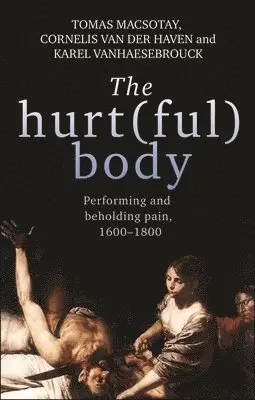
Hurt(Ful) Body
Performing and Beholding Pain, 1600–1800
Av Tomas Macsotay, Cornelis van der Haven m. fl.
Häftad, 2019
509 kr
Lägg i varukorg
This book offers a cross-disciplinary approach to pain and suffering in the early modern period, based on research in the fields of literary studies, art history, theatre studies, cultural history and the study of emotions. The volume’s two-fold approach to the hurt body, defining ‘hurt’ from the …
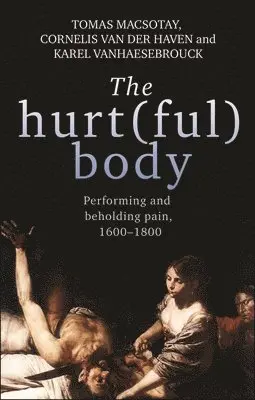
Hurt(Ful) Body
Performing and Beholding Pain, 1600–1800
Av Tomas Macsotay, Cornelis van der Haven m. fl.
Inbunden, 2017
1493 kr
Lägg i varukorg
This book offers a cross-disciplinary approach to pain and suffering in the early modern period, based on research in the fields of literary studies, art history, theatre studies, cultural history and the study of emotions. The volume’s two-fold approach to the hurt body, defining ‘hurt’ from the …
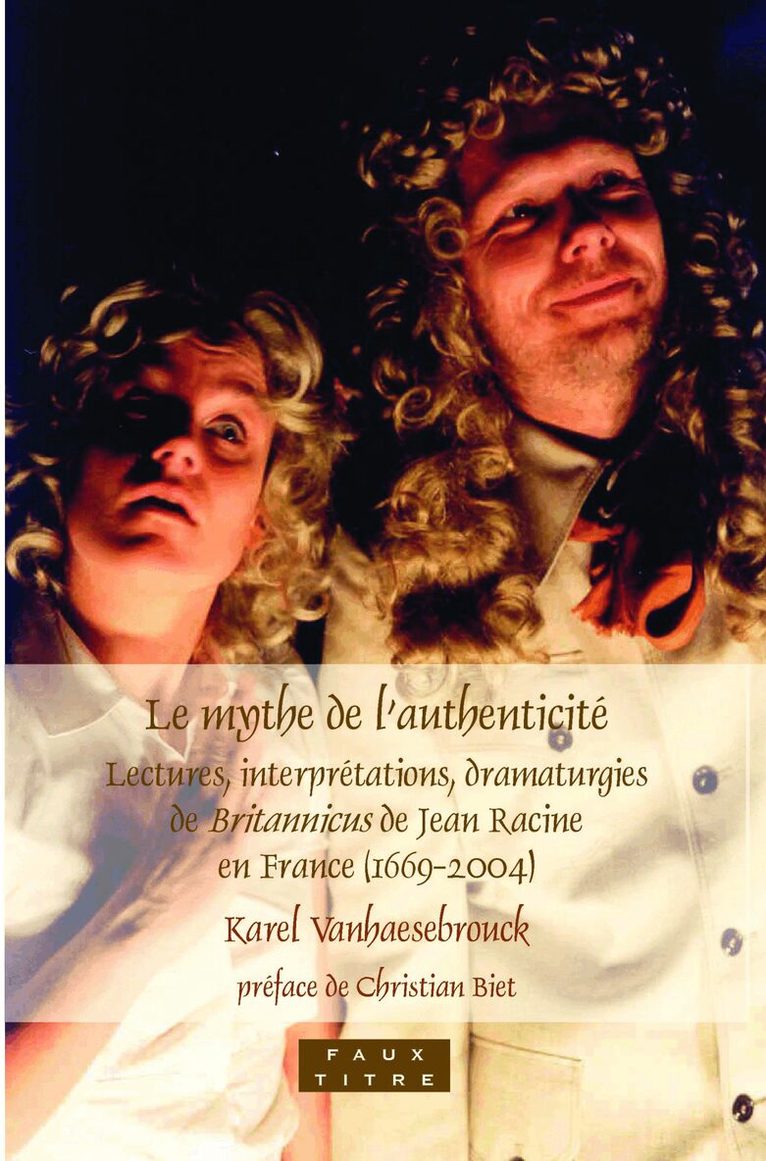
Le mythe de l’authenticité
Lectures, interprétations, dramaturgies de Britannicus de Jean Racine en France (1669-2004)
Häftad, 2009
2672 kr
Lägg i varukorg
À la base de cette étude se trouvent des questions très simples, mais tellement fondamentales qu’on oublie souvent de les poser. Pourquoi le théâtre français est-il tellement “français”, par exemple lorsqu’on met en scène un auteur comme Racine? Quelles constructions identitaires, quelles …