Tomas Macsotay - Böcker
Visar alla böcker från författaren Tomas Macsotay. Handla med fri frakt och snabb leverans.
5 produkter
5 produkter
708 kr
Skickas inom 10-15 vardagar
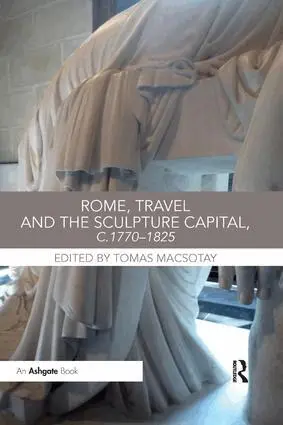
The world that shaped Europe's first national sculptor-celebrities, from Schadow to David d'Angers, from Flaxman to Gibson, from Canova to Thorvaldsen, was the city of Rome. Until around 1800, the Holy See effectively served as Europe's cultural capital, and Roman sculptors found themselves at the intersection of the Italian marble trade, Grand Tour expenditure, the cult of the classical male nude, and the Enlightenment republic of letters. Two sets of visitors to Rome, the David circle and the British traveler, have tended to dominate Rome's image as an open artistic hub, while the lively community of sculptors of mixed origins has not been awarded similar attention. Rome, Travel and the Sculpture Capital, c.1770–1825 is the first study to piece together the labyrinthine sculptors' world of Rome between 1770 and 1825. The volume sheds new light on the links connecting Neo-classicism, sculpture collecting, Enlightenment aesthetics, studio culture, and queer studies. The collection offers ideal introductory reading on sculpture and Rome around 1800, but its combination of provocative perspectives is sure to appeal to a readership interested in understanding a modernized Europe's overwhelmingly transnational desire for Neo-classical, Roman sculpture.
2 369 kr
Skickas inom 10-15 vardagar
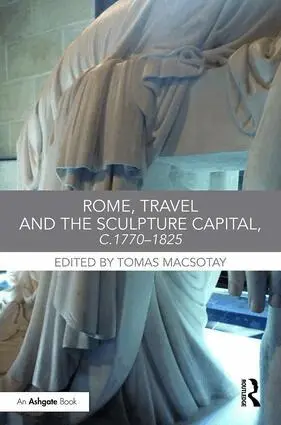
The world that shaped Europe's first national sculptor-celebrities, from Schadow to David d'Angers, from Flaxman to Gibson, from Canova to Thorvaldsen, was the city of Rome. Until around 1800, the Holy See effectively served as Europe's cultural capital, and Roman sculptors found themselves at the intersection of the Italian marble trade, Grand Tour expenditure, the cult of the classical male nude, and the Enlightenment republic of letters. Two sets of visitors to Rome, the David circle and the British traveler, have tended to dominate Rome's image as an open artistic hub, while the lively community of sculptors of mixed origins has not been awarded similar attention. Rome, Travel and the Sculpture Capital, c.1770–1825 is the first study to piece together the labyrinthine sculptors' world of Rome between 1770 and 1825. The volume sheds new light on the links connecting Neo-classicism, sculpture collecting, Enlightenment aesthetics, studio culture, and queer studies. The collection offers ideal introductory reading on sculpture and Rome around 1800, but its combination of provocative perspectives is sure to appeal to a readership interested in understanding a modernized Europe's overwhelmingly transnational desire for Neo-classical, Roman sculpture.
434 kr
Skickas inom 5-8 vardagar
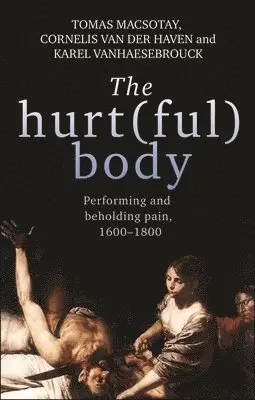
This book offers a cross-disciplinary approach to pain and suffering in the early modern period, based on research in the fields of literary studies, art history, theatre studies, cultural history and the study of emotions. The volume’s two-fold approach to the hurt body, defining ‘hurt’ from the perspectives of both victim and beholder - as well as their combined creation of a gaze - is unique. It establishes a double perspective about the riddle of ‘cruel’ viewing by tracking the shifting cultural meanings of victims’ bodies and confronting them with the values of audiences, religious and popular institutional settings and practices of punishment. It encompasses both the victim’s presence as an image or performed event of pain and the conundrum of the look – the transmitted ‘pain’ experienced by the watching audience.
1 271 kr
Skickas inom 5-8 vardagar
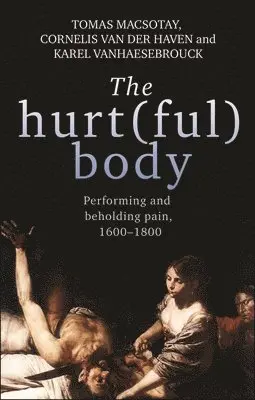
This book offers a cross-disciplinary approach to pain and suffering in the early modern period, based on research in the fields of literary studies, art history, theatre studies, cultural history and the study of emotions. The volume’s two-fold approach to the hurt body, defining ‘hurt’ from the perspectives of both victim and beholder - as well as their combined creation of a gaze - is unique. It establishes a double perspective about the riddle of ‘cruel’ viewing by tracking the shifting cultural meanings of victims’ bodies and confronting them with the values of audiences, religious and popular institutional settings and practices of punishment. It encompasses both the victim’s presence as an image or performed event of pain and the conundrum of the look – the transmitted ‘pain’ experienced by the watching audience.
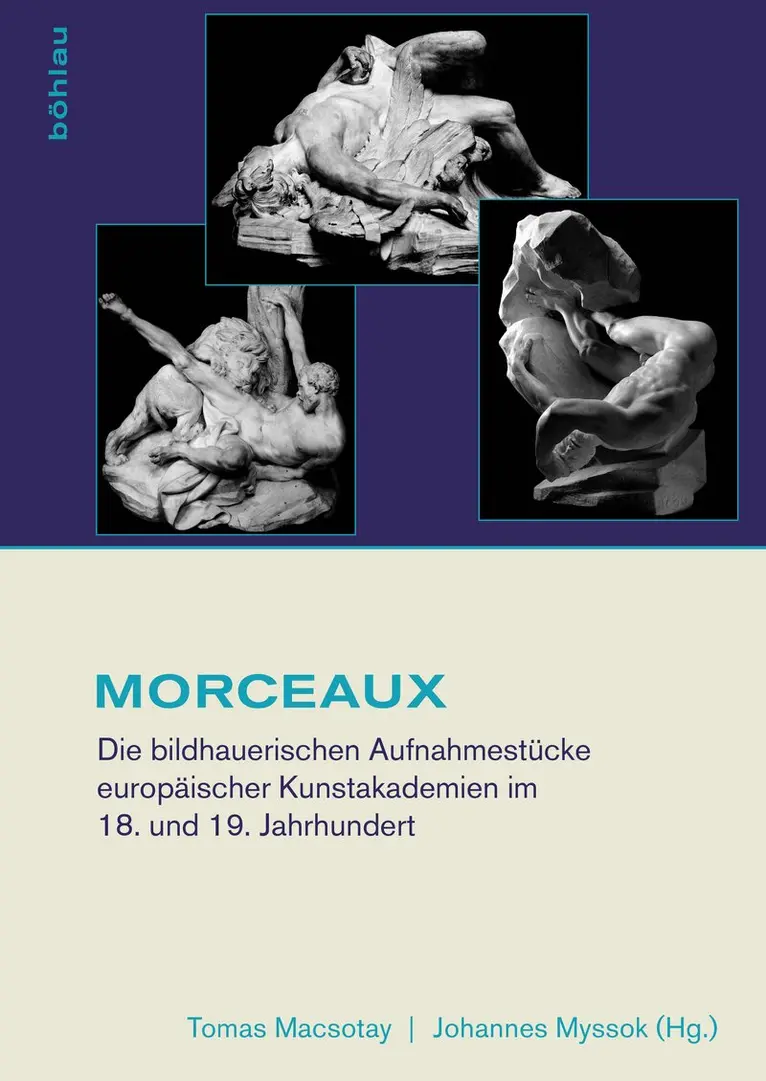
MORCEAUX
Die bildhauerischen Aufnahmestücke europäischer Kunstakademien im 18. und 19. Jahrhundert
Inbunden, Tyska, 2016
725 kr
Skickas inom 11-20 vardagar