Lalit Kumar Singh – författare
2 247 kr
Skickas inom 5-8 vardagar
2 673 kr
Läs direkt efter köp
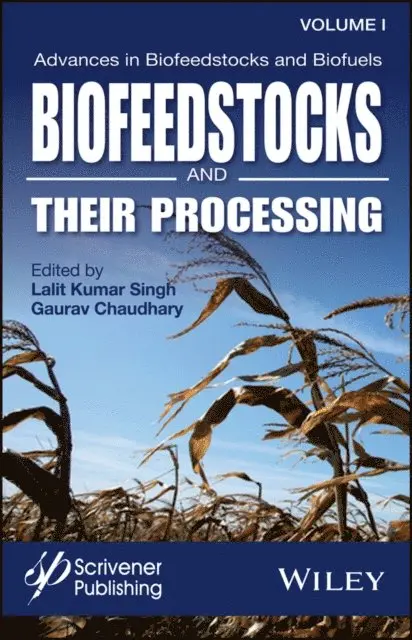
The most comprehensive and up-to-date treatment of all the possible aspects for biofeedstock processing and the production of energy from biofeedstocks
Biofuels production is one of the most extensively studied fields in the energy sector that can provide an alternative energy source and bring the energy industry closer to sustainability. Biomass-based fuel production, or renewable fuels, are becoming increasingly important as a potential solution for man-made climate change, depleted oil reserves, and the dangers involved with hydraulic fracturing (or "fracking"). The price of oil will always be volatile and changeable, and, as long as industry and private citizens around the world need energy, there will be a need for alternative energy sources. The area known as "biofuels and biofeedstocks" is one of the most important and quickly growing pieces of the "energy pie."
But biofuels and biofeedstocks are constantly changing, and new processes are constantly being created, changed, and improved upon. The area is rapidly changing and always innovative. It is important, therefore, that books like the volumes in this series are published and the information widely disseminated to keep the industry informed of the state-of-the-art.
This first volume in this groundbreaking new series is a collection of papers from some of the world''s foremost authorities on biofeedstocks and biofuels, covering biofeedstocks and how they are processed. It is a must-have for any engineer, scientist, technician, or student working in this area.
2 580 kr
Läs direkt efter köp
The most comprehensive and up-to-date treatment of all the possible aspects for biofeedstock processing and the production of energy from biofeedstocks
Biofuels production is one of the most extensively studied fields in the energy sector that can provide an alternative energy source and bring the energy industry closer to sustainability. Biomass-based fuel production, or renewable fuels, are becoming increasingly important as a potential solution for man-made climate change, depleted oil reserves, and the dangers involved with hydraulic fracturing (or "fracking"). The price of oil will always be volatile and changeable, and, as long as industry and private citizens around the world need energy, there will be a need for alternative energy sources. The area known as "biofuels and biofeedstocks" is one of the most important and quickly growing pieces of the "energy pie."
But biofuels and biofeedstocks are constantly changing, and new processes are constantly being created, changed, and improved upon. The area is rapidly changing and always innovative. It is important, therefore, that books like the volumes in this series are published and the information widely disseminated to keep the industry informed of the state-of-the-art.
This first volume in this groundbreaking new series is a collection of papers from some of the world''s foremost authorities on biofeedstocks and biofuels, covering biofeedstocks and how they are processed. It is a must-have for any engineer, scientist, technician, or student working in this area.
2 595 kr
Skickas inom 5-8 vardagar
3 101 kr
Läs direkt efter köp
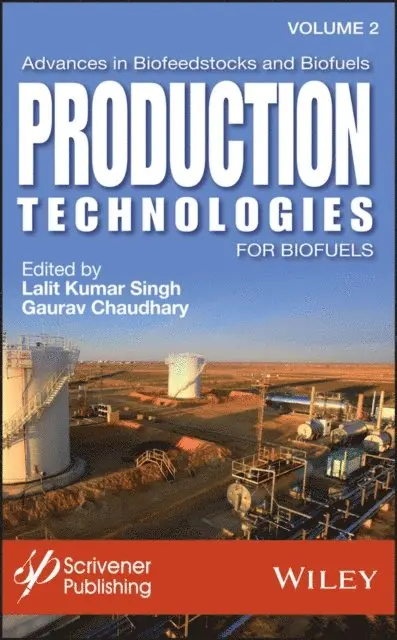
This second volume in the Advances in Biofeedstocks and Biofuels series focuses on the latest and most up-to-date technologies and processes involved in the production of biofuels.
Biofuels production is one of the most extensively studied fields in the energy sector that can provide an alternative energy source and bring the energy industry closer to sustainability. Biomass-based fuel production, or renewable fuels, are becoming increasingly important as a potential solution for man-made climate change, depleted oil reserves, and the dangers involved with hydraulic fracturing (or "fracking"). The price of oil will always be volatile and changeable, and, as long as industry and private citizens around the world need energy, there will be a need for alternative energy sources. The area known as "biofuels and biofeedstocks" is one of the most important and quickly growing pieces of the "energy pie."
Biofuels and biofeedstocks are constantly changing, and new processes are constantly being created, changed, and improved upon. The area is rapidly changing and always innovative. It is important, therefore, that books like the volumes in this series are published and the information widely disseminated to keep the industry informed of the state-of-the-art.
This second volume in the Advances in Biofeedstocks and Biofuels series focuses on the production of biofuel, covering all of the major biofuels, such as biodiesel, biohydrogen, bioethanol, and others. This engaging text touches on all of the most important new processes and technologies, providing the most up-to-date coverage of the science available to industry. It is a must-have for any engineer or scientist working with biofuel technology.
3 018 kr
Läs direkt efter köp
This second volume in the Advances in Biofeedstocks and Biofuels series focuses on the latest and most up-to-date technologies and processes involved in the production of biofuels.
Biofuels production is one of the most extensively studied fields in the energy sector that can provide an alternative energy source and bring the energy industry closer to sustainability. Biomass-based fuel production, or renewable fuels, are becoming increasingly important as a potential solution for man-made climate change, depleted oil reserves, and the dangers involved with hydraulic fracturing (or "fracking"). The price of oil will always be volatile and changeable, and, as long as industry and private citizens around the world need energy, there will be a need for alternative energy sources. The area known as "biofuels and biofeedstocks" is one of the most important and quickly growing pieces of the "energy pie."
Biofuels and biofeedstocks are constantly changing, and new processes are constantly being created, changed, and improved upon. The area is rapidly changing and always innovative. It is important, therefore, that books like the volumes in this series are published and the information widely disseminated to keep the industry informed of the state-of-the-art.
This second volume in the Advances in Biofeedstocks and Biofuels series focuses on the production of biofuel, covering all of the major biofuels, such as biodiesel, biohydrogen, bioethanol, and others. This engaging text touches on all of the most important new processes and technologies, providing the most up-to-date coverage of the science available to industry. It is a must-have for any engineer or scientist working with biofuel technology.
2 974 kr
Läs direkt efter köp
Biofuels production is one of the most extensively studied fields in the energy sector that can provide an alternative energy source and bring the energy industry closer to sustainability. Biomass-based fuel production, or renewable fuels, are becoming increasingly important as a potential solution for man-made climate change, depleted oil reserves, and the dangers involved with hydraulic fracturing (or "fracking"). The price of oil will always be volatile and changeable, and, so long as industry and private citizens around the world need energy, there will be a need for alternative energy sources. The area known as "biofuels and biofeedstocks" is one of the most important and quickly growing pieces of the "energy pie."
Biofuels and biofeedstocks are constantly changing, and new processes are constantly being created, changed, and improved upon. The area is rapidly changing and always innovative. It is important, therefore, that books like the volumes in this series are published and the information widely disseminated to keep the industry informed of the state-of-the-art.
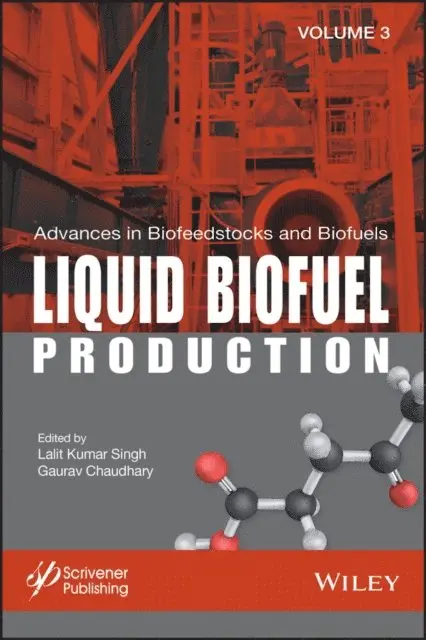
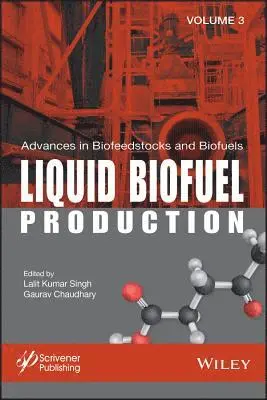
This third volume in the Advances in Biofeedstocks and Biofuels series focuses on the production of liquid biofuel, covering all of the major biofuels, such as biodiesel, biobutanol, bioethanol, and others. This engaging text touches on all of the most important new processes and technologies, providing the most up-to-date coverage of the science available to industry. It is a must-have for any engineer or scientist working with biofuel technology.
2 870 kr
Läs direkt efter köp
Biofuels production is one of the most extensively studied fields in the energy sector that can provide an alternative energy source and bring the energy industry closer to sustainability. Biomass-based fuel production, or renewable fuels, are becoming increasingly important as a potential solution for man-made climate change, depleted oil reserves, and the dangers involved with hydraulic fracturing (or "fracking"). The price of oil will always be volatile and changeable, and, so long as industry and private citizens around the world need energy, there will be a need for alternative energy sources. The area known as "biofuels and biofeedstocks" is one of the most important and quickly growing pieces of the "energy pie."
Biofuels and biofeedstocks are constantly changing, and new processes are constantly being created, changed, and improved upon. The area is rapidly changing and always innovative. It is important, therefore, that books like the volumes in this series are published and the information widely disseminated to keep the industry informed of the state-of-the-art.
This third volume in the Advances in Biofeedstocks and Biofuels series focuses on the production of liquid biofuel, covering all of the major biofuels, such as biodiesel, biobutanol, bioethanol, and others. This engaging text touches on all of the most important new processes and technologies, providing the most up-to-date coverage of the science available to industry. It is a must-have for any engineer or scientist working with biofuel technology.
2 492 kr
Skickas inom 5-8 vardagar
2 518 kr
Kommande
2 870 kr
Läs direkt efter köp
This latest volume in the series, “Advances in Biofeedstocks and Biofuels,” offers the most up-to-date and comprehensive coverage available for the production technologies for solid and gaseous biofuels.
Biofuel production is one of the most extensively studied recent fields of innovation that can provide the world an alternative energy source. Biomass-based fuel production, or renewable fuels, are becoming increasingly important as a remedy for the increasing greenhouse effect, depleting oil reserves, and rising oil prices. Therefore, research on the production of various biofuels is gaining very much importance among scientists and researchers all over the globe.
The book, Production Technologies for Solid and Gaseous Biofuels, is the fourth volume of the book series entitled “Advances in Biofeedstocks and Biofuels.” The first volume, Biofeedstocks and Their Processing, covered the aspects of biofeedstocks and their suitability as an alternative energy source. The second volume, Production Technologies for Biofuels, covered all the latest technologies in biofuels production. The third volume, Liquid Biofuel Production, focused on the latest technologies involved in the production of liquid biofuels, such as bioethanol, biodiesel, biobutanol, and others.
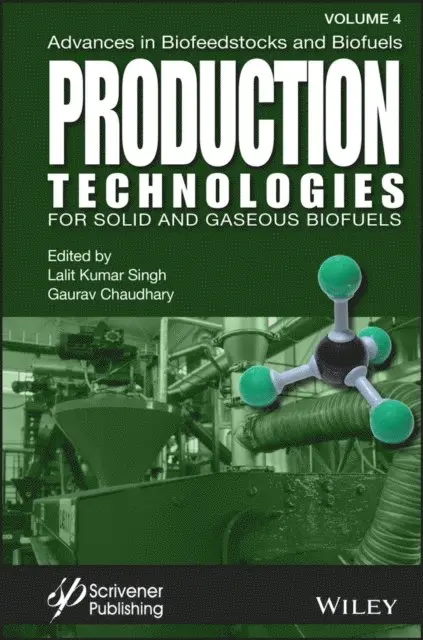
This fourth volume, Production Technologies for Solid and Gaseous Biofuels, covers all of the latest technologies in the field of solid biofuels, like biochar, briquettes from biomass, as well as gaseous biofuels like biogas, biohydrogen, and more. Various aspects of utilization of waste biomass for the production of solid and gaseous biofuels are also discussed. This book presents the state of the art in solid and gaseous biofuel production, a must have for any engineer or scientist working in this field.
2 492 kr
Skickas inom 5-8 vardagar
2 974 kr
Läs direkt efter köp
This latest volume in the series, “Advances in Biofeedstocks and Biofuels,” offers the most up-to-date and comprehensive coverage available for the production technologies for solid and gaseous biofuels.
Biofuel production is one of the most extensively studied recent fields of innovation that can provide the world an alternative energy source. Biomass-based fuel production, or renewable fuels, are becoming increasingly important as a remedy for the increasing greenhouse effect, depleting oil reserves, and rising oil prices. Therefore, research on the production of various biofuels is gaining very much importance among scientists and researchers all over the globe.
The book, Production Technologies for Solid and Gaseous Biofuels, is the fourth volume of the book series entitled “Advances in Biofeedstocks and Biofuels.” The first volume, Biofeedstocks and Their Processing, covered the aspects of biofeedstocks and their suitability as an alternative energy source. The second volume, Production Technologies for Biofuels, covered all the latest technologies in biofuels production. The third volume, Liquid Biofuel Production, focused on the latest technologies involved in the production of liquid biofuels, such as bioethanol, biodiesel, biobutanol, and others.
This fourth volume, Production Technologies for Solid and Gaseous Biofuels, covers all of the latest technologies in the field of solid biofuels, like biochar, briquettes from biomass, as well as gaseous biofuels like biogas, biohydrogen, and more. Various aspects of utilization of waste biomass for the production of solid and gaseous biofuels are also discussed. This book presents the state of the art in solid and gaseous biofuel production, a must have for any engineer or scientist working in this field.
1 741 kr
Skickas inom 10-15 vardagar
2 207 kr
Läs direkt efter köp
The book introduces dependability (security metric) ideas, gives a general overview of the security analysis of Safety-Critical Systems (SCSs), explains why the study is necessary and defines key terms relevant to this research. It makes an effort to emphasize the significance of security in comparison to other dependability indicators and illustrates the key drivers of this research''s purpose. The mathematical foundation of the security analysis process is briefly illustrated, and key mathematical terminology and concepts are presented that are crucial for the security evaluation of critical systems. This book''s objective is to provide a thorough understanding of the security analysis process. It will be a research-focused book designed for undergraduate, graduate, and doctoral courses in software and cyber security. The fundamentals of reliability, security, metrics, and mathematical foundation have been covered in this book. Each technique''s actual applications, along with benefits and drawbacks, are also shown. Applying each technique to the various case studies serves as a demonstration of how it works. By using the many case studies of safety-critical systems, the students can also learn different analysis approaches and how to model them. Students will be able to use these tools, in particular, on a case study of their choice to analyze system security. The book includes a comparison of various strategies and appropriate recommendations for further reading on these subjects. Moreover, this book''s target audience includes software professionals who are interested in security analysis.
1 741 kr
Skickas inom 10-15 vardagar