Lawrence Rubin – författare
2 269 kr
Skickas inom 10-15 vardagar
700 kr
Skickas inom 10-15 vardagar
1 324 kr
Skickas inom 5-8 vardagar
387 kr
Läs direkt efter köp
824 kr
Läs direkt efter köp
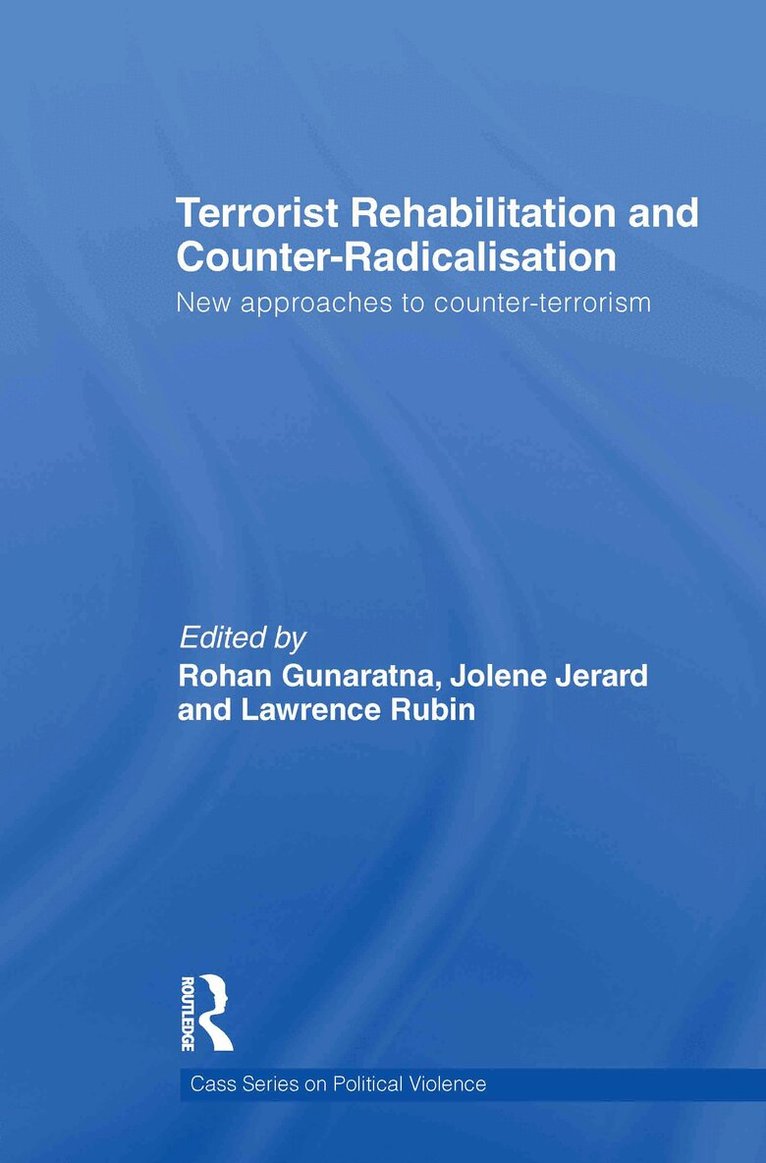
This book seeks to explore the new frontiers in counter-terrorism research, analyses and practice, focusing on the imperative to rehabilitate terrorists.
The post-9/11 world is in a very early stage of global rehabilitation both of terrorists and criminals. Nonetheless, some correctional rehabilitation programs have led convicted and suspected terrorists to express remorse, repent, and recant their violent ideologies and re-enter mainstream politics, religion and society. Although operational counter-terrorism initiatives have received both investment and attention, strategic counter-terrorism initiatives that ultimately end violence including terrorism but require patience and sustained efforts have been neglected by governments and received inadequate public coverage. This book is an early attempt to examine a few case studies both by practitioners and scholars. This book provides a better understanding of the process of deradicalization, and will be the first step towards exploring the development of tools necessary to examine and address challenges faced by practitioners.
This book will be of much interest to students of terrorism and political violence, radical Islam, conflict resolution, war and conflict studies and IR/Security Studies.
824 kr
Läs direkt efter köp
This book seeks to explore the new frontiers in counter-terrorism research, analyses and practice, focusing on the imperative to rehabilitate terrorists.
The post-9/11 world is in a very early stage of global rehabilitation both of terrorists and criminals. Nonetheless, some correctional rehabilitation programs have led convicted and suspected terrorists to express remorse, repent, and recant their violent ideologies and re-enter mainstream politics, religion and society. Although operational counter-terrorism initiatives have received both investment and attention, strategic counter-terrorism initiatives that ultimately end violence including terrorism but require patience and sustained efforts have been neglected by governments and received inadequate public coverage. This book is an early attempt to examine a few case studies both by practitioners and scholars. This book provides a better understanding of the process of deradicalization, and will be the first step towards exploring the development of tools necessary to examine and address challenges faced by practitioners.
This book will be of much interest to students of terrorism and political violence, radical Islam, conflict resolution, war and conflict studies and IR/Security Studies.
339 kr
Skickas inom 3-6 vardagar
326 kr
Skickas inom 10-15 vardagar
1 534 kr
Skickas inom 5-8 vardagar
521 kr
Skickas inom 5-8 vardagar
507 kr
Läs direkt efter köp
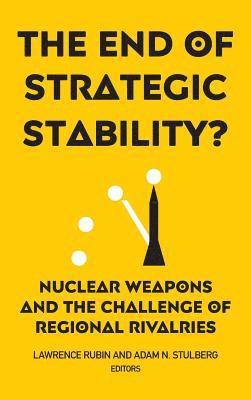
During the Cold War, many believed that the superpowers shared a conception of strategic stability, a coexistence where both sides would compete for global influence but would be deterred from using nuclear weapons. In actuality, both sides understood strategic stability and deterrence quite differently. Today’s international system is further complicated by more nuclear powers, regional rivalries, and nonstate actors who punch above their weight, but the United States and other nuclear powers still cling to old conceptions of strategic stability.
The purpose of this book is to unpack and examine how different states in different regions view strategic stability, the use or non-use of nuclear weapons, and whether or not strategic stability is still a prevailing concept. The contributors to this volume explore policies of current and potential nuclear powers including the United States, Russia, China, India, Iran, Israel, Pakistan, and Saudi Arabia. This volume makes an important contribution toward understanding how nuclear weapons will impact the international system in the twenty-first century and will be useful to students, scholars, and practitioners of nuclear weapons policy.