Loane Skene – författare
Visar alla böcker från författaren Loane Skene. Handla med fri frakt och snabb leverans.
5 produkter
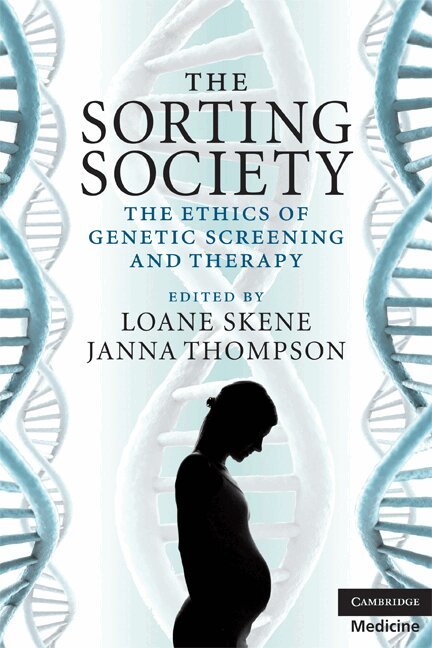
The Sorting Society
The Ethics of Genetic Screening and Therapy
Av Loane Skene, Janna Thompson
Häftad, 2008
1140 kr
Lägg i varukorg
The 'sorting society' expresses what many people believe will be the outcome of advances in genetic technology: a society in which many characteristics of children are no longer the result of genetic chance but of deliberate selection. This book focuses on the ethical, legal and social issues …
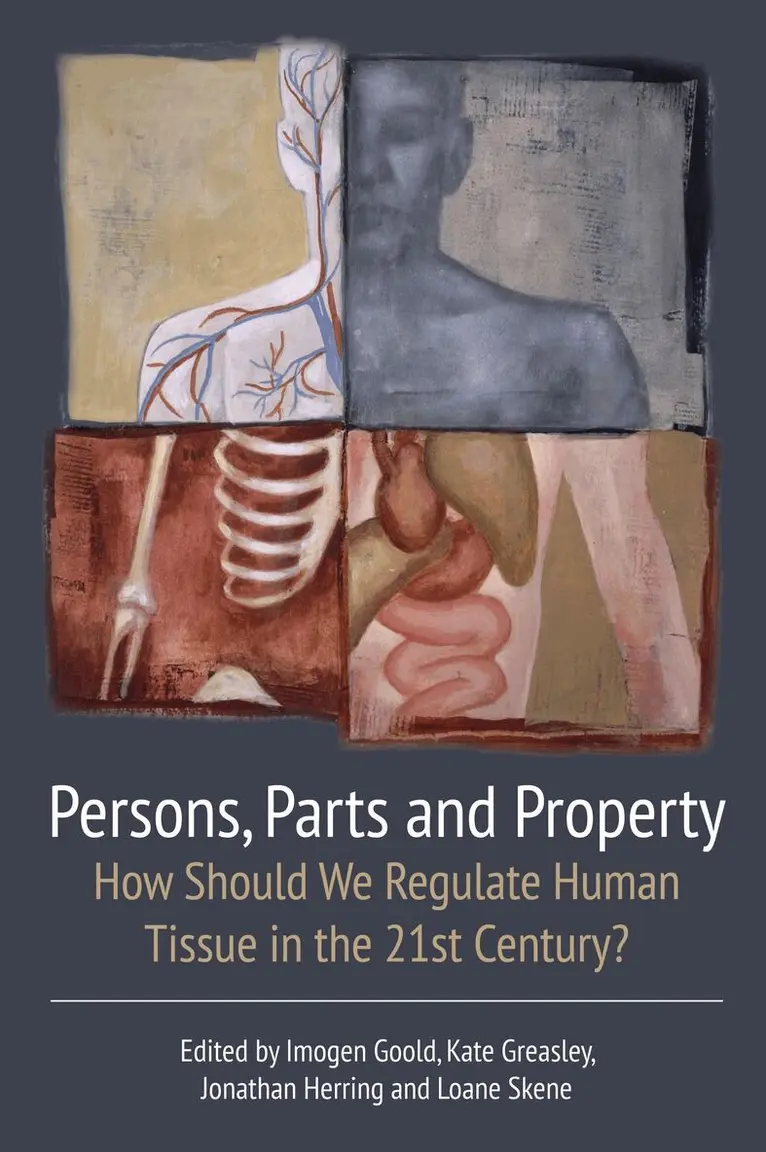
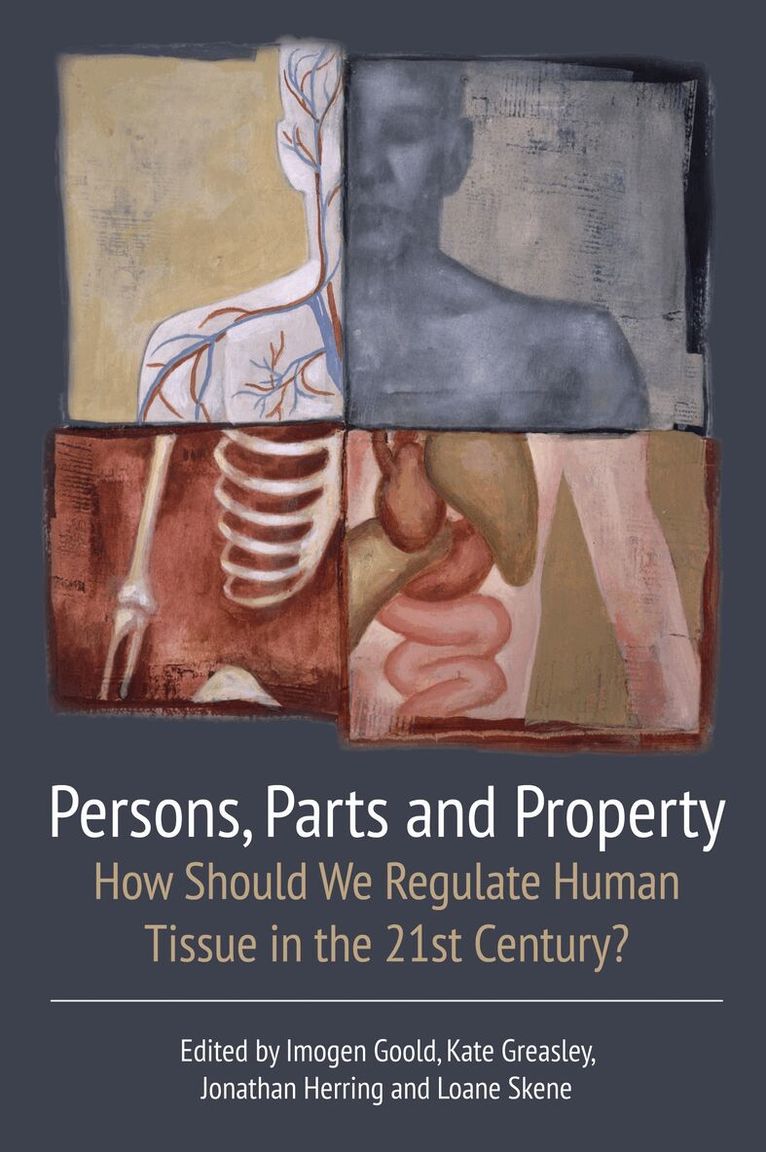
Persons, Parts and Property
How Should we Regulate Human Tissue in the 21st Century?
Av Imogen Goold, Kate Greasley m. fl.
Häftad, 2016
554 kr
Lägg i varukorg
The debate over whether human bodies and their parts should be governed by the laws of property has accelerated with the pace of technological change. Having long held that a corpse could not be property, the common law first recognised that there could be a property interest in human tissue in …
Persons, Parts and Property
How Should We Regulate Human Tissue in the 21st Century?
Av Imogen Goold, Kate Greasley m. fl.
E-bok, 2014
602 kr
Lägg i varukorg
The debate over whether human bodies and their parts should be governed by the laws of property has accelerated with the pace of technological change. Having long held that a corpse could not be property, the common law first recognised that there could be a property interest in human tissue in …
Persons, Parts and Property
How Should We Regulate Human Tissue in the 21st Century?
Av Imogen Goold, Kate Greasley m. fl.
E-bok, 2014
602 kr
Lägg i varukorg
The debate over whether human bodies and their parts should be governed by the laws of property has accelerated with the pace of technological change. Having long held that a corpse could not be property, the common law first recognised that there could be a property interest in human tissue in …
Persons, Parts and Property
How Should we Regulate Human Tissue in the 21st Century?
Av Imogen Goold, Kate Greasley m. fl.
Inbunden, 2014
1311 kr
Lägg i varukorg
The debate over whether human bodies and their parts should be governed by the laws of property has accelerated with the pace of technological change. Having long held that a corpse could not be property, the common law first recognised that there could be a property interest in human tissue in …