Magnus Petersson – författare
Visar alla böcker från författaren Magnus Petersson. Handla med fri frakt och snabb leverans.
14 produkter
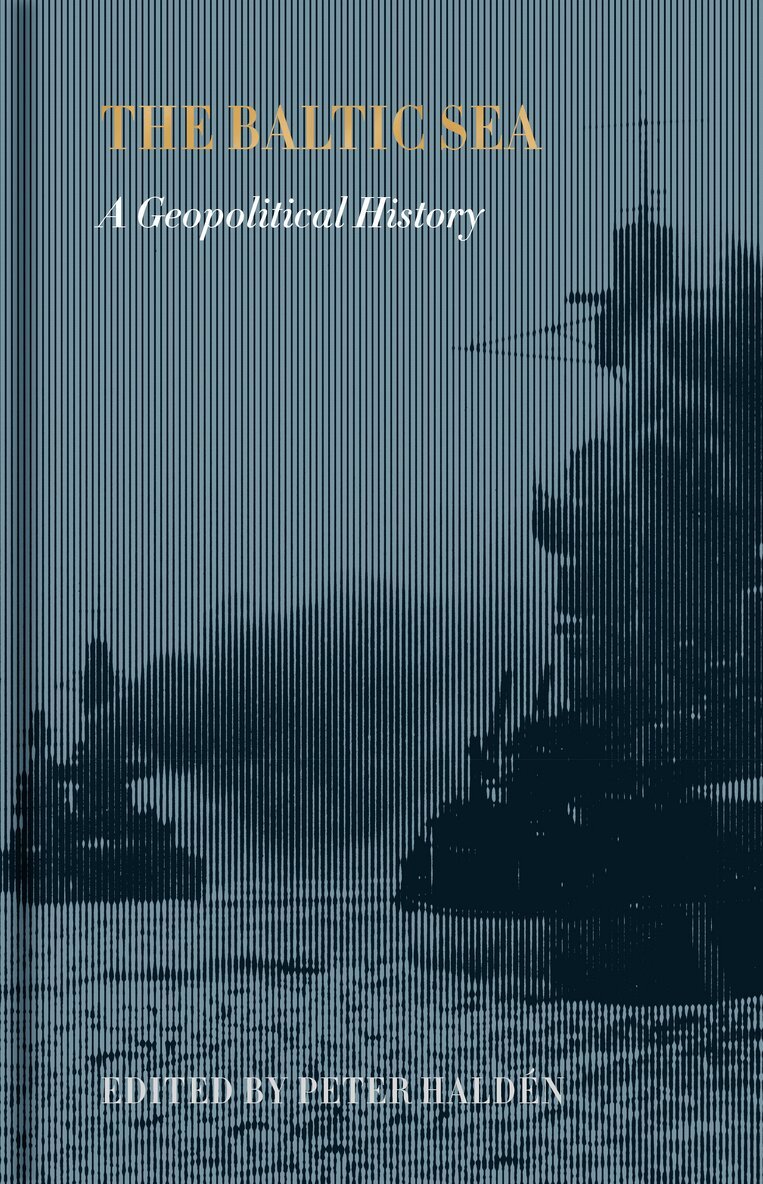
The Baltic sea : a geopolitical history
Av Tobias Boestad, Axel Boltenberg m. fl.
Inbunden, 2025
269 kr
Lägg i varukorg
Östersjön är mer än bara ett innanhav det är en historisk geopolitisk skådeplats. Från vikingatidens sjöfart till ett Nato-dominerat område har detta bräckta innanhav varit en livsnerv för folk och länder i norra Europa. Östersjön har fungerat som en knutpunkt för ekonomiska och politiska …
Östersjön
Av Tobias Boestad, Axel Boltenberg m. fl.
E-bok, 2026
139 kr
Lägg i varukorg
Östersjön är mer än bara ett innanhav – det är en historisk geopolitisk skådeplats. Från vikingatidens sjöfart till dagens Natodominerade område har detta bräckta hav varit en livsnerv för folk och länder i norra Europa. Östersjön har fungerat som en knutpunkt för ekonomiska och politiska …
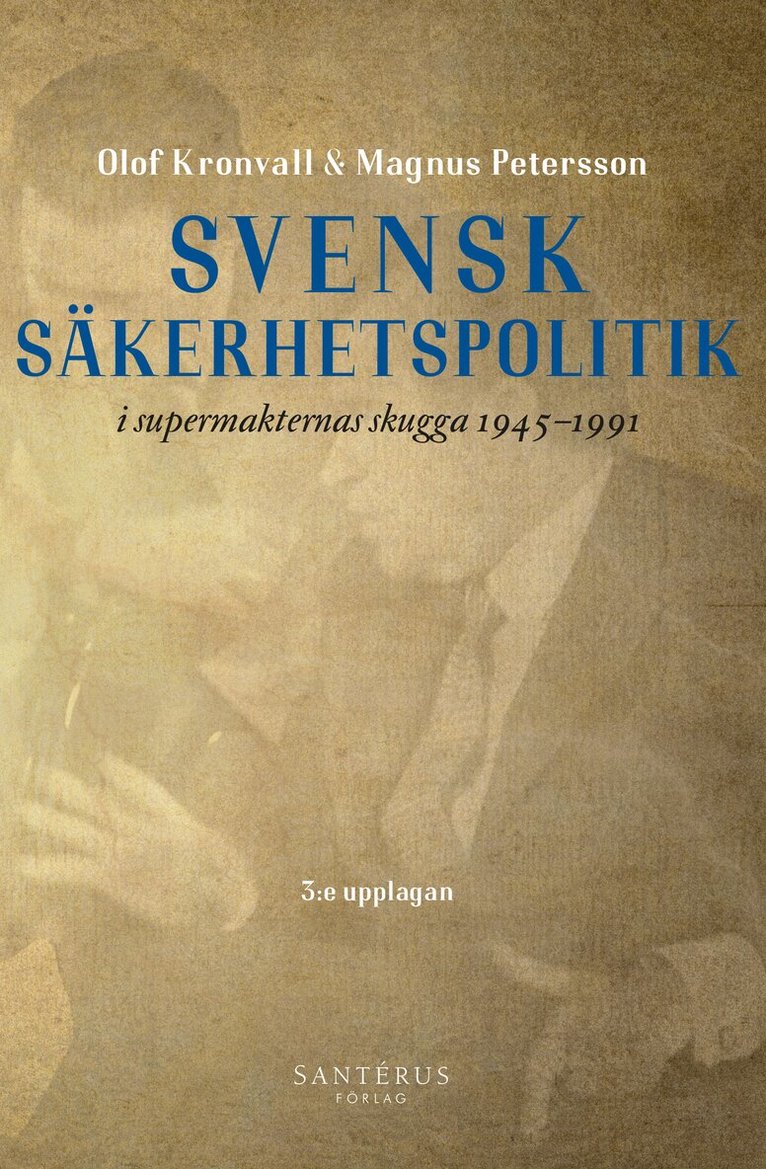
Svensk säkerhetspolitik i supermakternas skugga 1945-1991
Av Olof Kronvall, Magnus Petersson
Häftad, 2024
259 kr
Lägg i varukorg
Svensk säkerhetspolitik under det kalla kriget har under en längre tid varit föremål för diskussion såväl i samhällsdebatten som i forskningen. Flera statliga utredningar, bl.a. Neutralitetspolitikkommissionen och Säkerhetstjänstkommissionen, tillsattes under 1990-talet i syfte att bringa klarhet i …
NATO and the Crisis in the International Order
The Atlantic Alliance and Its Enemies
Inbunden, 2018
998 kr
Lägg i varukorg
The main objectives of this book are to analyse the risks and dangers NATO faces in the current strategic environment and to discuss how the alliance can readjust to those challenges.How can NATO adapt to the dangerous combination of a revisionist Russia, a reluctant United States, and a Europe in …
NATO and the Crisis in the International Order
The Atlantic Alliance and Its Enemies
E-bok, 2018
433 kr
Lägg i varukorg
The main objectives of this book are to analyse the risks and dangers NATO faces in the current strategic environment and to discuss how the alliance can readjust to those challenges. How can NATO adapt to the dangerous combination of a revisionist Russia, a reluctant United States, and a Europe in …
NATO and the Crisis in the International Order
The Atlantic Alliance and Its Enemies
E-bok, 2018
433 kr
Lägg i varukorg
The main objectives of this book are to analyse the risks and dangers NATO faces in the current strategic environment and to discuss how the alliance can readjust to those challenges. How can NATO adapt to the dangerous combination of a revisionist Russia, a reluctant United States, and a Europe in …
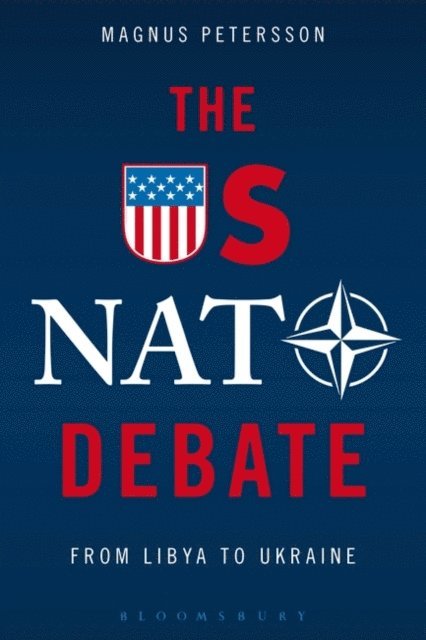
US NATO Debate
From Libya to Ukraine
Häftad, 2015
517 kr
Lägg i varukorg
Since the Libya War in 2011 it has been widely suggested that NATO’s role in US security policy has diminished, because Washington gives Europe less and Asia more strategic priority (a tendency that is reinforced by budget restraints), and because the US is no longer interested in always leading …
US NATO Debate
From Libya to Ukraine
Inbunden, 2015
2132 kr
Lägg i varukorg
Since the Libya War in 2011 it has been widely suggested that NATO’s role in US security policy has diminished, because Washington gives Europe less and Asia more strategic priority (a tendency that is reinforced by budget restraints), and because the US is no longer interested in always leading …
US NATO Debate
From Libya to Ukraine
E-bok, 2015
561 kr
Lägg i varukorg
Since the Libya War in 2011 it has been widely suggested that NATO's role in US security policy has diminished, because Washington gives Europe less and Asia more strategic priority (a tendency that is reinforced by budget restraints), and because the US is no longer interested in always leading …
US NATO Debate
From Libya to Ukraine
E-bok, 2015
561 kr
Lägg i varukorg
Since the Libya War in 2011 it has been widely suggested that NATO's role in US security policy has diminished, because Washington gives Europe less and Asia more strategic priority (a tendency that is reinforced by budget restraints), and because the US is no longer interested in always leading …
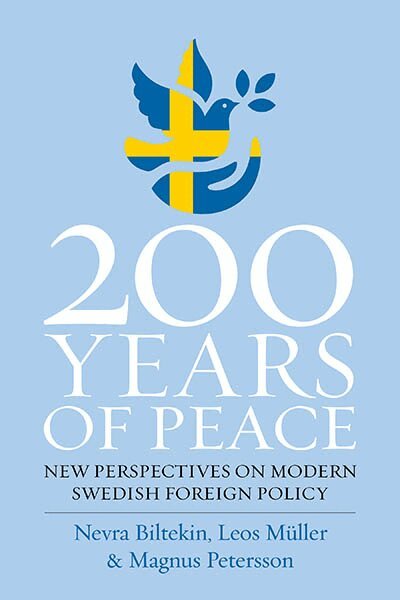
200 Years of Peace
New Perspectives on Modern Swedish Foreign Policy
Av Nevra Biltekin, Leos Müller m. fl.
Inbunden, 2022
1357 kr
Lägg i varukorg
Since 1814 Sweden has avoided involvement in armed conflicts and carried out policies of non-alignment in peacetime and neutrality during war. Even though the Swedish government often describes Sweden as a ‘nation of peace’, in 2004 the 200-year anniversary of that peace passed by with barely any …
200 Years of Peace
New Perspectives on Modern Swedish Foreign Policy
Av Nevra Biltekin, Leos Müller m. fl.
Häftad, 2026
349 kr
Lägg i varukorg
Since 1814 Sweden has avoided involvement in armed conflicts and carried out policies of non-alignment in peacetime and neutrality during war. Even though the Swedish government often describes Sweden as a ‘nation of peace’, in 2004 the 200-year anniversary of that peace passed by with barely any …
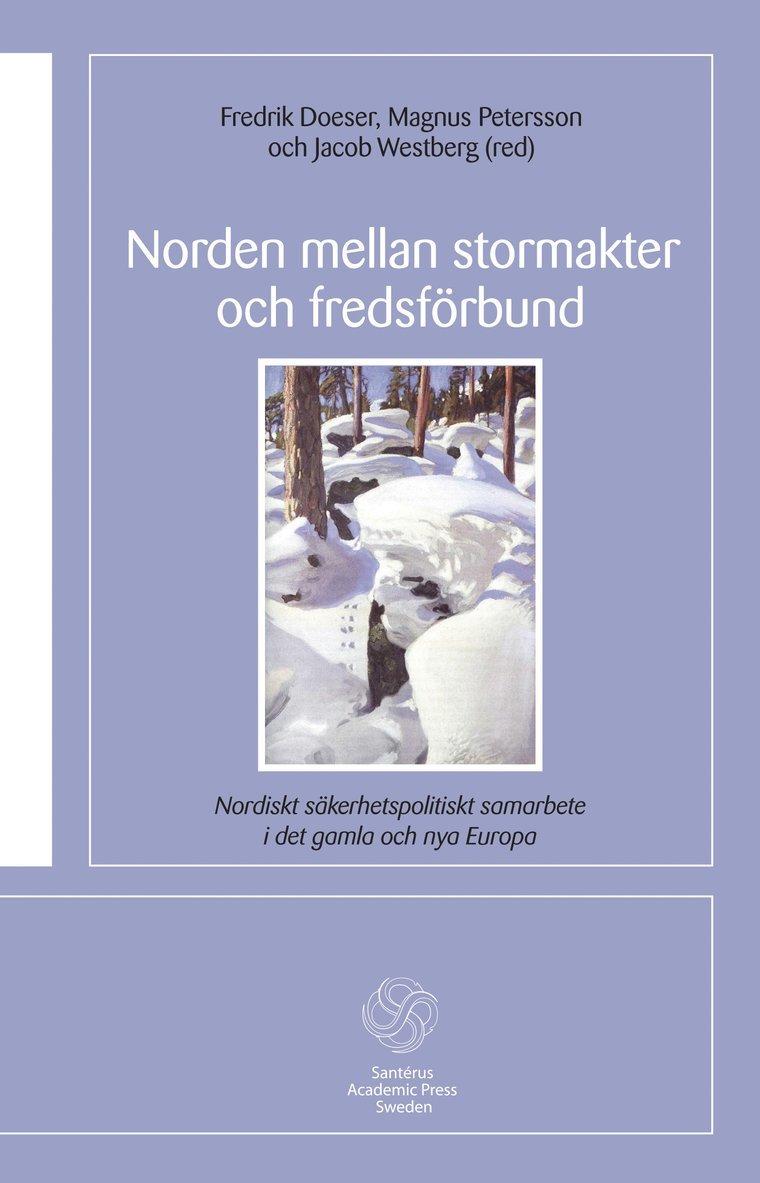
Norden mellan stormakter och fredsförbund : nordiskt säkerhetspolitiskt samarbete i det gamla och de nya Europa
Av Malena Britz, Magnus Christiansson m. fl.
Häftad, 2012
368 kr
Lägg i varukorg
På senare år har konkreta initiativ tagits för att fördjupa samarbetet kring försvars- och säkerhetspolitik mellan de nordiska länderna. Detta har skett genom att kalla kriget tog slut och genom östblockets upplösning. Stoltenbergrapporten från våren 2009, där 13 områden för ett fördjupat och …
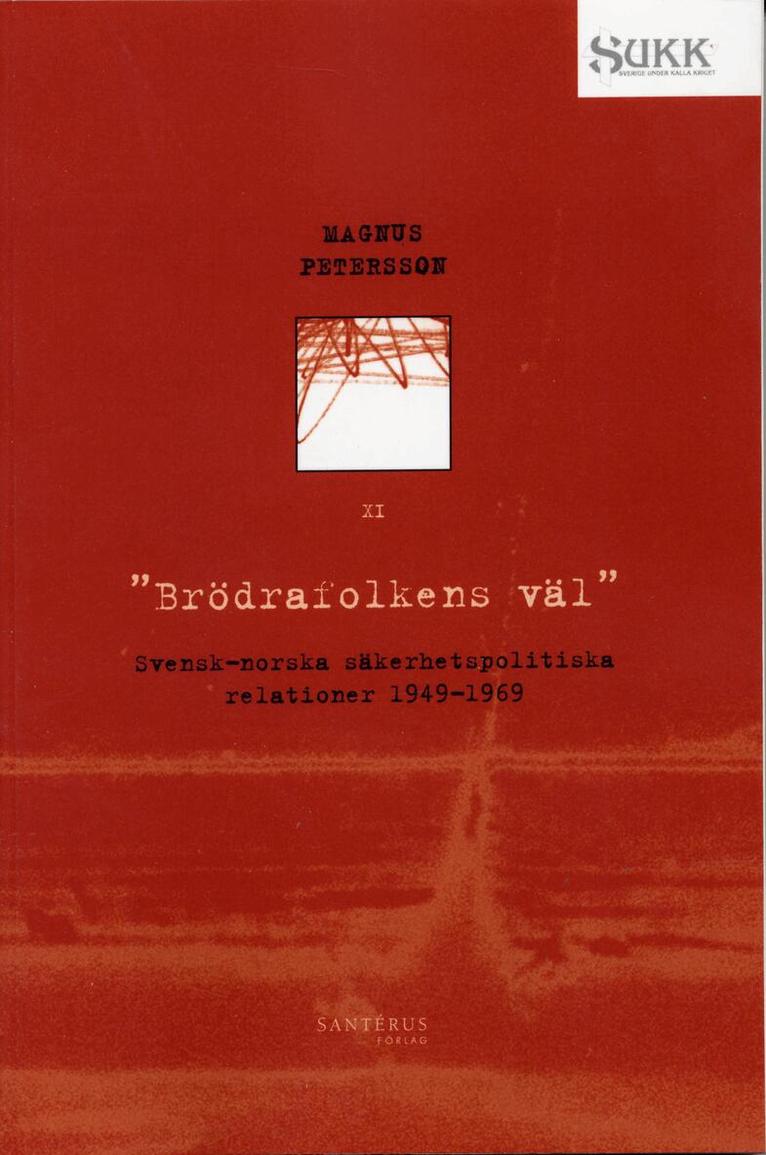
Brödrafolkens väl - Svensk-norska säkerhetsrelationer 1949-69
Häftad, 2003
293 kr
Lägg i varukorg
Under de år det kalla kriget formades, splittrades den nordiska säkerhetspolitiska kartan. Finland ingick 1948 den s.k. Vänskaps-, samarbets- och biståndspakten (VSB-pakten) med Sovjetunionen. Norge, Danmark och Island anslöt sig 1949 till Atlantpakten (sedermera NATO) och kopplade därmed sin …