Marcelo Gleiser – författare
Visar alla böcker från författaren Marcelo Gleiser. Handla med fri frakt och snabb leverans.
14 produkter
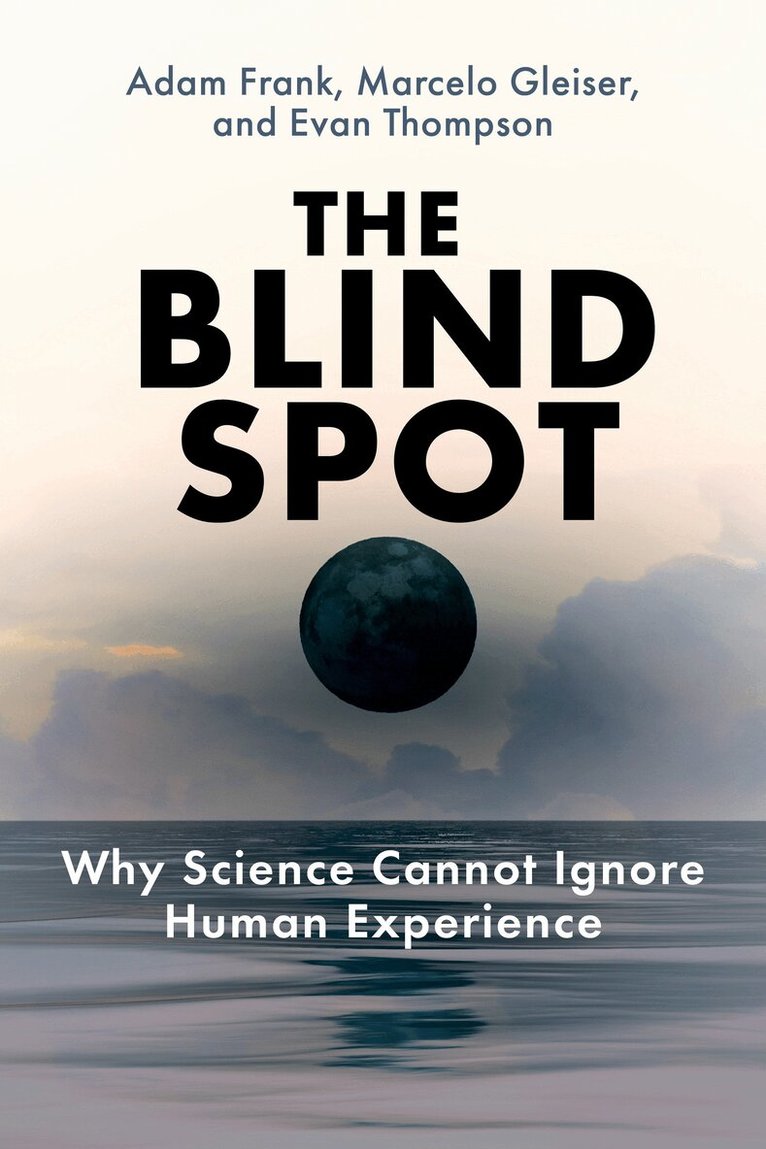
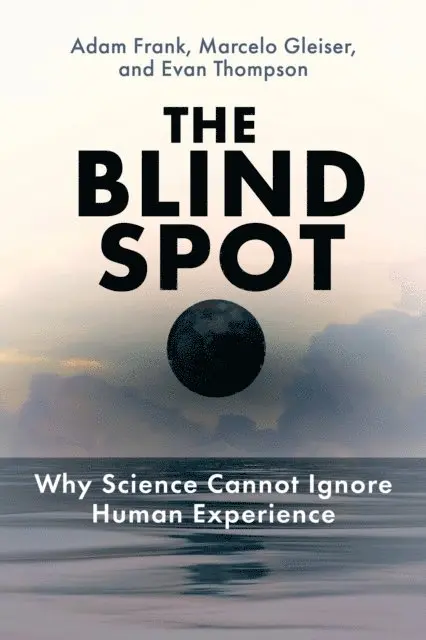
Blind Spot
Why Science Cannot Ignore Human Experience
Av Adam Frank, Marcelo Gleiser
Häftad, 2025
3,0 utav 5 stjärnor. Totalt antal röster: (1)
249 kr
Lägg i varukorg
A compelling argument for including the human perspective within science, and for how human experience makes science possible.“This is by far the best book I've read this year.”—Michael Pollan, Professor of the Practice of Non-fiction, Harvard University; #1 New York Times bestselling authorIt’s …
Dawn of a Mindful Universe
A Manifesto for Humanity's Future
E-bok, 2023
254 kr
Lägg i varukorg
An award-winning astronomer and physicists spellbinding and urgent call for a new Enlightenment and the recognition of the preciousness of life using reason and curiositythe foundations of scienceto study, nurture, and ultimately preserve humanity as we face the existential crisis of climate …
Dawn of a Mindful Universe
A Manifesto for Humanity''s Future
Ljudbok, 2023
202 kr
Lägg i varukorg
An award-winning astronomer and physicist’s spellbinding and urgent call for a new Enlightenment and the recognition of the preciousness of life using reason and curiosity—the foundations of science—to study, nurture, and ultimately preserve humanity as we face the existential crisis of …
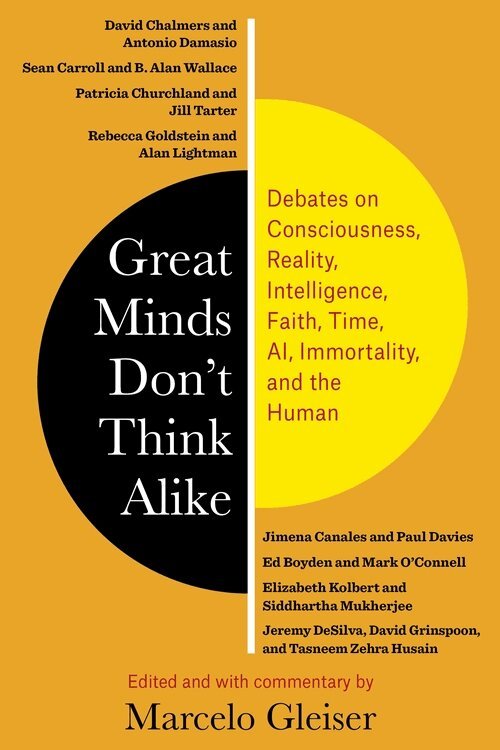
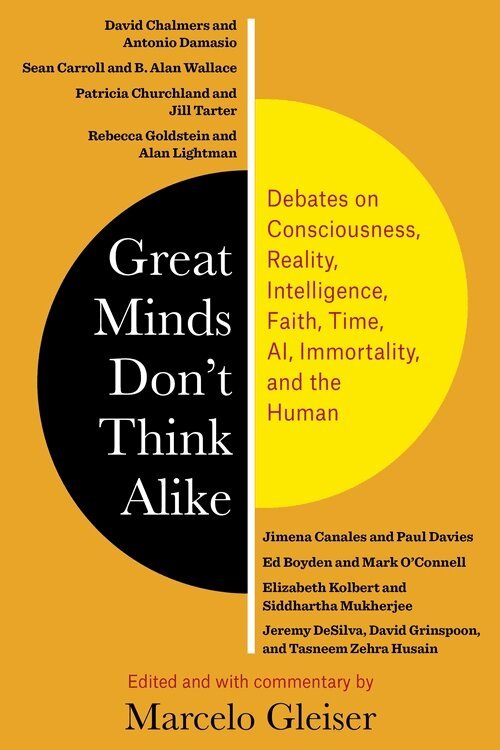
Great Minds Don’t Think Alike
Debates on Consciousness, Reality, Intelligence, Faith, Time, AI, Immortality, and the Human
Inbunden, 2022
688 kr
Lägg i varukorg
Does technology change who we are, and if so, in what ways? Can humanity transcend physical bodies and spaces? Will AI and genetic engineering help us reach new heights or will they unleash dystopias? How do we face mortality, our own and that of our warming planet? Questions like these—which are …
Great Minds Don’t Think Alike
Debates on Consciousness, Reality, Intelligence, Faith, Time, AI, Immortality, and the Human
Häftad, 2022
177 kr
Lägg i varukorg
Does technology change who we are, and if so, in what ways? Can humanity transcend physical bodies and spaces? Will AI and genetic engineering help us reach new heights or will they unleash dystopias? How do we face mortality, our own and that of our warming planet? Questions like these—which are …
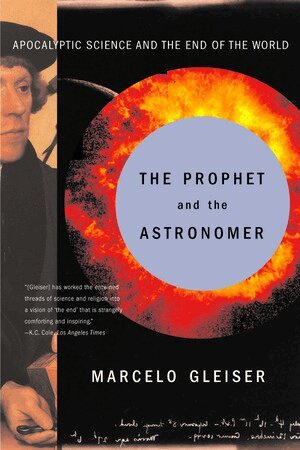
Prophet and the Astronomer
Apocalyptic Science and the End of the World
Häftad, 2003
314 kr
Lägg i varukorg
"Tracing our contemplation of the cosmos from the big bang to the big crunch" (The New Yorker), Marcelo Gleiser explores the shared quest of ancient prophets and today's astronomers to explain the strange phenomena of our skies—from the apocalypse foretold in Revelations to modern science's ongoing …
Island of Knowledge
The Limits of Science and the Search for Meaning
Häftad, 2015
325 kr
Lägg i varukorg
Do all questions have answers? How much can we know about the world? Is there such a thing as an ultimate truth?To be human is to want to know, but what we are able to observe is only a tiny portion of what's out there." In The Island of Knowledge , physicist Marcelo Gleiser traces our search for …
Simple Beauty of the Unexpected - A Natural Philosopher's Quest for Trout and the Meaning of Everything
Häftad, 2022
219 kr
Lägg i varukorg
A personal and engaging tribute to nature from a world-famous theoretical physicist. Marcelo Gleiser has had a passion for science and fishing since he was a boy growing up on the beaches of Rio de Janeiro. As a world-famous theoretical physicist with hundreds of scientific articles and several …
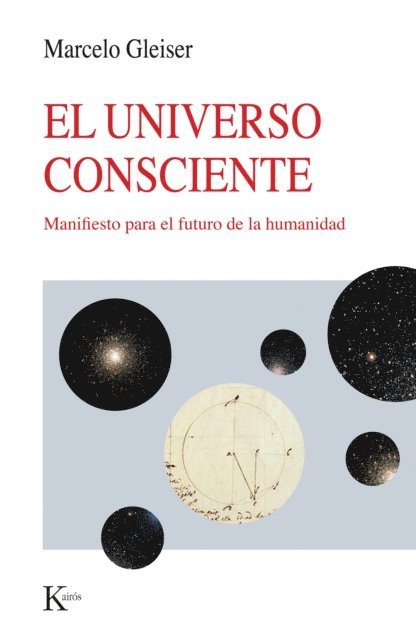
El universo consciente
Manifiesto para el futuro de la humanidad
E-bok, 2024
91 kr
Lägg i varukorg
Un astrofísico realiza un llamamiento fascinante –y urgente– a una nueva «Ilustración» para socorrer a la humanidad mientras nos enfrentamos a la crisis existencial del cambio climático.Gleiser argumenta que estamos utilizando el paradigma equivocado para relacionarnos con el universo y entender …
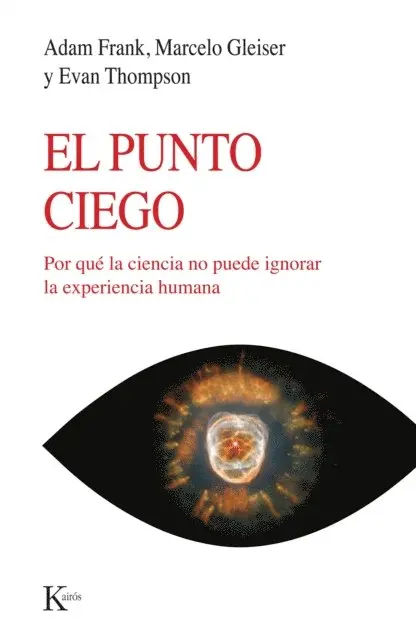
El punto ciego
Por qué la ciencia no puede ignorar la experiencia humana
Av Evan Thompson, Marcelo Gleiser m. fl.
E-bok, 2024
136 kr
Lägg i varukorg
En El punto ciego, el astrofísico Adam Frank, el físico teórico Marcelo Gleiser y el filósofo Evan Thompson abogan por una visión revolucionaria del mundo científico, una en la que la ciencia incluya la experiencia vivida por la humanidad como parte ineludible de nuestra búsqueda de la verdad …
Simple Beauty of the Unexpected, Second Edition
A Natural Philosopher’s Quest for Trout and the Meaning of Everything
Ljudbok, 2022
253 kr
Lägg i varukorg
A personal and engaging tribute to nature from a world-famous theoretical physicist Marcelo Gleiser has had a passion for science and fishing since he was a boy growing up on the beaches of Rio de Janeiro. As a world-famous theoretical physicist with hundreds of scientific articles and several …
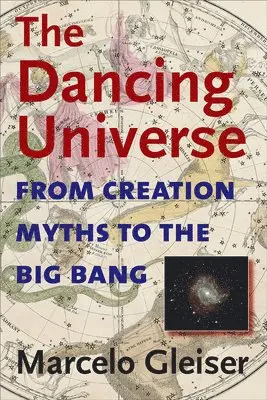
Dancing Universe
Häftad, 2005
236 kr
Tillfälligt slut
Marcelo Gleiser refutes the notion that science and spirituality are irreconcilable. In The Dancing Universe, he traces mystical, philosophical, and scientific ideas about the cosmos through the past twenty-five centuries, from the ancient creation myths of numerous cultures to contemporary …
Simple Beauty of the Unexpected - A Natural Philosopher`s Quest for Trout and the Meaning of Everything
Inbunden, 2022
846 kr
Tillfälligt slut
A personal and engaging tribute to nature from a world-famous theoretical physicist. Marcelo Gleiser has had a passion for science and fishing since he was a boy growing up on the beaches of Rio de Janeiro. As a world-famous theoretical physicist with hundreds of scientific articles and several …