Margaret S. Archer – författare
Visar alla böcker från författaren Margaret S. Archer. Handla med fri frakt och snabb leverans.
62 produkter
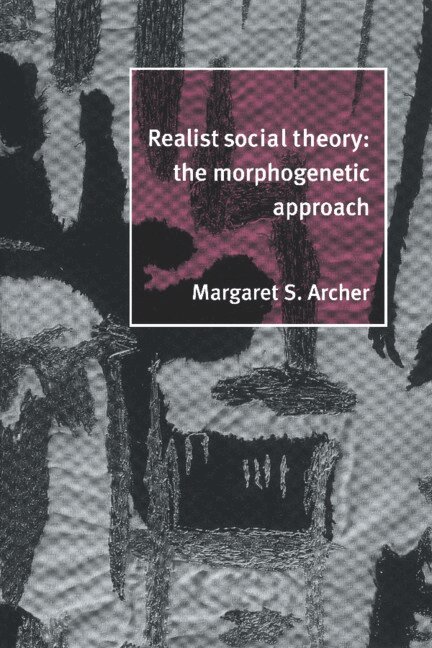
Realist Social Theory
The Morphogenetic Approach
Häftad, 1995
813 kr
Lägg i varukorg
Building on her seminal contribution to social theory in Culture and Agency, in this 1995 book Margaret Archer develops her morphogenetic approach, applying it to the problem of structure and agency. Since structure and agency constitute different levels of stratified social reality, each possesses …
Culture and Agency
The Place of Culture in Social Theory
Häftad, 1996
796 kr
Lägg i varukorg
Margaret Archer's Culture and Agency was first published in 1988, and proved a seminal contribution to social theory and the case for the role of culture in sociological thought. Described in Sociological Review as 'a timely and sophisticated treatment', the book showed that the 'problems' of …
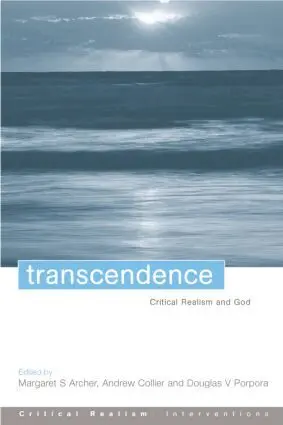
Transcendence
Critical Realism and God
Av Margaret S. Archer, Andrew Collier m. fl.
Häftad, 2004
751 kr
Lägg i varukorg
Atheism as a belief does not have to present intellectual credentials within academia. Yet to hold beliefs means giving reasons for doing so, ones which may be found wanting. Instead, atheism is the automatic default setting within the academic world.Conversely, religious belief confronts a double …
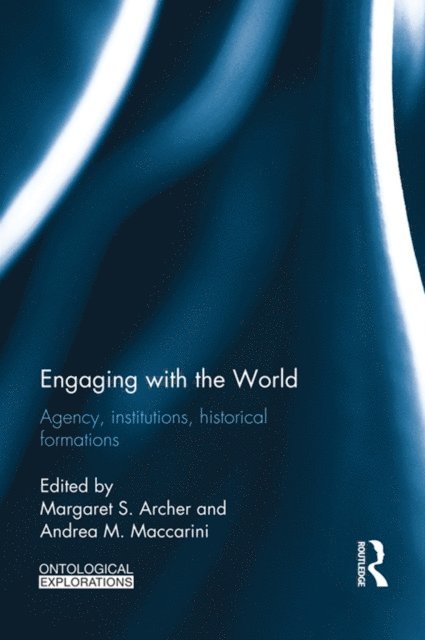
Engaging with the World
Agency, Institutions, Historical Formations
Av Andrea Maccarini, Margaret S Archer
E-bok, 2013
1074 kr
Lägg i varukorg
This title reflects the general theme of the 2010 IACR annual conference that was held in Padova, Italy, the aim of which was to provide a fresh view on some cultural and structural changes involving Western societies after the world economic crisis of 2008, from the point of view of Critical …
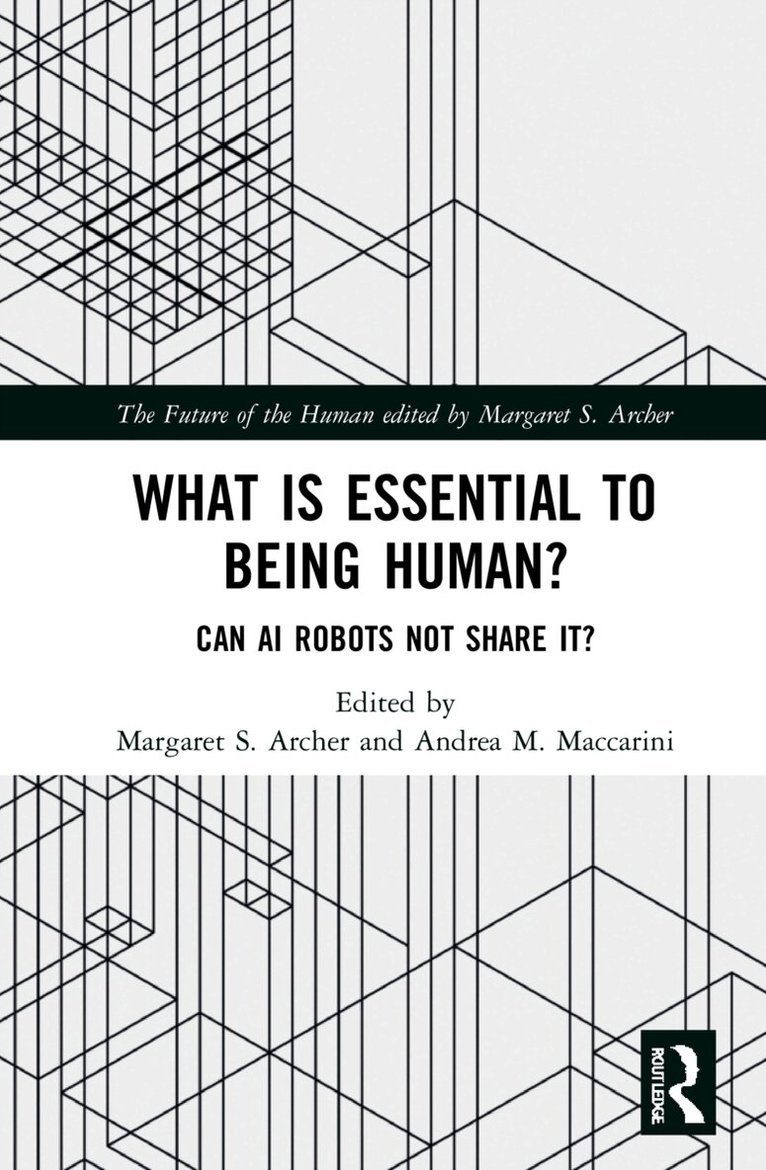
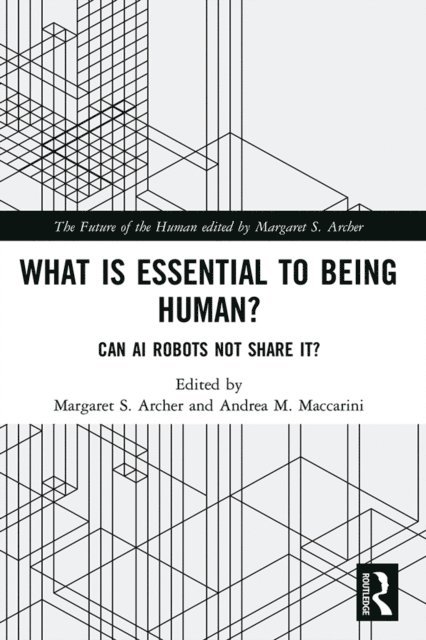
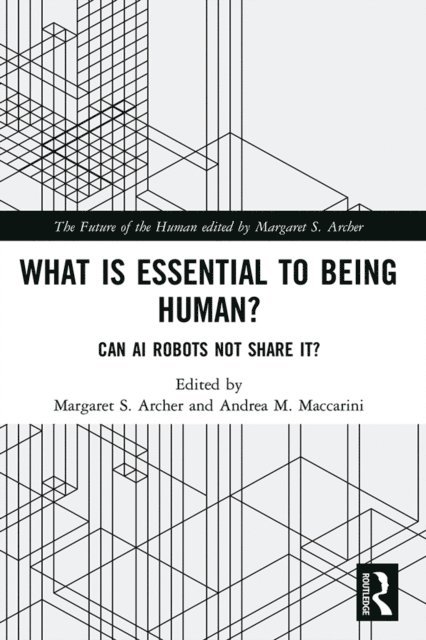
What is Essential to Being Human?
Can AI Robots Not Share It?
Av Margaret S. Archer, Andrea M. Maccarini
Inbunden, 2021
2521 kr
Lägg i varukorg
This book asks whether there exists an essence exclusive to human beings despite their continuous enhancement – a nature that can serve to distinguish humans from artificially intelligent robots, now and in the foreseeable future. Considering what might qualify as such an essence, this volume …
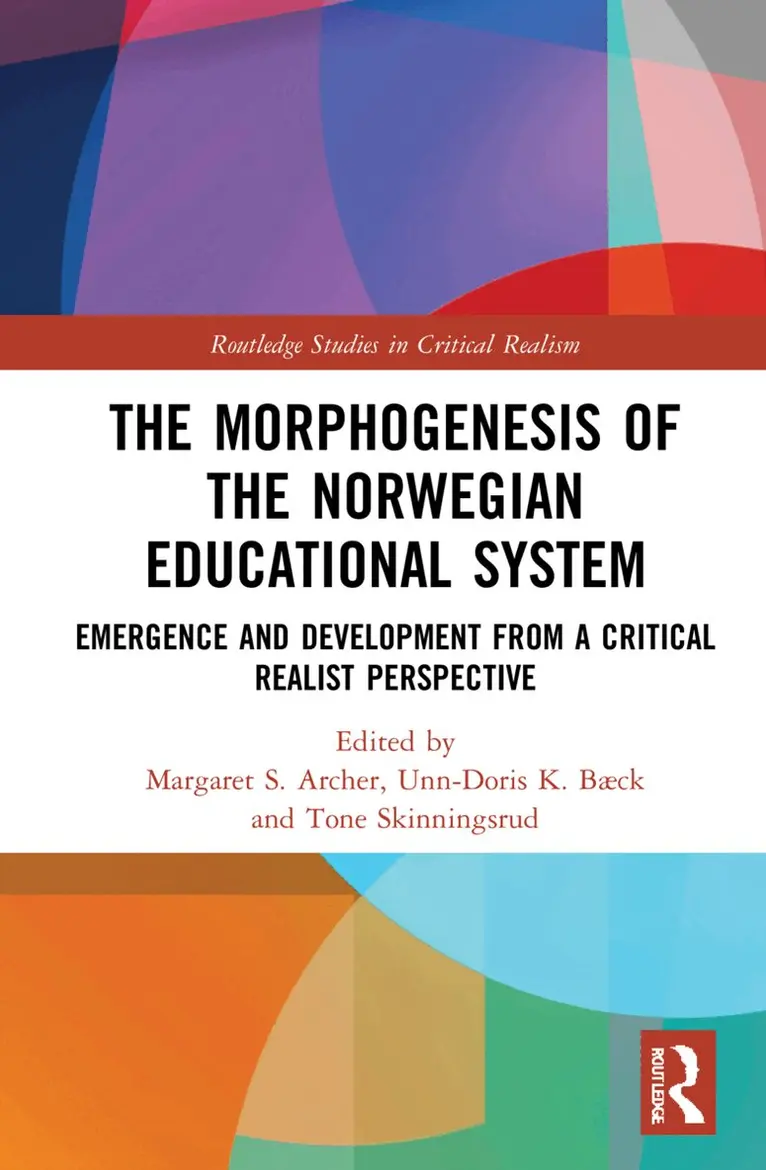
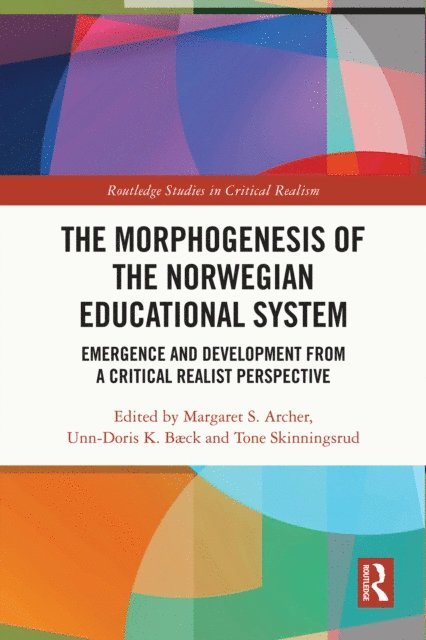
Morphogenesis of the Norwegian Educational System
Emergence and Development from a Critical Realist Perspective
Av Margaret S. Archer, Unn-Doris K. Bæck m. fl.
Inbunden, 2022
2445 kr
Lägg i varukorg
Based in the philosophy of critical realism, this book employs a range of Margaret Archer’s theoretical concepts to investigate temporal and spatial aspects of Norwegian education. Stemming from Archer’s engagement as visiting professor from 2017 to 2019 in the Department of Education at UiT The …
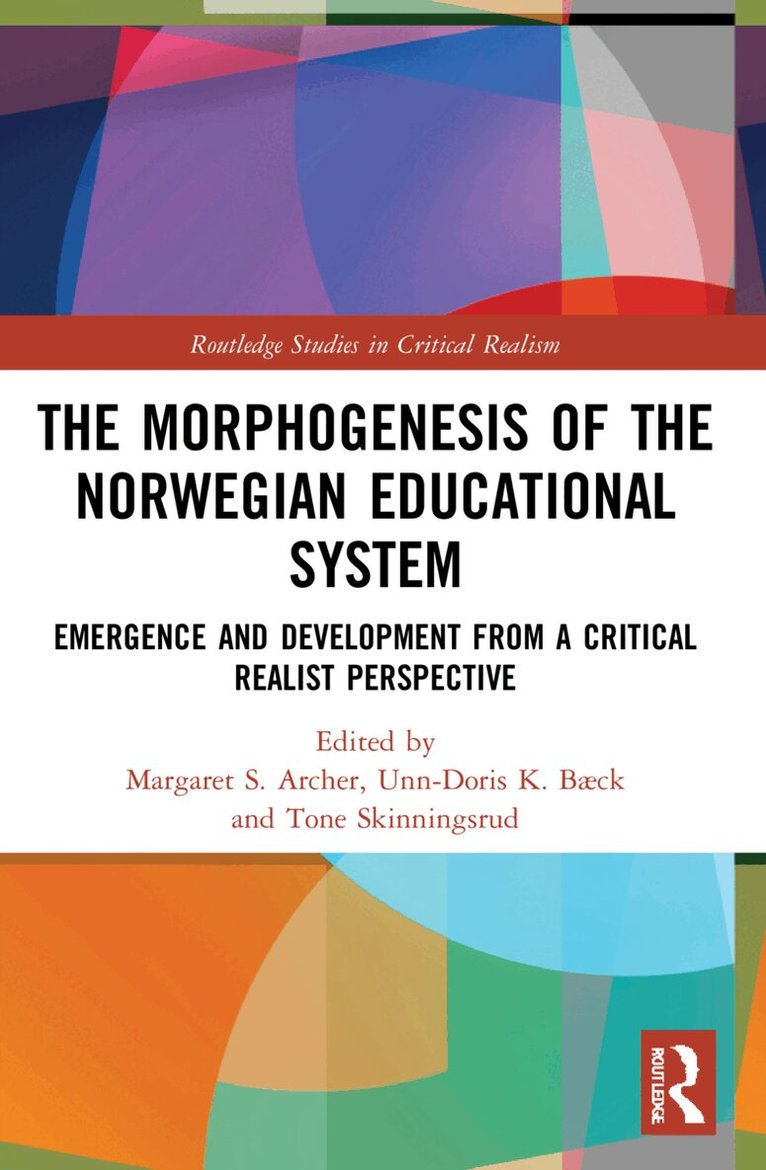
Morphogenesis of the Norwegian Educational System
Emergence and Development from a Critical Realist Perspective
Av Margaret S. Archer, Unn-Doris K. Bæck m. fl.
Häftad, 2023
692 kr
Lägg i varukorg
Based in the philosophy of critical realism, this book employs a range of Margaret Archer’s theoretical concepts to investigate temporal and spatial aspects of Norwegian education. Stemming from Archer’s engagement as visiting professor from 2017 to 2019 in the Department of Education at UiT The …
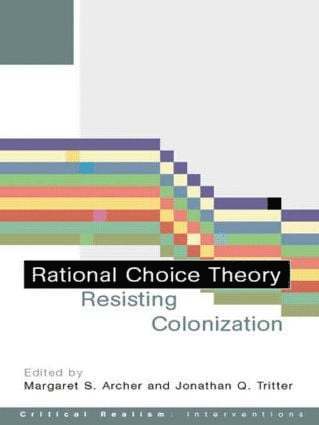
Rational Choice Theory
Resisting Colonisation
Av Margaret S. Archer, Jonathan Q. Tritter
Häftad, 2000
829 kr
Lägg i varukorg
Rational Choice Theory is flourishing in sociology and is increasingly influential in other disciplines. Contributors to this volume are convinced that it provides an inadequate conceptualization of all aspects of decision making: of the individuals who make the decisions, of the process by which …
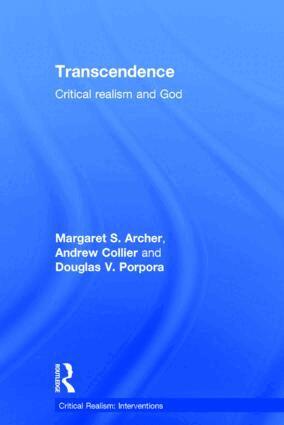
Transcendence
Critical Realism and God
Av Margaret S. Archer, Andrew Collier m. fl.
Inbunden, 2004
2516 kr
Lägg i varukorg
Atheism as a belief does not have to present intellectual credentials within academia. Yet to hold beliefs means giving reasons for doing so, ones which may be found wanting. Instead, atheism is the automatic default setting within the academic world.Conversely, religious belief confronts a double …
Conversations About Reflexivity
Inbunden, 2009
2445 kr
Lägg i varukorg
" Reflexivity" is defined as the regular exercise of the mental ability, shared by all normal people, to consider themselves in relation to their (social) contexts and vice versa. In addition to this sociological interest, it allows us to hold idle or trivial internal conversations. Focussing fully …
Engaging with the World
Agency, Institutions, Historical Formations
Av Margaret S Archer, Andrea Maccarini
Inbunden, 2013
2516 kr
Lägg i varukorg
This title reflects the general theme of the 2010 IACR annual conference that was held in Padova, Italy, the aim of which was to provide a fresh view on some cultural and structural changes involving Western societies after the world economic crisis of 2008, from the point of view of Critical …
Conversations About Reflexivity
Häftad, 2013
886 kr
Lägg i varukorg
" Reflexivity" is defined as the regular exercise of the mental ability, shared by all normal people, to consider themselves in relation to their (social) contexts and vice versa. In addition to this sociological interest, it allows us to hold idle or trivial internal conversations. Focussing fully …
Realist Social Theory
The Morphogenetic Approach
Inbunden, 1995
1552 kr
Lägg i varukorg
Building on her seminal contribution to social theory in Culture and Agency, in this 1995 book Margaret Archer develops her morphogenetic approach, applying it to the problem of structure and agency. Since structure and agency constitute different levels of stratified social reality, each possesses …
Structure, Agency and the Internal Conversation
Häftad, 2003
553 kr
Lägg i varukorg
The central problem of social theory is 'structure and agency'. How do the objective features of society influence human agents? Determinism is not the answer, nor is conditioning as currently conceptualised. It accentuates the way structure and culture shape the social context in which individuals …
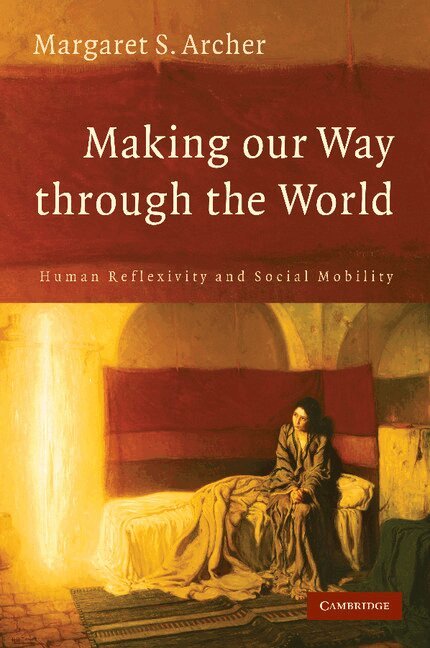
Making our Way through the World
Human Reflexivity and Social Mobility
Häftad, 2007
5,0 utav 5 stjärnor. Totalt antal röster: (1)
666 kr
Lägg i varukorg
How do we reflect upon ourselves and our concerns in relation to society, and vice versa? Human reflexivity works through 'internal conversations' using language, but also emotions, sensations and images. Most people acknowledge this 'inner-dialogue' and can report upon it. However, little research …
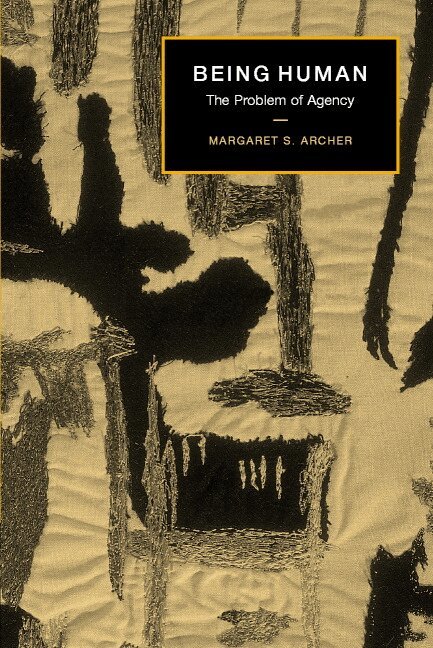
Being Human
The Problem of Agency
Inbunden, 2000
1090 kr
Lägg i varukorg
Humanity and the very notion of the human subject are under threat from postmodernist thinking which has declared not only the 'Death of God' but also the 'Death of Man'. This book is a revindication of the concept of humanity, rejecting contemporary social theory that seeks to diminish human …
Being Human
The Problem of Agency
Häftad, 2000
471 kr
Lägg i varukorg
Humanity and the very notion of the human subject are under threat from postmodernist thinking which has declared not only the 'Death of God' but also the 'Death of Man'. This book is a revindication of the concept of humanity, rejecting contemporary social theory that seeks to diminish human …
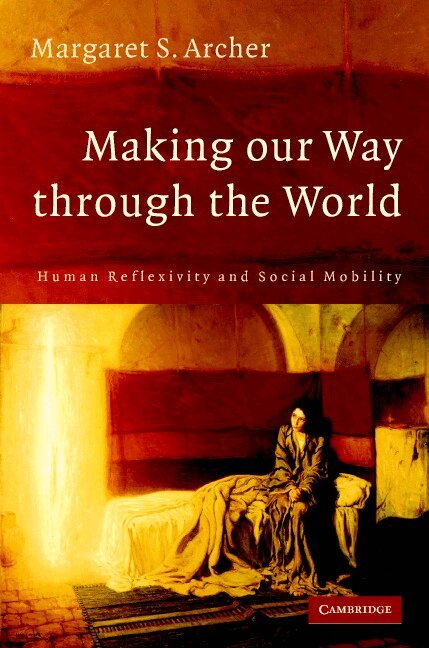
Making our Way through the World
Human Reflexivity and Social Mobility
Inbunden, 2007
1335 kr
Lägg i varukorg
How do we reflect upon ourselves and our concerns in relation to society, and vice versa? Human reflexivity works through 'internal conversations' using language, but also emotions, sensations and images. Most people acknowledge this 'inner-dialogue' and can report upon it. However, little research …
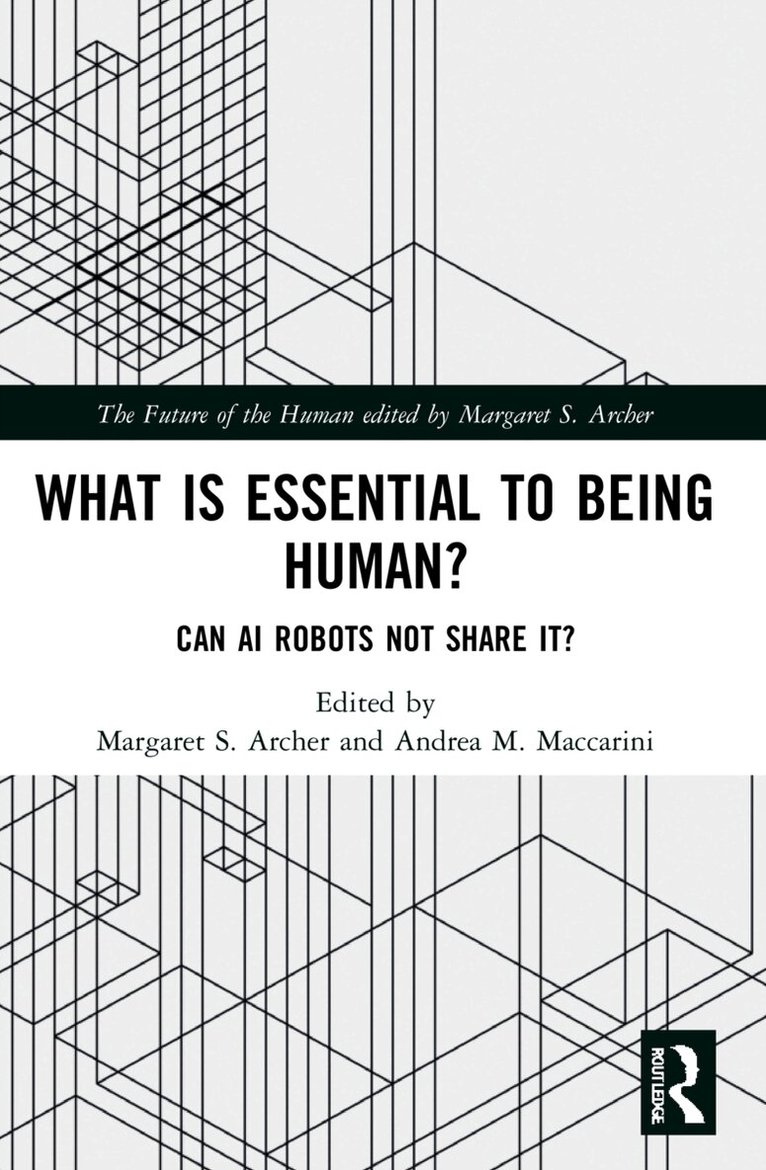
What is Essential to Being Human?
Can AI Robots Not Share It?
Av Andrea M. Maccarini, Margaret S. Archer
E-bok, 2021
814 kr
Lägg i varukorg
This book asks whether there exists an essence exclusive to human beings despite their continuous enhancement – a nature that can serve to distinguish humans from artificially intelligent robots, now and in the foreseeable future. Considering what might qualify as such an essence, this volume …
What is Essential to Being Human?
Can AI Robots Not Share It?
Av Andrea M. Maccarini, Margaret S. Archer
E-bok, 2021
814 kr
Lägg i varukorg
This book asks whether there exists an essence exclusive to human beings despite their continuous enhancement – a nature that can serve to distinguish humans from artificially intelligent robots, now and in the foreseeable future. Considering what might qualify as such an essence, this volume …
Morphogenesis of the Norwegian Educational System
Emergence and Development from a Critical Realist Perspective
Av Tone Skinningsrud, Unn-Doris K. Baeck m. fl.
E-bok, 2022
774 kr
Lägg i varukorg
Based in the philosophy of critical realism, this book employs a range of Margaret Archer’s theoretical concepts to investigate temporal and spatial aspects of Norwegian education. Stemming from Archer’s engagement as visiting professor from 2017 to 2019 in the Department of Education at UiT …
Morphogenesis of the Norwegian Educational System
Emergence and Development from a Critical Realist Perspective
Av Tone Skinningsrud, Unn-Doris K. Baeck m. fl.
E-bok, 2022
774 kr
Lägg i varukorg
Based in the philosophy of critical realism, this book employs a range of Margaret Archer’s theoretical concepts to investigate temporal and spatial aspects of Norwegian education. Stemming from Archer’s engagement as visiting professor from 2017 to 2019 in the Department of Education at UiT …
Morphogenesis Answers Its Critics
Inbunden, 2024
1465 kr
Lägg i varukorg
In this final book by renowned sociologist Margaret S. Archer, her groundbreaking morphogenetic approach is defended, refined and extended through a series of engagements with her critics. Archer, a pioneer of critical realism, addresses key debates surrounding her work on structure, agency, and …
Morphogenesis Answers Its Critics
Häftad, 2025
455 kr
Lägg i varukorg
In this final book by renowned sociologist Margaret S. Archer, her groundbreaking morphogenetic approach is defended, refined and extended through a series of engagements with her critics. Archer, a pioneer of critical realism, addresses key debates surrounding her work on structure, agency, and …
What is Essential to Being Human?
Can AI Robots Not Share It?
Av Margaret S. Archer, Andrea M. Maccarini
Häftad, 2023
692 kr
Lägg i varukorg
This book asks whether there exists an essence exclusive to human beings despite their continuous enhancement – a nature that can serve to distinguish humans from artificially intelligent robots, now and in the foreseeable future. Considering what might qualify as such an essence, this volume …
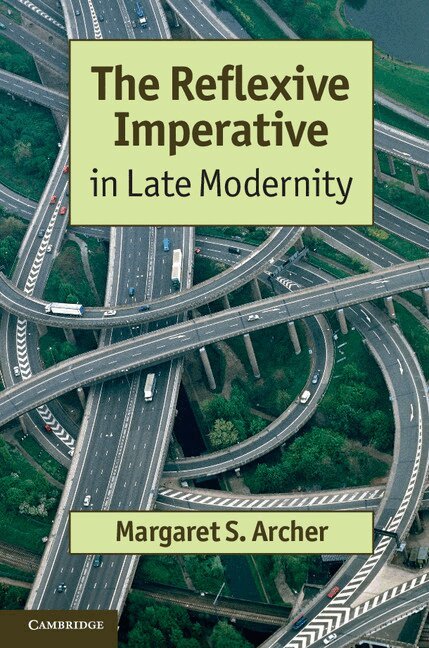
The Reflexive Imperative in Late Modernity
Inbunden, 2012
1270 kr
Lägg i varukorg
This book completes Margaret Archer's trilogy investigating the role of reflexivity in mediating between structure and agency. What do young people want from life? Using analysis of family experiences and life histories, her argument respects the properties and powers of both structures and agents …
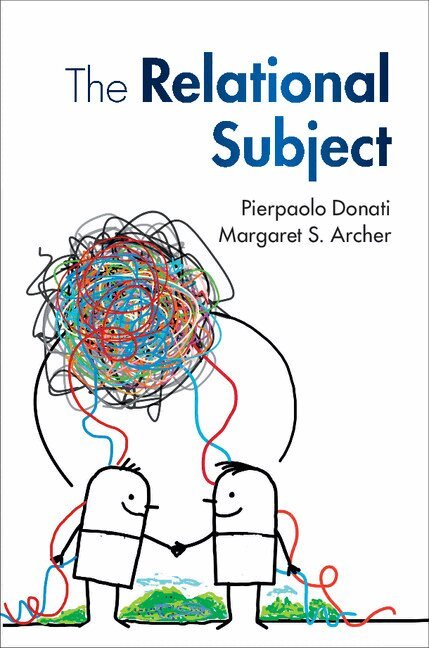
The Relational Subject
Av Pierpaolo Donati, Margaret S. Archer
Inbunden, 2015
1465 kr
Lägg i varukorg
Many social theorists now call themselves 'relational sociologists', but mean entirely different things by it. The majority endorse a 'flat ontology', dealing exclusively with dyadic relations. Consequently, they cannot explain the context in which relationships occur or their consequences, except …
The Relational Subject
Av Pierpaolo Donati, Margaret S. Archer
Häftad, 2015
569 kr
Lägg i varukorg
Many social theorists now call themselves 'relational sociologists', but mean entirely different things by it. The majority endorse a 'flat ontology', dealing exclusively with dyadic relations. Consequently, they cannot explain the context in which relationships occur or their consequences, except …