Margaret W. Conkey – författare
Visar alla böcker från författaren Margaret W. Conkey. Handla med fri frakt och snabb leverans.
5 produkter
5 produkter
Häftad, Engelska, 1991
838 kr
Skickas inom 5-8 vardagar
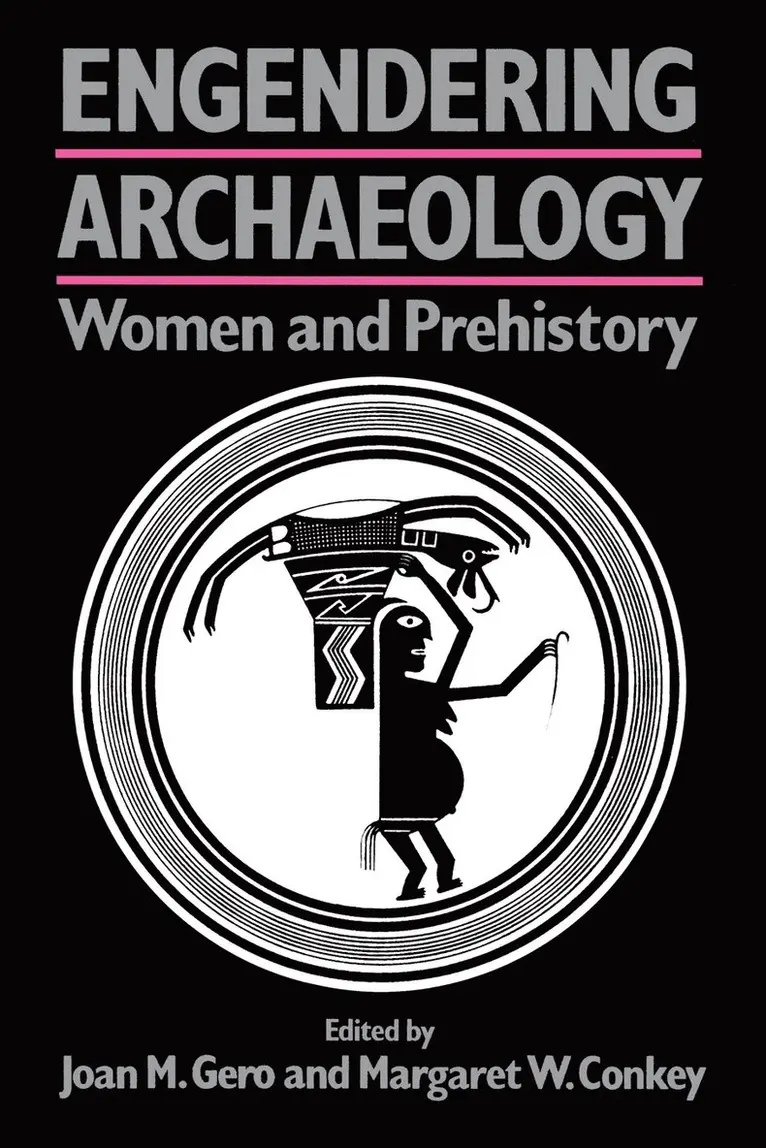
This pathbreaking book brings gender issues to archaeology for the first time, in an explicit and theoretically informed way. In it, leading archaeologists from around the world contribute original analyses of prehistoric data to discover how gender systems operated in the past.
E-bok
PDF, Engelska, 2010459 kr
Läs direkt efter köp
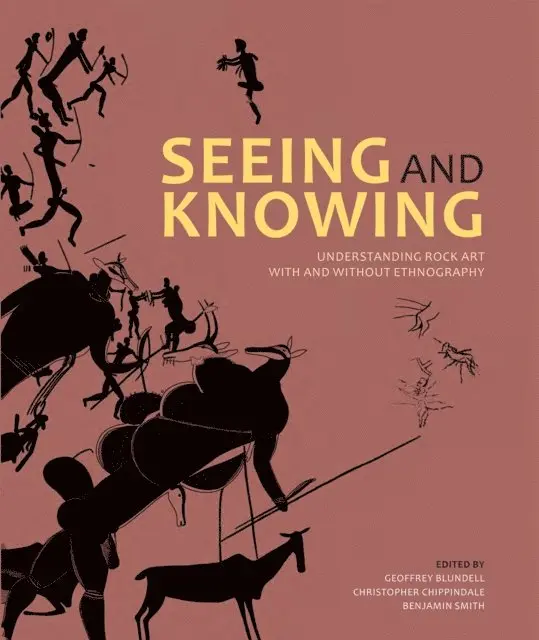
It is largely through the work of David Lewis-Williams that San rock art has come to be understood so well, as a complex symbolic and metaphoric representation of San religious beliefs and practices. The purpose of this volume is to demonstrate the depth and wide geographical impact of Lewis-Williams’ contribution, with particular emphasis on the use of theory and methodology drawn from ethnography that he has used with inspirational effect in understanding the meaning and context of rock art in various parts of the world. Seeing and Knowing explores how to understand and learn from rock art with and without ethnography. Because many of the chapters are based on solid fieldwork and ethnographic research, they offer a new body of work that provides the evidence for differentiation between knowing and simply seeing. This volume is unique in that it focuses exclusively on rock art and ethnography, and covers such a wide geographic range of examples on this topic, from southern Africa, to Scandinavia, to the United States. Many of the chapters explore studies in rock art regions of the world where variation and constancy can be observed and explored across distances both in space and in time. The editors have entitled the book Seeing and Knowing to echo Lewis-Williams’ Believing and Seeing published almost thirty years ago; they say ‘seeing’ again because looking at rock art is and will always be central, and then what is seen when human eyes and minds look; they say ‘knowing’ in recognition that, by his work and by his example, archaeologists now know a little more than they knew before. Even so, as Lewis-Williams will be the first to say, we still know only a fraction.
E-bok
Engelska, 2010459 kr
Läs direkt efter köp
It is largely through the work of David Lewis-Williams that San rock art has come to be understood so well, as a complex symbolic and metaphoric representation of San religious beliefs and practices. The purpose of this volume is to demonstrate the depth and wide geographical impact of Lewis-Williams’ contribution, with particular emphasis on the use of theory and methodology drawn from ethnography that he has used with inspirational effect in understanding the meaning and context of rock art in various parts of the world. Seeing and Knowing explores how to understand and learn from rock art with and without ethnography. Because many of the chapters are based on solid fieldwork and ethnographic research, they offer a new body of work that provides the evidence for differentiation between knowing and simply seeing. This volume is unique in that it focuses exclusively on rock art and ethnography, and covers such a wide geographic range of examples on this topic, from southern Africa, to Scandinavia, to the United States. Many of the chapters explore studies in rock art regions of the world where variation and constancy can be observed and explored across distances both in space and in time. The editors have entitled the book Seeing and Knowing to echo Lewis-Williams’ Believing and Seeing published almost thirty years ago; they say ‘seeing’ again because looking at rock art is and will always be central, and then what is seen when human eyes and minds look; they say ‘knowing’ in recognition that, by his work and by his example, archaeologists now know a little more than they knew before. Even so, as Lewis-Williams will be the first to say, we still know only a fraction.
Inbunden, Engelska, 2024
560 kr
Skickas inom 10-15 vardagar
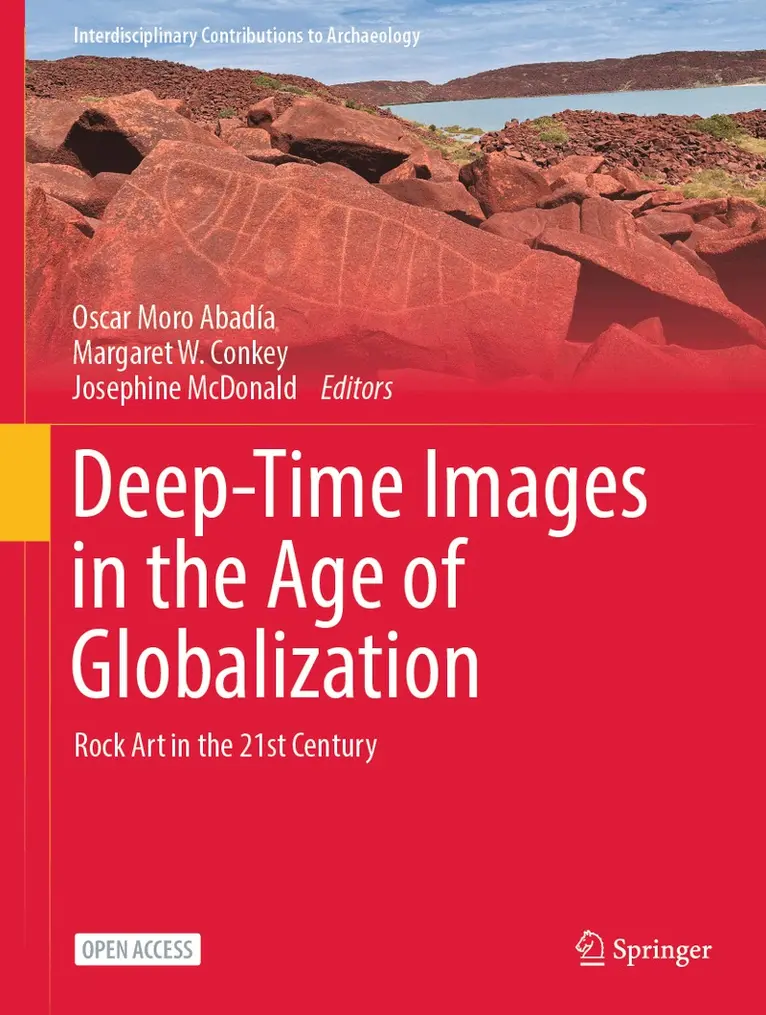
This open access volume explores the impact of globalization on the contemporary study of deep-time art. The volume explores how early rock art research’s Eurocentric biases have shifted with broadened global horizons to facilitate new conversations and discourses in new post-colonial realities. The book uses seven main themes to explore theoretical, methodological, ethical, and practical developments that are orienting the study of Pleistocene and Holocene arts in the age of globalization. Compiling studies as diverse as genetics, visualization, with the proliferation of increasingly sophisticated archaeological techniques, means that vast quantities of materials and techniques are now incorporated into the analysis of the world’s visual cultures. Deep-Time Images in the Age of Globalization aims to promote critical reflection on the multitude of positive – and negative – impacts that globalization has wrought in rock art research. The volume brings new theoretical frameworks as well as engagement with indigenous knowledge and perspectives from art history. It highlights technical, methodological and interpretive developments, and showcases rock art characteristics from previously unknown (in the global north) geographic areas. This book provides comparative approaches on rock art globally and scrutinises the impacts of globalization on research, preservation, and management of deep-time art. This book will appeal to archaeologists, social scientists and art historians working in the field as well as lovers of rock art.
Häftad, Engelska, 2025
449 kr
Skickas inom 10-15 vardagar
This open access volume explores the impact of globalization on the contemporary study of deep-time art. The volume explores how early rock art research’s Eurocentric biases have shifted with broadened global horizons to facilitate new conversations and discourses in new post-colonial realities. The book uses seven main themes to explore theoretical, methodological, ethical, and practical developments that are orienting the study of Pleistocene and Holocene arts in the age of globalization. Compiling studies as diverse as genetics, visualization, with the proliferation of increasingly sophisticated archaeological techniques, means that vast quantities of materials and techniques are now incorporated into the analysis of the world’s visual cultures. Deep-Time Images in the Age of Globalization aims to promote critical reflection on the multitude of positive – and negative – impacts that globalization has wrought in rock art research. The volume brings new theoretical frameworks as well as engagement with indigenous knowledge and perspectives from art history. It highlights technical, methodological and interpretive developments, and showcases rock art characteristics from previously unknown (in the global north) geographic areas. This book provides comparative approaches on rock art globally and scrutinises the impacts of globalization on research, preservation, and management of deep-time art. This book will appeal to archaeologists, social scientists and art historians working in the field as well as lovers of rock art.