Mary Gauvain - Böcker
Visar alla böcker från författaren Mary Gauvain. Handla med fri frakt och snabb leverans.
5 produkter
5 produkter
623 kr
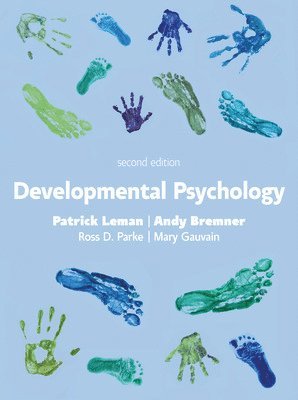
Developmental Psychology is a market leading textbook with a highly respected author team. This edition combines classic and up-to-date research across the broad span of this dynamic subject area to give a comprehensive introduction and is designed for first and second year undergraduate students. This topical approach provides a sophisticated presentation of the theories that guide research in developmental psychology whilst also retaining a focus on the importance of data. The international outlook of the text provides students with a holistic introduction to the discipline.Key updates and features include:•Updated Research Close-Up boxes, which take an inside look at research studies, familiarising students with the scientific-journal format and encourages them to think critically.•Updated Applied Developmental Psychology boxes which make real world connections, with a focus on how the results of research can be applied to the solution of problems in children’s development.•A new section of the effects of puberty on brain development•Revised coverage of attachment•Fully updated coverage of the diagnostic criteria and classification of disorders in accordance with the DSM-5•Renewed focus on ‘Chronology of Development’ for each chapter to chart the chronological progression of each topic.Available with McGraw-Hill Education’s Connect®, the well-established online learning platform, which features our award-winning adaptive reading experience as well as resources to help faculty and institutions improve student outcomes and course delivery efficiency. Learn more: https://www.mheducation.co.uk/digital/product/connect
227 kr
Skickas inom 7-10 vardagar
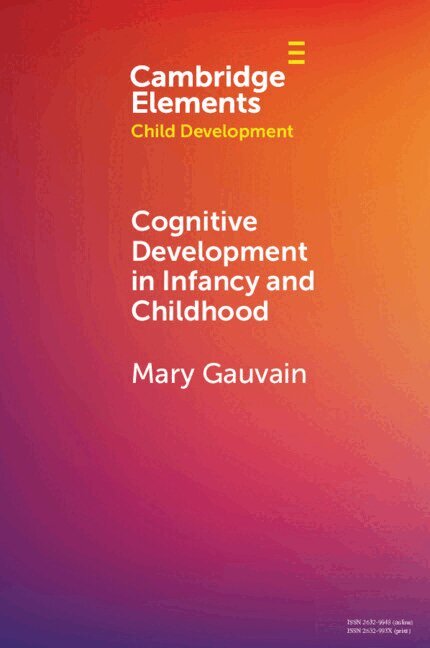
This Element describes the main theories that guide contemporary research in cognitive development along with research discoveries in several important cognitive abilities: attention, language, social cognition, memory, metacognition and executive function, and problem solving and reasoning. Biological and social contributions are considered side-by-side, and cultural contributions are highlighted. As children participate in social interactions and learn to use cultural symbols and tools to organize and support their thinking, the behaviors and understandings of the social community and the culture more broadly become an integral part of children's thoughts and actions. Culture, the natural ecological setting or habitat of human beings, plays a significant role by providing support and direction for cognitive development. Without the capacity to learn socially, human cognition would be markedly different from what it is today.
796 kr
Skickas inom 7-10 vardagar
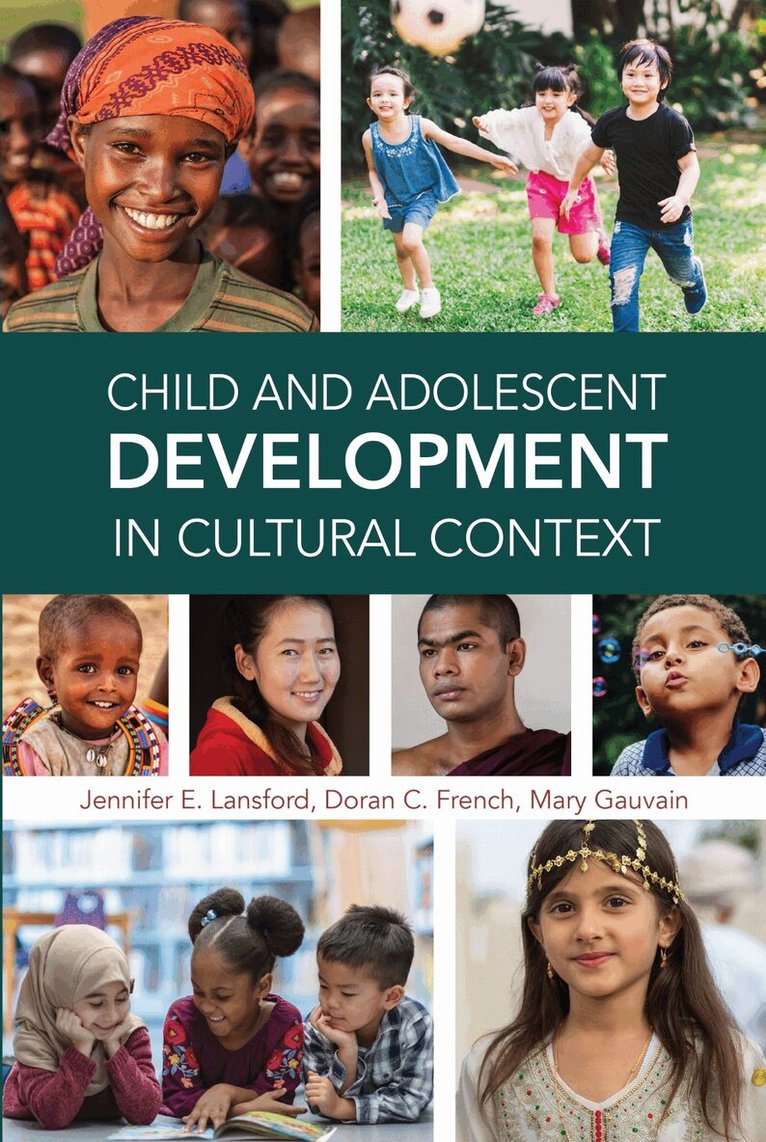
Human development doesn amp rsquo t occur in a vacuum. Rather, it is deeply rooted in, and affected by, culture.This textbook examines how culture affects several domains of development, including cognition, emotion, sociolinguistics, peer relationships, family relationships, and more. The chapters highlight differences between amp ldquo WEIRD amp rdquo cultures (Western, educated, and from industrialized, rich, and democratic countries) and non-WEIRD cultures, as well as differences with respect to gender, race/ethnicity, socioeconomic status, and other identity markers. Each chapter draws upon a large research base and highlights specific studies to engage students, illustrate key points, and convey the role of empirical research in psychology. As a result, students will learn that the development of behavior, values, social relationships, ways of seeing the world, language, and thought processes cannot be understood separate from culture.
1 212 kr
Skickas inom 3-6 vardagar
Traditional approaches to cognitive development can tell us a great deal about the internal processes involved in learning. Sociocultural perspectives, on the other hand, provide valuable insights into the influences on learning of relationship and cultural variables. This volume provides a much-needed bridge between these disparate bodies of research, examining the specific processes through which children internalize the lessons learned in social contexts. The book reviews current findings on four specific domains of cognitive development--attention, memory, problem solving, and planning. The course of intellectual growth in each domain is described, and social factors that support or constrain it are identified. The focus throughout is on how family, peer, and community factors influence not only what a child learns, but also how learning occurs. Supporting her arguments with solid empirical data, the author convincingly shows how attention to sociocultural factors can productively complement more traditional avenues of investigation.
605 kr
Skickas inom 3-6 vardagar
Traditional approaches to cognitive development can tell us a great deal about the internal processes involved in learning. Sociocultural perspectives, on the other hand, provide valuable insights into the influences on learning of relationship and cultural variables. This volume provides a much-needed bridge between these disparate bodies of research, examining the specific processes through which children internalize the lessons learned in social contexts. The book reviews current findings on four specific domains of cognitive development--attention, memory, problem solving, and planning. The course of intellectual growth in each domain is described, and social factors that support or constrain it are identified. The focus throughout is on how family, peer, and community factors influence not only what a child learns, but also how learning occurs. Supporting her arguments with solid empirical data, the author convincingly shows how attention to sociocultural factors can productively complement more traditional avenues of investigation.