Michael S. Sacks – författare
1 667 kr
Skickas inom 10-15 vardagar
2 036 kr
Läs direkt efter köp
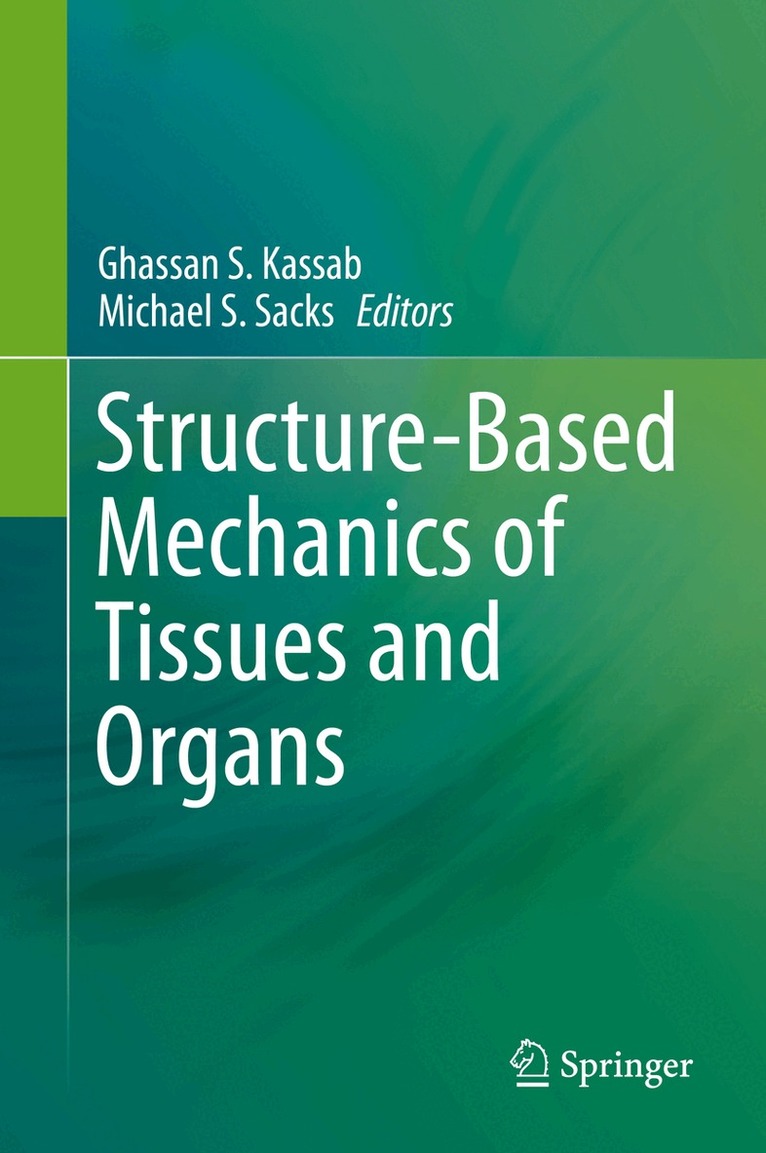
This book portrays the commonality of tissue micro-structure that dictates physiological function in various organs (microstructure-function relation). Tissue and organ models are used to illustrate physiological functions based on microstructure. Fiber scale properties such as orientation and crimp are described in detail. Structurally-based constitutive models are given throughout the book, not only to avoid ambiguities in material characterization, but also to offer insights into the function, structure, and mechanics of tissue components. A statement of future directions of the field is also given, including how advancements, such as state-of-the-art computational modeling and optical measurements of tissue/cells structures, are taking structure-based modeling to the next level.
This book also:
Provides a comprehensive view of tissue modeling across multiple systems
Broadens readers’ understanding of state-of-the-art computational modeling and optical measurements of tissue/cells structures
Describes in detail fiber scale properties such as orientation and crimp
1 667 kr
Skickas inom 10-15 vardagar
2 774 kr
Skickas inom 10-15 vardagar
3 451 kr
Läs direkt efter köp
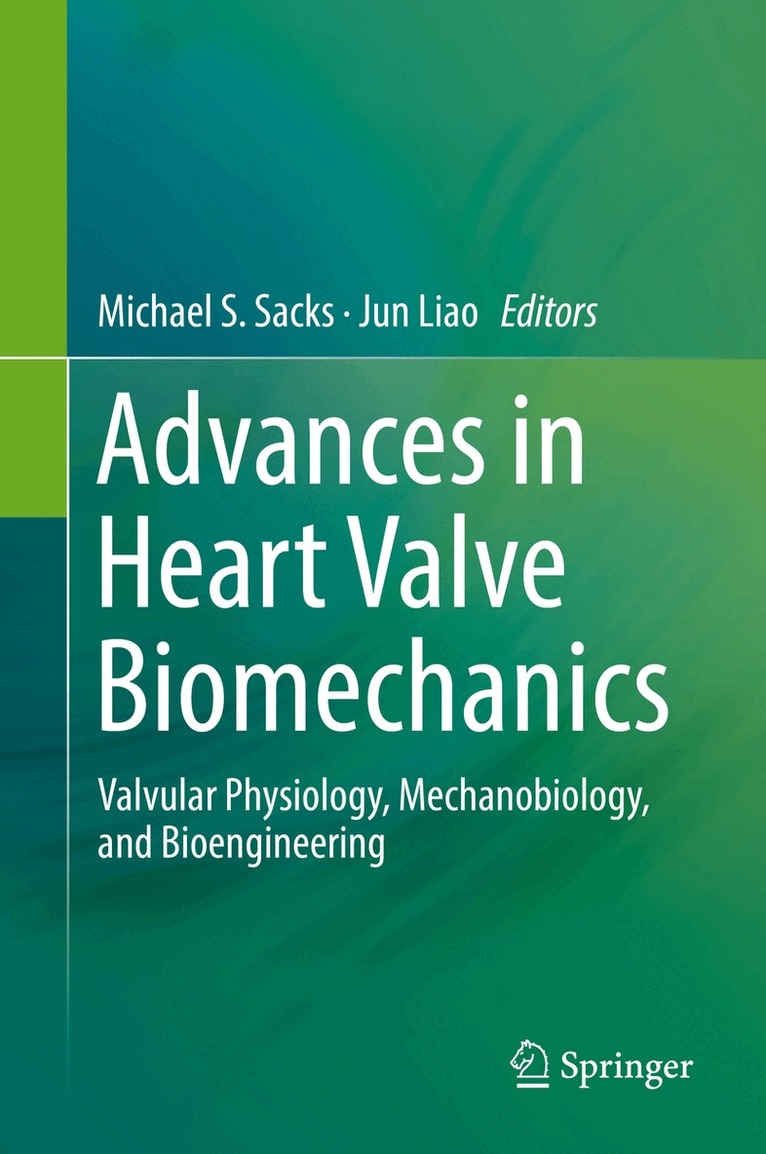
This book covers the latest research development in heart valve biomechanics and bioengineering, with an emphasis on novel experimentation, computational simulation, and applications in heart valve bioengineering. The most current research accomplishments are covered in detail, including novel concepts in valvular viscoelasticity, fibril/molecular mechanisms of tissue behavior, fibril kinematics-based constitutive models, mechano-interaction of valvular interstitial and endothelial cells, biomechanical behavior of acellular valves and tissue engineered valves, novel bioreactor designs, biomechanics of transcatheter valves, and 3D heart valve printing. This is an ideal book for biomedical engineers, biomechanics, surgeons, clinicians, business managers in the biomedical industry, graduate and undergraduate students studying biomedical engineering, and medical students.