Ming-yeh Rawnsley – författare
Visar alla böcker från författaren Ming-yeh Rawnsley. Handla med fri frakt och snabb leverans.
14 produkter
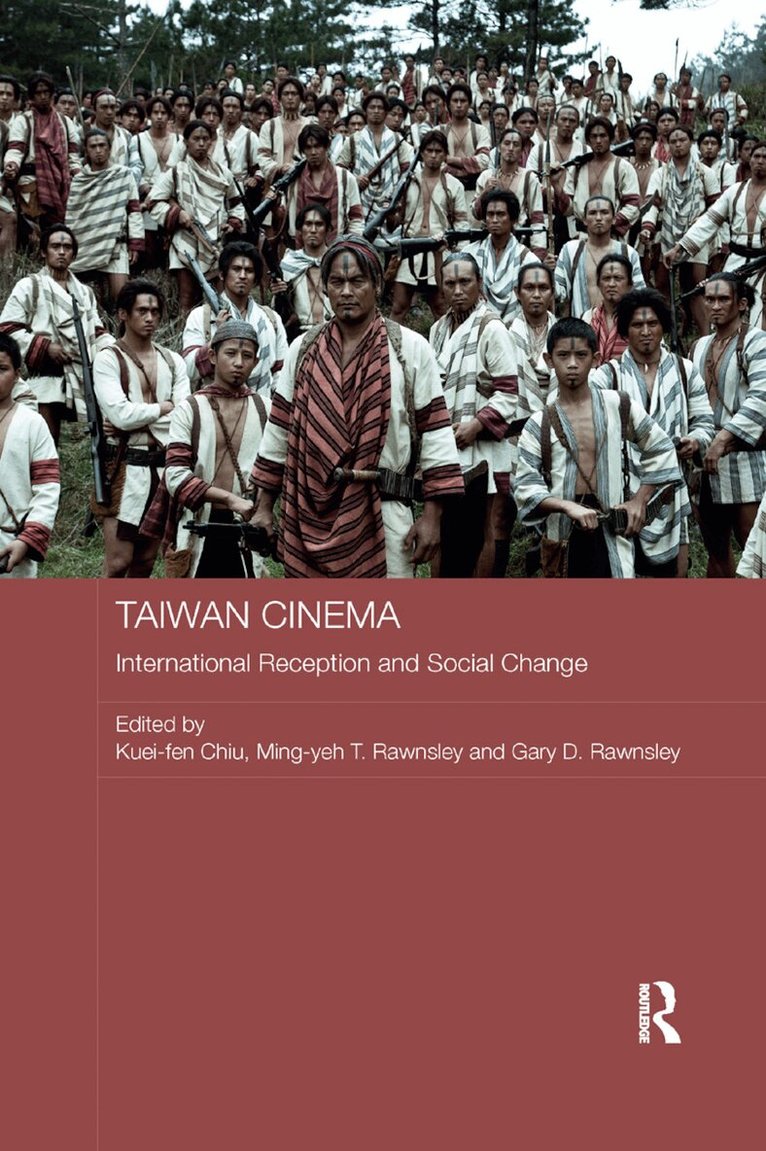
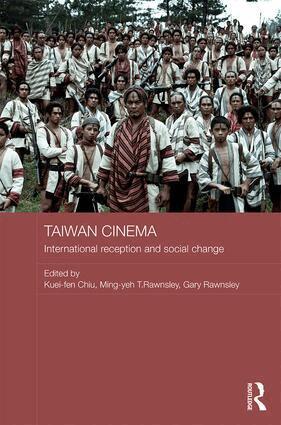
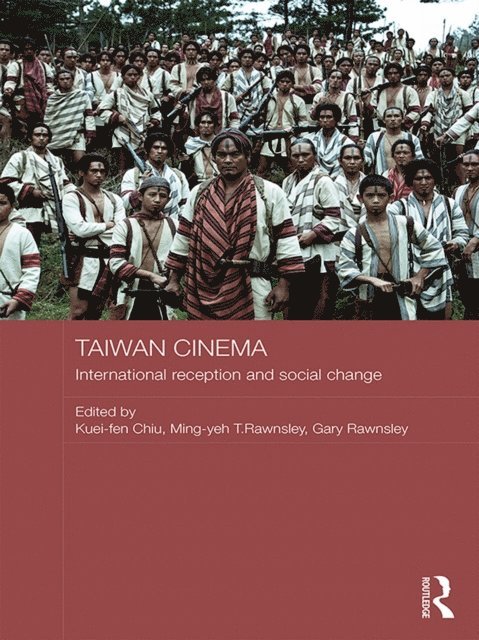
Taiwan Cinema
International Reception and Social Change
Av Kuei-fen Chiu, Ming-yeh Rawnsley m. fl.
Häftad, 2019
692 kr
Lägg i varukorg
The book examines recent developments in Taiwan cinema, with particular focus on a leading contemporary Taiwan filmmaker, Wei Te-sheng, who is responsible for such Asian blockbusters as Cape No.7, Warriors of the Rainbow: Seediq Bale and Kano. The book discusses key issues, including: why (until …
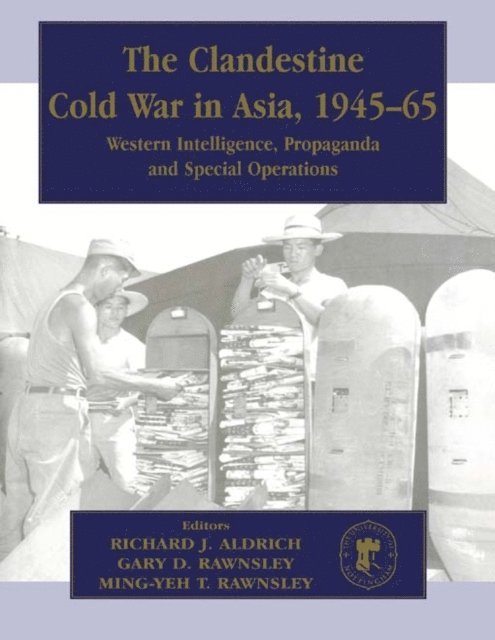
Clandestine Cold War in Asia, 1945-65
Western Intelligence, Propaganda and Special Operations
Av Richard J. Aldrich, Ming-Yeh Rawnsley
Inbunden, 2000
2820 kr
Lägg i varukorg
A range of clandestine Cold War activities in Asia, from intelligence and propaganda to special operations and security support, is examined here. The contributions draw on newly-opened archives and a two-day conference on the subject.
Clandestine Cold War in Asia, 1945-65
Western Intelligence, Propaganda and Special Operations
Av Richard J. Aldrich, Ming-Yeh Rawnsley
Häftad, 2000
935 kr
Lägg i varukorg
A range of clandestine Cold War activities in Asia, from intelligence and propaganda to special operations and security support, is examined here. The contributions draw on newly-opened archives and a two-day conference on the subject.
Clandestine Cold War in Asia, 1945-65
Western Intelligence, Propaganda and Special Operations
Av Ming-Yeh Rawnsley, Richard J. Aldrich
E-bok, 2013
981 kr
Lägg i varukorg
A range of clandestine Cold War activities in Asia, from intelligence and propaganda to special operations and security support, is examined here. The contributions draw on newly-opened archives and a two-day conference on the subject.
Clandestine Cold War in Asia, 1945-65
Western Intelligence, Propaganda and Special Operations
Av Ming-Yeh Rawnsley, Richard J. Aldrich
E-bok, 2013
981 kr
Lägg i varukorg
A range of clandestine Cold War activities in Asia, from intelligence and propaganda to special operations and security support, is examined here. The contributions draw on newly-opened archives and a two-day conference on the subject.
Taiwan Cinema
International Reception and Social Change
Av Kuei-fen Chiu, Ming-yeh Rawnsley m. fl.
Inbunden, 2017
2515 kr
Lägg i varukorg
The book examines recent developments in Taiwan cinema, with particular focus on a leading contemporary Taiwan filmmaker, Wei Te-sheng, who is responsible for such Asian blockbusters as Cape No.7, Warriors of the Rainbow: Seediq Bale and Kano. The book discusses key issues, including: why (until …
Critical Security, Democratisation and Television in Taiwan
Av Gary Rawnsley, Ming-Yeh Rawnsley
Inbunden, 2017
1232 kr
Lägg i varukorg
This title was first published in 2001. By examining the way the ruling Nationalist Party (KMT) dominated Taiwan’s three mainstream television stations before the introduction of political reform in the mid-1980s, the book provides an insightful investigation of how the media can be used as an …
Critical Security, Democratisation and Television in Taiwan
Av Gary Rawnsley, Ming-Yeh Rawnsley
Häftad, 2019
561 kr
Lägg i varukorg
This title was first published in 2001. By examining the way the ruling Nationalist Party (KMT) dominated Taiwan’s three mainstream television stations before the introduction of political reform in the mid-1980s, the book provides an insightful investigation of how the media can be used as an …
Taiwan Cinema
International Reception and Social Change
Av Gary Rawnsley, Ming-yeh Rawnsley m. fl.
E-bok, 2017
796 kr
Lägg i varukorg
The book examines recent developments in Taiwan cinema, with particular focus on a leading contemporary Taiwan filmmaker, Wei Te-sheng, who is responsible for such Asian blockbusters as Cape No.7 , Warriors of the Rainbow: Seediq Bale and Kano . The book discusses key issues, including: why (until …
Taiwan Cinema
International Reception and Social Change
Av Gary Rawnsley, Ming-yeh Rawnsley m. fl.
E-bok, 2017
814 kr
Lägg i varukorg
The book examines recent developments in Taiwan cinema, with particular focus on a leading contemporary Taiwan filmmaker, Wei Te-sheng, who is responsible for such Asian blockbusters as Cape No.7 , Warriors of the Rainbow: Seediq Bale and Kano . The book discusses key issues, including: why (until …
Critical Security, Democratisation and Television in Taiwan
Av Ming-Yeh Rawnsley, Gary Rawnsley
E-bok, 2018
658 kr
Lägg i varukorg
This title was first published in 2001. By examining the way the ruling Nationalist Party (KMT) dominated Taiwan’s three mainstream television stations before the introduction of political reform in the mid-1980s, the book provides an insightful investigation of how the media can be used as an …
Critical Security, Democratisation and Television in Taiwan
Av Ming-Yeh Rawnsley, Gary Rawnsley
E-bok, 2018
658 kr
Lägg i varukorg
This title was first published in 2001. By examining the way the ruling Nationalist Party (KMT) dominated Taiwan’s three mainstream television stations before the introduction of political reform in the mid-1980s, the book provides an insightful investigation of how the media can be used as an …
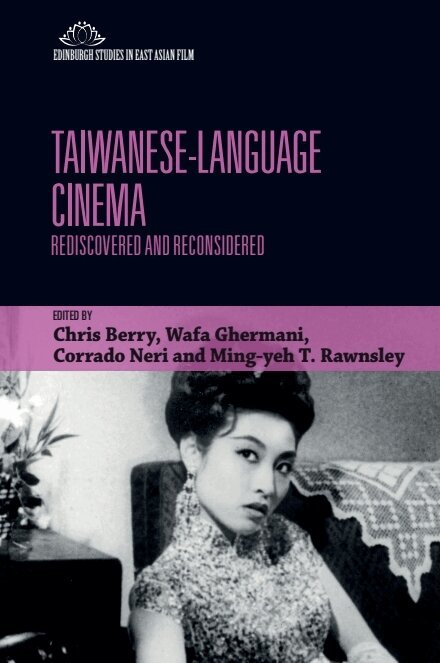
Taiwanese-Language Cinema
Rediscovered and Reconsidered
Av Chris Berry, Wafa Ghermani m. fl.
Inbunden, 2024
1971 kr
Lägg i varukorg
Taiwanese-Language Cinema: Rediscovered and Reconsidered presents diverse approaches to the vibrant commercial film industry known as Taiwanese-language cinema (taiyupian). After a long period of neglect, films are being restored and made available with subtitles.Taiwanese-language cinema was a …
Taiwanese-Language Cinema
Rediscovered and Reconsidered
Av Chris Berry, Wafa Ghermani m. fl.
Häftad, 2026
332 kr
Lägg i varukorg
Taiwanese-Language Cinema: Rediscovered and Reconsidered presents diverse approaches to the vibrant commercial film industry known as Taiwanese-language cinema (taiyupian). After a long period of neglect, films are being restored and made available with subtitles.Taiwanese-language cinema was a …