Mohammad Gharipour – författare
961 kr
Skickas inom 5-8 vardagar
414 kr
Skickas inom 5-8 vardagar
145 kr
Läs direkt efter köp
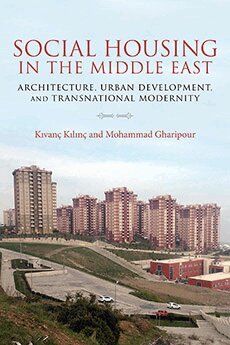
As oil-rich countries in the Middle East are increasingly associated with soaring skyscrapers and modern architecture, attention is being diverted away from the pervasive struggles of social housing in those same urban settings. Social Housing in the Middle East traces the history of social housing—both gleaming postmodern projects and bare-bones urban housing structures—in an effort to provide a wider understanding of marginalized spaces and their impact on identities, communities, and class. While architects may have envisioned utopian or futuristic experiments, these buildings were often constructed with the knowledge and skill sets of local workers, and the housing was in turn adapted to suit the modern needs of residents. This tension between local needs and national aspirations are linked to issues of global importance, including security, migration, and refugee resettlement. The essays collected here consider how culture, faith, and politics influenced the solutions offered by social housing; they provide an insightful look at how social housing has evolved since the 19th century and how it will need to adapt to suit the 21st.
145 kr
Läs direkt efter köp
1 367 kr
Skickas inom 5-8 vardagar
1 923 kr
Skickas inom 7-10 vardagar
556 kr
Skickas inom 5-8 vardagar
831 kr
Skickas inom 10-15 vardagar
773 kr
Skickas inom 10-15 vardagar
588 kr
Läs direkt efter köp
773 kr
Skickas inom 10-15 vardagar
2 252 kr
Skickas inom 10-15 vardagar
2 320 kr
Skickas inom 10-15 vardagar
2 320 kr
Skickas inom 10-15 vardagar
886 kr
Läs direkt efter köp
Historiography is the study of the methodology of writing history, the development of the discipline of history, and the changing interpretations of historical events in the works of individual historians. Exploring the historiography of Persian art and architecture requires a closer look at a diverse range of sources, including chronicles, historical accounts, travelogues, and material evidence coming from archaeological excavations.
The Historiography of Persian Architecture highlights the political, cultural, and intellectual contexts that lie behind the written history of Persian architecture in the twentieth century, presenting a series of investigations on issues related to historiography. This book addresses the challenges, complexities, and contradictions regarding historical and geographical diversity of Persian architecture, including issues lacking in the 20th century historiography of Iran and neighbouring countries. This book not only illustrates different trends in Persian architecture but also clarifies changing notions of research in this field. Aiming to introduce new tools of analysis, the book offers fresh insights into the discipline, supported by historical documents, archaeological data, treatises, and visual materials. It brings together well-established and emerging scholars from a broad range of academic spheres, in order to question and challenge pre-existing historiographical frameworks, particularly through specific case studies. Overall, it provides a valuable contribution to the study of Persian architecture, simultaneously revisiting past literature and advancing new approaches.
This book would be of interest to students and scholars of Middle East and Iranian Studies, as well as Architectural History, including Islamic architecture and historiography.
886 kr
Läs direkt efter köp
Historiography is the study of the methodology of writing history, the development of the discipline of history, and the changing interpretations of historical events in the works of individual historians. Exploring the historiography of Persian art and architecture requires a closer look at a diverse range of sources, including chronicles, historical accounts, travelogues, and material evidence coming from archaeological excavations.
The Historiography of Persian Architecture highlights the political, cultural, and intellectual contexts that lie behind the written history of Persian architecture in the twentieth century, presenting a series of investigations on issues related to historiography. This book addresses the challenges, complexities, and contradictions regarding historical and geographical diversity of Persian architecture, including issues lacking in the 20th century historiography of Iran and neighbouring countries. This book not only illustrates different trends in Persian architecture but also clarifies changing notions of research in this field. Aiming to introduce new tools of analysis, the book offers fresh insights into the discipline, supported by historical documents, archaeological data, treatises, and visual materials. It brings together well-established and emerging scholars from a broad range of academic spheres, in order to question and challenge pre-existing historiographical frameworks, particularly through specific case studies. Overall, it provides a valuable contribution to the study of Persian architecture, simultaneously revisiting past literature and advancing new approaches.
This book would be of interest to students and scholars of Middle East and Iranian Studies, as well as Architectural History, including Islamic architecture and historiography.
886 kr
Läs direkt efter köp
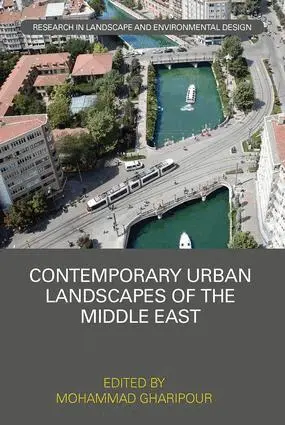
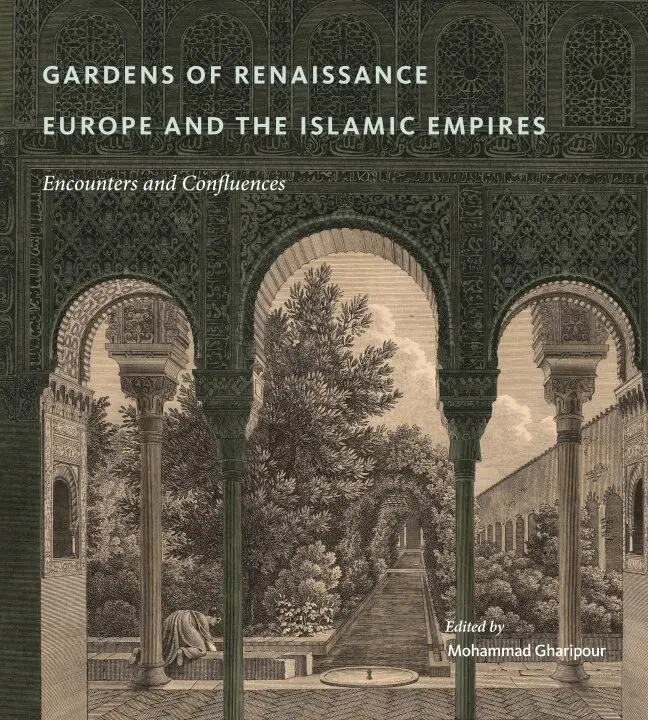
The Middle East is well-known for its historic gardens that have developed over more than two millenniums. The role of urban landscape projects in Middle Eastern cities has grown in prominence, with a gradual shift in emphasis from gardens for the private sphere to an increasingly public function. The contemporary landscape projects, either designed as public plazas or public parks, have played a significant role in transferring the modern Middle Eastern cities to a new era and also in transforming to a newly shaped social culture in which the public has a voice. This book considers what ties these projects to their historical context, and what regional and local elements and concepts have been used in their design.
886 kr
Läs direkt efter köp
The Middle East is well-known for its historic gardens that have developed over more than two millenniums. The role of urban landscape projects in Middle Eastern cities has grown in prominence, with a gradual shift in emphasis from gardens for the private sphere to an increasingly public function. The contemporary landscape projects, either designed as public plazas or public parks, have played a significant role in transferring the modern Middle Eastern cities to a new era and also in transforming to a newly shaped social culture in which the public has a voice. This book considers what ties these projects to their historical context, and what regional and local elements and concepts have been used in their design.
952 kr
Läs direkt efter köp
Presenting a critical, yet innovative, perspective on the cultural interactions between the "East" and the "West", this book questions the role of travel in the production of knowledge and in the construction of the idea of the "Islamic city".
This volume brings together authors from various disciplines, questioning the role of Western travel writing in the production of knowledge about the East, particularly focusing on the cities of the Muslim world. Instead of concentrating on a specific era, chapters span the Medieval and Modern eras in order to present the transformation of both the idea of the "Islamic city" and also the act of traveling and travel writing. Missions to the East, whether initiated by military, religious, economic, scientific, diplomatic or touristic purposes, resulted in a continuous construction, de-construction and re-construction of the "self" and the "other". Including travel accounts, which depicted cities, extending from Europe to Asia and from Africa to Arabia, chapters epitomize the construction of the "Orient" via textual or visual representations. By examining various tools of representation such as drawings, paintings, cartography, and photography in depicting the urban landscape in constant flux, the book emphasizes the role of the mobile individual in defining city space and producing urban culture.
Scrutinising the role of travellers in producing the image of the world we know today, this book is recommended for researchers, scholars and students of Middle Eastern Studies, Cultural Studies, Architecture and Urbanism.
952 kr
Läs direkt efter köp
Presenting a critical, yet innovative, perspective on the cultural interactions between the "East" and the "West", this book questions the role of travel in the production of knowledge and in the construction of the idea of the "Islamic city".
This volume brings together authors from various disciplines, questioning the role of Western travel writing in the production of knowledge about the East, particularly focusing on the cities of the Muslim world. Instead of concentrating on a specific era, chapters span the Medieval and Modern eras in order to present the transformation of both the idea of the "Islamic city" and also the act of traveling and travel writing. Missions to the East, whether initiated by military, religious, economic, scientific, diplomatic or touristic purposes, resulted in a continuous construction, de-construction and re-construction of the "self" and the "other". Including travel accounts, which depicted cities, extending from Europe to Asia and from Africa to Arabia, chapters epitomize the construction of the "Orient" via textual or visual representations. By examining various tools of representation such as drawings, paintings, cartography, and photography in depicting the urban landscape in constant flux, the book emphasizes the role of the mobile individual in defining city space and producing urban culture.
Scrutinising the role of travellers in producing the image of the world we know today, this book is recommended for researchers, scholars and students of Middle Eastern Studies, Cultural Studies, Architecture and Urbanism.
451 kr
Läs direkt efter köp
451 kr
Läs direkt efter köp
434 kr
Skickas inom 10-15 vardagar
1 427 kr
Kommande
2 029 kr
Skickas inom 3-6 vardagar
302 kr
Kommande
2 426 kr
Skickas inom 7-10 vardagar
484 kr
Läs direkt efter köp
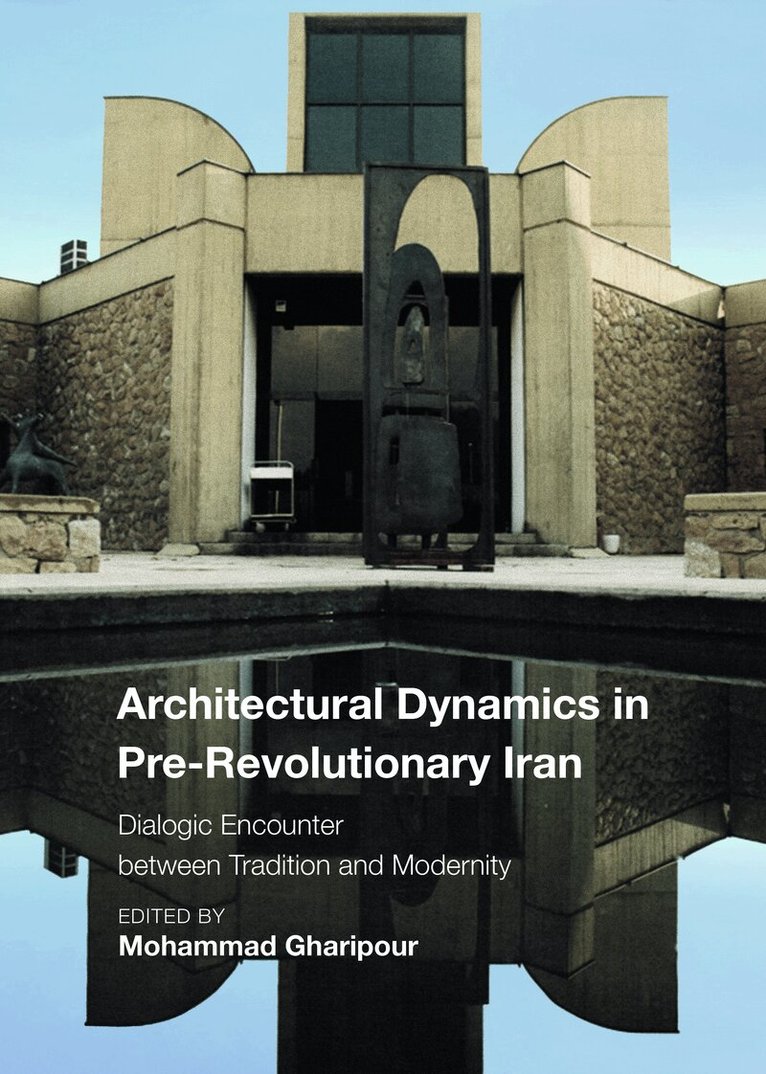
Architectural Dynamics in Pre-Revolutionary Iran
Dialogic Encounter between Tradition and Modernity
1 208 kr
Skickas inom 5-8 vardagar
1 041 kr
Läs direkt efter köp
This volume considers the major trends and developments in Iranian architecture during the 1960s and 70s in order to further our understanding of the underpinnings and intentions of Persian architecture during this period. While narrative explorations of modernism have relied heavily upon classifications based on western experiences and influences, this book provides a more holistic view of the development of Persian architecture by studying both the internal and external forces that influenced it in the late twentieth century. The chapters compiled in Architectural Dynamics in Pre-Revolutionary Iran, accompanied by more than eighty images, shed light on the fascinating — and sometimes controversial — evolution of Iranian architecture and its constant quest for a new paradigm of cultural identity.