Nancy Kober – författare
Visar alla böcker från författaren Nancy Kober. Handla med fri frakt och snabb leverans.
6 produkter
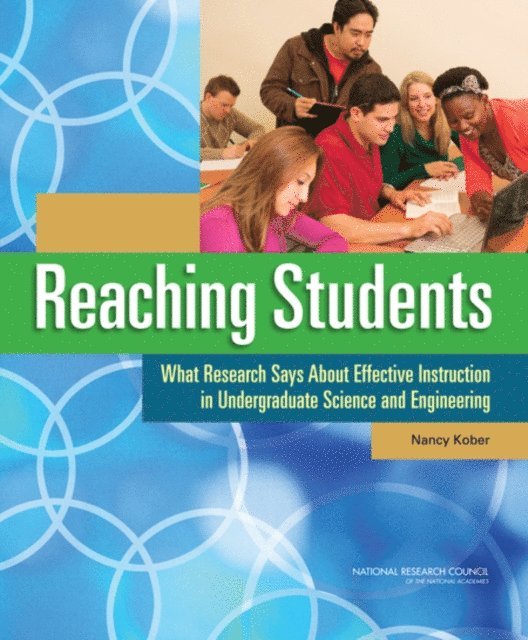
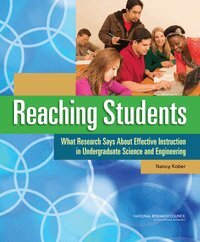
Reaching Students
What Research Says About Effective Instruction in Undergraduate Science and Engineering
Av Nancy Kober, Board on Science Education m. fl.
E-bok, 2015
539 kr
Lägg i varukorg
The undergraduate years are a turning point in producing scientifically literate citizens and future scientists and engineers. Evidence from research about how students learn science and engineering shows that teaching strategies that motivate and engage students will improve their learning. So how …
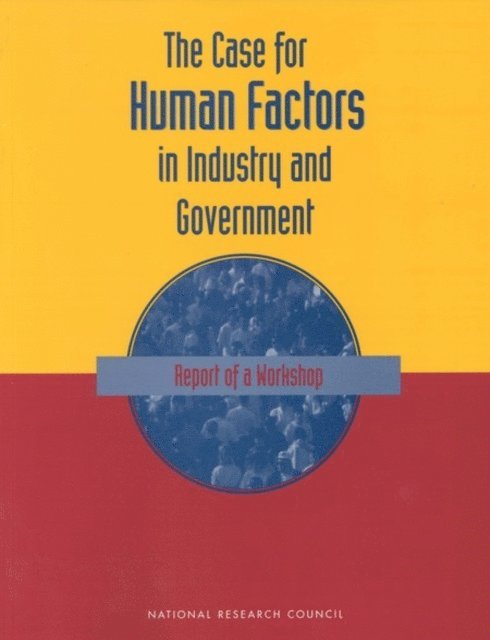
Case For Human Factors in Industry and Government
Report of a Workshop
Av Board on Human-Systems Integration, Division of Behavioral and Social Sciences and Education m. fl.
E-bok, 1997
200 kr
Lägg i varukorg
Rise and Thrive with Science
Teaching PK-5 Science and Engineering
Av and Medicine National Academies of Sciences, Engineering, Division of Behavioral and Social Sciences and Education m. fl.
Häftad, 2023
363 kr
Lägg i varukorg
Research shows that that children learn science and engineering subjects best by engaging from an early age in the kinds of practices used by real scientists and engineers. By doing science and engineering, children not only develop and refine their understanding of the core ideas and crosscutting …
Rise and Thrive with Science
Teaching PK-5 Science and Engineering
Av Nancy Kober, Heidi Carlone m. fl.
E-bok, 2023
539 kr
Lägg i varukorg
Research shows that that children learn science and engineering subjects best by engaging from an early age in the kinds of practices used by real scientists and engineers. By doing science and engineering, children not only develop and refine their understanding of the core ideas and crosscutting …
Case For Human Factors in Industry and Government
Report of a Workshop
Av National Research Council, Division of Behavioral and Social Sciences and Education m. fl.
Häftad, 1997
1165 kr
Tillfälligt slut
Reaching Students
What Research Says About Effective Instruction in Undergraduate Science and Engineering
Av National Research Council, Division of Behavioral and Social Sciences and Education m. fl.
Häftad, 2015
374 kr
Tillfälligt slut
The undergraduate years are a turning point in producing scientifically literate citizens and future scientists and engineers. Evidence from research about how students learn science and engineering shows that teaching strategies that motivate and engage students will improve their learning. So how …