Naoko Saito – författare
Visar alla böcker från författaren Naoko Saito. Handla med fri frakt och snabb leverans.
16 produkter
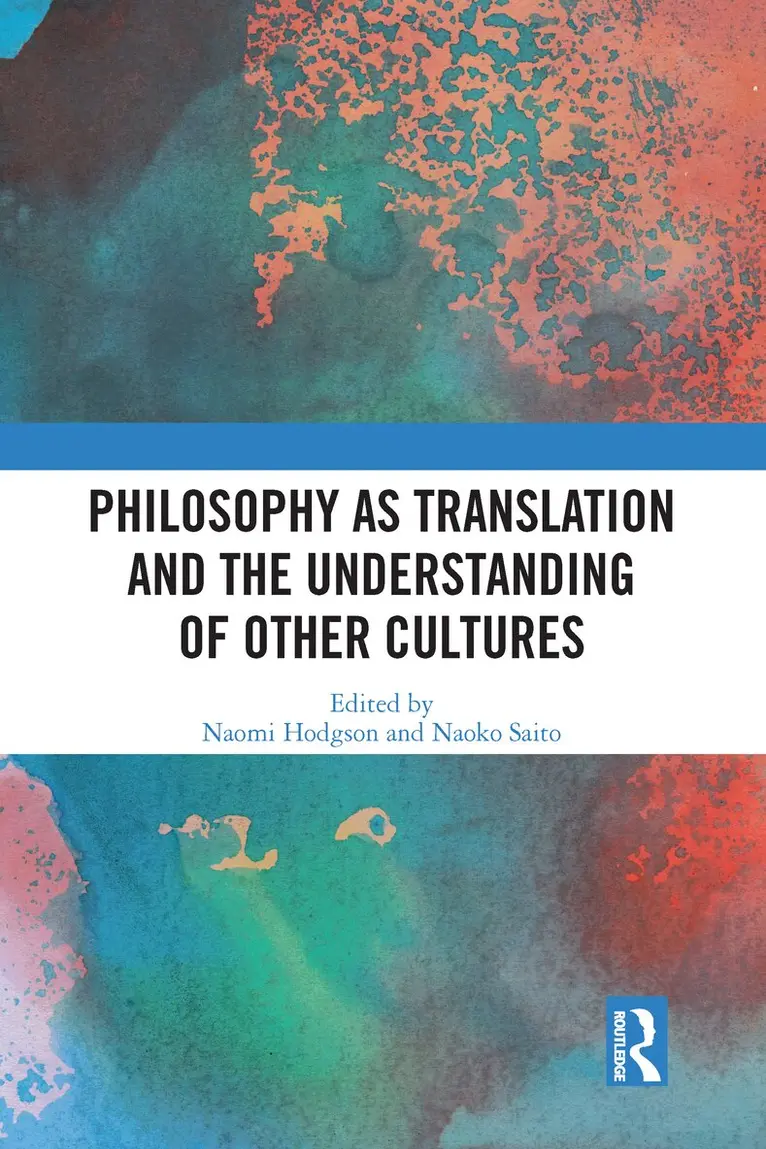
Philosophy as Translation and the Understanding of Other Cultures
Häftad, 2020
628 kr
Lägg i varukorg
The existential crises involved in translation are part of our political life, especially in times when the closing of borders symbolized by Brexit and the triumph of Donald Trump, present new challenges to those living lives of immigrancy and those waiting at the borders. How to resist the emotive …
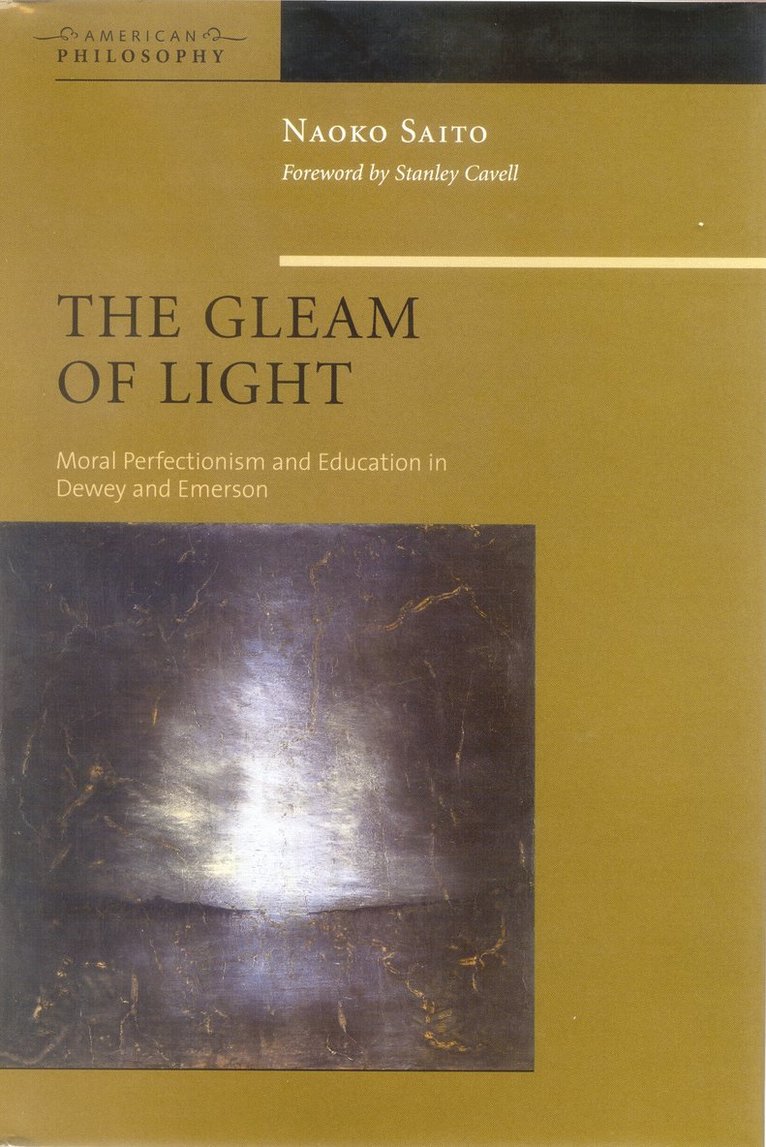
Gleam of Light
Moral Perfectionism and Education in Dewey and Emerson
Av Naoko Saito
Inbunden, 2005
1038 kr
Lägg i varukorg
In the name of efficiency, the practice of education has come to be dominated by neoliberal ideology andprocedures of standardization and quantification. Such attempts to make all aspects of practice transparent and subject to systematic accounting lack sensitivity to the invisible and the silent, …
Gleam of Light
Moral Perfectionism and Education in Dewey and Emerson
Av Naoko Saito
Häftad, 2006
419 kr
Lägg i varukorg
In the name of efficiency, the practice of education has come to be dominated by neoliberal ideology andprocedures of standardization and quantification. Such attempts to make all aspects of practice transparent and subject to systematic accounting lack sensitivity to the invisible and the silent, …
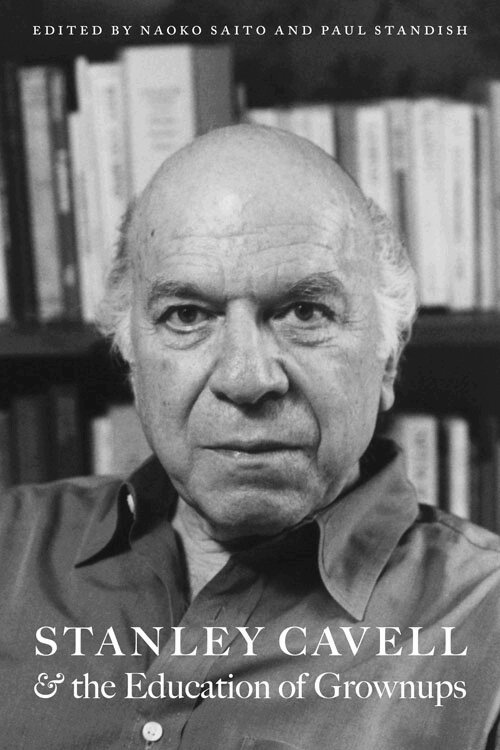
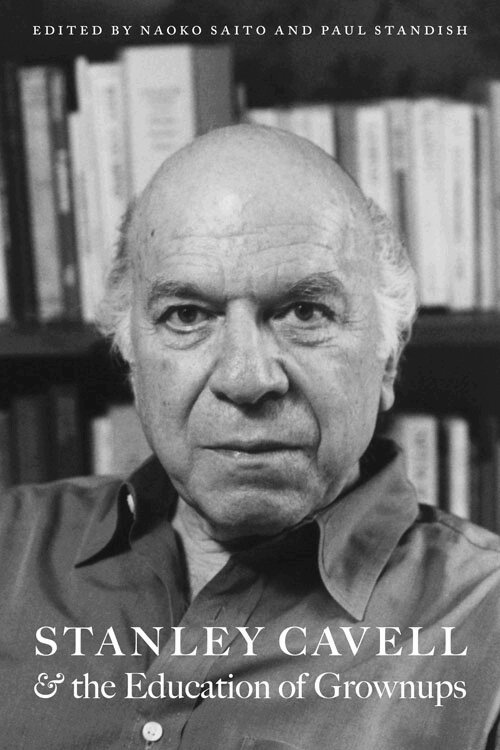
Stanley Cavell and the Education of Grownups
Inbunden, 2012
1148 kr
Lägg i varukorg
What could it mean to speak of philosophy as "the education of grownups"? This book takes Stanley Cavell's much-quoted, yet enigmatic phrase as the provocation for a series of explorations into themes of education that run throughout his work – through his response to Wittgenstein, Austin and …
Stanley Cavell and the Education of Grownups
Häftad, 2012
429 kr
Lägg i varukorg
What could it mean to speak of philosophy as "the education of grownups"? This book takes Stanley Cavell's much-quoted, yet enigmatic phrase as the provocation for a series of explorations into themes of education that run throughout his work – through his response to Wittgenstein, Austin and …
Philosophy as Translation and the Understanding of Other Cultures
Inbunden, 2018
2445 kr
Lägg i varukorg
The existential crises involved in translation are part of our political life, especially in times when the closing of borders symbolized by Brexit and the triumph of Donald Trump, present new challenges to those living lives of immigrancy and those waiting at the borders. How to resist the emotive …
Philosophy as Translation and the Understanding of Other Cultures
E-bok, 2018
741 kr
Lägg i varukorg
The existential crises involved in translation are part of our political life, especially in times when the closing of borders symbolized by Brexit and the triumph of Donald Trump, present new challenges to those living lives of immigrancy and those waiting at the borders. How to resist the emotive …
Philosophy as Translation and the Understanding of Other Cultures
E-bok, 2018
741 kr
Lägg i varukorg
The existential crises involved in translation are part of our political life, especially in times when the closing of borders symbolized by Brexit and the triumph of Donald Trump, present new challenges to those living lives of immigrancy and those waiting at the borders. How to resist the emotive …
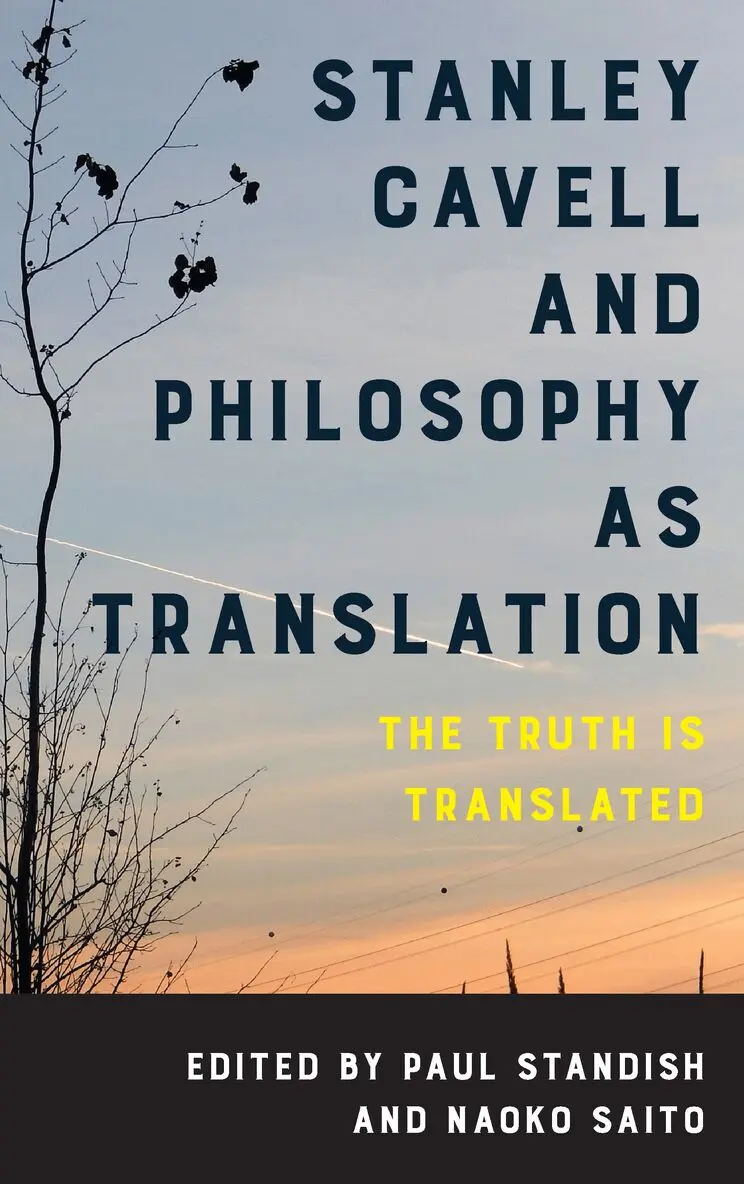
Stanley Cavell and Philosophy as Translation
The Truth is Translated
Inbunden, 2017
1846 kr
Lägg i varukorg
Translation exposes aspects of language that can easily be ignored, renewing the sense of the proximity and inseparability of language and thought. The ancient quarrel between philosophy and literature was an early expression of a self-understanding of philosophy that has, in some quarters at …
Stanley Cavell and Philosophy as Translation
The Truth is Translated
Häftad, 2018
629 kr
Lägg i varukorg
Translation exposes aspects of language that can easily be ignored, renewing the sense of the proximity and inseparability of language and thought. The ancient quarrel between philosophy and literature was an early expression of a self-understanding of philosophy that has, in some quarters at …
Stanley Cavell and Philosophy as Translation
The Truth is Translated
E-bok, 2017
671 kr
Lägg i varukorg
Translation exposes aspects of language that can easily be ignored, renewing the sense of the proximity and inseparability of language and thought. The ancient quarrel between philosophy and literature was an early expression of a self-understanding of philosophy that has, in some quarters at …
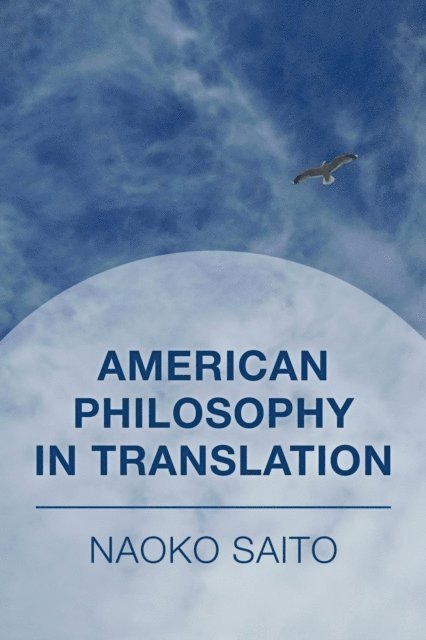
American Philosophy in Translation
Av Naoko Saito
Inbunden, 2019
1705 kr
Lägg i varukorg
In response to the contemporary crisis of democracy as a way of life, in particular, the anxieties of inclusion, this important new book explores the contemporary significance of American philosophy (the pragmatism and American transcendentalism of Emerson and Thoreau) and tries to present new ways …
American Philosophy in Translation
Av Naoko Saito
E-bok, 2019
1870 kr
Lägg i varukorg
In response to the contemporary crisis of democracy as a way of life, in particular, the anxieties of inclusion, this important new book explores the contemporary significance of American philosophy (the pragmatism and American transcendentalism of Emerson and Thoreau) and tries to present new ways …
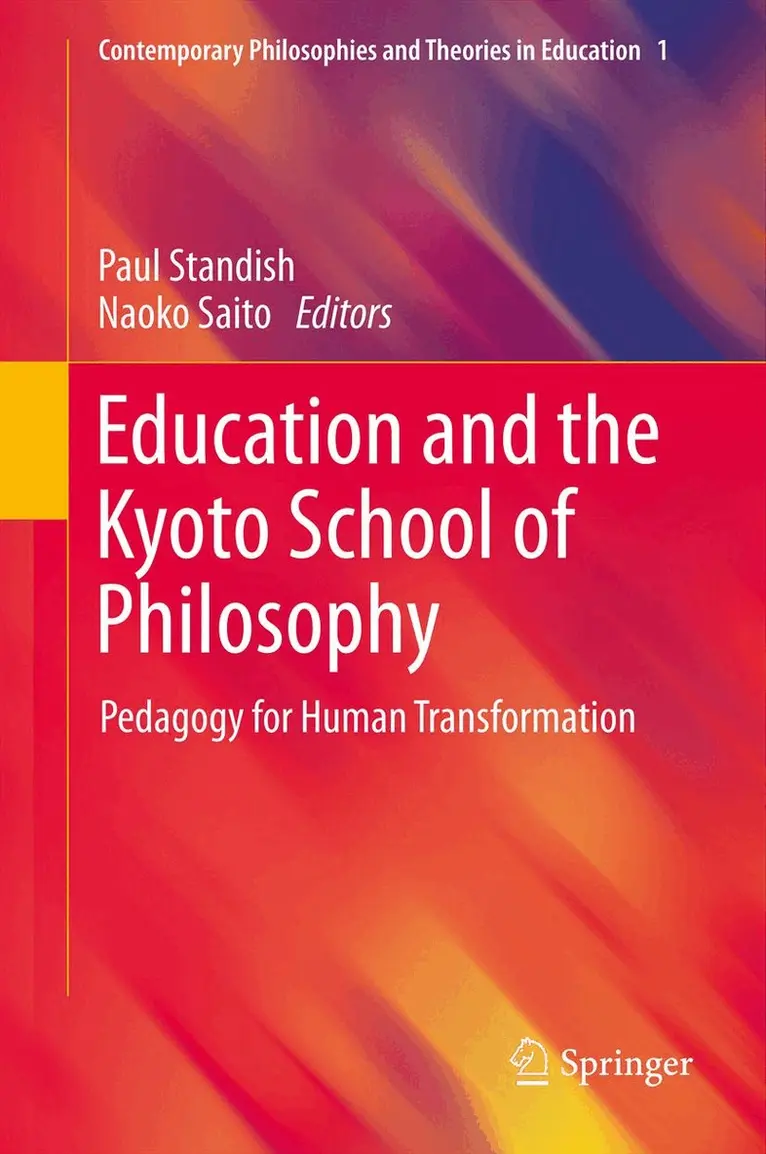
Education and the Kyoto School of Philosophy
Pedagogy for Human Transformation
Inbunden, 2012
1096 kr
Lägg i varukorg
The work of the Kyoto School represents one of the few streams of philosophy that originate in Japan. Following the cultural renaissance of the Meiji Restoration after Japan’s period of closure to the outside world (1600-1868), this distinctly Japanese thought found expression especially in the …
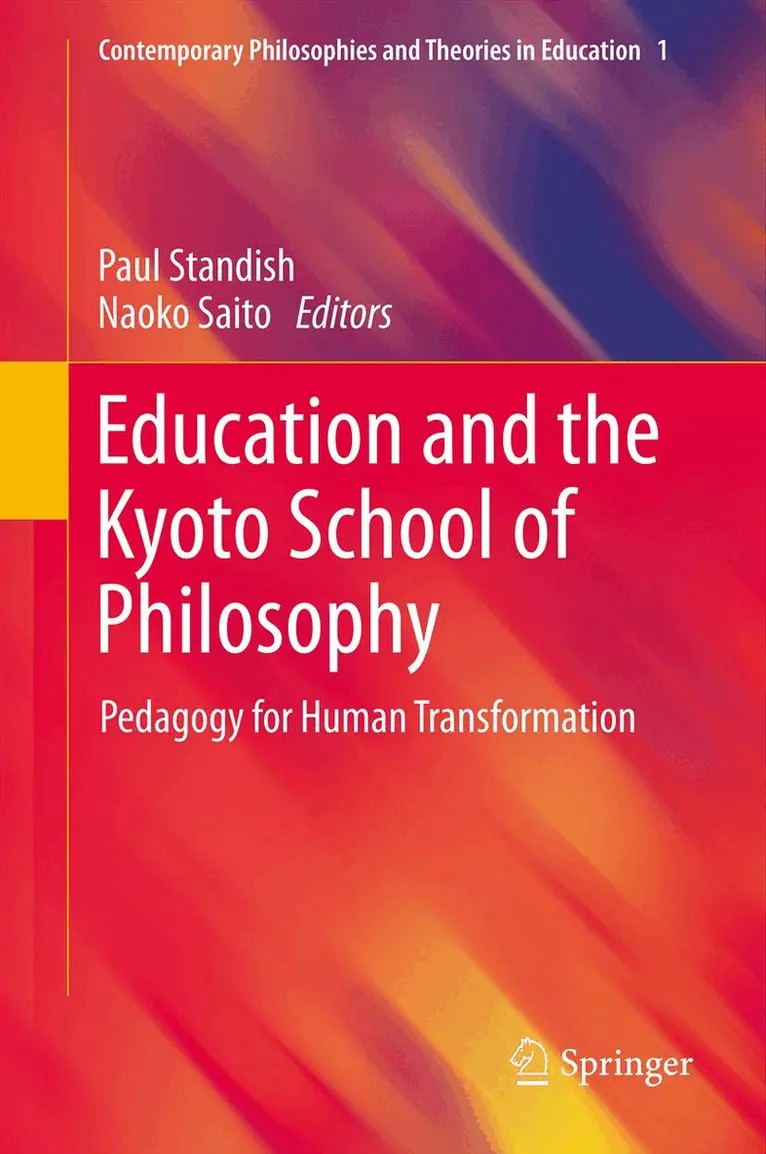
Education and the Kyoto School of Philosophy
Pedagogy for Human Transformation
E-bok, 2012
1459 kr
Lägg i varukorg
The work of the Kyoto School represents one of the few streams of philosophy that originate in Japan. Following the cultural renaissance of the Meiji Restoration after Japan’s period of closure to the outside world (1600-1868), this distinctly Japanese thought found expression especially in the …
Education and the Kyoto School of Philosophy
Pedagogy for Human Transformation
Häftad, 2014
1096 kr
Lägg i varukorg
The work of the Kyoto School represents one of the few streams of philosophy that originate in Japan. Following the cultural renaissance of the Meiji Restoration after Japan’s period of closure to the outside world (1600-1868), this distinctly Japanese thought found expression especially in the …