Pankaj Chowdhary – författare
1 426 kr
Skickas inom 10-15 vardagar
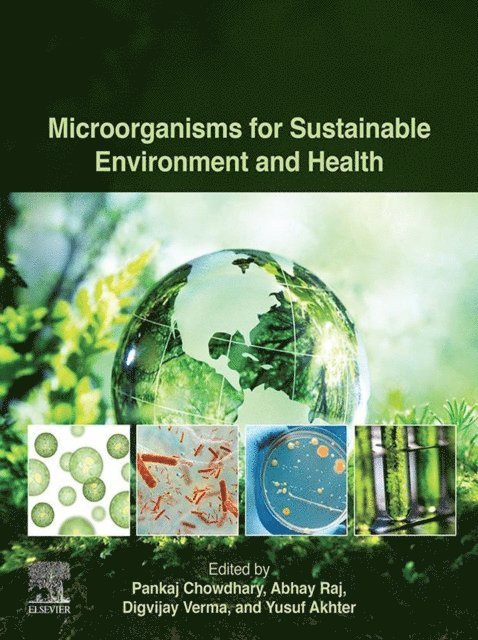
Microorganisms for Sustainable Environment and Health covers hazardous pollutants released from natural as well as anthropogenic activities and implications on environmental and human health. This book serves as a valuable source of basic knowledge and recent developments in the clean technologies and pollution-associated diseases and abnormalities in the context of microorganisms. Focused on current solutions to various environmental problems in the field of bioremediation, it provides a detailed knowledge on the various types of toxic environmental pollutants discharged from different sources, their toxicological effects in environments, humans, animals and plants as well as their biodegradation and bioremediation approaches.
This book helps environmental scientists and microbiologists learn about existing environmental problems and suggests ways to control or contain their effects by employing various treatment approaches.
Provides information on waste treatment approaches using microbes Includes applications in biofuel and bioenergy production Covers green belt development, hydroponics, phytoremediation, wetland treatment technology, and common effluent treatment plants (CETPs) Discusses dissemination of antibiotic resistance among pathogenic microbes and strategies to combat multi-drug resistance (MDR)1 975 kr
Läs direkt efter köp
3 306 kr
Skickas inom 10-15 vardagar
821 kr
Skickas inom 10-15 vardagar
1 762 kr
Skickas inom 10-15 vardagar
3 635 kr
Läs direkt efter köp
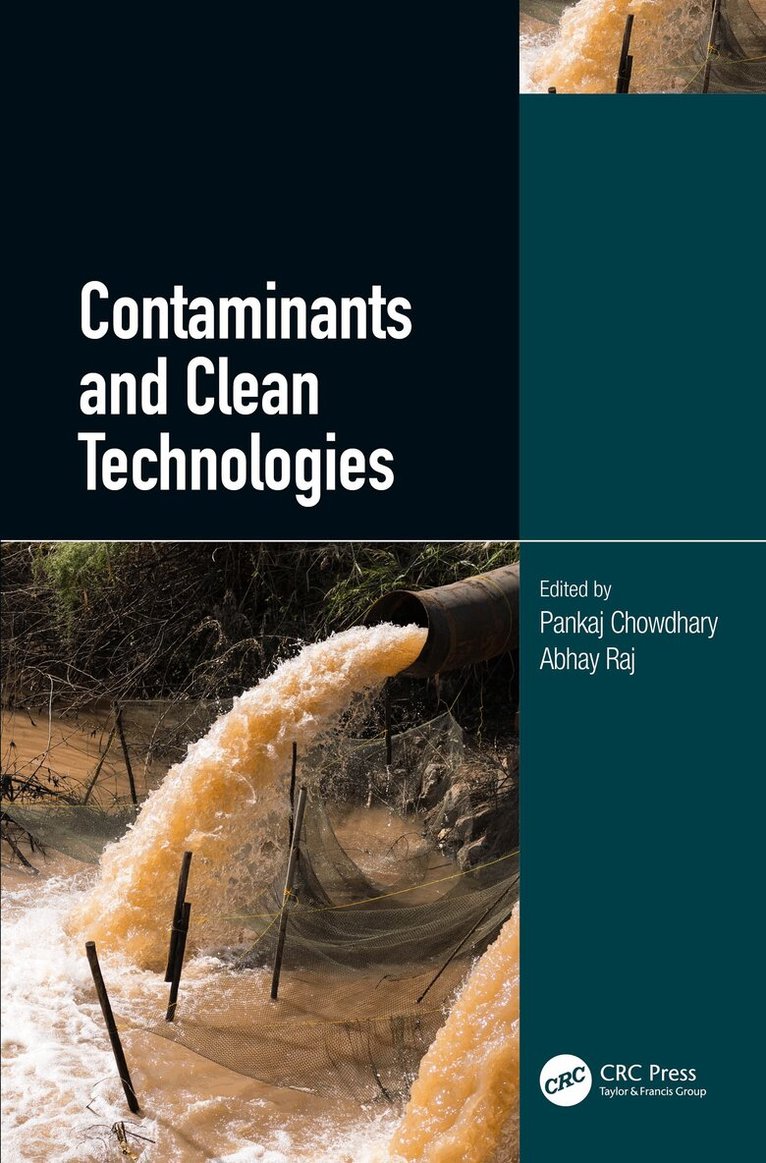
Contaminants and Clean Technologies provides valuable information on environmental contaminants such as industrial pollutants, micropollutants, pesticides, endocrine disruptors, pharmaceuticals, toxins, and hormones. It focuses on the various types of environmental contaminants discharged from various sources; their toxicological effects in environments, humans, animals, and plants; and their removal methods. It also covers, comprehensively, information on the contaminants released by various industries and agricultural practices, which cause severe threats to the environment.
Features of the book:
Elucidates systematic information on various types of environmental contaminants, and their fate and consequences
Discusses contaminants such as endocrine disruptors, pharmaceutical waste, and personal care products
Provides an overview of physicochemical and biological treatment technologies for sustainable development
Details recent research finding in the area of environmental contaminants and their future challenges
3 635 kr
Läs direkt efter köp
Contaminants and Clean Technologies provides valuable information on environmental contaminants such as industrial pollutants, micropollutants, pesticides, endocrine disruptors, pharmaceuticals, toxins, and hormones. It focuses on the various types of environmental contaminants discharged from various sources; their toxicological effects in environments, humans, animals, and plants; and their removal methods. It also covers, comprehensively, information on the contaminants released by various industries and agricultural practices, which cause severe threats to the environment.
Features of the book:
Elucidates systematic information on various types of environmental contaminants, and their fate and consequences
Discusses contaminants such as endocrine disruptors, pharmaceutical waste, and personal care products
Provides an overview of physicochemical and biological treatment technologies for sustainable development
Details recent research finding in the area of environmental contaminants and their future challenges
404 kr
Läs direkt efter köp
New Technologies for Reclamation of Industrial Wastewater provides information on several types of industrial wastewaters containing a variety of toxic and recalcitrant compounds. It also focuses on the ecotoxicological and health hazards posed by the chemicals released along with industrial effluents. It covers various conventional as well as modern wastewater-treatment technologies and their advantages and disadvantages.
Features:
Elucidates various types of industrial wastewaters generated, their fate and consequences
Describes the ecotoxicological and health implications of industrial contaminants
Provides details on conventional treatment technologies along with modern and emerging wastewater-treatment methods
Discusses the merits and demerits of both conventional and emerging treatment technologies
404 kr
Läs direkt efter köp
New Technologies for Reclamation of Industrial Wastewater provides information on several types of industrial wastewaters containing a variety of toxic and recalcitrant compounds. It also focuses on the ecotoxicological and health hazards posed by the chemicals released along with industrial effluents. It covers various conventional as well as modern wastewater-treatment technologies and their advantages and disadvantages.
Features:
Elucidates various types of industrial wastewaters generated, their fate and consequences
Describes the ecotoxicological and health implications of industrial contaminants
Provides details on conventional treatment technologies along with modern and emerging wastewater-treatment methods
Discusses the merits and demerits of both conventional and emerging treatment technologies
936 kr
Läs direkt efter köp
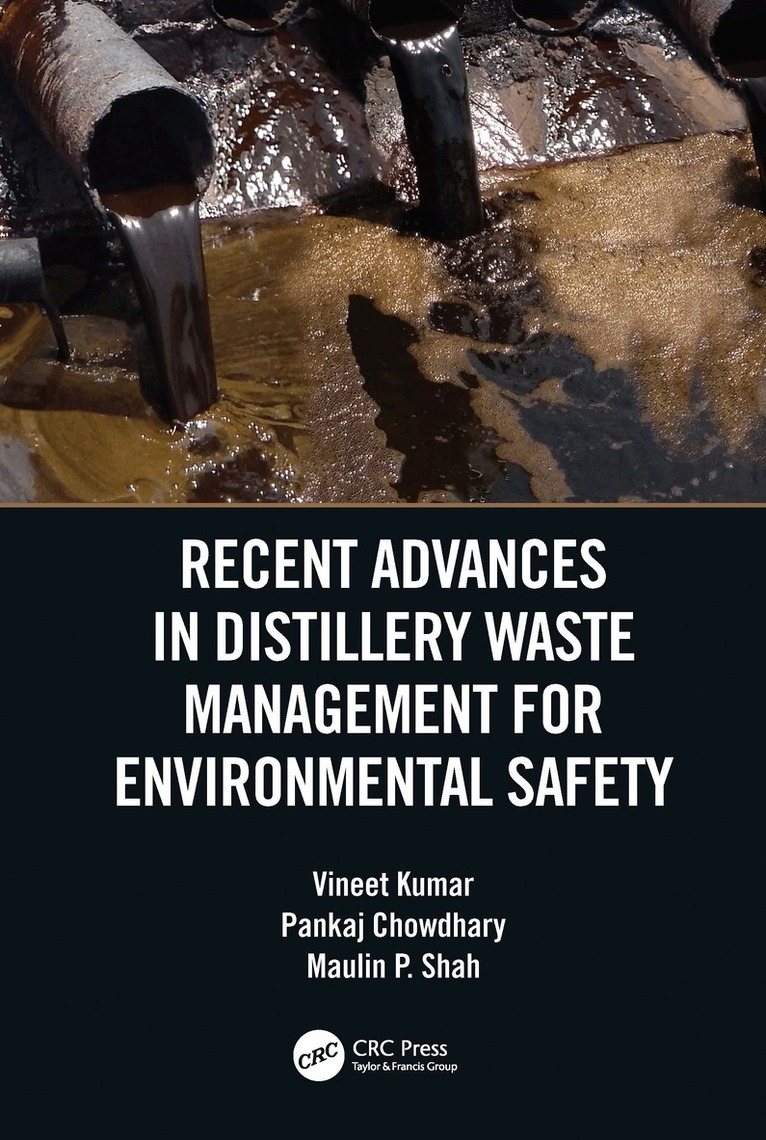
The safe disposal of distillery waste into the environment, as well as its recycling and management, has become a hot topic in developing countries including India. This gross misconduct creates serious environmental and public health hazards. Thus, adequate management of waste has become a priority of environmental engineers and biotechnologists for environmental safety and sustainable development.
Recent Advances in Distillery Waste Management for Environmental Safety covers specific, advanced, and updated knowledge on various developed individual and/or innovative, green, and emerging plant-microbe-based technologies’ uses for the management and recycling of distillery waste in an environmentally friendly and cost-effective manner for sustainable development. Moreover, this book provides comprehensive, state-of-the-art information on the physicochemical properties, chemical composition, and environmental risks associated with distillery waste. Furthermore, the book also discusses various existing methods and technologies; up-gradation of existing technologies; the advent of newer technologies for the treatment, processing, and disposal of distillery waste; and focus areas for further development. This broad and unique coverage allows treatment firms and regulatory authorities to determine and develop appropriate treatment strategies for site-specific problems of distillery waste remediation.
Features:
Provides practical solutions for the treatment and recycling of distillery waste illustrated by specific case studies
Focuses on recent industry practices and preferences, along with newer approaches for wastewater treatment
An instructive compilation of treatment approaches, including advanced physicochemical and integrated/sequential methods
Covers biocomposting of sludge and effluent, and biodiesel production from distillery waste for recycling and sustainable development
Emphasizes the relationship of metagenomics with organometallic compounds of distillery waste
Discusses the role of ligninolytic enzymes and bioreactors in distillery wastewater treatment
This book serves as an accessible reference to assist engineering consultants, industrial waste managers, policy makers, environmental engineers, government implementers, researchers, scientists, and a wide range of professionals responsible for regulating, monitoring, and designing industrial wastewater treatment techniques, who aspire to work on the reclamation, recycling, and management of distillery waste or wastewater pollutants for environmental safety and sustainable development.
970 kr
Läs direkt efter köp
The safe disposal of distillery waste into the environment, as well as its recycling and management, has become a hot topic in developing countries including India. This gross misconduct creates serious environmental and public health hazards. Thus, adequate management of waste has become a priority of environmental engineers and biotechnologists for environmental safety and sustainable development.
Recent Advances in Distillery Waste Management for Environmental Safety covers specific, advanced, and updated knowledge on various developed individual and/or innovative, green, and emerging plant-microbe-based technologies’ uses for the management and recycling of distillery waste in an environmentally friendly and cost-effective manner for sustainable development. Moreover, this book provides comprehensive, state-of-the-art information on the physicochemical properties, chemical composition, and environmental risks associated with distillery waste. Furthermore, the book also discusses various existing methods and technologies; up-gradation of existing technologies; the advent of newer technologies for the treatment, processing, and disposal of distillery waste; and focus areas for further development. This broad and unique coverage allows treatment firms and regulatory authorities to determine and develop appropriate treatment strategies for site-specific problems of distillery waste remediation.
Features:
Provides practical solutions for the treatment and recycling of distillery waste illustrated by specific case studies
Focuses on recent industry practices and preferences, along with newer approaches for wastewater treatment
An instructive compilation of treatment approaches, including advanced physicochemical and integrated/sequential methods
Covers biocomposting of sludge and effluent, and biodiesel production from distillery waste for recycling and sustainable development
Emphasizes the relationship of metagenomics with organometallic compounds of distillery waste
Discusses the role of ligninolytic enzymes and bioreactors in distillery wastewater treatment
This book serves as an accessible reference to assist engineering consultants, industrial waste managers, policy makers, environmental engineers, government implementers, researchers, scientists, and a wide range of professionals responsible for regulating, monitoring, and designing industrial wastewater treatment techniques, who aspire to work on the reclamation, recycling, and management of distillery waste or wastewater pollutants for environmental safety and sustainable development.
942 kr
Läs direkt efter köp
Environmental Management Technologies: Challenges and Opportunities details the environmental problems posed by the various types of toxic organic and inorganic pollutants discharged from both natural and anthropogenic activities and their toxicological effects in environments, humans, animals, and plants. This book also highlights the recent advanced and innovative methods for the effective degradation and bioremediation of organic pollutants, heavy metals, dyes, etc. from the environment for sustainable development.
Features of the book:
· Provides state-of-the-art information on pollutants, their sources, and deleterious impacts on the environment
· Elucidates the recent updates on Emerging Pollutants (EPs) in pharmaceutical waste and personal care products
· Discusses the various physico-chemical, biological, and combination treatment systems for sustainable development
· Details recent research findings in the area of environmental waste management and their future challenges and opportunities
909 kr
Läs direkt efter köp
Environmental Management Technologies: Challenges and Opportunities details the environmental problems posed by the various types of toxic organic and inorganic pollutants discharged from both natural and anthropogenic activities and their toxicological effects in environments, humans, animals, and plants. This book also highlights the recent advanced and innovative methods for the effective degradation and bioremediation of organic pollutants, heavy metals, dyes, etc. from the environment for sustainable development.
Features of the book:
· Provides state-of-the-art information on pollutants, their sources, and deleterious impacts on the environment
· Elucidates the recent updates on Emerging Pollutants (EPs) in pharmaceutical waste and personal care products
· Discusses the various physico-chemical, biological, and combination treatment systems for sustainable development
· Details recent research findings in the area of environmental waste management and their future challenges and opportunities
1 411 kr
Skickas inom 10-15 vardagar
1 923 kr
Skickas
2 690 kr
Läs direkt efter köp
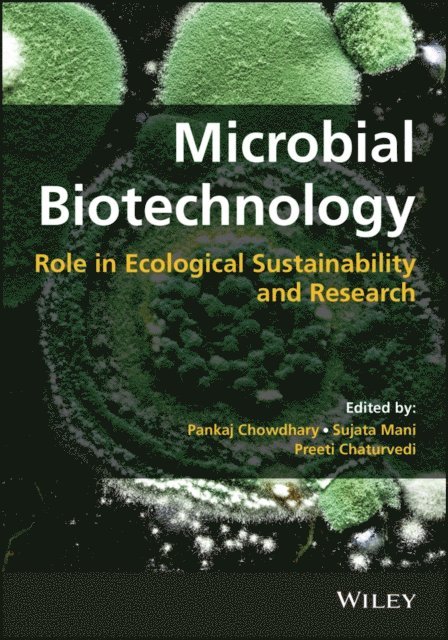
A holistic approach covering a wide range of environmental microbial applications along with current and future trends
In Microbial Biotechnology: Role in Ecological Sustainability and Research, a team of distinguished researchers delivers an authoritative overview of the role of microbial biotechnology in the pursuit of environmental and ecological sustainability. The book provides readers with compelling presentations of microbial technology, including its applications in the removal of environmental pollutants, and sustainable agriculture using microbial biocontrol agents or bio-fertilizers.
Readers will also be able to explore the microbial reduction of greenhouse gases and a wide range of other cutting-edge applications, including the removal of various toxic environmental contaminants, such as antibiotics, pesticides, dyes, and heavy metals.
Microbial Biotechnology provides:
A thorough introduction to microorganisms, their metabolic engineering, the human microbiome, and other foundational topics An in-depth exploration of environmental management, including bioremediation through a nexus approach A fulsome treatment of current trends in microbial biotechnology and its role in sustainable productionPerfect for professionals in applied microbiology, biotechnology, environmental engineering, green chemistry, and soil science, Microbial Biotechnology: Role in Ecological Sustainability and Research will also earn a place in the libraries of research scholars, scientists, and academicians with an interest in environmental microbiology and ecology.
2 596 kr
Läs direkt efter köp
A holistic approach covering a wide range of environmental microbial applications along with current and future trends
In Microbial Biotechnology: Role in Ecological Sustainability and Research, a team of distinguished researchers delivers an authoritative overview of the role of microbial biotechnology in the pursuit of environmental and ecological sustainability. The book provides readers with compelling presentations of microbial technology, including its applications in the removal of environmental pollutants, and sustainable agriculture using microbial biocontrol agents or bio-fertilizers.
Readers will also be able to explore the microbial reduction of greenhouse gases and a wide range of other cutting-edge applications, including the removal of various toxic environmental contaminants, such as antibiotics, pesticides, dyes, and heavy metals.
Microbial Biotechnology provides:
A thorough introduction to microorganisms, their metabolic engineering, the human microbiome, and other foundational topics An in-depth exploration of environmental management, including bioremediation through a nexus approach A fulsome treatment of current trends in microbial biotechnology and its role in sustainable productionPerfect for professionals in applied microbiology, biotechnology, environmental engineering, green chemistry, and soil science, Microbial Biotechnology: Role in Ecological Sustainability and Research will also earn a place in the libraries of research scholars, scientists, and academicians with an interest in environmental microbiology and ecology.
2 428 kr
Läs direkt efter köp
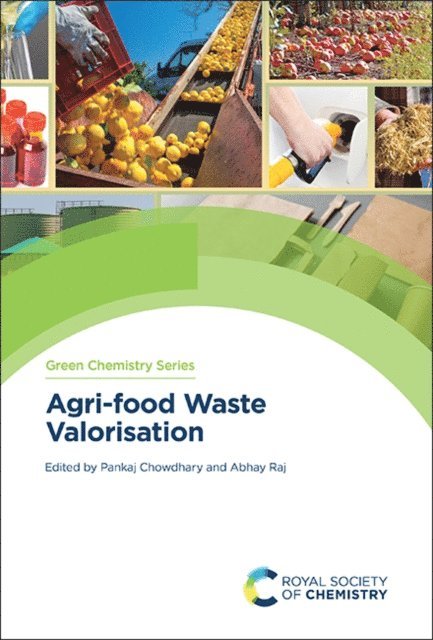
The agri-food industry creates a vast amount of waste each year. This is not just a problem for waste management, in terms of finding space to store waste and preventing escape of harmful waste into the environment; it also represents a loss of resources: the chemicals and energy which have gone into the production of this waste. If current waste streams can be converted into useful resources this will have multiple benefits by reducing the amount of waste sent to landfill or similar, reducing the need for other feedstocks and removing the pressure from feedstocks that could be used as food.
Research into the different types of waste produced by the agri-food industry and approaches to converting them into useful chemicals or chemical feedstocks has advanced rapidly over the last few years. Covering the latest developments in the valorisation of food and agricultural waste, such as valorisation of citrus peel and industrial wastes, this book is a great resource for researchers interested in waste management, sustainability and the circular economy.
2 516 kr
Läs direkt efter köp
The agri-food industry creates a vast amount of waste each year. This is not just a problem for waste management, in terms of finding space to store waste and preventing escape of harmful waste into the environment; it also represents a loss of resources: the chemicals and energy which have gone into the production of this waste. If current waste streams can be converted into useful resources this will have multiple benefits by reducing the amount of waste sent to landfill or similar, reducing the need for other feedstocks and removing the pressure from feedstocks that could be used as food.
Research into the different types of waste produced by the agri-food industry and approaches to converting them into useful chemicals or chemical feedstocks has advanced rapidly over the last few years. Covering the latest developments in the valorisation of food and agricultural waste, such as valorisation of citrus peel and industrial wastes, this book is a great resource for researchers interested in waste management, sustainability and the circular economy.
2 252 kr
Skickas
3 270 kr
Skickas inom 3-6 vardagar
4 335 kr
Läs direkt efter köp
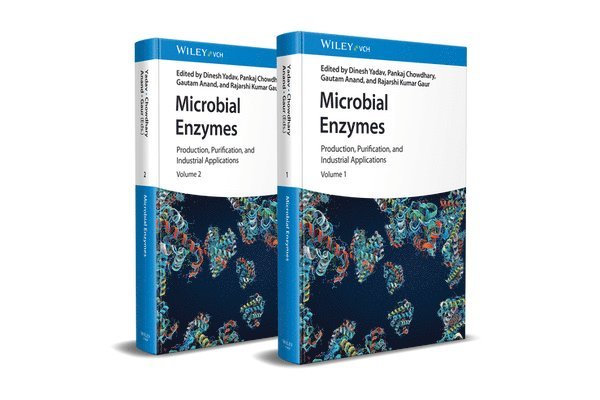
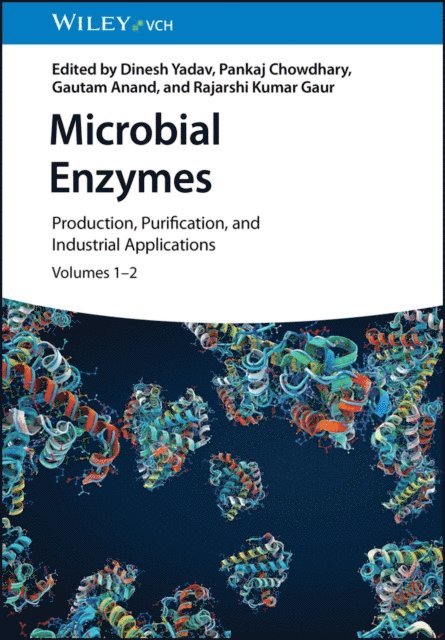
Comprehensive discussion of production and purification strategies for microbial enzymes important to various industries, from food and beverages to pharmaceuticals
Microbial Enzymes provides expert insight into diverse aspects of microbial enzymes, highlighting strategies for their production, purification, and manipulation, elucidating eco-friendly industrial applications, and discussing several production processes, such as the production of cellulose and non-synthetic indigo dye. This book emphasizes recent technological interventions in microbial enzyme technology like metagenomics, system biology, molecular biology, genomics, directed evolution, and bioinformatics.
The important microbial enzymes highlighted in this book include xylanases, ureases, methane monooxygenase, polyhydroxyalkanoates, pectinases, peroxidases, α-L-rhamnosidase, alkane hydroxylases, laccases, proteases, gallic acid decarboxylase, chitinases, beta-glucosidase, lipases, inulinases, tannase, mycozyme, ACC deaminase, ligninolytic enzymes, and many more.
Novel treatment methods involving strains of microorganisms with desirable properties applicable in the process of bioremediation through mitigating climate concern, increasing green production technology, improving agriculture productivity, and providing a means of earning a livelihood are discussed. Readers will also gain state-of-the-art background knowledge on existing technologies and their current challenges and future prospects.
Contributed to by leading experts in the field and edited by four highly qualified academics, Microbial Enzymes explores important topics including:
Strategies for the discovery and enhancement of enzyme function, and potentials of system biology to better understand the kinetics of industrially important enzymesProduction and therapeutic applications of monoclonal antibodies in cancer and other diseases, and characterization of tannase as a virulence factorOpportunities to produce enzymes through food waste and byproducts, and recent developments in computational toolsUse of Omics tools in the discovery of fungal enzymes and secondary metabolitesMicrobial Enzymes is a thorough and highly practical reference on the subject for students, scientists, biotechnologists, microbiologists, and policymakers working in environmental microbiology, biotechnology, and environmental sciences.
4 183 kr
Läs direkt efter köp
Comprehensive discussion of production and purification strategies for microbial enzymes important to various industries, from food and beverages to pharmaceuticals
Microbial Enzymes provides expert insight into diverse aspects of microbial enzymes, highlighting strategies for their production, purification, and manipulation, elucidating eco-friendly industrial applications, and discussing several production processes, such as the production of cellulose and non-synthetic indigo dye. This book emphasizes recent technological interventions in microbial enzyme technology like metagenomics, system biology, molecular biology, genomics, directed evolution, and bioinformatics.
The important microbial enzymes highlighted in this book include xylanases, ureases, methane monooxygenase, polyhydroxyalkanoates, pectinases, peroxidases, α-L-rhamnosidase, alkane hydroxylases, laccases, proteases, gallic acid decarboxylase, chitinases, beta-glucosidase, lipases, inulinases, tannase, mycozyme, ACC deaminase, ligninolytic enzymes, and many more.
Novel treatment methods involving strains of microorganisms with desirable properties applicable in the process of bioremediation through mitigating climate concern, increasing green production technology, improving agriculture productivity, and providing a means of earning a livelihood are discussed. Readers will also gain state-of-the-art background knowledge on existing technologies and their current challenges and future prospects.
Contributed to by leading experts in the field and edited by four highly qualified academics, Microbial Enzymes explores important topics including:
Strategies for the discovery and enhancement of enzyme function, and potentials of system biology to better understand the kinetics of industrially important enzymesProduction and therapeutic applications of monoclonal antibodies in cancer and other diseases, and characterization of tannase as a virulence factorOpportunities to produce enzymes through food waste and byproducts, and recent developments in computational toolsUse of Omics tools in the discovery of fungal enzymes and secondary metabolitesMicrobial Enzymes is a thorough and highly practical reference on the subject for students, scientists, biotechnologists, microbiologists, and policymakers working in environmental microbiology, biotechnology, and environmental sciences.
1 633 kr
Skickas inom 10-15 vardagar
1 977 kr
Läs direkt efter köp
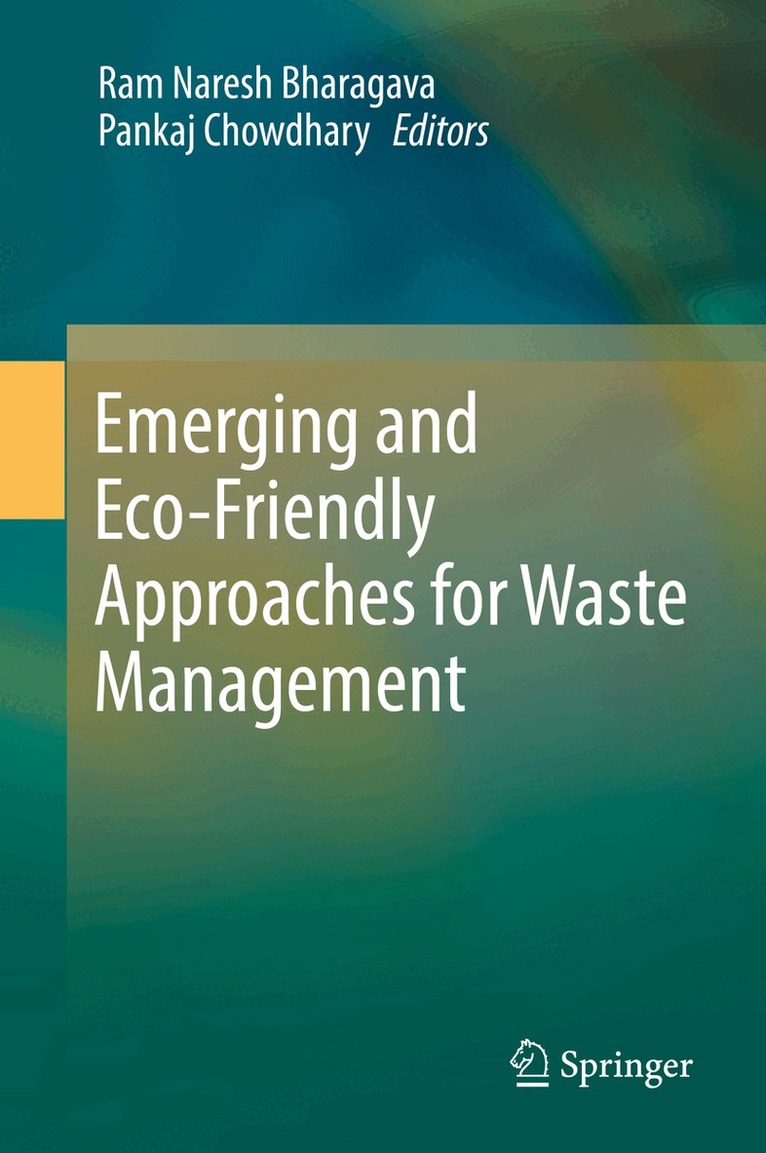
Rapid industrialization is a serious concern in the context of a healthy environment. With the growth in the number of industries, the waste generated is also growing exponentially. The various chemical processes operating in the manufacturing industry generate a large number of by-products, which are largely harmful and toxic pollutants and are generally discharged into the natural water bodies. Once the pollutants enter the environment, they are taken up by different life forms, and because of bio-magnification, they affect the entire food chain and have severe adverse effects on all life forms, including on human health. Although, various physico-chemical and biological approaches are available for the removal of toxic pollutants, unfortunately these are often ineffective and traditional clean up practices are inefficient. Biological approaches utilizing microorganisms (bacterial/fungi/algae), green plants or their enzymes to degrade or detoxify environmental pollutants such as endocrine disruptors, toxic metals, pesticides, dyes, petroleum hydrocarbons and phenolic compounds, offer eco- friendly approaches. Such eco-friendly approaches are often more effective than traditional practices, and are safe for both industry workers as well as environment.
This book provides a comprehensive overview of various toxic environmental pollutants from avariety natural and anthropogenic sources, their toxicological effects on the environment, humans, animals and plants as well as their biodegradation and bioremediation using emerging and eco-friendly approaches (e.g. Anammox technology, advanced oxidation processes, membrane bioreactors, membrane processes, GMOs), microbial degradation (e.g. bacteria, fungi, algae), phytoremediation, biotechnology and nanobiotechnology. Offering fundamental and advanced information on environmental problems, challenges and bioremediation approaches used for the remediation of contaminated sites, it is a valuable resource for students, scientists and researchers engaged in microbiology, biotechnology and environmental sciences.
1 633 kr
Skickas inom 10-15 vardagar
2 391 kr
Skickas inom 10-15 vardagar
3 157 kr
Läs direkt efter köp
This book discusses the latest advancements in the area of biofuel development. It covers extensive information regarding different aspects and types of biofuels. The book provides a road map of the various different kinds of biofuels available for consideration, including both conventional and advanced algal based biofuels, replete with the economic analysis of their production and implementation. The contributors are experienced professors, academicians and scientists associated with renowned laboratories and institutes in India and abroad. This book is of interest to teachers, researchers, biofuel scientists, capacity builders and policymakers. Also the book serves as additional reading material for undergraduate and graduate students. National and international scientists, policy makers will also find this to be a useful read.
2 391 kr
Skickas inom 10-15 vardagar
3 041 kr
Skickas inom 10-15 vardagar