Paul Amar – författare
Visar alla böcker från författaren Paul Amar. Handla med fri frakt och snabb leverans.
16 produkter
16 produkter
Inbunden, Engelska, 2014
941 kr
Skickas inom 5-8 vardagar
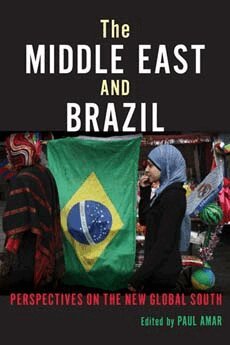
Connections between Brazil and the Middle East have a long history, but the importance of these interactions has been heightened in recent years by the rise of Brazil as a champion of the global south, mass mobilizations in the Arab world and South America, and the cultural renaissance of Afro-descendant Muslims and Arab ethnic identities in the Americas. This groundbreaking collection traces the links between these two regions, describes the emergence of new South-South solidarities, and offers new methodologies for the study of transnationalism, global culture, and international relations.
Häftad, Engelska, 2014
323 kr
Skickas inom 5-8 vardagar
Connections between Brazil and the Middle East have a long history, but the importance of these interactions has been heightened in recent years by the rise of Brazil as a champion of the global south, mass mobilizations in the Arab world and South America, and the cultural renaissance of Afro-descendant Muslims and Arab ethnic identities in the Americas. This groundbreaking collection traces the links between these two regions, describes the emergence of new South-South solidarities, and offers new methodologies for the study of transnationalism, global culture, and international relations.
Inbunden, Engelska, 2010
584 kr
Skickas inom 10-15 vardagar
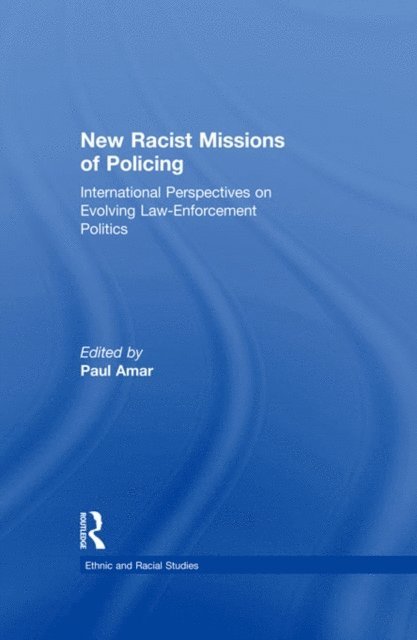
This book identifies new formations of race, racism and ethnicity at the intersection of neoliberalism, security, urban governance and the law through a comparative, international analysis of police organizations and practices. It pushes analytical and theoretical boundaries by examining racialization and ethnicization in locations where the topic is politically taboo, such as in China, India and France, and where racial and ethnic hierarchies have supposedly been banished to the past, as in Bosnia and South Africa.This book also examines police and security services not as mere artefacts of state authority or the prerogatives of capitalist development, but as relatively autonomous and uniquely productive intersections of new kinds of state, social and cultural formations that are remaking race, embodiment, fear and control on their own terms.This book was published as a special issue of Ethnic and Racial Studies.
Inbunden, Engelska, 2012
2 202 kr
Skickas inom 10-15 vardagar
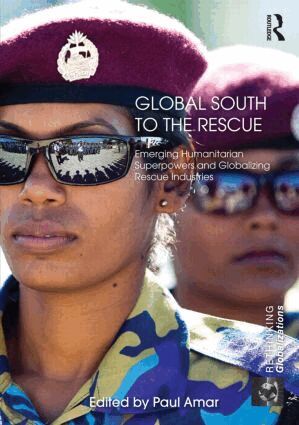
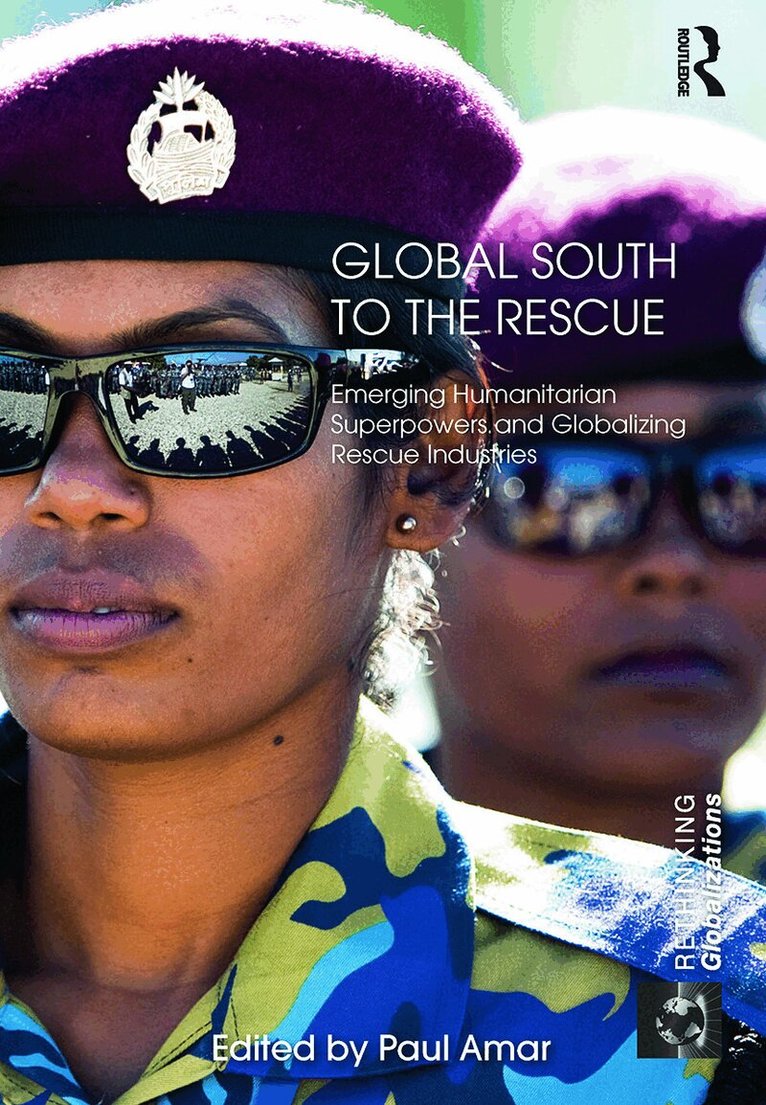
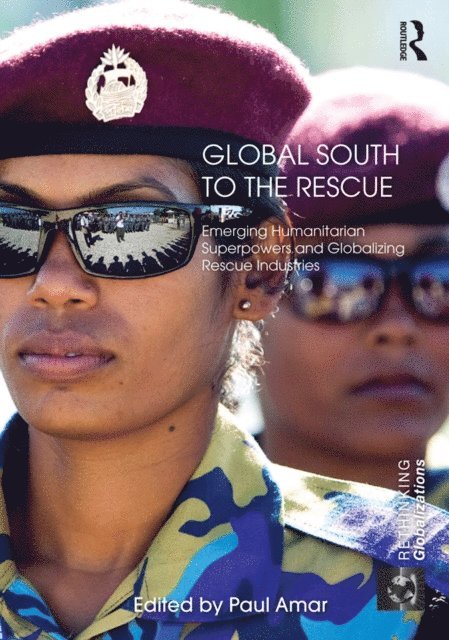
This book provides the first comprehensive analysis of an epochal shift in global order – the fact that global-south countries have taken up leadership roles in peacekeeping missions, humanitarian interventions, and transnational military industries: Brazil has taken charge of the UN military mission in Haiti; Nigeria has deployed peacekeeping troops throughout West Africa; Indonesians have assumed crucial roles in UN Afghanistan operations; Fijians, South Africans, and Chileans have became essential actors in global mercenary firms; Venezuela and its Bolivarian allies have established a framework for "revolutionary" humanitarian interventions; and Turkey, India, Kenya, and Egypt are asserting themselves in bold new ways on the global stage.In this context, this collection sheds critical light on intersections between imperialism and humanitarianism, between neoliberal globalization and "rescue industry" transnationalism, and between patterns of geopolitical hegemony and trajectories of peacekeeping internationalism. These case studies are grouped into three clusters (I) Globalizing Peacekeeper Identities, (II) Assertive "Regional Internationalisms," and (III) Emergent Alternative Paradigms. Together, these articulate a new research agenda and offer significant contributions to fields of global studies, transnational gender and race studies, critical security studies and peace studies, comparative politics, police and military sociology, Third World diplomatic history, and international relations. This book was published as a special issue of Globalizations.
Häftad, Engelska, 2013
828 kr
Skickas inom 10-15 vardagar
This book provides the first comprehensive analysis of an epochal shift in global order – the fact that global-south countries have taken up leadership roles in peacekeeping missions, humanitarian interventions, and transnational military industries: Brazil has taken charge of the UN military mission in Haiti; Nigeria has deployed peacekeeping troops throughout West Africa; Indonesians have assumed crucial roles in UN Afghanistan operations; Fijians, South Africans, and Chileans have became essential actors in global mercenary firms; Venezuela and its Bolivarian allies have established a framework for "revolutionary" humanitarian interventions; and Turkey, India, Kenya, and Egypt are asserting themselves in bold new ways on the global stage.In this context, this collection sheds critical light on intersections between imperialism and humanitarianism, between neoliberal globalization and "rescue industry" transnationalism, and between patterns of geopolitical hegemony and trajectories of peacekeeping internationalism. These case studies are grouped into three clusters (I) Globalizing Peacekeeper Identities, (II) Assertive "Regional Internationalisms," and (III) Emergent Alternative Paradigms. Together, these articulate a new research agenda and offer significant contributions to fields of global studies, transnational gender and race studies, critical security studies and peace studies, comparative politics, police and military sociology, Third World diplomatic history, and international relations. This book was published as a special issue of Globalizations.
Häftad, Engelska, 2013
364 kr
Skickas inom 10-15 vardagar
This book identifies new formations of race, racism and ethnicity at the intersection of neoliberalism, security, urban governance and the law through a comparative, international analysis of police organizations and practices. It pushes analytical and theoretical boundaries by examining racialization and ethnicization in locations where the topic is politically taboo, such as in China, India and France, and where racial and ethnic hierarchies have supposedly been banished to the past, as in Bosnia and South Africa.This book also examines police and security services not as mere artefacts of state authority or the prerogatives of capitalist development, but as relatively autonomous and uniquely productive intersections of new kinds of state, social and cultural formations that are remaking race, embodiment, fear and control on their own terms.This book was published as a special issue of Ethnic and Racial Studies.
Inbunden, Engelska, 2013
1 261 kr
Skickas inom 5-8 vardagar
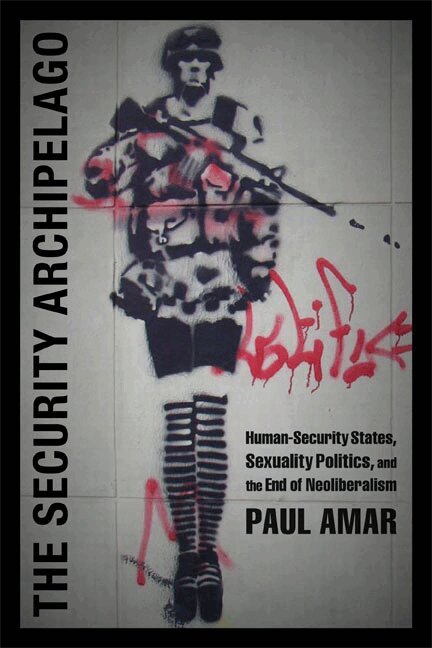
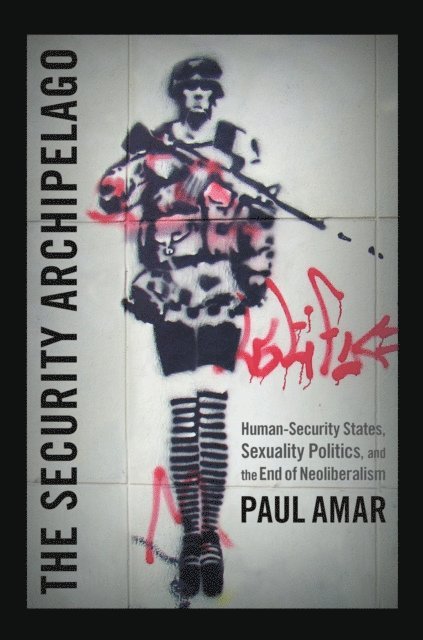
In The Security Archipelago, Paul Amar provides an alternative historical and theoretical framing of the refashioning of free-market states and the rise of humanitarian security regimes in the Global South by examining the pivotal, trendsetting cases of Brazil and Egypt. Addressing gaps in the study of neoliberalism and biopolitics, Amar describes how coercive security operations and cultural rescue campaigns confronting waves of resistance have appropriated progressive, antimarket discourses around morality, sexuality, and labor. The products of these struggles-including powerful new police practices, religious politics, sexuality identifications, and gender normativities-have traveled across an archipelago, a metaphorical island chain of what the global security industry calls "hot spots." Homing in on Cairo and Rio de Janeiro, Amar reveals the innovative resistances and unexpected alliances that have coalesced in new polities emerging from the Arab Spring and South America's Pink Tide. These have generated a shared modern governance model that he terms the "human-security state."
Häftad, Engelska, 2013
528 kr
Skickas inom 3-6 vardagar
In The Security Archipelago, Paul Amar provides an alternative historical and theoretical framing of the refashioning of free-market states and the rise of humanitarian security regimes in the Global South by examining the pivotal, trendsetting cases of Brazil and Egypt. Addressing gaps in the study of neoliberalism and biopolitics, Amar describes how coercive security operations and cultural rescue campaigns confronting waves of resistance have appropriated progressive, antimarket discourses around morality, sexuality, and labor. The products of these struggles-including powerful new police practices, religious politics, sexuality identifications, and gender normativities-have traveled across an archipelago, a metaphorical island chain of what the global security industry calls "hot spots." Homing in on Cairo and Rio de Janeiro, Amar reveals the innovative resistances and unexpected alliances that have coalesced in new polities emerging from the Arab Spring and South America's Pink Tide. These have generated a shared modern governance model that he terms the "human-security state."
Inbunden, Engelska, 2024
1 234 kr
Skickas inom 5-8 vardagar
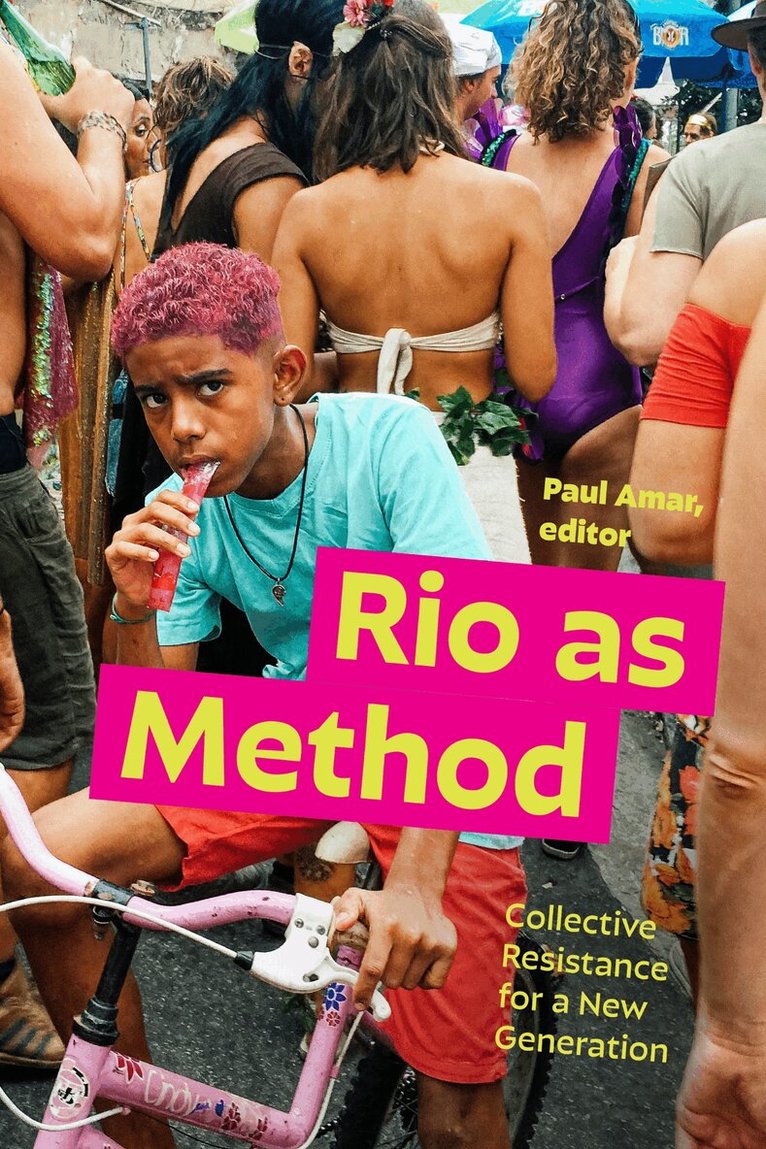
Rio as Method provides a new set of lenses for apprehending and transforming the world at critical junctures. Challenging trends that position Global South scholars as research informants or objects, this Rio de Janeiro-based network of scholars, activists, attorneys, and political leaders center their Brazilian megacity as a globally relevant source for transformational world-making insights. Presenting this volume as a handbook and manifesto for energizing public engagement and direct action, more than forty contributors reconceive method as a politics of knowledge production that animates new ways of being, seeing, and doing politics. They draw on lessons from the city’s intersecting religious, feminist, queer, Black, Indigenous, and urbanist movements to examine issues ranging from state violence, urban marginalization, and moral panic to anticorruption efforts, paramilitary policing, sex work, and mutual aid. Rethinking theoretical and collaborative research methods, Rio as Method models theories of decolonial analysis and concepts of collective resistance that can be taken up by scholar-activists anywhere.Contributors. Rosiane Rodrigues de Almeida, JosÉ Claudio Souza Alves, Tamires Maria Alves, Paul Amar, Marcelo Caetano Andreoli, Beatriz Bissio, Thaddeus Gregory Blanchette, Fernando Brancoli, Thayane BrÊtas, Victoria Broadus, Fatima Cecchetto, Leonard Cortana, Marcos Coutinho, Monica Cunha, Luiz Henrique Eloy Amado, Marielle Franco, Cristiane Gomes JuliÃo, Benjamin Lessing, Roberto Kant de Lima, Amanda De Lisio, Bryan McCann, FlÁvia Medeiros, Ana Paula Mendes de Miranda, Sean T. Mitchell, Rodrigo Monteiro, VitÓria Moreira, Jacqueline de Oliveira Muniz, Laura Rebecca Murray, Cesar Pinheiro Teixeira, Osmundo Pinho, Paulo Pinto, MarÍa Victoria Pita, JoÃo Gabriel Rabello SodrÉ, Luciane Rocha, Marcos Alexandre dos Santos Albuquerque, Ana Paula da Silva, Denise Ferreira da Silva, Soraya SimÕes, Indianare Siqueira, Antonio Carlos de Souza Lima, Leonardo Vieira Silva
Häftad, Engelska, 2024
327 kr
Skickas inom 5-8 vardagar
Rio as Method provides a new set of lenses for apprehending and transforming the world at critical junctures. Challenging trends that position Global South scholars as research informants or objects, this Rio de Janeiro-based network of scholars, activists, attorneys, and political leaders center their Brazilian megacity as a globally relevant source for transformational world-making insights. Presenting this volume as a handbook and manifesto for energizing public engagement and direct action, more than forty contributors reconceive method as a politics of knowledge production that animates new ways of being, seeing, and doing politics. They draw on lessons from the city’s intersecting religious, feminist, queer, Black, Indigenous, and urbanist movements to examine issues ranging from state violence, urban marginalization, and moral panic to anticorruption efforts, paramilitary policing, sex work, and mutual aid. Rethinking theoretical and collaborative research methods, Rio as Method models theories of decolonial analysis and concepts of collective resistance that can be taken up by scholar-activists anywhere.Contributors. Rosiane Rodrigues de Almeida, JosÉ Claudio Souza Alves, Tamires Maria Alves, Paul Amar, Marcelo Caetano Andreoli, Beatriz Bissio, Thaddeus Gregory Blanchette, Fernando Brancoli, Thayane BrÊtas, Victoria Broadus, Fatima Cecchetto, Leonard Cortana, Marcos Coutinho, Monica Cunha, Luiz Henrique Eloy Amado, Marielle Franco, Cristiane Gomes JuliÃo, Benjamin Lessing, Roberto Kant de Lima, Amanda De Lisio, Bryan McCann, FlÁvia Medeiros, Ana Paula Mendes de Miranda, Sean T. Mitchell, Rodrigo Monteiro, VitÓria Moreira, Jacqueline de Oliveira Muniz, Laura Rebecca Murray, Cesar Pinheiro Teixeira, Osmundo Pinho, Paulo Pinto, MarÍa Victoria Pita, JoÃo Gabriel Rabello SodrÉ, Luciane Rocha, Marcos Alexandre dos Santos Albuquerque, Ana Paula da Silva, Denise Ferreira da Silva, Soraya SimÕes, Indianare Siqueira, Antonio Carlos de Souza Lima, Leonardo Vieira Silva
Inbunden, Engelska, 2022
1 020 kr
Skickas inom 5-8 vardagar
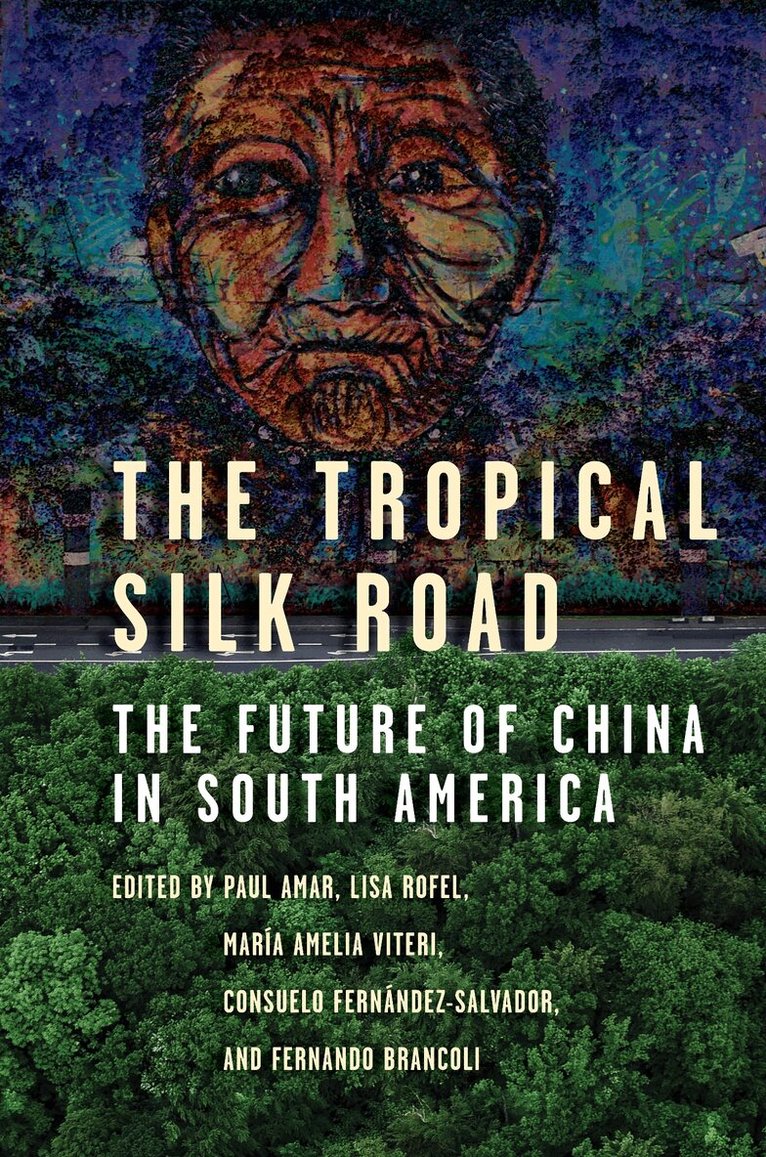
This book captures an epochal juncture of two of the world's most transformative processes: the People's Republic of China's rapidly expanding sphere of influence across the global south and the disintegration of the Amazonian, Cerrado, and Andean biomes. The intersection of these two processes took another step in April 2020, when Chinese President Xi Jinping launched a "New Health Silk Road" agenda of aid and investment that would wind through South America, extending the Eurasian-African "Belt and Road Initiative" to a series of mine, port, energy, infrastructure, and agrobusiness megaprojects in the Latin American tropics.Through thirty short essays, this volume brings together an impressive array of contributors, from economists, anthropologists, and political scientists to Black, feminist, and Indigenous community organizers, Chinese stakeholders, environmental activists, and local journalists to offer a pathbreaking analysis of China's presence in South America. As cracks in the progressive legacy of the Pink Tide and the failures of ecocidal right-wing populisms shape new political economies and geopolitical possibilities, this book provides a grassroots-based account of a post-US centered world order, and an accompanying map of the stakes for South America that highlights emerging voices and forms of resistance.
Häftad, Engelska, 2022
327 kr
Skickas inom 5-8 vardagar
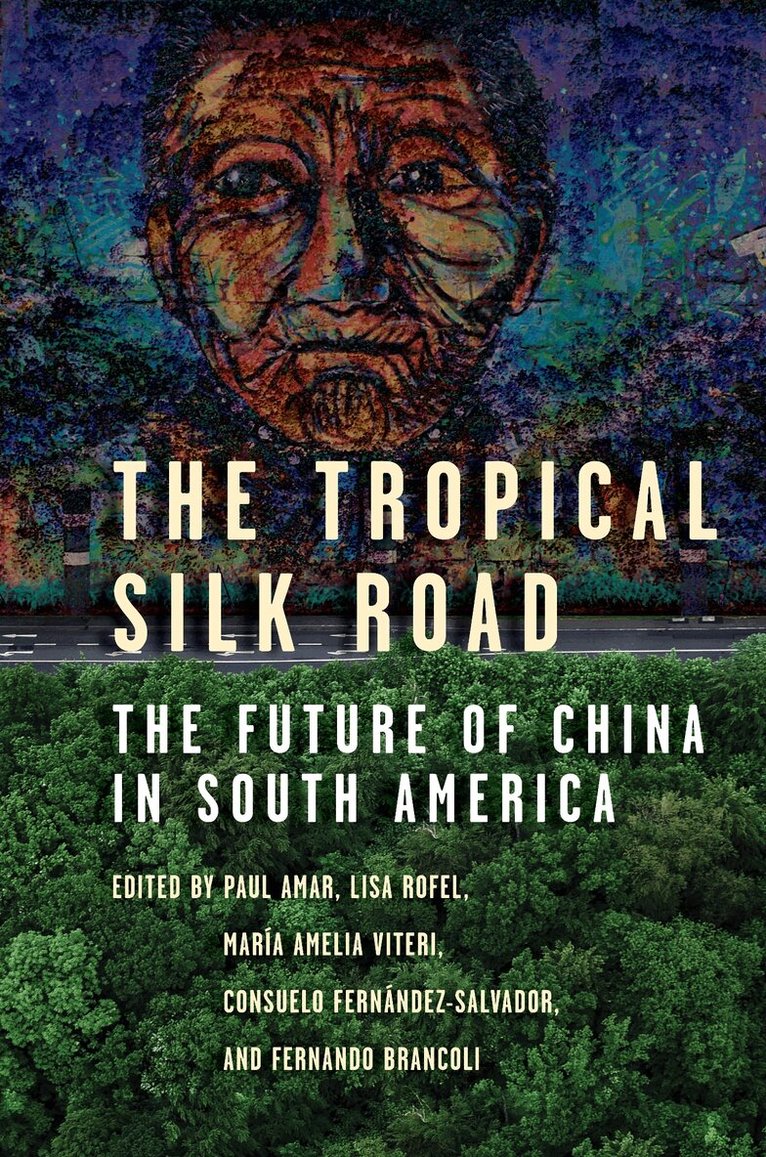
This book captures an epochal juncture of two of the world's most transformative processes: the People's Republic of China's rapidly expanding sphere of influence across the global south and the disintegration of the Amazonian, Cerrado, and Andean biomes. The intersection of these two processes took another step in April 2020, when Chinese President Xi Jinping launched a "New Health Silk Road" agenda of aid and investment that would wind through South America, extending the Eurasian-African "Belt and Road Initiative" to a series of mine, port, energy, infrastructure, and agrobusiness megaprojects in the Latin American tropics.Through thirty short essays, this volume brings together an impressive array of contributors, from economists, anthropologists, and political scientists to Black, feminist, and Indigenous community organizers, Chinese stakeholders, environmental activists, and local journalists to offer a pathbreaking analysis of China's presence in South America. As cracks in the progressive legacy of the Pink Tide and the failures of ecocidal right-wing populisms shape new political economies and geopolitical possibilities, this book provides a grassroots-based account of a post-US centered world order, and an accompanying map of the stakes for South America that highlights emerging voices and forms of resistance.
Inbunden, Engelska, 2024
549 kr
Skickas inom 5-8 vardagar
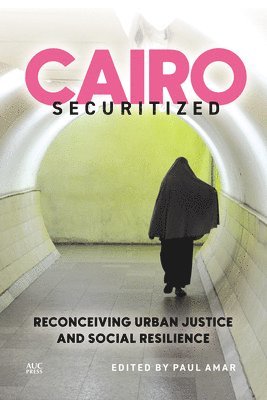
"A compendium of profound insights, garnered in all their granularity from varied aspects of Cairo's rich social life, which keeps the reader engrossed to the last page."—Contemporary SociologyA rich examination of the securitization of the everyday lives of the citizens of Cairo and how to build a more equitable urban orderUntil the year 2000, Cairo had been a model megacity, relatively crime free, safe, and public facing. It featured a thriving public culture and vibrant street life. In recent decades, however, the Egyptian state has accelerated a wholesale dismantlement of public education and public sector jobs and reversed the modest land reforms of the Nasser era. As a result, the vast majority of Cairo’s people have been forcibly deprived of their social rights, social goods, and educational capital.Eschewing the traditional focus on top-down regime and state security, the contributors to this volume, who represent a wide array of academics, activists, artists, and journalists, explore how repressive policies affect the everyday lives of citizens. They show the ways in which urban security crises are politically fashioned and do not emanate from the urban social fabric on their own: city crime, violence, and fear are created by specific means of extraction, production, and control.Another kind of city can live again. But how? By tackling a range of issues, including public health, transportation, labor safety, and housing and property distribution, Cairo Securitized unsettles simplistic binaries of thug and police, public versus private, and slum versus enclave, and proposes compelling new ways in which securitizing processes can be reversed, reengineered, and replaced with a participatory and equitable urban order.Contributors:Sara Soumaya Abed African Leadership Centre, Kings College London Zeinab Abul-Magd Oberlin College, USAMohamed Ahmed Political Scientist and historian, Cairo Egypt Rania Ahmed Independent Researcher, Cairo EgyptNicholas Simcik Arese University of Cambridge, UKAhmed Awadalla University of Strathclyde, Glasgow, UKAhmad Borham The American University in Cairo, Cairo EgyptMiguel A. Fuentes Carreño University of California, Santa Barbara, USARoberta Duffield Scholar on urbanism, public space, Cairo EgyptMomen El-Husseiny The American University in Cairo, Cairo EgyptMohamed Elmeshad SOAS, London UK Ifdal Elsaket Netherlands-Flemish Institute, Cairo Egypt Mohamed Elshahed Independent Writer and Curator, Mexico CityAmy Fallas University of California Santa Barbara, USATina Guirguis University of California, Santa Barbara, USAElena Habersky The American University in Cairo, Cairo EgyptHanan Hammad Texas Christian University, USAHatem Hassan Impact Justice, Pittsburgh, USAAmira Hetaba Federal Government of Lower Austria, AustriaDeena Khalil The American University in Cairo, Cairo EgyptOmnia Khalil City University of New York, USA Sabrina Lilleby University of Texas, Austin, USA Paul Miranda Nonviolent Peaceforce, South Mosul, IraqMostafa Mohie American University in Cairo, Cairo EgyptLaura Monfleur University François-Rabelais, Tours, FranceAya Nassar Royal Holloway, University of London, UKNora Noralla human rights researcher, Berlin, GermanyAly El Reggal Scuola Normale Superiore, Florence ItalyAfsaneh Rigot Harvard University, Cambridge USA Yahia Saleh Malmö University, SwedenBassem al-Samragy political analyst at the International Criminal Court, The Hague, The NetherlandsYahia Shawkat Technische Universität Berlin, Germany Maïa Sinno Géographie Cités Lab, CNRS / Sorbonne University, Paris FranceMark Westmoreland Leiden University, The Netherlands
Häftad, Engelska, 2025
549 kr
Skickas inom 5-8 vardagar
"A compendium of profound insights, garnered in all their granularity from varied aspects of Cairo's rich social life, which keeps the reader engrossed to the last page."—Contemporary SociologyA rich examination of the securitization of the everyday lives of the citizens of Cairo and how to build a more equitable urban orderUntil the year 2000, Cairo had been a model megacity, relatively crime free, safe, and public facing. It featured a thriving public culture and vibrant street life. In recent decades, however, the Egyptian state has accelerated a wholesale dismantlement of public education and public sector jobs and reversed the modest land reforms of the Nasser era. As a result, the vast majority of Cairo’s people have been forcibly deprived of their social rights, social goods, and educational capital.Eschewing the traditional focus on top-down regime and state security, the contributors to this volume, who represent a wide array of academics, activists, artists, and journalists, explore how repressive policies affect the everyday lives of citizens. They show the ways in which urban security crises are politically fashioned and do not emanate from the urban social fabric on their own: city crime, violence, and fear are created by specific means of extraction, production, and control.Another kind of city can live again. But how? By tackling a range of issues, including public health, transportation, labor safety, and housing and property distribution, Cairo Securitized unsettles simplistic binaries of thug and police, public versus private, and slum versus enclave, and proposes compelling new ways in which securitizing processes can be reversed, reengineered, and replaced with a participatory and equitable urban order.Contributors:Sara Soumaya Abed African Leadership Centre, Kings College London Zeinab Abul-Magd Oberlin College, USAMohamed Ahmed Political Scientist and historian, Cairo Egypt Rania Ahmed Independent Researcher, Cairo EgyptNicholas Simcik Arese University of Cambridge, UKAhmed Awadalla University of Strathclyde, Glasgow, UKAhmad Borham The American University in Cairo, Cairo EgyptMiguel A. Fuentes Carreño University of California, Santa Barbara, USARoberta Duffield Scholar on urbanism, public space, Cairo EgyptMomen El-Husseiny The American University in Cairo, Cairo EgyptMohamed Elmeshad SOAS, London UK Ifdal Elsaket Netherlands-Flemish Institute, Cairo Egypt Mohamed Elshahed Independent Writer and Curator, Mexico CityAmy Fallas University of California Santa Barbara, USATina Guirguis University of California, Santa Barbara, USAElena Habersky The American University in Cairo, Cairo EgyptHanan Hammad Texas Christian University, USAHatem Hassan Impact Justice, Pittsburgh, USAAmira Hetaba Federal Government of Lower Austria, AustriaDeena Khalil The American University in Cairo, Cairo EgyptOmnia Khalil City University of New York, USA Sabrina Lilleby University of Texas, Austin, USA Paul Miranda Nonviolent Peaceforce, South Mosul, IraqMostafa Mohie American University in Cairo, Cairo EgyptLaura Monfleur University François-Rabelais, Tours, FranceAya Nassar Royal Holloway, University of London, UKNora Noralla human rights researcher, Berlin, GermanyAly El Reggal Scuola Normale Superiore, Florence ItalyAfsaneh Rigot Harvard University, Cambridge USA Yahia Saleh Malmö University, SwedenBassem al-Samragy political analyst at the International Criminal Court, The Hague, The NetherlandsYahia Shawkat Technische Universität Berlin, Germany Maïa Sinno Géographie Cités Lab, CNRS / Sorbonne University, Paris FranceMark Westmoreland Leiden University, The Netherlands
Häftad, Engelska, 2009
278 kr
Skickas inom 5-8 vardagar
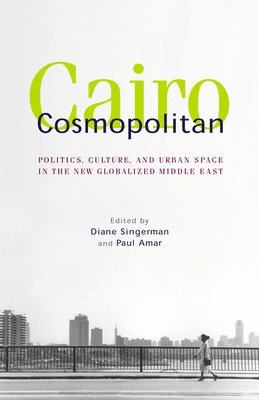
A new paperback edition of the first collected volume from the Cairo School of Urban StudiesBringing together a distinguished interdisciplinary group of scholars, this volume explores what happens when new forms of privatization meet collectivist pasts, public space is sold off to satisfy investor needs and tourist gazes, and the state plans for Egypt’s future in desert cities while stigmatizing and neglecting Cairo’s popular neighborhoods. These dynamics produce surprising contradictions and juxtapositions that are coming to define today’s Middle East.The original publication of this volume launched the Cairo School of Urban Studies, committed to fusing political-economy and ethnographic methods and sensitive to ambivalence and contingency, to reveal the new contours and patterns of modern power emerging in the urban frame. Contributors: Mona Abaza, Nezar AlSayyad, Paul Amar, Walter Armbrust, Vincent Battesti, Fanny Colonna, Eric Denis, Dalila ElKerdany, Yasser Elsheshtawy, Farha Ghannam, Galila El Kadi, Anouk de Koning, Petra Kuppinger, Anna Madoeuf, Catherine Miller, Nicolas Puig, Said Sadek, Omnia El Shakry, Diane Singerman, Elizabeth A. Smith, Leïla Vignal, Caroline Williams.
Inbunden, Engelska, 2006
357 kr
Tillfälligt slut
In the cities of the Arab world, while the media focus overwhelmingly on questions of religiosity and war, the future of urban modernity and political globalism is taking shape. As the Egyptian state reaches out to capture the apparent promises of neoliberalism, Cairenes struggle over and redefine their place, identity, and material welfare. Bringing together a distinguished interdisciplinary group of scholars, this volume explores what happens when new forms of privatization meet collectivist pasts, public space is sold off to satisfy investor needs and tourist gazes, and the state plans for Egypt’s future in desert cities while stigmatizing and neglecting Cairo’s popular neighborhoods. These dynamics produce surprising contradictions and juxtapositions that are coming to define today’s Middle East. Luxury malls owned by the military or foreign investors compete with flourishing but criminalized open-air markets; Nubian, Upper Egyptian and labor-migrant identities confront a renaissance of Arab nationalism; and new chic coffee houses, crumbling movie palaces, and resurgent working-class cultures offer radically clashing versions of public and gender sociability. This volume launches the Cairo School of Urban Studies, committed to fusing political-economy and ethnographic methods and sensitive to ambivalence and contingency, to reveal the new contours and patterns of modern power emerging in the urban frame. Cairo shows us that divergent cosmopolitanisms—both elite and working-class—are emerging across a broad spectrum of the polity, making new claims for political space, recognition, and representation.Contributors: Mona Abaza, Nezar AlSayyad, Paul Amar, Walter Armbrust, Vincent Battesti, Fanny Colonna, Eric Denis, Dalila ElKerdany, Yasser Elsheshtawy, Farha Ghannam, Galila El Kadi, Anouk de Koning, Petra Kuppinger, Anna Madoeuf, Catherine Miller, Nicolas Puig, Said Sadek, Omnia El Shakry, Diane Singerman, Elizabeth A. Smith, Leïla Vignal, Caroline Williams.