Per-Markku Ristilammi – författare
Visar alla böcker från författaren Per-Markku Ristilammi. Handla med fri frakt och snabb leverans.
6 produkter
6 produkter
Häftad, Engelska, 2020
602 kr
Skickas inom 5-8 vardagar
Inbunden, Engelska, 2020
669 kr
Skickas inom 5-8 vardagar
Inbunden, Engelska, 2019
311 kr
Skickas inom 10-15 vardagar
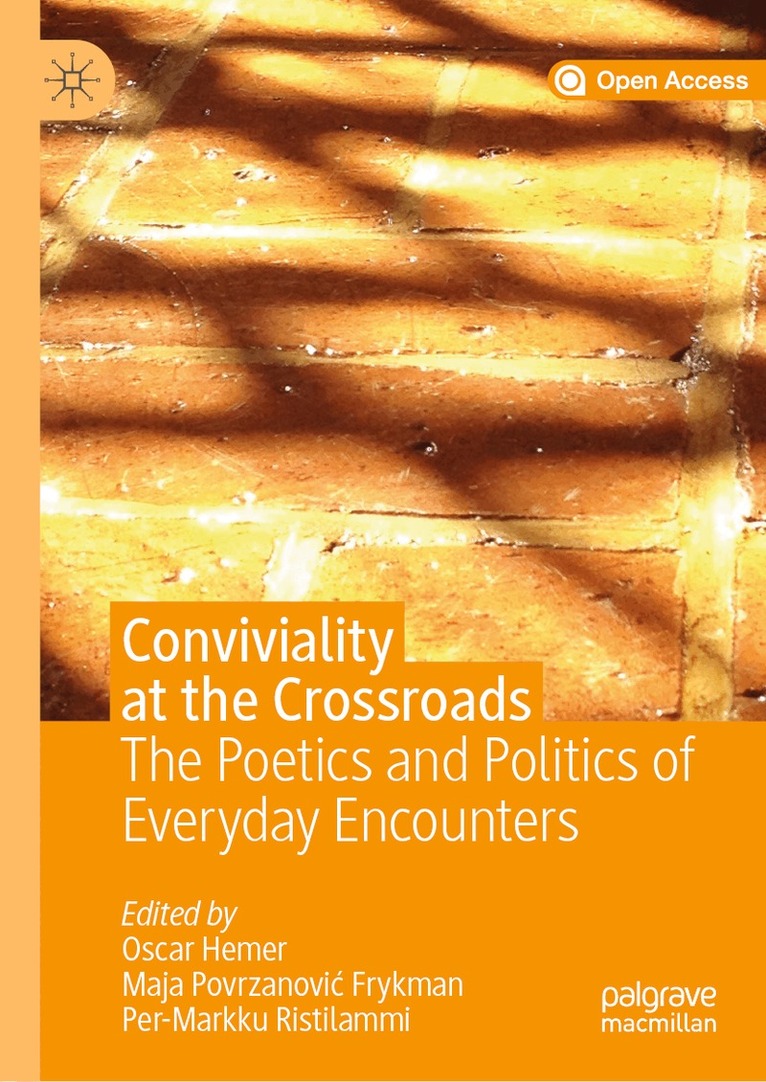
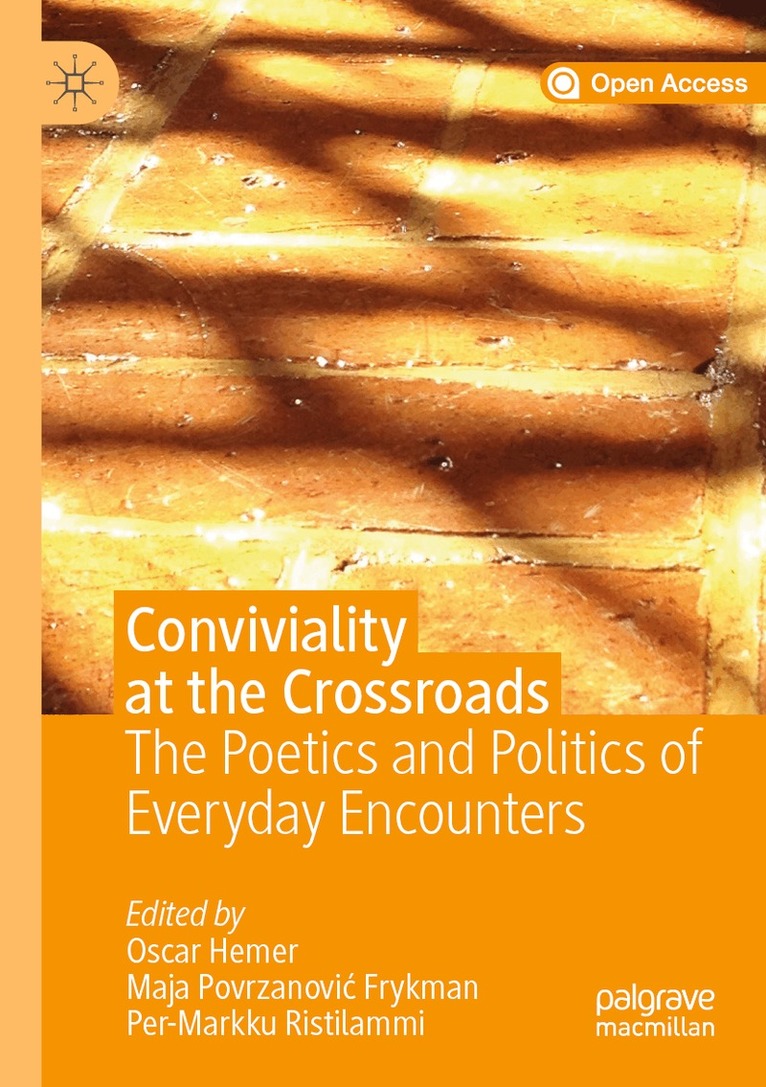
Conviviality has lately become a catchword not only in academia but also among political activists. This open access book discusses conviviality in relation to the adjoining concepts cosmopolitanism and creolisation. The urgency of today’s global predicament is not only an argument for the revival of all three concepts, but also a reason to bring them into dialogue. Ivan Illich envisioned a post-industrial convivial society of ‘autonomous individuals and primary groups’ (Illich 1973), which resembles present-day manifestations of ‘convivialism’. Paul Gilroy refashioned conviviality as a substitute for cosmopolitanism, denoting an ability to be ‘at ease’ in contexts of diversity (Gilroy 2004). Rather than replacing one concept with the other, the fourteen contributors to this book seek to explore the interconnections – commonalities and differences – between them, suggesting that creolisation is a necessary complement to the already-intertwined concepts of conviviality and cosmopolitanism. Although this volume takes northern Europe as its focus, the contributors take care to put each situation in historical and global contexts in the interests of moving beyond the binary thinking that prevails in terms of methodologies, analytical concepts, and political implementations.
Häftad, Engelska, 2020
311 kr
Skickas inom 10-15 vardagar
Conviviality has lately become a catchword not only in academia but also among political activists. This open access book discusses conviviality in relation to the adjoining concepts cosmopolitanism and creolisation. The urgency of today’s global predicament is not only an argument for the revival of all three concepts, but also a reason to bring them into dialogue. Ivan Illich envisioned a post-industrial convivial society of ‘autonomous individuals and primary groups’ (Illich 1973), which resembles present-day manifestations of ‘convivialism’. Paul Gilroy refashioned conviviality as a substitute for cosmopolitanism, denoting an ability to be ‘at ease’ in contexts of diversity (Gilroy 2004). Rather than replacing one concept with the other, the fourteen contributors to this book seek to explore the interconnections – commonalities and differences – between them, suggesting that creolisation is a necessary complement to the already-intertwined concepts of conviviality and cosmopolitanism. Although this volume takes northern Europe as its focus, the contributors take care to put each situation in historical and global contexts in the interests of moving beyond the binary thinking that prevails in terms of methodologies, analytical concepts, and political implementations.
Del 24 - Centrum för Danmarksstudier
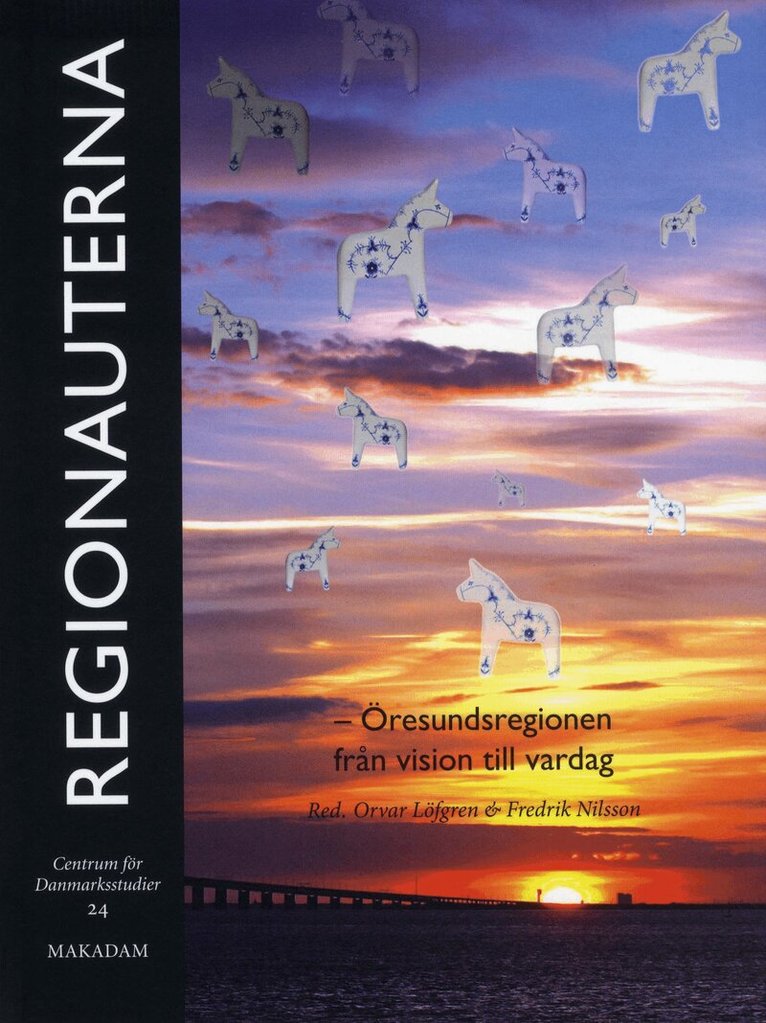
Regionauterna : Öresundsregionen från vision till vardag
Häftad, Svenska, 2010
125 kr
Skickas
Vad har hänt sedan Öresundsbron invigdes sommaren 2000? Vilka drömmar har slagit in, vilka visioner visade sig orealistiska? Inför broöppningen var otåligheten stor -- äntligen skulle Själland och Sydsverige förenas i en transnationell region. Här ser danska och svenska forskare tillbaka på de första tio åren. Vi får följa hur människors vardag påverkats av brobygget och se för vem regionen är intressant eller ointressant. Vi får möta regionauterna -- de som snabbt lär sig navigera i och använda sig av den nya regionen. Inte minst kan vi lära oss något om det svåra i att förutspå en framtida utveckling. Brons tioåriga historia rymmer många överraskningar.
Häftad, Svenska, 2006
221 kr
Skickas
Denna bok handlar om de omvandlingar som två storstäder, Göteborg och Malmö, genomgått under de senaste decennierna. Den framhåller tre förhållanden: postindustrialism, globalisering och migration. Den postindustriella utvecklingen har inte bara förändrat städernas ekonomiska liv utan också stadslandskapet. Denna utveckling är i sin tur sammanflätad med den ekonomiska globaliseringen. På folkhemmets tid var Göteborg och Malmö infogade i nationella politiska mål. För de två städerna handlar det idag om anpassning till den globaliserade marknaden. Samtidigt har den globala omflyttningen av männi-skor gjort städerna mångkulturella. Även om Göteborg och Malmö inte direkt kan jämföras med Los Angeles eller andra »globala städer» kan liknande konfliktmönster, med bas i etnisk, social och kulturell särbehandling, skönjas också här. Boken ingår i Skriftserien STUDIER AV SAMTIDSKULTUR som utges av Centrum för Kulturstudier vid Göteborgs universitet. Ove Sernhede är professor i socialt arbete och Thomas Johansson i socialpsykologi. Båda är verksamma vid Centrum för kulturstudier vid Göteborgs universitet.