Peter Sandoe – författare
1 343 kr
Skickas
1 633 kr
Läs direkt efter köp
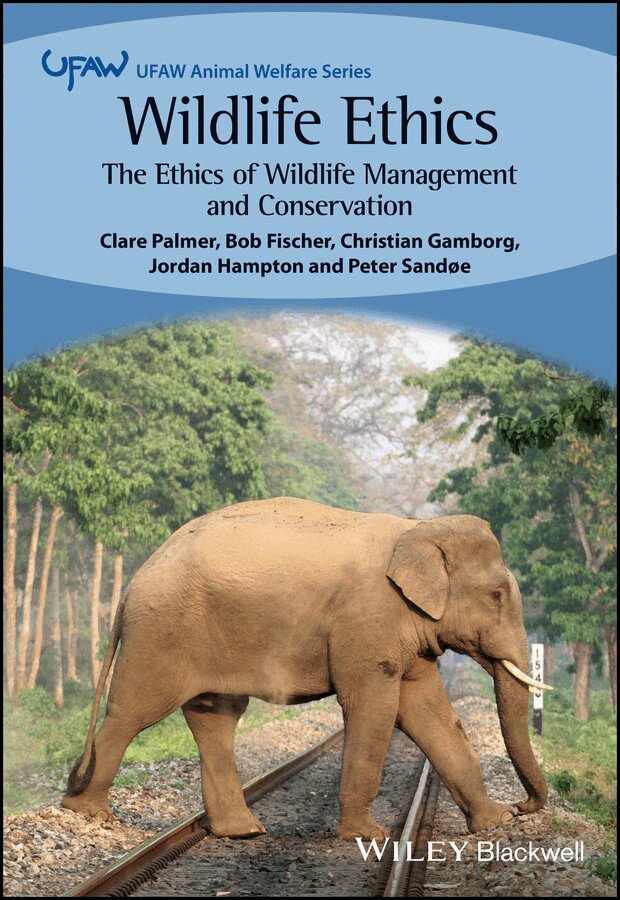
A systematic account of the ethical issues related to wildlife management and conservation
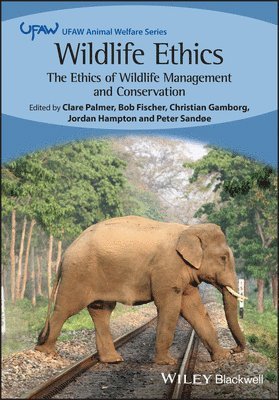
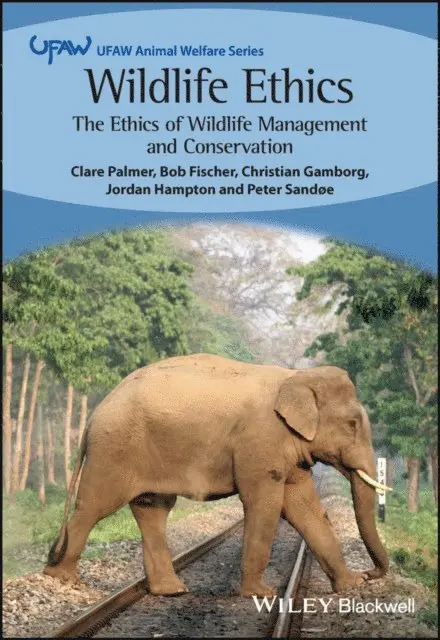
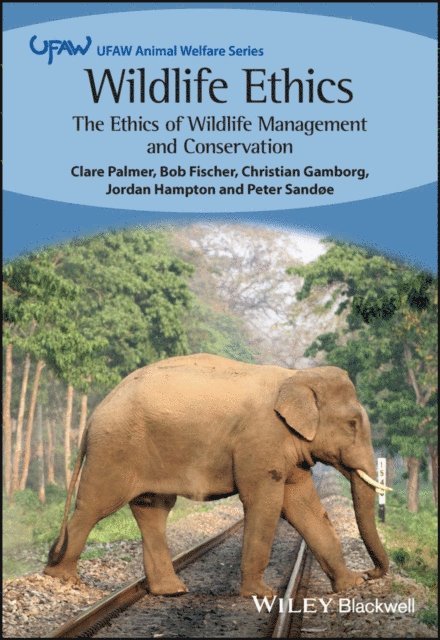
Wildlife Ethics is the first systematic, book-length discussion of the ethics of wildlife conservation and management, and examines the key ethical questions and controversies. Tackling both theory and practice, the text is divided into two parts. The first describes key concepts, ethical theories, and management models relating to wildlife; the second puts these concepts, theories, and models to work, illustrating their significance through detailed case studies on controversies in wildlife management and conservation.
The book explores pressing topics including human responsibilities due to climate change, tradeoffs when managing zoonotic disease risks, the ethics of the wildlife trade, culling non-native species, indigenous wildlife use, and zoo-based conservation programs. Readers are encouraged to explore different ways of valuing wild animals and their practical implications.
This essential text:
Explains and explores relationships between valuing biodiversity, human utility, ecosystems, species, and animal welfare Describes established approaches to wildlife management, such as sustainable use, and emerging concepts, such as compassionate conservation Discusses key ethical theories, including utilitarianism, ecocentrism, and animal rights Offers a practical model of how to analyze ethical issues in wildlife management and conservationWildlife Ethics: The Ethics of Wildlife Management and Conservation is an accessible introduction to complex ethical issues, making the book an important resource for students in fields such as conservation biology, ecology, environmental science and policy, game management, public health and veterinary medicine. It will also be an invaluable tool for wildlife managers, conservationists, One Health practitioners, practicing veterinarians and animal rehabilitation staff, contemporary wildlife professionals and other stakeholders.
1 619 kr
Läs direkt efter köp
A systematic account of the ethical issues related to wildlife management and conservation
Wildlife Ethics is the first systematic, book-length discussion of the ethics of wildlife conservation and management, and examines the key ethical questions and controversies. Tackling both theory and practice, the text is divided into two parts. The first describes key concepts, ethical theories, and management models relating to wildlife; the second puts these concepts, theories, and models to work, illustrating their significance through detailed case studies on controversies in wildlife management and conservation.
The book explores pressing topics including human responsibilities due to climate change, tradeoffs when managing zoonotic disease risks, the ethics of the wildlife trade, culling non-native species, indigenous wildlife use, and zoo-based conservation programs. Readers are encouraged to explore different ways of valuing wild animals and their practical implications.
This essential text:
Explains and explores relationships between valuing biodiversity, human utility, ecosystems, species, and animal welfare Describes established approaches to wildlife management, such as sustainable use, and emerging concepts, such as compassionate conservation Discusses key ethical theories, including utilitarianism, ecocentrism, and animal rights Offers a practical model of how to analyze ethical issues in wildlife management and conservationWildlife Ethics: The Ethics of Wildlife Management and Conservation is an accessible introduction to complex ethical issues, making the book an important resource for students in fields such as conservation biology, ecology, environmental science and policy, game management, public health and veterinary medicine. It will also be an invaluable tool for wildlife managers, conservationists, One Health practitioners, practicing veterinarians and animal rehabilitation staff, contemporary wildlife professionals and other stakeholders.
1 977 kr
Läs direkt efter köp
“Ethics, Hunger and Globalization” adds an ethics dimension to the debate and research about poverty, hunger, and globalization. Outstanding scholars and practitioners from several disciplines discuss what action is needed for ethics to play a bigger role in action by governments, civil society, and the private sector to reduce poverty and hunger within the context of globalization. The book concludes that much of the rhetoric by policy makers is not followed up with appropriate action, and discusses the role of ethics in attempts to match action with rhetoric. The book also concludes that a better understanding of the values underlying both public and private sector action towards the alleviation of poverty and hunger would lead to more enlightened policies and greater success in attempts to achieve the Millennium Development Goals. The interaction between ethical, economic, and policy aspects is discussed and scholars and experienced practitioners from several disciplines suggest how such integration may be promoted.
222 kr
Skickas inom 5-8 vardagar