Phil Sawdon - Böcker
Visar alla böcker från författaren Phil Sawdon. Handla med fri frakt och snabb leverans.
12 produkter
12 produkter
1 072 kr
Skickas inom 7-10 vardagar
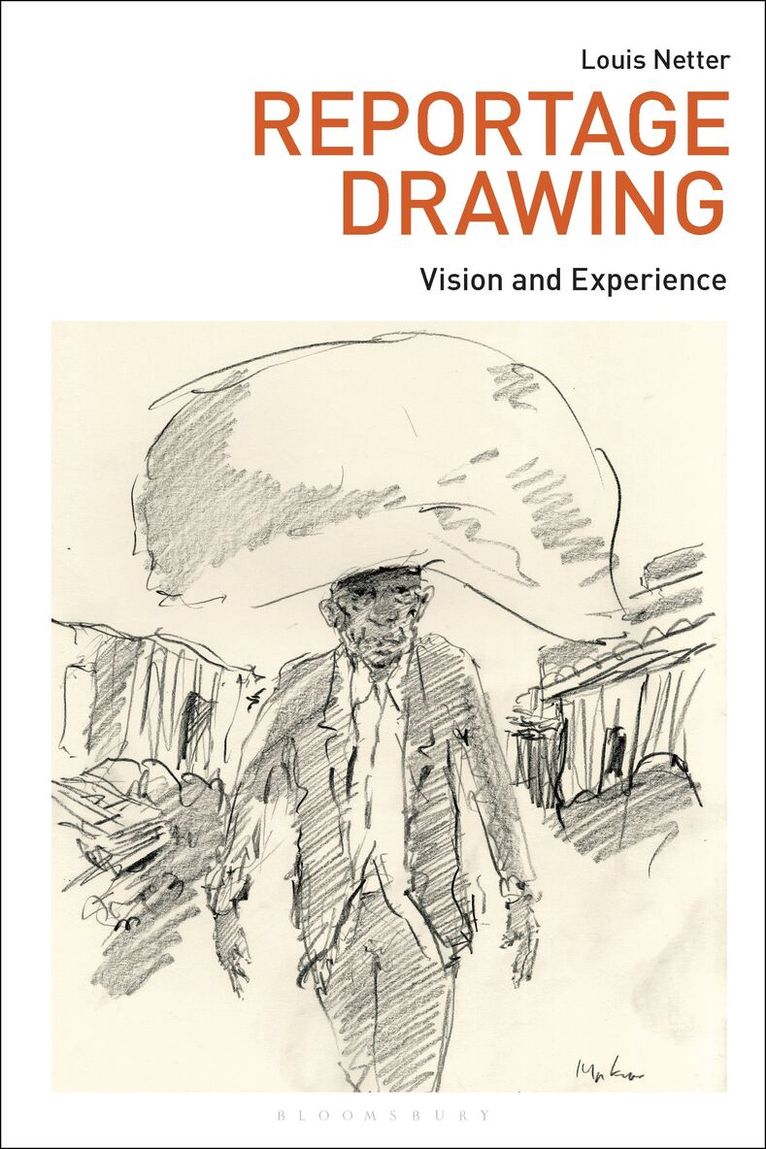
How does drawing shape the truth and our understanding of the visual world? Why has the act of reportage drawing persisted and thrived in our ever-changing media landscape? This book offers a deep dive into the world of reportage drawing, a world which is provocative, mixed media, transdisciplinary and immersed in the idiosyncratic vision of the artist. Where the traditional orientation of reportage was on the communicative function of the image as a record of an event, contemporary practitioners, largely detached from commissioning structures of the 19th and 20th centuries, now seek to capture more experiential qualities of place and choose locations which have highly personal and political significance. Liberated from old conceptions of reportage drawing as objective and true, artists today embrace subjectivity and are seeking a rich dialogue with their subjects, using drawing to tell important stories about protest, human migration, war, corporate capitalism and homelessness. Louis Netter distinguishes contemporary reportage drawing from its historical function through a critical exploration of the aesthetic of the sketch, the role of caricature and the nature of experience. Featuring several prominent artists such as Jill Gibbon, who secretly draws in arms fairs across Europe, Mario Minichiello, a highly influential reportage illustrator who has worked for the BBC’s Newsnight and The Guardian newspaper among others, renowned reportage illustrator Gary Embury and French reportage artist Loup Blaster, in addition to an exploration of the author’s own work, this book shows how the act of drawing can foster new insights about people, places and political realities in often subtle and challenging ways. Part of the Drawing In series, this book opens up reportage drawing practice as a way of understanding our world in a deeper and more personal way.
Anatomical Drawing
A Scenographic Intersection Between Science, the Visual Arts and Performance
Inbunden, Engelska, 2024
1 232 kr
Skickas inom 7-10 vardagar
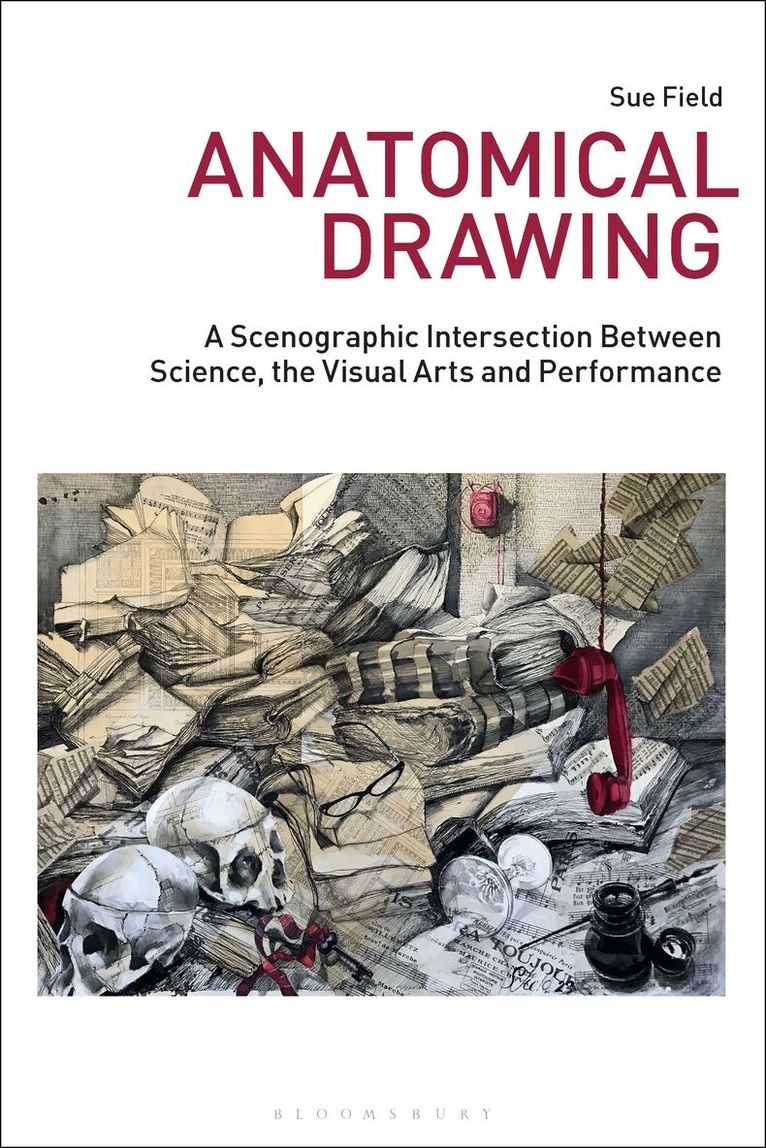
Intersecting art, science and the scenographic mise-en-scène, this book provides a new approach to anatomical drawing, viewed through the contemporary lens of scenographic theory.Sue Field traces the evolution of anatomical drawing from its historical background of hand-drawn observational scientific investigations to the contemporary, complex visualization tools that inform visual art practice, performance, film and screen-based installations. Presenting an overview of traditional approaches across centuries, the opening chapters explore the extraordinary work of scientists and artists such as Andreas Vesalius, Gérard de Lairesse, Santiago Ramón y Cajal and Dorothy Foster Chubb who, through the medium of drawing dissect, dismember and anatomize the human form.Anatomical Drawing examines how forms, fluids and systems are entangled within the labyrinthine two-dimensional drawn space and how the body has been the subject of the spectacle. Corporeal proportions continue to be embodied within the designs of structures, buildings and visual art. Illustrated throughout, the book explores the drawings of 17th-century architect and scenographer Inigo Jones, through to the ghostly, spectral forms illuminated in the present-day X-ray drawings of the artist Angela Palmer, and the visceral and deeply personal works of Kiki Smith. Field analyses the contemporary skeletal manifestations that have been spawned from the medieval Danse Macabre, such as Walt Disney’s drawn animations and the theatrical staging, metaphor and allegorical intent in the contemporary drawn artworks of William Kentridge, Peter Greenaway, Mark Dion and Dann Barber.This rigorous study illustrates how the anatomical drawing shapes multiple scenographic encounters, both on a two-dimensional plane and within a three-dimensional space, as the site of imaginative agency across the breadth of the visual and performance arts. These drawings are where a corporeal, spectacularized representation of the human body is staged and performed within an expanded drawn space, generating something new and unforeseen - a scenographic worlding.
388 kr
Skickas inom 7-10 vardagar
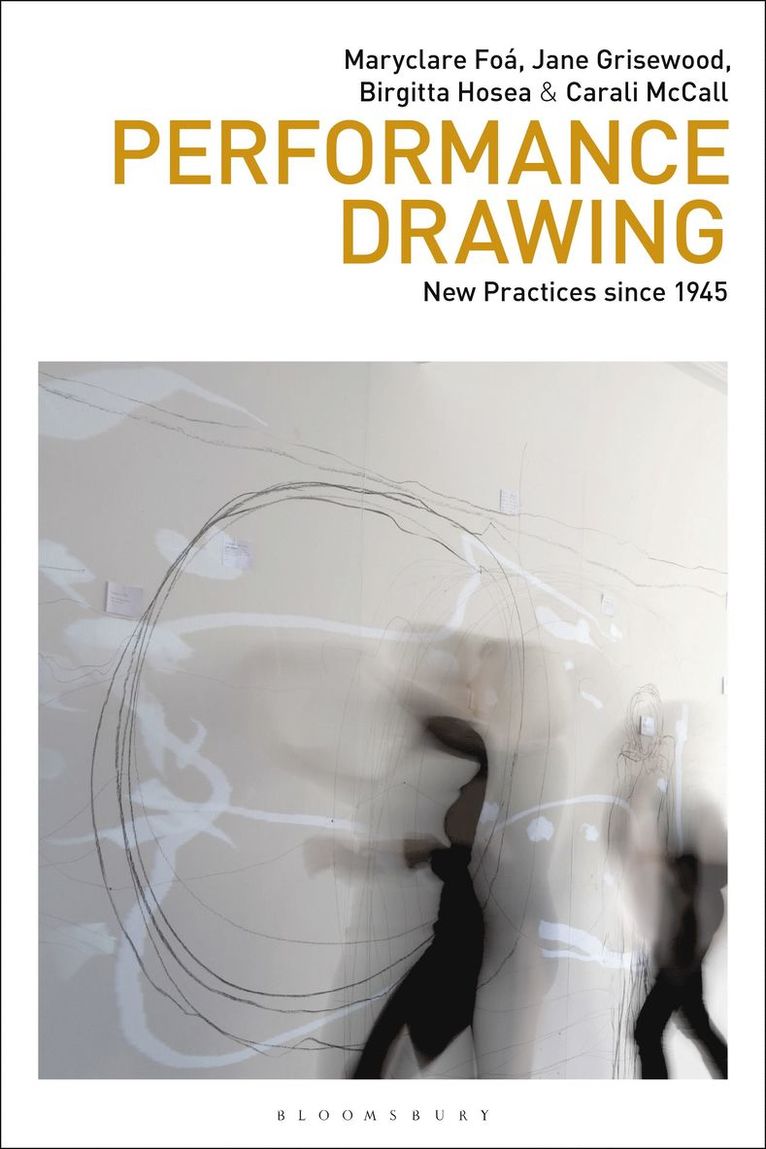
What is ‘performance drawing’? When does a drawing turn into a performance? Is the act of drawing in itself a performative process, whether a viewer is present or not? Through conversation, interviews and essays, the authors illuminate these questions, and what it might mean to perform, and what it might mean to draw, in a diverse and expressive contemporary practice since 1945. The term ‘performance drawing’ first appeared in the subtitle of Catherine de Zegher’s Drawing Papers 20: Performance Drawings, in particular with reference to Alison Knowles and Elena del Rivero. In this book, it is used as a trope, and a thread of thinking, to describe a process dedicated to broadening the field of drawing through resourceful practices and cross-disciplinary influence. Featuring a wide range of international artists, this book presents pioneering practitioners, alongside current and emerging artists. The combination of experiences and disciplines in the expanded field has established a vibrant art movement that has been progressively burgeoning in the last few years. The Introduction contextualises the background and identifies contemporary approaches to performance drawing. As a way to embrace the different voices and various lenses in producing this book, the authors combine individual perspectives and critical methodology in the five chapters. While embedded in ephemerality and immediacy, the themes encompass body and energy, time and motion, light and space, imagined and observed, demonstrating how drawing can act as a performative tool. The dynamic interaction leads to a collective understanding of the term, performance drawing, and addresses the key developments and future directions of this applied drawing process.
1 164 kr
Skickas inom 7-10 vardagar
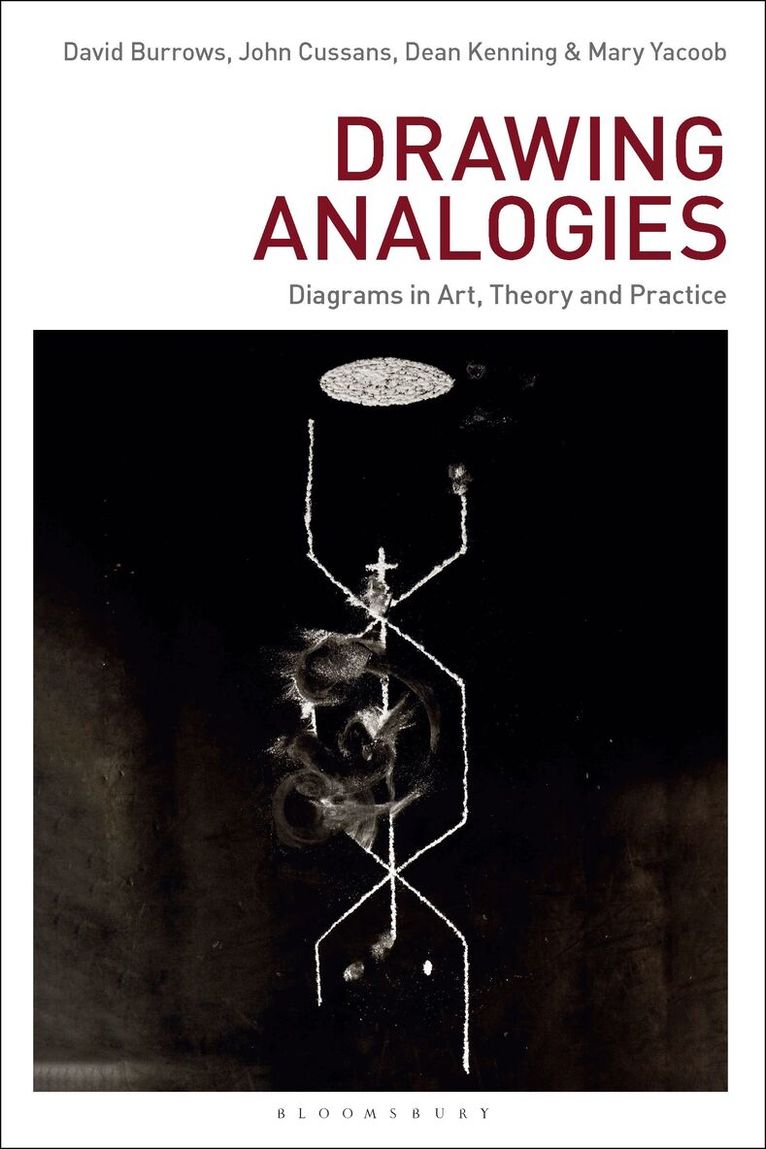
By exploring diagrams, diagramming and the diagrammatic across a range of disciplines and arts-led practices, this open access book addresses the gap between diagrams as a widely valued mode of visual representation and their under-examined status within arts and art educationInformed by Charles Sanders Peirce’s understanding of a diagram as an analogy of relations, Drawing Analogies draws on its authors’ creative use of diagrams as artists, educators and arts researchers, and on fields of inquiry that bring the arts into alignment with other disciplines – most notably anthropology, critical theory, pedagogy, philosophy, psychology, semiotics and the physical and life sciences. This range of disciplines is evident in the artists and writers discussed, such as Gregory Bateson, Black Quantum Futurism, Salvador Dali, Phillipe Descola, Aristotle, Hilma af Klint, Rosalind E. Krauss, Yayoi Kusama, Louis Hjelmslev, Susanne Leeb, Jacques Lacan, Pauline Oliveros, and George Widener.While the authors approach diagramming as both a technical and poetic activity, their emphasis is on creative, embodied and exploratory modes of diagramming practices, which are capable of engendering new forms, thoughts and experiences. By taking an artistic approach to diagrams and diagramming, by incorporating diagramming as a method of enquiry within chapters, and by exploring their interdisciplinary and multi-perspectival potentials, Drawing Analogies proposes giving new life to the art of diagramming and widening the arena of artistic practice and creative research.The ebook editions of this book are available open access under a CC BY-NC-ND 4.0 licence on bloomsburycollections.com. Open access was funded by University College London.
375 kr
Skickas inom 7-10 vardagar
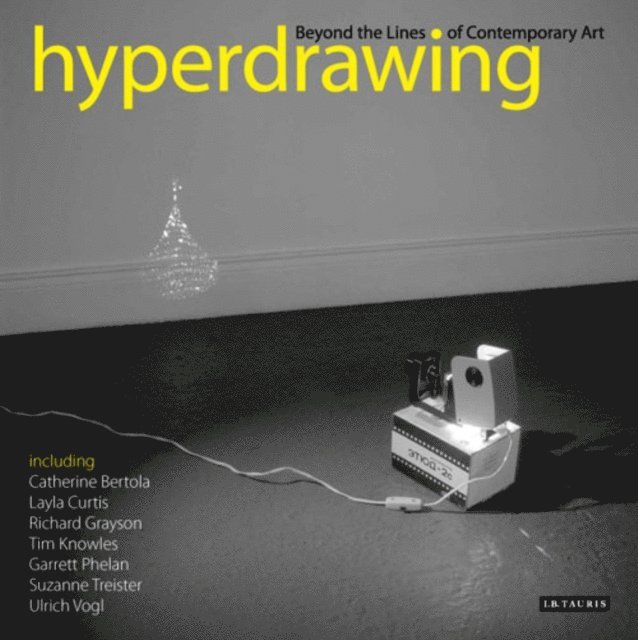
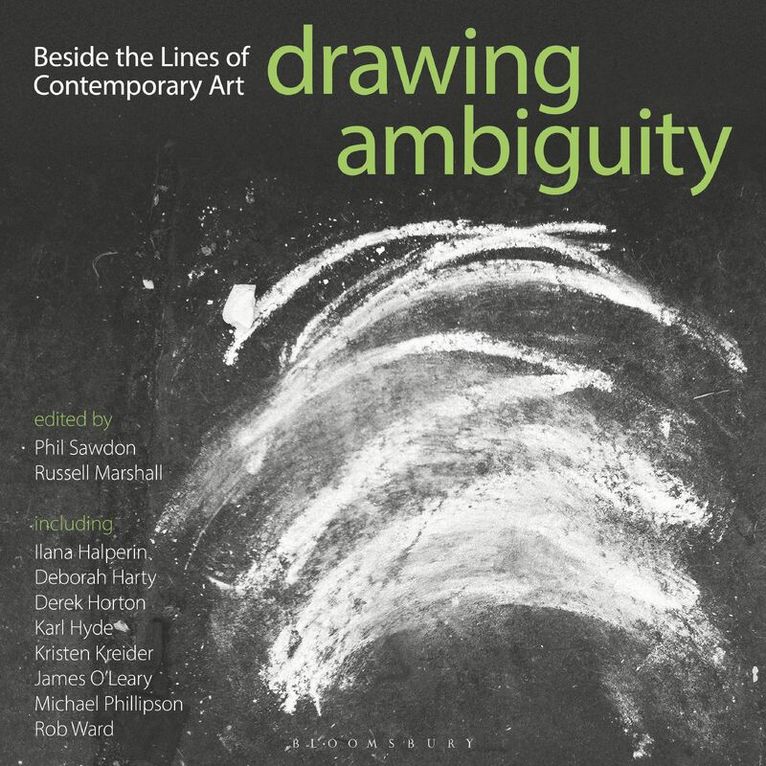
This is the third book in the innovative TRACEY series on contemporary drawing. Drawing Ambiguity builds upon its predecessors, Drawing Now and Hyperdrawing, by proposing that a position of ambiguity, a lack of definition, is not only desirable within fine art drawing but also necessary - having the capacity to enable and sustain drawing practices. What happens if we are ambivalent to what is a drawing, or what drawing is? Russell Marshall and Phil Sawdon bring together multiple perspectives from within and without the fine art drawing field to respond to these questions. Contributors include artist Ilana Halperin, artist-researcher Deborah Harty, artist and founder member of the group Underworld Karl Hyde, the creative collaboration Kreider + O'Leary, artist, writer Michael Phillipson, artist, academic Rob Ward, editors Marshall and Sawdon together with an Introduction by the artist, writer and curator Derek Horton.
1 448 kr
Kommande
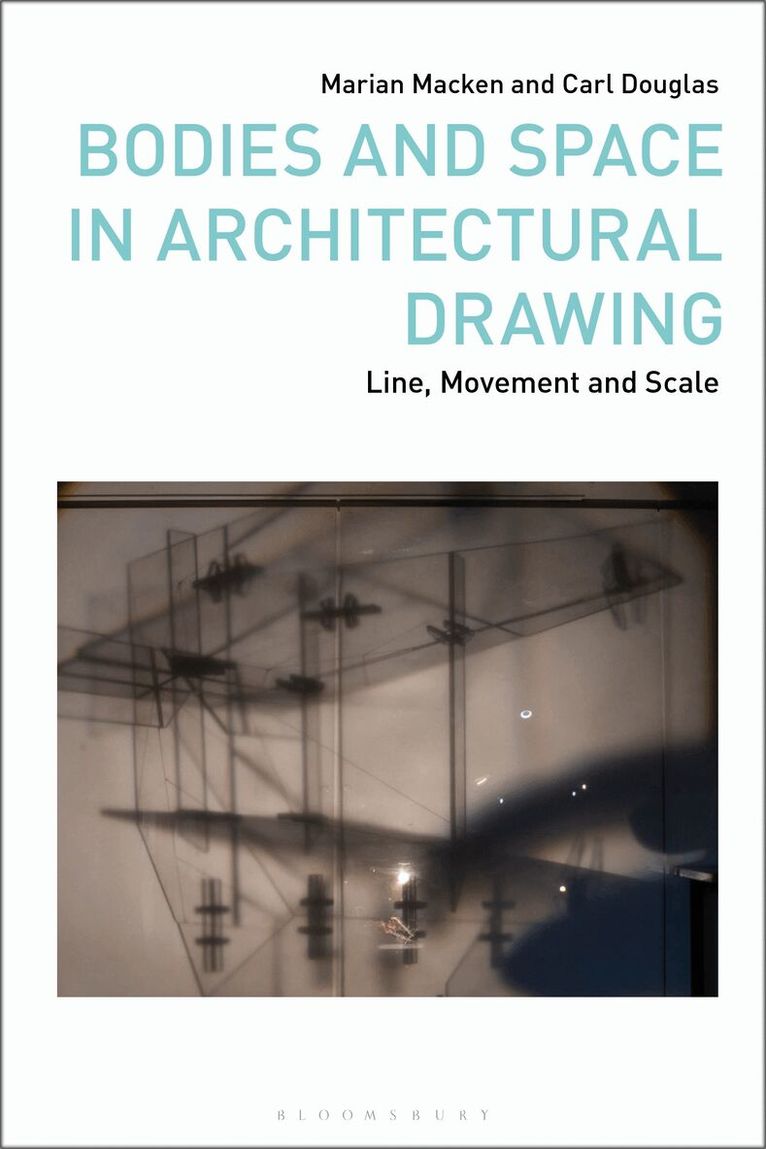
Envisioning architectural drawing as a full-scale, bodily, and spatial practice, Marian Macken and Carl Douglas explore how architects imagine, perceive, and shape space through drawing, positioning the body not just as a subject but as an active medium for design. Bodies and Space in Architectural Drawing challenges conventional scale relationships and advocates for full-scale, performative drawing methods that expand the boundaries of architectural practice. Drawing is defined as a verb: a matter of time and duration. Drawings are inhabited, present, and embodied—redefining how space is measured, represented, and understood. Through case studies and examples, the authors examine diverse approaches to architectural drawing, including motion-capture and immersive technologies, analogue and digital methods of scanning, and gestural drawing. They highlight how drawing can be inhabited by both the drawer and the viewer, offering a dynamic, immersive experience. Crucially, this book reinstates drawing as a spatial, temporal, and bodily act. It reframes the role of scaled artefacts—models, maps, and drawings—as intermediaries that mobilise architectural thinking. Rather than treating the body as a static reference point, it explores how moving, thinking bodies generate and reside within drawings. This is essential reading for students, practitioners, and researchers in architecture and spatial design seeking to rethink drawing as a performative and conceptual tool
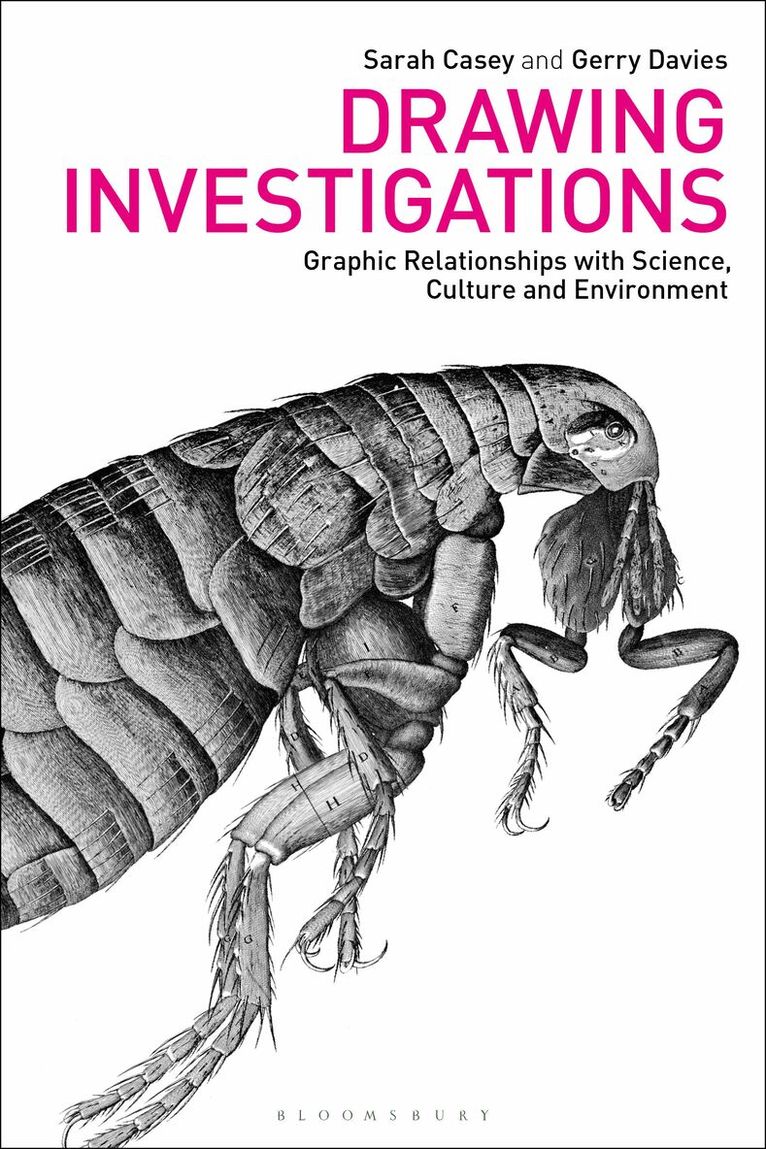
Drawing Investigations
Graphic Relationships with Science, Culture and Environment
Häftad, Engelska, 2024
377 kr
Skickas inom 7-10 vardagar
Using close visual analysis of drawings, artist interviews, critical analysis and exegesis, Drawing Investigations examines how artists use drawing as an investigative tool to reveal information that would otherwise remain unseen and unnoticed.How does drawing add shape to ideas? How does the artist accommodate to challenges and restraints of a particular environment? To what extent is a drawing complementary and continuous with its subject and where is it disruptive and provocative? Casey and Davies address these questions while focusing on artists working collaboratively and the use of drawing in challenging or unexpected environments.Drawing Investigations evaluates the emergence of a way of thinking among an otherwise disconnected group of artists by exploring commonalities in the application of analytical drawing to the natural world, urban environment, social forces and lived experience. Examples represent a spectrum of research in international contexts: an oceanographic Institute in California, the archives of Amsterdam’s Rijksmuseum, the Antarctic Survey, geothermal research in Japan and the Kurdish diaspora in Iraq. Issues are situated in the contemporary theory and practice of drawing including relationships to historical precedents.By exploring drawing’s capacity to capture and describe experience, to sharpen visual faculties and to bridge embodied and conceptual knowledge, Drawing Investigations offers a fresh critical perspective on contemporary drawing practice.
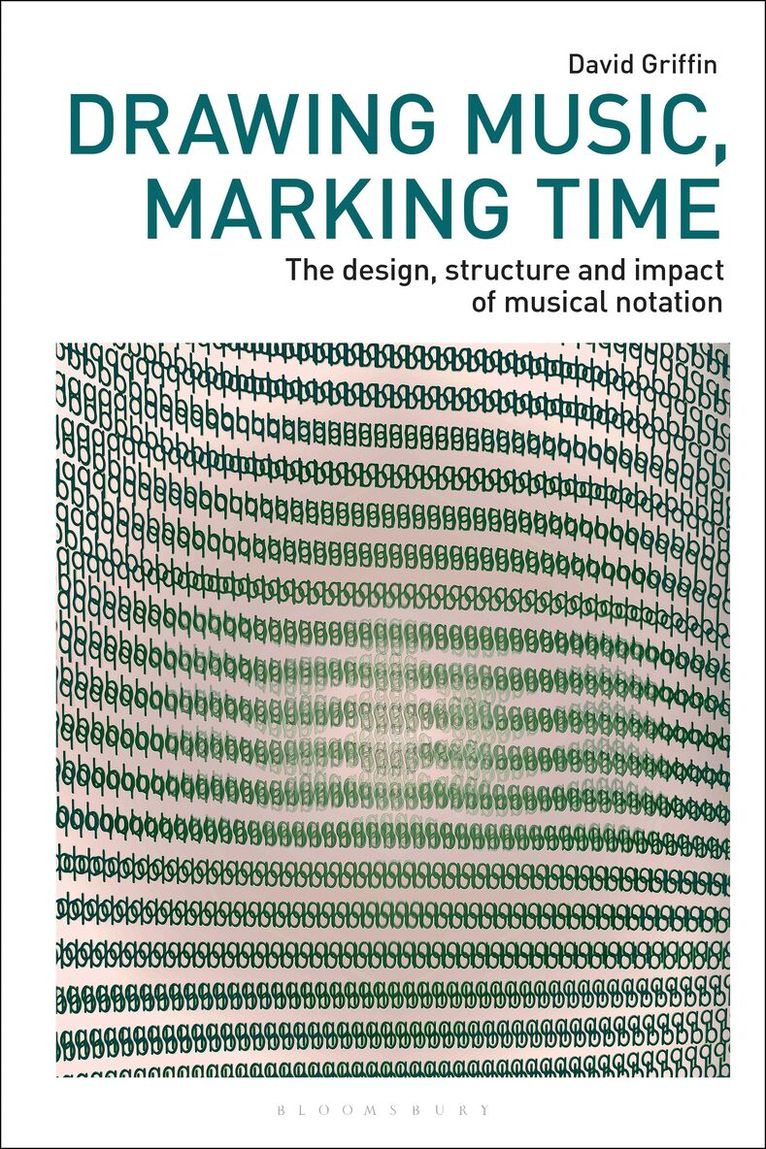
Drawing Music, Marking Time
The design, structure and impact of musical notation
Inbunden, Engelska, 2025
1 164 kr
Skickas inom 7-10 vardagar
Marking down the complexities of musical pieces on paper allows them to become portable, shareable, and eminently teachable, but how are the simple geometries of a music notation unfolded into space and time?A music notation is an almost impossibly complicated bit of drawing. Calling it a map or a diagram does not quite do the trick. Its tracery supplies mechanisms for planning, composition, analysis, annotation, and performance of music. But how is it that we read that simple, strategic two-dimensional geometry and make such complex, four-dimensional performances? In this book David Griffin guides readers to a comprehensive understanding of the structural properties of music notations, with a particular focus on the standard Western staff notation system, looking at composers such as Bach, John Cage, Earle Brown and Stockhausen.Developed over a thousand years ago, the staff notation is a geometrical drawing method using dots and lines on a horizontal timeline for explaining the structure of a musical piece. The system behaves a bit like a picture, but it is also like a diagram, and a bit like writing in its structure. In the hands of an experienced user, the notation’s complex of marks and phatic elements allows us to leave behind the mere denotation of diagrams or pictures to become a connotative drawing system. This book will attempt to de-code music drawings, untangling their strange knots of graphic and linguistic elements. Using a series of visual examples, Griffin presents background information on how the staff notation developed as an inter-linguistic inscription, a drawing that slips through the mere denotation of pictorial or diagrammatic graphics to become a connotative system, with which we may craft subtle and powerful elements of musical poetry.
388 kr
Skickas inom 7-10 vardagar
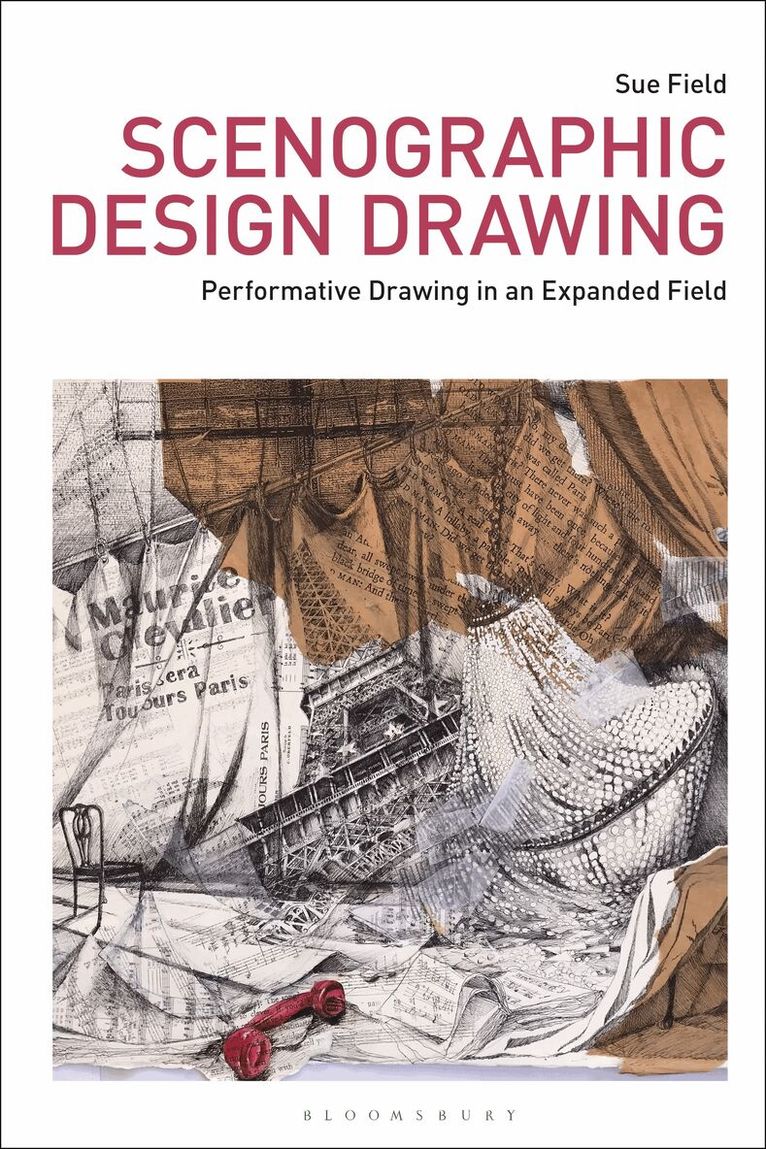
This enlightening study explores the set design drawings for theatre and live performance, highlighting their unique qualities within the greater arena of drawing practice and theory. The latest volume in the Drawing In series, Scenographic Design Drawing encourages an interdisciplinary dialogue in the field of drawing with the inclusion of illustrations throughout.Scenographic design drawings visualize the images in the designer’s ‘mind’s eye’ early in the design process. They are the initial design tool in the creative engagement with theatre, opera, dance, and non-text-based performance. It is, in particular, this body of drawings that is unique as both a performative and a theatrical representation of multiple worlds within the ‘stage space’. Sue Field illuminates this illustration process and identifies how these drawings have functioned and developed over time.Scenographic Design Drawing serves to satisfy an emerging global curiosity and a thirst for new knowledge and understanding in relation to the drawings executed by the historical and contemporary scenographer. This work addresses a critical research gap and shows how the scenographic design drawing continues to be a principal site of innovation, subjectivity, originality and authorship in theatre and live performance.
347 kr
Skickas inom 7-10 vardagar
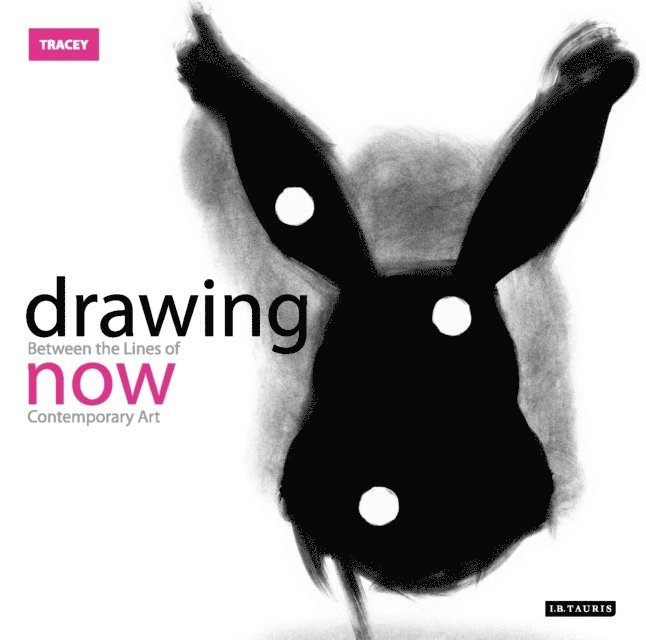
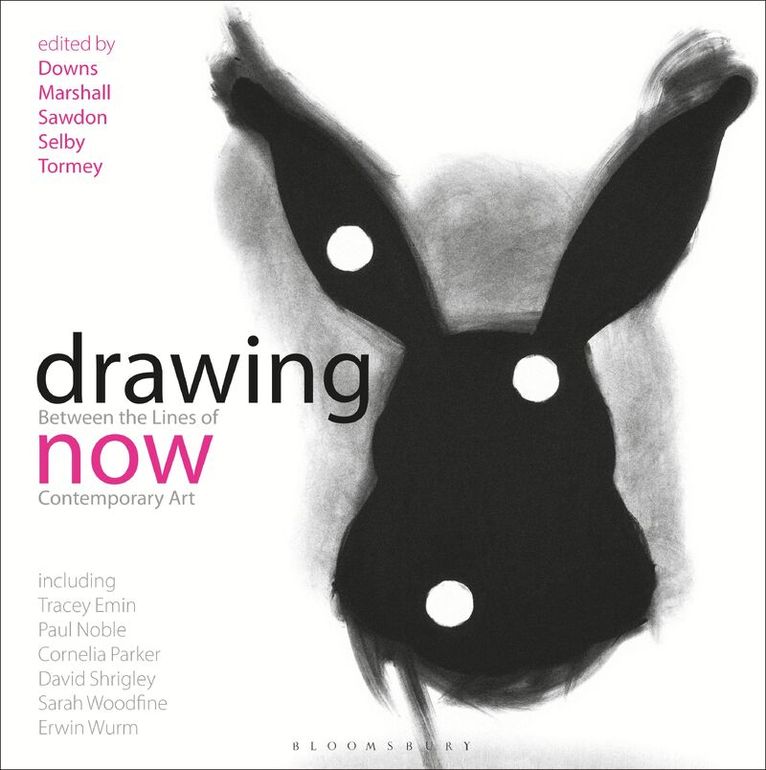
An exhibition in book form, this showcase of the best of drawing now features one hundred works by almost fifty artists including Susan Hauptman, Paul Noble, Jeff Gabel, Tracey Emin, Jane Harris, Julia Fish, Cornelia Parker and Jerwood Drawing Prize winner Sarah Woodfine. Carefully 'curated' with many new drawings specifically commissioned for the volume, the book also includes an Introduction by the Editors which lays out the themes underpinning this diverse and exciting selection of work. With a revival of interest in drawing in recent years, "Drawing Now" is a timely collection of the work of artists intent on giving a contemporary twist to the most traditional of forms.
332 kr
Skickas inom 7-10 vardagar
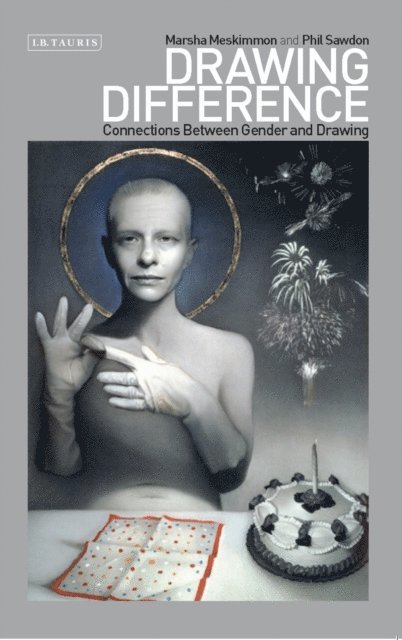
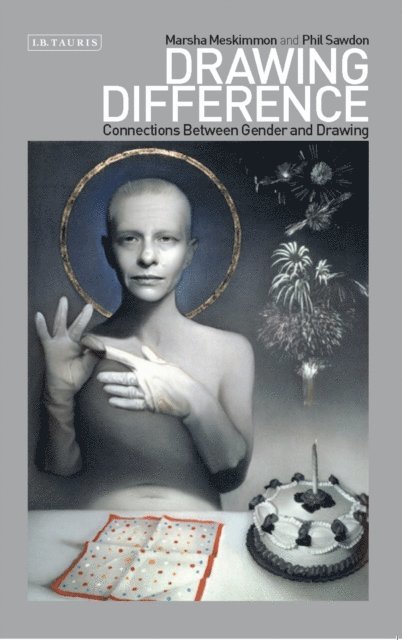
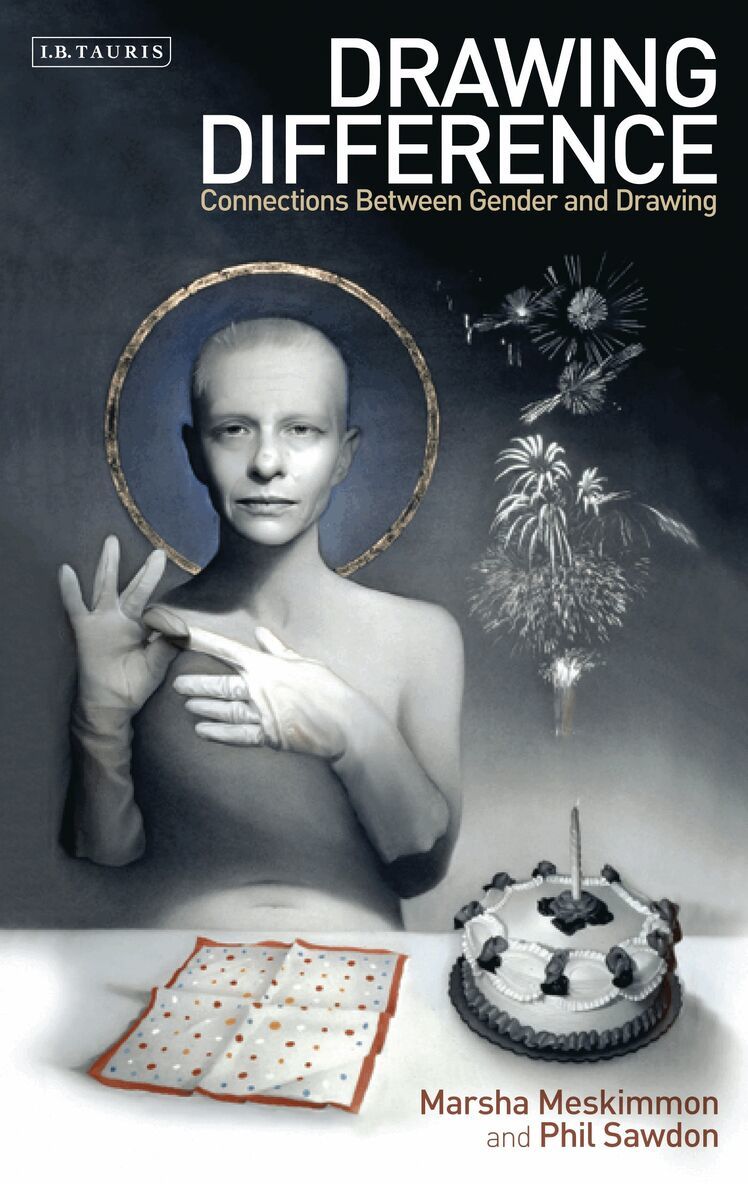
Drawing has been growing in recognition and stature within contemporary fine art since the mid-1970s. Simultaneously, feminist activism has been widespread, leading to the increased prominence of women artists, scholars, critics and curators and the wide acknowledgement of the crucial role played by gender and sexual difference in constituting the subject. Drawing Difference argues that these developments did not occur in parallel simply by coincidence. Rather, the intimate interplay between drawing and feminism is best characterised as allotropic a term originating in chemistry that describes a single pure element which nevertheless assumes varied physical structures, denoting the fundamental affinities which underlie apparently differing material forms. The book takes as its starting point three works from the 1970s by Annette Messager, Dorothea Rockburne and Carolee Schneeman, that are used to exemplify critical developments in feminist art history and key moments for drawing as a means of expression.Throughout the chapters, these works are further explored in relation to the contemporary drawing practices of Marco Maggi, Sian Bowen, Susan Hauptmann, Cornelia Parker, Christoph Fink and Toba Kheedori. Their works are shown to be (re)iterative sites where mark-making differs with each appearance yet retains certain essential features. Dividing its analysis into the themes Approaching, Tropes and Coinciding, the book analyses how both drawing and feminist discourse emphasise dialogue, matter and openness. It demonstrates how sexual difference, subjectivity and drawing are connected at an elemental level and thus how drawing has played a vital role in the articulation of the material and conceptual dynamics of feminism."
295 kr
Tillfälligt slut
To clear their minds and organize their ideas, artists will often start projects by drawing sketches. Drawing asks why artists and designers use drawing in that way to kick-start their creative thinking, considering the application of drawing and its various uses across disciplines. From the interdisciplinary perspectives of archaeology, jewelry design, illustration, and landscape architecture, this innovative volume highlights how drawing is used in the professional world. With examples from both contemporary and historical contexts, Drawing will be an invaluable resource for practitioners and scholars seeking a rationale for why we draw.