Philip J. Nyhus - Böcker
Snow Leopards
Biodiversity of the World: Conservation from Genes to Landscapes
971 kr
Skickas inom 5-8 vardagar
Snow Leopards: Biodiversity of the World: Conservation from Genes to Landscapes is the only comprehensive work on the biology, behavior, and conservation status of the snow leopard, a species that has long been one of the least studied, and hence poorly understood, of the large cats.
Breakthroughs in technologies and methodologies to study this elusive cat have come rapidly, including non-invasive genetics, camera traps, and GPS-satellite collaring. The book begins with chapters on the genetic standing and taxonomy of the snow leopard, followed by chapters on their behavior and ecology. Additional contributions follow on the current and emerging threats to the species, which include longstanding concerns, such as poaching and conflicts with livestock, and new and emerging threats such as mining and climate change.
A section on conservation solutions, backed by valuable case studies, starts with an overview of the important role mountain communities play in assuring the snow leopard's long-term persistence. In addition, chapters on the role of captive snow leopards for the conservation of the species, state-of-the-art techniques and technologies for studying and monitoring snow leopards, status reports from around the region, and future perspectives, such as transboundary conservation initiatives, international conventions (CITES, CMS, etc.), the role of the IUCN Cat Specialist Group and the Snow Leopard Network, and undertakings such as the Global Snow Leopard Forum facilitated by the World Bank are also included.
Serves as the first and only comprehensive book on the biology, behavior, and conservation status of the snow leopard Brings together the most current scientific knowledge, documents the most pressing conservation issues, and shares success stories in alleviating the broad threats that now jeopardize the long-term survival of this species Brings current knowledge of the species, not only to researchers and conservationists, but also to decision makers, academics, and students Edited by recognized snow leopard experts, with more than 50 years of collective experience in research and conservation of the speciesWhooping Cranes: Biology and Conservation
Biodiversity of the World: Conservation from Genes to Landscapes
971 kr
Skickas inom 7-10 vardagar
Whooping Cranes: Biology and Conservation covers one of the most endangered birds in North America, and the subject of intense research and highly visible conservation activity. The volume summarizes current biological information on Whooping Cranes and provides the basis for future research necessary for conservation of this species.
This edited volume concentrates on work completed in the past 20 years in the areas of population biology, behavior and social structure, habitat use, disease and health, captive breeding, and Whooping Crane conservation. Much of the information presented comes from the study and management of remnant and reintroduced populations of Whooping Cranes in the field; some information is from experimentation and breeding of captive Whooping Cranes.
Whooping Cranes: Biology and Conservation seeks to inform and galvanize action dedicated to meeting the challenges faced by Whooping Crane managers and conservationists. Thus, it describes one model of endangered species conservation and restoration that will interest a wide audience: professionals that work on cranes; researchers in the fields of small population biology, endangered species, and avian ecology; wildlife veterinarians and those involved in avian husbandry; administrators of management agencies or conservation organizations; conservationists in other fields; teachers of conservation biology or ornithology and their students; and the educated general public.
Presents a comprehensive treatment of the biology and ecology of Whooping Cranes, including biology of both remnant and reintroduced populations of Whooping Cranes Describes efforts over the past 45 years on conservation and the challenges of reintroducing an endangered species Includes chapters from a variety of disciplinary and scale perspectives, ranging from evolution, to population ecology, behavior, habitat use, large landscape conservation, conflict, and conservation efforts Features contributions that are readable, yet technically complete and fully referenced Provides an example of partnership and collegial action that integrates information produced by scientific research and operational wildlife management Edited and written by the leading Whooping Crane scholars and practitioners focused on this high-profile species of conservation concernCheetahs: Biology and Conservation
Biodiversity of the World: Conservation from Genes to Landscapes
1 056 kr
Skickas inom 7-10 vardagar
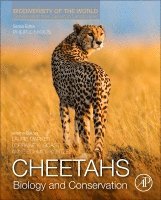
Cheetahs: Biology and Conservation reports on the science and conservation of the cheetah. This volume demonstrates the interdisciplinary nature of research and conservation efforts to study and protect the cheetah.
The book begins with chapters on the evolution, genetics, physiology, ecology and behavior of the species, as well as distribution reports from range countries. These introductory chapters lead into discussions of the challenges facing cheetah survival, including habitat loss, declining prey base, human-wildlife conflict, illegal trade, and newly-emerging threats, notably climate change. This book also focuses on conservation strategies and solutions, including environmental education and alternative livelihoods. Chapters on the role of captive cheetahs to conservation and the long-term research of the species are included, as are a brief discussion of the methods and analyses used to study the cheetah. The book concludes with the conservation status and future outlook of the species.
Cheetahs: Biology and Conservation is a valuable resource for the regional and global communities of cheetah conservationists, researchers, and academics. Although cheetah focussed the book provides information relevant to the study of broader topics such as wildlife conservation, captive breeding, habitat management, conservation biology and animal behaviour.
�Cover photograph by Angela Scott
Includes chapters by the world's leading cheetah researchers and practitioners, who have focused their efforts on this high-profile species of conservation concern Provides findings as a combination of scientific detail and basic explanations so that they can be available not only to cheetah researchers and conservationists, but also to policy makers, business leaders, zoo managers, academics, students, and people interested in the cheetah and its future Presents the current knowledge of the species, helping lay the foundations and best practices for cheetah conservation and research worldwide Additional protocols and forms (which were provided by authors) can be found at the Cheetahs: Biology and Conservation companion site: https://www.elsevier.com/books-and-journals/book-companion/9780128040881Tigers of the World
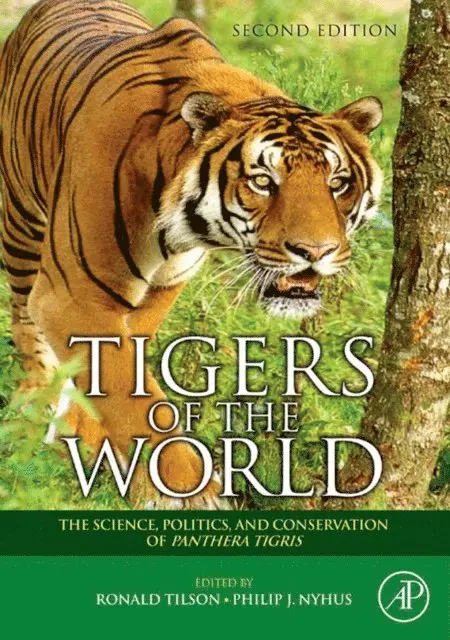
The Science, Politics and Conservation of Panthera tigris
1 044 kr
Skickas inom 7-10 vardagar