Pierre Destrée - Böcker
Visar alla böcker från författaren Pierre Destrée. Handla med fri frakt och snabb leverans.
6 produkter
6 produkter
1 200 kr
Skickas inom 5-8 vardagar
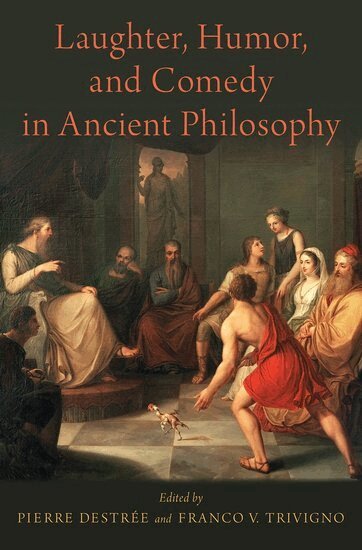
Ancient philosophers considered question about laughter, humor, and comedy to be both philosophically interesting and important. They theorized about laughter and its causes, moralized about the appropriate uses of humor and what it is appropriate to laugh at, and wrote treaties on comedic composition. They were often merciless in ridiculing their opponents' positions, borrowing comedic devices and techniques from comic poetry and drama to do so. This volume is organized around three sets of questions that illuminate the philosophical concerns and corresponding range of answers found in ancient philosophy. The first set investigates the psychology of laughter. What is going on in our minds when we laugh? What background conditions must be in place for laughter to occur? Is laughter necessarily hostile or derisive? The second set of questions concerns the ethical and social norms governing laughter and humor. When is it appropriate or inappropriate to laugh? Does laughter have a positive social function? Is there a virtue, or excellence, connected to laugher and humor? The third set of questions concerns the philosophical uses of humor and comedic technique. Do philosophers use humor exclusively in criticizing rivals, or can it play a positive educational role as well? If it can, how does philosophical humor communicate its philosophical content? This volume does not aim to settle these fascinating questions but more importantly to start a conversation about them, and serve as a reference point for discussions of laughter, humor, and comedy in ancient philosophy.
2 098 kr
Skickas inom 10-15 vardagar
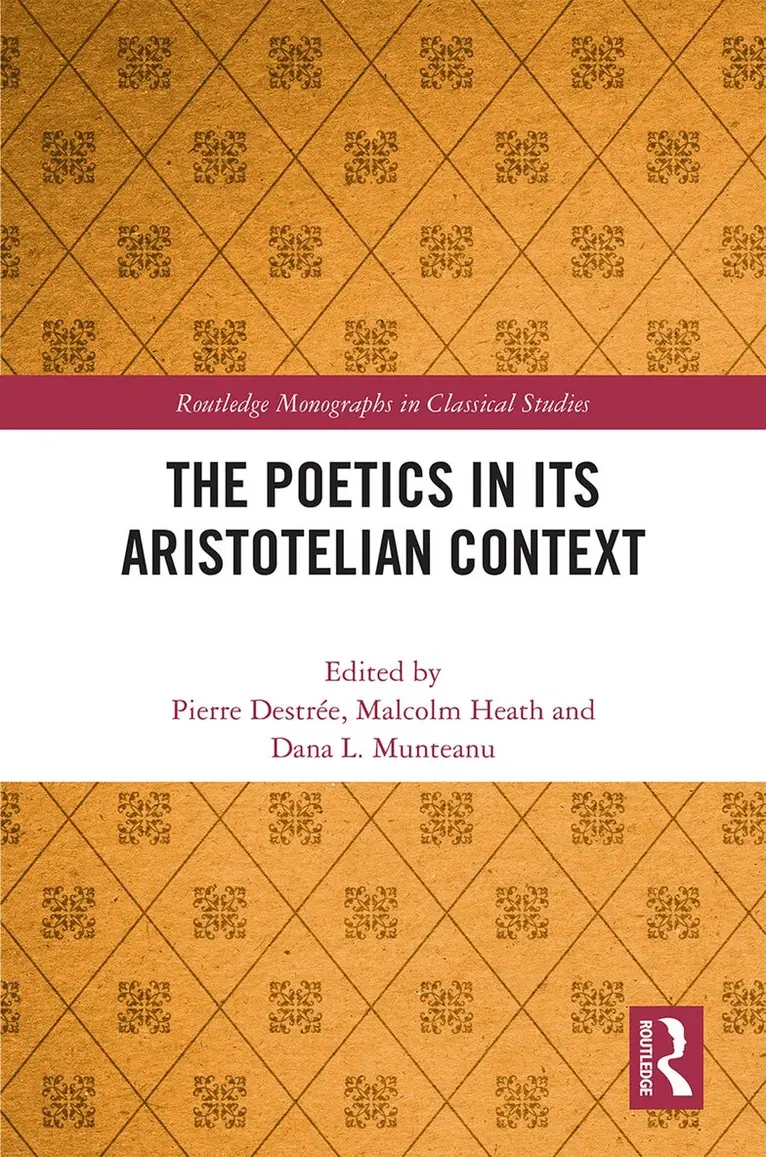
This volume integrates aspects of the Poetics into the broader corpus of Aristotelian philosophy. It both deals with some old problems raised by the treatise, suggesting possible solutions through contextualization, and also identifies new ways in which poetic concepts could relate to Aristotelian philosophy. In the past, contextualization has most commonly been used by scholars in order to try to solve the meaning of difficult concepts in the Poetics (such as catharsis, mimesis, or tragic pleasure). In this volume, rather than looking to explain a specific concept, the contributors observe the concatenation of Aristotelian ideas in various treatises in order to explore some aesthetic, moral and political implications of the philosopher’s views of tragedy, comedy and related genres. Questions addressed include: Does Aristotle see his interest in drama as part of his larger research on human natures? What are the implications of tragic plots dealing with close family members for the polis? What should be the role of drama and music in the education of citizens? How does dramatic poetry relate to other arts and what are the ethical ramifications of the connections? How specific are certain emotions to literary genres and how do those connect to Aristotle’s extended account of pathe? Finally, how do internal elements of composition and language in poetry relate to other domains of Aristotelian thought?The Poetics in its Aristotelian Context offers a fascinating new insight to the Poetics, and will be of use to anyone working on the Poetics, or Aristotelian philosophy more broadly.
630 kr
Skickas inom 10-15 vardagar
This volume integrates aspects of the Poetics into the broader corpus of Aristotelian philosophy. It both deals with some old problems raised by the treatise, suggesting possible solutions through contextualization, and also identifies new ways in which poetic concepts could relate to Aristotelian philosophy. In the past, contextualization has most commonly been used by scholars in order to try to solve the meaning of difficult concepts in the Poetics (such as catharsis, mimesis, or tragic pleasure). In this volume, rather than looking to explain a specific concept, the contributors observe the concatenation of Aristotelian ideas in various treatises in order to explore some aesthetic, moral and political implications of the philosopher’s views of tragedy, comedy and related genres. Questions addressed include: Does Aristotle see his interest in drama as part of his larger research on human natures? What are the implications of tragic plots dealing with close family members for the polis? What should be the role of drama and music in the education of citizens? How does dramatic poetry relate to other arts and what are the ethical ramifications of the connections? How specific are certain emotions to literary genres and how do those connect to Aristotle’s extended account of pathe? Finally, how do internal elements of composition and language in poetry relate to other domains of Aristotelian thought?The Poetics in its Aristotelian Context offers a fascinating new insight to the Poetics, and will be of use to anyone working on the Poetics, or Aristotelian philosophy more broadly.
Del 121 - Blackwell Companions to the Ancient World
Companion to Ancient Aesthetics
Inbunden, Engelska, 2015
2 062 kr
Skickas inom 7-10 vardagar
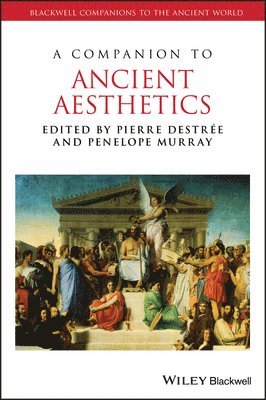
The first of its kind, A Companion to Ancient Aesthetics presents a synoptic view of the arts, which crosses traditional boundaries and explores the aesthetic experience of the ancients across a range of media—oral, aural, visual, and literary. Investigates the many ways in which the arts were experienced and conceptualized in the ancient worldExplores the aesthetic experience of the ancients across a range of media, treating literary, oral, aural, and visual arts together in a single volumePresents an integrated perspective on the major themes of ancient aesthetics which challenges traditional demarcationsRaises questions about the similarities and differences between ancient and modern ways of thinking about the place of art in society
1 773 kr
Skickas inom 5-8 vardagar
This collection deals with utopias in the Greek and Roman worlds. Plato is the first and foremost name that comes to mind and, accordingly, 3 chapters (J. Annas; D. El Murr; A. Hazistavrou) are devoted to his various approaches to utopia in the Republic, Timaeus and Laws. But this volume's central vocation and originality comes from our taking on that theme in many other philosophical authors and literary genres. The philosophers include Aristotle (Ch. Horn) but also Cynics (S. Husson), Stoics (G. Reydams-Schils) and Cicero (S. McConnell). Other literary genres include comedic works from Aristophanes up to Lucian (G. Sissa; S. Kidd; N.I. Kuin) and history from Herodotus up to Diodorus Siculus (T. Lockwood; C. Atack; I. Sulimani). A last comparative chapter is devoted to utopias in Ancient China (D. Engels).
696 kr
Skickas inom 5-8 vardagar
Aristotle's treatise On the Soul figures among the most influential texts in the intellectual history of the West. It is the first systematic treatise on the nature and functioning of the human soul, presenting Aristotle's authoritative analyses of, among others, sense perception, imagination, memory, and intellect. The ongoing debates on this difficult work continue the commentary tradition that dates back to antiquity. This volume offers a selection of essays by distinguished scholars, exploring the ancient perspectives on Aristotle's De anima, from Aristotle's earliest successors through the Aristotelian Commentators at the end of Antiquity.