Prashant Tiwari – författare
Visar alla böcker från författaren . Handla med fri frakt och snabb leverans.
19 produkter
19 produkter
E-bok
PDF, Engelska, 20262 597 kr
Läs direkt efter köp
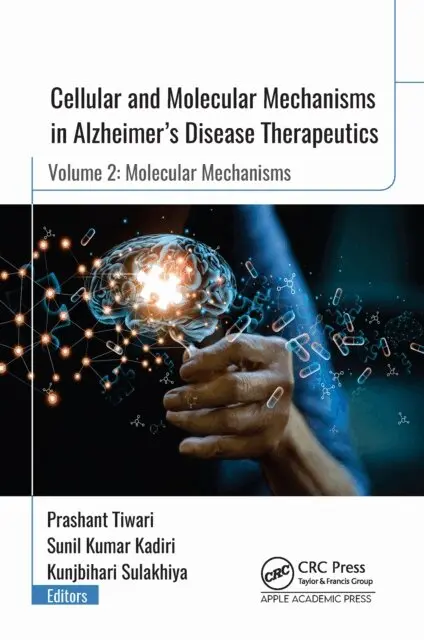
As research continues to uncover the complex causes of Alzheimer's disease, a deeper understanding of its cellular and molecular mechanisms is essential for developing effective therapies. Cellular and Molecular Mechanisms in Alzheimer's Disease Therapeutics, a two volume set, provides a comprehensive examination of the processes driving disease onset and progression, bringing together leading experts to illuminate key pathways, therapeutic targets, and emerging treatment strategies. Volume 1: Cellular Mechanisms explores the cellular mechanisms underlying Alzheimer's disease-such as synaptic dysfunction, neuroinflammation, mitochondrial impairment, and protein aggregation-while highlighting their therapeutic implications, including personalized medicine, blood-brain barrier dynamics, and micro RNA-based approaches. Volume 2: Molecular Mechanisms examines AD at the molecular level-covering protein aggregation, cellular dysfunction, and neuroinflammation-while integrating emerging therapies, personalized approaches, and global research efforts to bridge fundamental mechanisms with clinical applications.
E-bok
Engelska, 20262 597 kr
Läs direkt efter köp
As research continues to uncover the complex causes of Alzheimer's disease, a deeper understanding of its cellular and molecular mechanisms is essential for developing effective therapies. Cellular and Molecular Mechanisms in Alzheimer's Disease Therapeutics, a two volume set, provides a comprehensive examination of the processes driving disease onset and progression, bringing together leading experts to illuminate key pathways, therapeutic targets, and emerging treatment strategies. Volume 1: Cellular Mechanisms explores the cellular mechanisms underlying Alzheimer's disease-such as synaptic dysfunction, neuroinflammation, mitochondrial impairment, and protein aggregation-while highlighting their therapeutic implications, including personalized medicine, blood-brain barrier dynamics, and micro RNA-based approaches. Volume 2: Molecular Mechanisms examines AD at the molecular level-covering protein aggregation, cellular dysfunction, and neuroinflammation-while integrating emerging therapies, personalized approaches, and global research efforts to bridge fundamental mechanisms with clinical applications.
E-bok
PDF, Engelska, 20262 597 kr
Läs direkt efter köp
As research continues to uncover the complex causes of Alzheimer's disease, a deeper understanding of its cellular and molecular mechanisms is essential for developing effective therapies. Cellular and Molecular Mechanisms in Alzheimer's Disease Therapeutics, a two volume set, provides a comprehensive examination of the processes driving disease onset and progression, bringing together leading experts to illuminate key pathways, therapeutic targets, and emerging treatment strategies. Volume 1: Cellular Mechanisms explores the cellular mechanisms underlying Alzheimer's disease-such as synaptic dysfunction, neuroinflammation, mitochondrial impairment, and protein aggregation-while highlighting their therapeutic implications, including personalized medicine, blood-brain barrier dynamics, and micro RNA-based approaches. Volume 2: Molecular Mechanisms examines AD at the molecular level-covering protein aggregation, cellular dysfunction, and neuroinflammation-while integrating emerging therapies, personalized approaches, and global research efforts to bridge fundamental mechanisms with clinical applications.
E-bok
Engelska, 20262 597 kr
Läs direkt efter köp
As research continues to uncover the complex causes of Alzheimer's disease, a deeper understanding of its cellular and molecular mechanisms is essential for developing effective therapies. Cellular and Molecular Mechanisms in Alzheimer's Disease Therapeutics, a two volume set, provides a comprehensive examination of the processes driving disease onset and progression, bringing together leading experts to illuminate key pathways, therapeutic targets, and emerging treatment strategies. Volume 1: Cellular Mechanisms explores the cellular mechanisms underlying Alzheimer's disease-such as synaptic dysfunction, neuroinflammation, mitochondrial impairment, and protein aggregation-while highlighting their therapeutic implications, including personalized medicine, blood-brain barrier dynamics, and micro RNA-based approaches. Volume 2: Molecular Mechanisms examines AD at the molecular level-covering protein aggregation, cellular dysfunction, and neuroinflammation-while integrating emerging therapies, personalized approaches, and global research efforts to bridge fundamental mechanisms with clinical applications.
Inbunden, Engelska, 2026
3 465 kr
Skickas inom 5-8 vardagar
Discover a groundbreaking path forward in the fight against dementia with this vital resource, which bridges the gap between costly drug discovery and the transformative potential of harnessing the immune system to finally target the underlying mechanisms of Alzheimer’s disease. Alzheimer’s disease, which is characterized by a progressive loss of memory and cognitive function, is the most prevalent type of dementia in adults. Despite being widespread, there is currently no permanent treatment for this condition. Current drugs provide only symptomatic relief with serious adverse consequences. The process of discovering new medications in this field is costly and time-consuming, so despite effort on the part of the scientific and pharmaceutical communities, few Alzheimer’s medications have been created. This book offers a comprehensive exploration of how the immune system can be harnessed to combat one of the most challenging neurodegenerative disorders of our time. It examines the scientific foundations of immunotherapy, including antibody-based strategies, vaccine development, and modulation of innate and adaptive immune responses. It highlights the interplay between amyloid and tau pathology, neuroinflammation, and microglial activation, providing readers with a clear understanding of the mechanisms driving therapeutic innovation. Beyond the laboratory, this volume bridges preclinical research with clinical applications, addressing safety, efficacy, and regulatory considerations. Case studies, emerging technologies, and future directions are presented to illustrate both the promise and the challenges of immunotherapy in Alzheimer’s care. Designed for neuroscientists, pharmacologists, clinicians, and biotechnology professionals, the book serves as a vital resource for those seeking evidence-based insights into cutting-edge therapeutic approaches that may transform the landscape of Alzheimer’s treatment.
Inbunden, Engelska, 2026
2 299 kr
Kommande
As research continues to uncover the complex causes of Alzheimer’s disease, a deeper understanding of its cellular and molecular mechanisms is essential for developing effective therapies. Cellular and Molecular Mechanisms in Alzheimer’s Disease Therapeutics, a two volume set, provides a comprehensive examination of the processes driving disease onset and progression, bringing together leading experts to illuminate key pathways, therapeutic targets, and emerging treatment strategies. Volume 1: Cellular Mechanisms explores the cellular mechanisms underlying Alzheimer’s disease—such as synaptic dysfunction, neuroinflammation, mitochondrial impairment, and protein aggregation—while highlighting their therapeutic implications, including personalized medicine, blood–brain barrier dynamics, and micro RNA-based approaches. Volume 2: Molecular Mechanisms examines AD at the molecular level—covering protein aggregation, cellular dysfunction, and neuroinflammation—while integrating emerging therapies, personalized approaches, and global research efforts to bridge fundamental mechanisms with clinical applications.
Inbunden, Engelska, 2026
2 299 kr
Kommande
As research continues to uncover the complex causes of Alzheimer’s disease, a deeper understanding of its cellular and molecular mechanisms is essential for developing effective therapies. Cellular and Molecular Mechanisms in Alzheimer’s Disease Therapeutics, a two volume set, provides a comprehensive examination of the processes driving disease onset and progression, bringing together leading experts to illuminate key pathways, therapeutic targets, and emerging treatment strategies. Volume 1: Cellular Mechanisms explores the cellular mechanisms underlying Alzheimer’s disease—such as synaptic dysfunction, neuroinflammation, mitochondrial impairment, and protein aggregation—while highlighting their therapeutic implications, including personalized medicine, blood–brain barrier dynamics, and micro RNA-based approaches. Volume 2: Molecular Mechanisms examines AD at the molecular level—covering protein aggregation, cellular dysfunction, and neuroinflammation—while integrating emerging therapies, personalized approaches, and global research efforts to bridge fundamental mechanisms with clinical applications.
Häftad, Engelska, 2024
938 kr
Skickas inom 5-8 vardagar
Inbunden, Engelska, 2026
1 835 kr
Skickas inom 10-15 vardagar
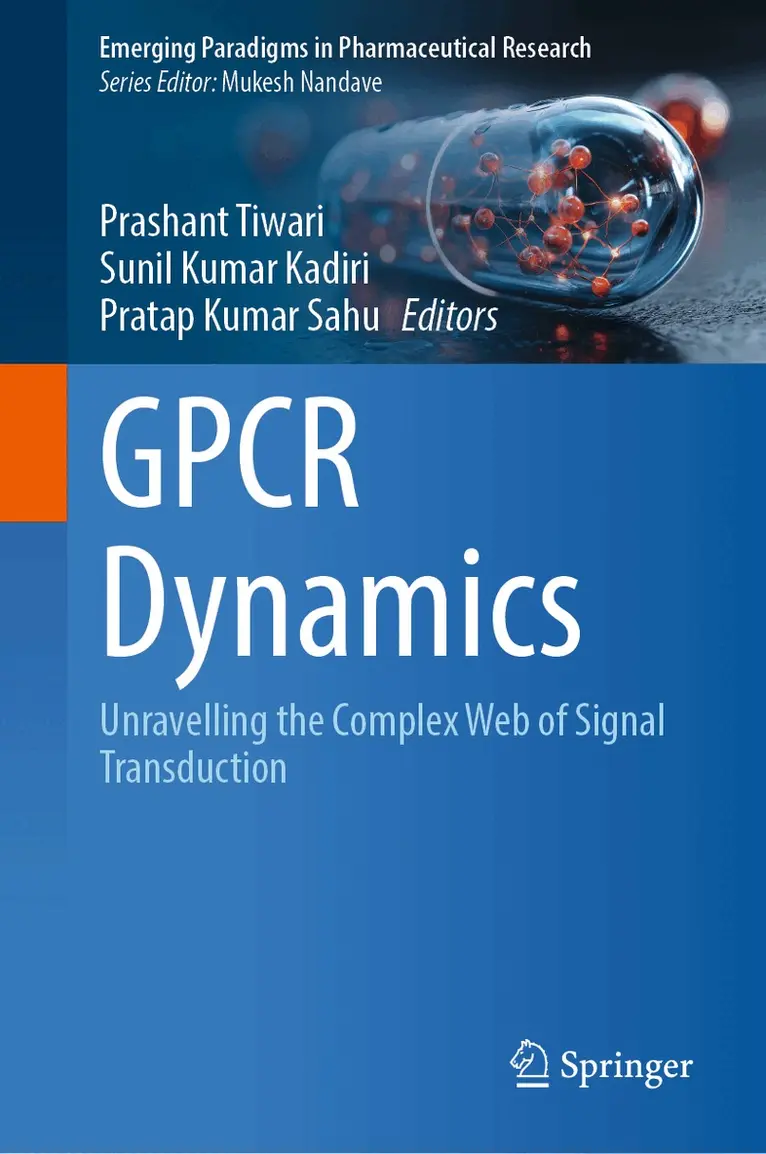
This book offers a detailed exploration of G-protein-coupled receptors (GPCRs), key membrane proteins that mediate cellular responses to diverse signals. It covers GPCR activation, regulation, structural advances, technological innovations, and drug discovery, emphasizing their crucial roles in physiology and therapy. By integrating molecular insights with clinical applications, the book bridges basic science and translational research in GPCR biology.GPCRs function as vital cellular communication hubs by activating guanine nucleotide-binding proteins (G proteins) to transduce extracellular signals into intricate intracellular pathways. These signaling cascades regulate processes such as cell growth, gene expression, and intercellular communication, crucial for maintaining cellular homeostasis. Disruptions in GPCR signaling are linked to diverse pathologies, making them prime targets for therapeutic intervention.The book begins with GPCR structure and activation mechanisms, followed by signaling networks and receptor regulation. It then covers breakthroughs in structural biology and cutting-edge research technologies. Drug discovery strategies, including allosterism and biased signaling, are explored next. Systems biology and molecular pathologies provide deeper insights into GPCR functions and diseases. The final chapters focus on cellular toxicity, preclinical to clinical drug development, and future research challenges.This resource is designed for researchers and scientists in molecular pharmacology, cell biology, and drug discovery, as well as graduate and postgraduate students. Pharmaceutical industry professionals, educators, trainees, and healthcare professionals engaged in GPCR-targeted therapies will also find this book an essential guide to the latest advances and clinical applications.
E-bok
Engelska, 20262 366 kr
Läs direkt efter köp
This book offers a detailed exploration of G-protein-coupled receptors (GPCRs), key membrane proteins that mediate cellular responses to diverse signals. It covers GPCR activation, regulation, structural advances, technological innovations, and drug discovery, emphasizing their crucial roles in physiology and therapy. By integrating molecular insights with clinical applications, the book bridges basic science and translational research in GPCR biology.GPCRs function as vital cellular communication hubs by activating guanine nucleotide-binding proteins (G proteins) to transduce extracellular signals into intricate intracellular pathways. These signaling cascades regulate processes such as cell growth, gene expression, and intercellular communication, crucial for maintaining cellular homeostasis. Disruptions in GPCR signaling are linked to diverse pathologies, making them prime targets for therapeutic intervention.The book begins with GPCR structure and activation mechanisms, followed by signaling networks and receptor regulation. It then covers breakthroughs in structural biology and cutting-edge research technologies. Drug discovery strategies, including allosterism and biased signaling, are explored next. Systems biology and molecular pathologies provide deeper insights into GPCR functions and diseases. The final chapters focus on cellular toxicity, preclinical to clinical drug development, and future research challenges.This resource is designed for researchers and scientists in molecular pharmacology, cell biology, and drug discovery, as well as graduate and postgraduate students. Pharmaceutical industry professionals, educators, trainees, and healthcare professionals engaged in GPCR-targeted therapies will also find this book an essential guide to the latest advances and clinical applications.
Inbunden, Engelska, 2025
3 297 kr
Skickas inom 5-8 vardagar
Häftad, Engelska, 2025
2 704 kr
Skickas inom 5-8 vardagar
E-bok
Engelska, 20251 020 kr
Läs direkt efter köp
Brain Tumour Drug Development provides a clear, multidisciplinary update on modern therapies for glioblastoma and other aggressive brain tumours. The book focuses on improving drug precision, crossing the blood-brain barrier, identifying biomarkers, designing effective trials, and accelerating translation from research to real patient care. Key Features Overcomes the blood-brain barrier using advanced delivery methods Improves drug penetration & specificity with nano and polymer-based systems Explores new therapies through immunotherapy, gene therapy, and personalised medicine Builds preclinical models & identifies biomarkers to support clinical success Designs regulatory-aligned clinical trial strategies for faster translation
Häftad, Engelska, 2025
1 030 kr
Skickas inom 5-8 vardagar
E-bok
Engelska, 2025874 kr
Läs direkt efter köp
Brain Tumour Drug Development provides a clear, multidisciplinary update on modern therapies for glioblastoma and other aggressive brain tumours. The book focuses on improving drug precision, crossing the blood-brain barrier, identifying biomarkers, designing effective trials, and accelerating translation from research to real patient care. Key Features Overcomes the blood-brain barrier using advanced delivery methods Improves drug penetration & specificity with nano and polymer-based systems Explores new therapies through immunotherapy, gene therapy, and personalised medicine Builds preclinical models & identifies biomarkers to support clinical success Designs regulatory-aligned clinical trial strategies for faster translation
Häftad, Engelska, 2025
884 kr
Skickas inom 5-8 vardagar
Häftad, Engelska, 2026
2 112 kr
Skickas inom 5-8 vardagar
Häftad, Engelska, 2026
1 267 kr
Skickas inom 5-8 vardagar
Inbunden, Engelska, 2026
1 489 kr
Tillfälligt slut
Animal studies play a vital role in the development of new medications, medical devices, and therapeutic methods. It is essential, however, that these studies adhere to ethical standards and international regulations to maintain scientific integrity and public confidence in biomedical research. Designed to provide researchers, regulatory professionals, ethics committee members, and institutional leaders with a thorough understanding of ethical standards and the challenges of compliance in preclinical animal research, this book covers regulatory frameworks from around the world, including the USA, European Union, Japan and Australia. Selected for their global impact, these regions represent diverse approaches to compliance while shaping standards internationally. This book also: - highlights the 3Rs principle of replacement, reduction and refinement within animal studies - includes case studies from prominent research institutions worldwide - provides practical advice on navigating international regulations Also exploring recent technological advancements that promote ethical research, including in vitro alternatives and computational models, this book encourages responsible and compliant research practices that promote scientific advancement while ensuring the humane treatment of laboratory animals.