Priyanka Kajla - Böcker
Visar alla böcker från författaren Priyanka Kajla. Handla med fri frakt och snabb leverans.
3 produkter
3 produkter
Nanotechnological Innovations for Dairy Products
Applications from Farm to Fork
Häftad, Engelska, 2026
1 446 kr
Kommande
Nanotechnological Innovations for Dairy Products: Application from Farm to Fork offers an overview of the prominent, cutting-edge nanotechnology applications throughout the entire dairy supply chain, from farm-level production to consumer consumption. It will explore how nanotechnology can improve milk quality, extend shelf life, enhance nutritional value, and enable controlled release of bioactive compounds. It will also highlight the importance of ethical considerations, consumer acceptance, and transparency in the adoption of nanotechnology in the dairy industry. Written and edited by a team of international experts, Nanotechnological Innovations for Dairy Products: Application from Farm to Fork will guide researchers and industry stakeholders in implementing nanotechnology solutions in their practices and inspire future research and discoveries.Explores cutting-edge applications of nanotechnology throughout the entire dairy productlifecycleCovers nanotechnological interventions in farming, processing, quality control, packaging,safety, consumer perception, and regulationDiscusses current research, emerging trends, and potential breakthroughs innanotechnology as well as their industrial scale adoptability in the dairy industry
2 637 kr
Skickas inom 10-15 vardagar
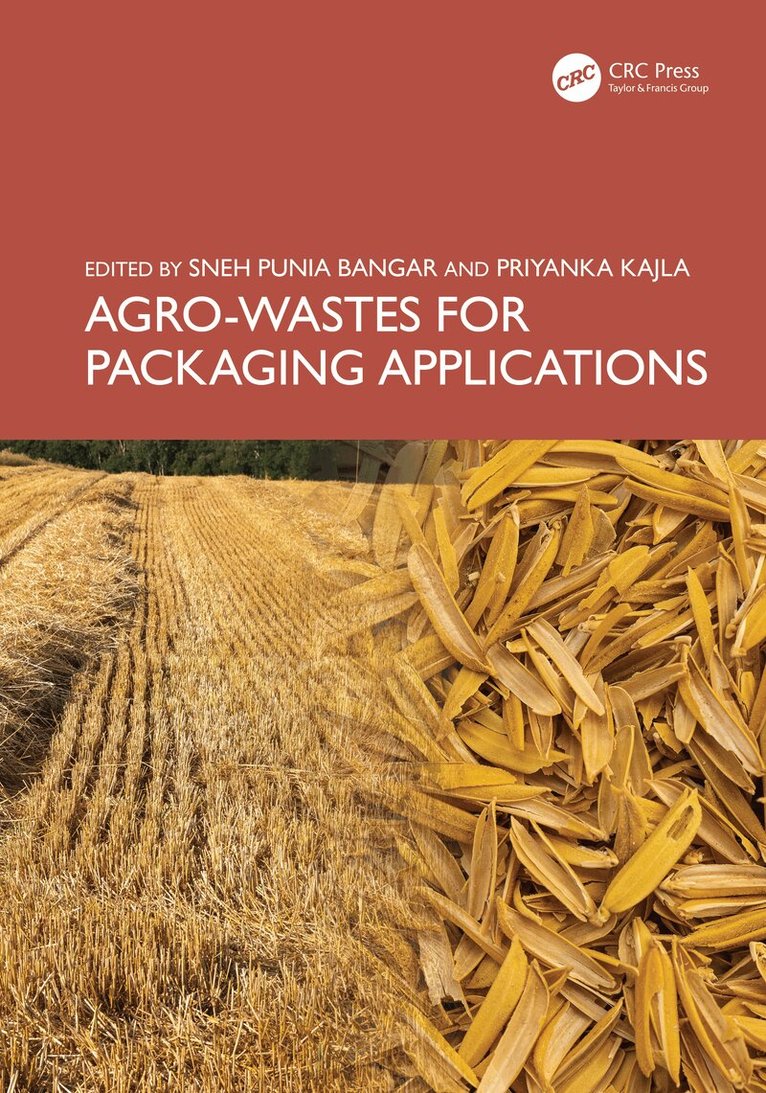
Food and agricultural waste is a huge global issue that has detrimental effects on society, the economy, and the environment. Plant leaves, stems, roots and peels (outer leaves and stems) are among the wastes and by-products from agriculture and the food business, along with residues from oil production, fruit and vegetable peels, and seeds. High concentrations of dietary fiber, phytochemicals, cellulose, and hemicellulose are typically found in these residues. As the next environmentally conscious step of waste valorization, research from recent years has demonstrated that employing organic ingredients/biodegradable fibers generated from waste and by-products in the food packaging business may be an efficient strategy to reduce the quantity of food waste and by-products. In recent years, there has been a lot of interest in finding alternative polymer materials as high-value novel packaging materials through the valorization of agricultural waste. Thus, utilizing agricultural wastes and by-products as raw materials for food packaging could help cut down on the amount of waste produced.Agro-Wastes for Packaging Applications provides an update on the strategies for valuing agricultural waste and how these might be used in packaging. It also includes recent research on these approaches and presents an innovative strategy for developing sustainable, green, and biodegradable packaging options. A detailed overview of the packaging application of valorized agricultural waste materials is discussed, and concept clarification is achieved using flowcharts and figures supported by the latest research investigations. These agricultural leftovers are abundant sources of polysaccharides, such as cellulose, hemicellulose, and lignin, which can be processed further utilizing various physicochemical techniques and other unconventional techniques to create nanocellulose fibers or crystals. The main goal of this book is to provide food experts and the general public with superior, environmentally friendly, sustainable packaging materials that can be used in place of plastic polymers.Key FeaturesContains abundant information on advanced valorization techniques for different types of agricultural wastesProvides information on possible applications of component/constituents obtained by the valorizationDiscusses the impact of the incorporation of these valorized components in different packaging systemsReviews the legal standards and future trends in the commercialization of these derived polymers in food packaging industries
1 558 kr
Skickas inom 10-15 vardagar
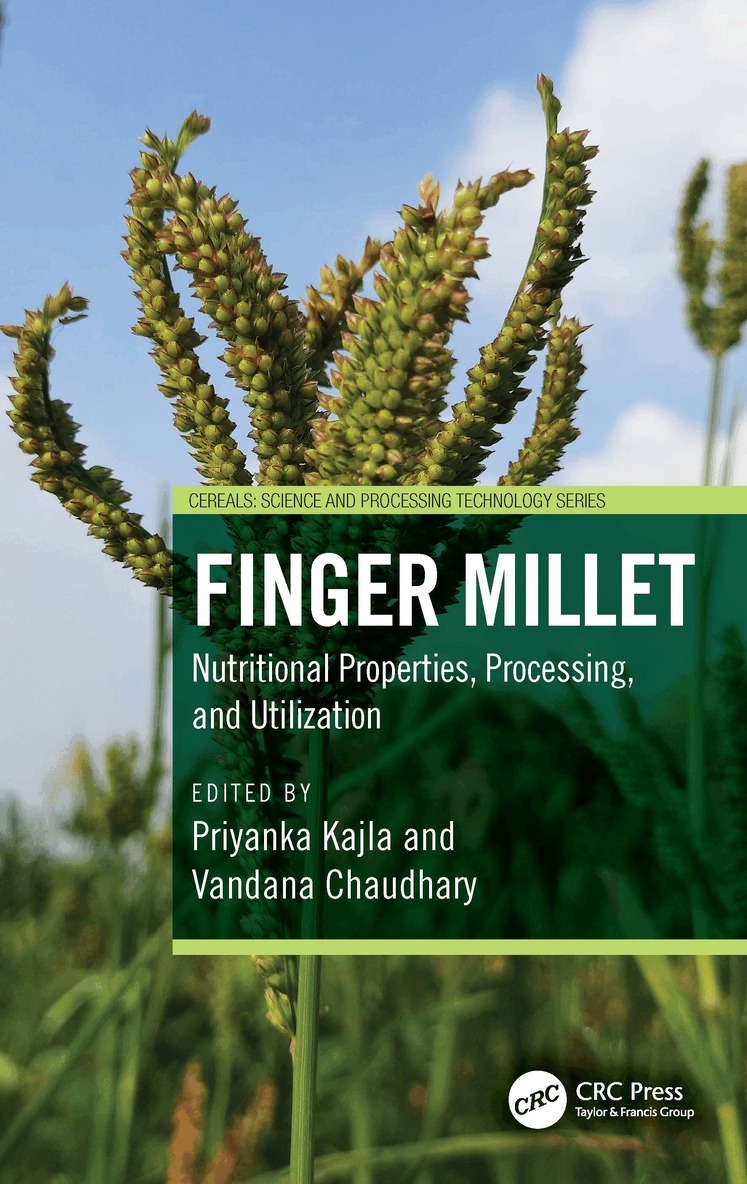
Finger millets are gaining popular recognition as a superior source of phytochemicals, micronutrients such as calcium, phosphorous, and iron, and dietary fibre, when compared with cereals such as wheat and rice. Finger Millet: Nutritional Properties, Processing, and Utilization provides comprehensive information about the grain, including details of its different components such as starch, protein, bioactive metabolites, and their use in food products. It also discusses the effects of processing on their nutritional profile, as well as its utility as a gluten-free wheat substitute. This book will be a comprehensive reference tool for researchers, students, nutritionists, food technologists, policymakers, and agricultural practitioners.