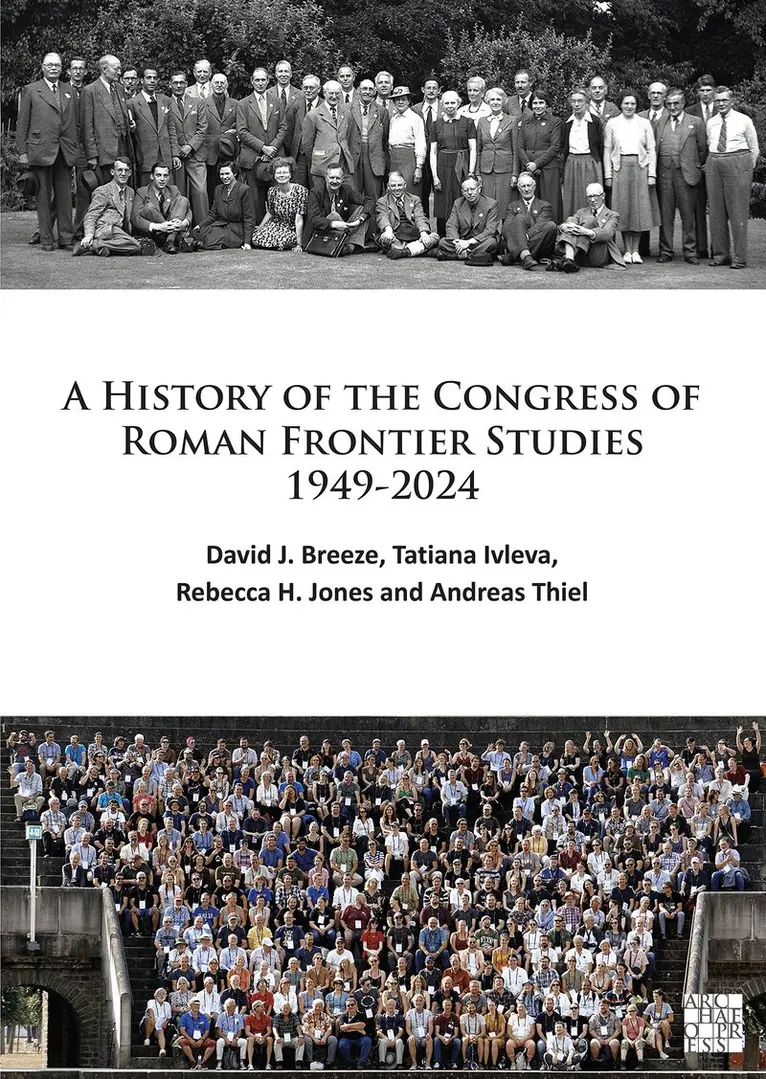
In 1949, in the aftermath of a devastating war, Eric Birley organised the First Congress of Roman Frontier Studies. His aim was not only to pursue the study of Roman frontiers but also to take a step towards restoring harmony in international relations within this field of research. The pattern was set early on: the exchange of information, networking and friendship. These three elements remain at the core of the approach of those organising and attending the Congress. They are reinforced by the pattern of the meetings, usually held every three years. The programme includes not only lectures but also visits to the local Roman military sites led by appropriate specialists. Over the 75 years since the First Congress, membership has grown enormously with more lecture theatres and more coaches being required every meeting. This publication marks the twenty-sixth Congress at Batumi in Georgia. It aims to help newer members understand the body they have joined; for those who have been attending for longer, it will be a reminder of friendships made and strengthened; for all, the book hopes to be a spur to continuing investigations and research into Rome’s greatest monument, its frontiers; for the moment of publication, it will be a celebration of the twenty-sixth Congress of Roman Frontier Studies.
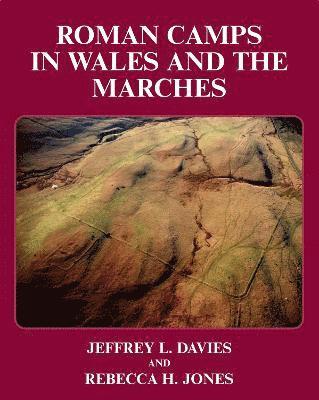
This book takes the form of a gazeteer of the temporary camps which the Romans constructed in South Wales when on the march. Whilst the permanent Roman forts are an ever popular field of study this book, examining what are often barely discernable earthworks fills a major gap. The sites are fully described, and the book includes a detailed discussion of the place of these camps in Roman military practice and strategy, as well as the development of the camps through the period of the Empire.
In 1949, in the aftermath of a devastating war, Eric Birley organised the First Congress of Roman Frontier Studies. His aim was not only to pursue the study of Roman frontiers but also to take a step towards restoring harmony in international relations within this field of research. The pattern was set early on: the exchange of information, networking and friendship. These three elements remain at the core of the approach of those organising and attending the Congress. They are reinforced by the pattern of the meetings, usually held every three years. The programme includes not only lectures but also visits to the local Roman military sites led by appropriate specialists. Over the 75 years since the First Congress, membership has grown enormously with more lecture theatres and more coaches being required every meeting. This publication marks the twenty-sixth Congress at Batumi in Georgia. It aims to help newer members understand the body they have joined; for those who have been attending for longer, it will be a reminder of friendships made and strengthened; for all, the book hopes to be a spur to continuing investigations and research into Rome’s greatest monument, its frontiers; for the moment of publication, it will be a celebration of the twenty-sixth Congress of Roman Frontier Studies.
This book takes the form of a gazeteer of the temporary camps which the Romans constructed in South Wales when on the march. Whilst the permanent Roman forts are an ever popular field of study this book, examining what are often barely discernable earthworks fills a major gap. The sites are fully described, and the book includes a detailed discussion of the place of these camps in Roman military practice and strategy, as well as the development of the camps through the period of the Empire.