Richard N. Engstrom - Böcker
Visar alla böcker från författaren Richard N. Engstrom. Handla med fri frakt och snabb leverans.
6 produkter
6 produkter
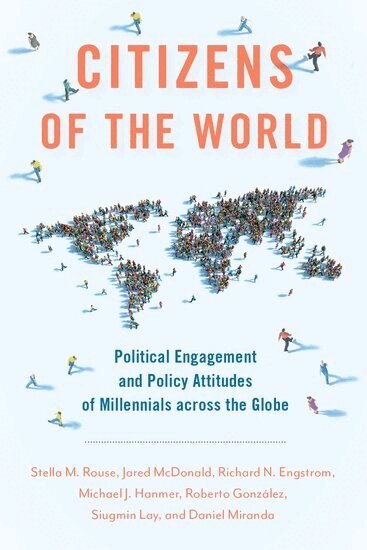
Citizens of the World
Political Engagement and Policy Attitudes of Millennials across the Globe
Inbunden, Engelska, 2022
1 200 kr
Skickas inom 7-10 vardagar
The Millennial Generation, those born between the early 1980s and the late 1990s, is the most educated, digitally connected, and globalized in the history of the world. Around the globe, this generation encompasses 1.8 billion people--a quarter of the world's population--and will soon produce a majority of the world's political, economic, and social leaders. Millennials grew up experiencing the terrorist attacks of September 11, the perpetual "war on terror", the global proliferation of the internet and smart phones, and the increased interconnectedness of people around the world. In many countries, Millennials' young adulthood has been marked by high rates of unemployment and underemployment that surpass those of their parents and grandparents, making them the first generation in the modern era to have higher rates of poverty than their predecessors at the same age. These factors afford a unique opportunity to explore how Millennial attitudes, compared to older adults, vary across different cultures, political settings, and economic circumstances. Citizens of the World examines the Millennial Generation from a comparative perspective, providing insight into the degree to which generational differences in political attitudes and behaviors transcend cultures and borders. The book looks at Millennial attitudes about family life, gender roles, institutions, politics, religion, lifestyle, and the future to better understand how or if governance will change under this generation and the degree of influence they currently wield in different countries. Key to this research is the finding that Millennials have developed a global identity that distinguishes them from older adults. Drawing on data from Australia, Chile, Mexico, New Zealand, South Africa, South Korea, the United Kingdom, and the United States, Citizens of the World shows how this global identity has developed and how it fuels Millennials' policy attitudes and willingness to engage in the political world.
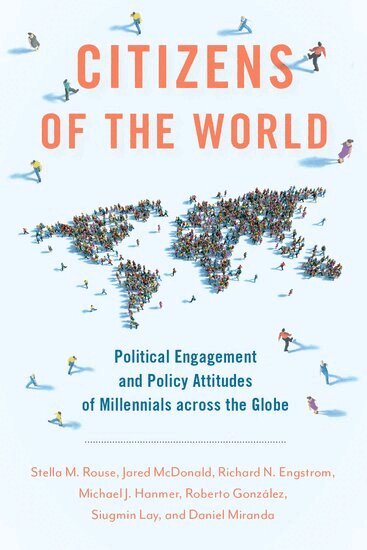
Citizens of the World
Political Engagement and Policy Attitudes of Millennials across the Globe
Häftad, Engelska, 2022
301 kr
Skickas inom 5-8 vardagar
The Millennial Generation, those born between the early 1980s and the late 1990s, is the most educated, digitally connected, and globalized in the history of the world. Around the globe, this generation encompasses 1.8 billion people--a quarter of the world's population--and will soon produce a majority of the world's political, economic, and social leaders. Millennials grew up experiencing the terrorist attacks of September 11, the perpetual "war on terror", the global proliferation of the internet and smart phones, and the increased interconnectedness of people around the world. In many countries, Millennials' young adulthood has been marked by high rates of unemployment and underemployment that surpass those of their parents and grandparents, making them the first generation in the modern era to have higher rates of poverty than their predecessors at the same age. These factors afford a unique opportunity to explore how Millennial attitudes, compared to older adults, vary across different cultures, political settings, and economic circumstances. Citizens of the World examines the Millennial Generation from a comparative perspective, providing insight into the degree to which generational differences in political attitudes and behaviors transcend cultures and borders. The book looks at Millennial attitudes about family life, gender roles, institutions, politics, religion, lifestyle, and the future to better understand how or if governance will change under this generation and the degree of influence they currently wield in different countries. Key to this research is the finding that Millennials have developed a global identity that distinguishes them from older adults. Drawing on data from Australia, Chile, Mexico, New Zealand, South Africa, South Korea, the United Kingdom, and the United States, Citizens of the World shows how this global identity has developed and how it fuels Millennials' policy attitudes and willingness to engage in the political world.
178 kr
Skickas inom 5-8 vardagar
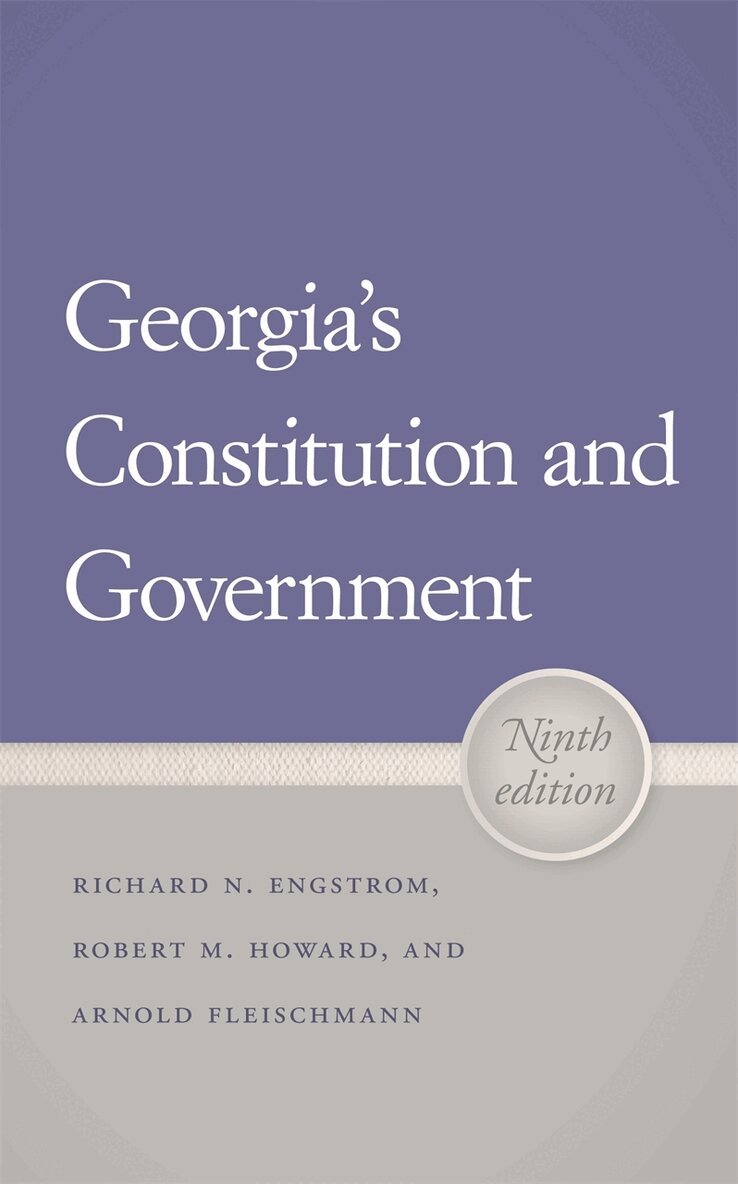
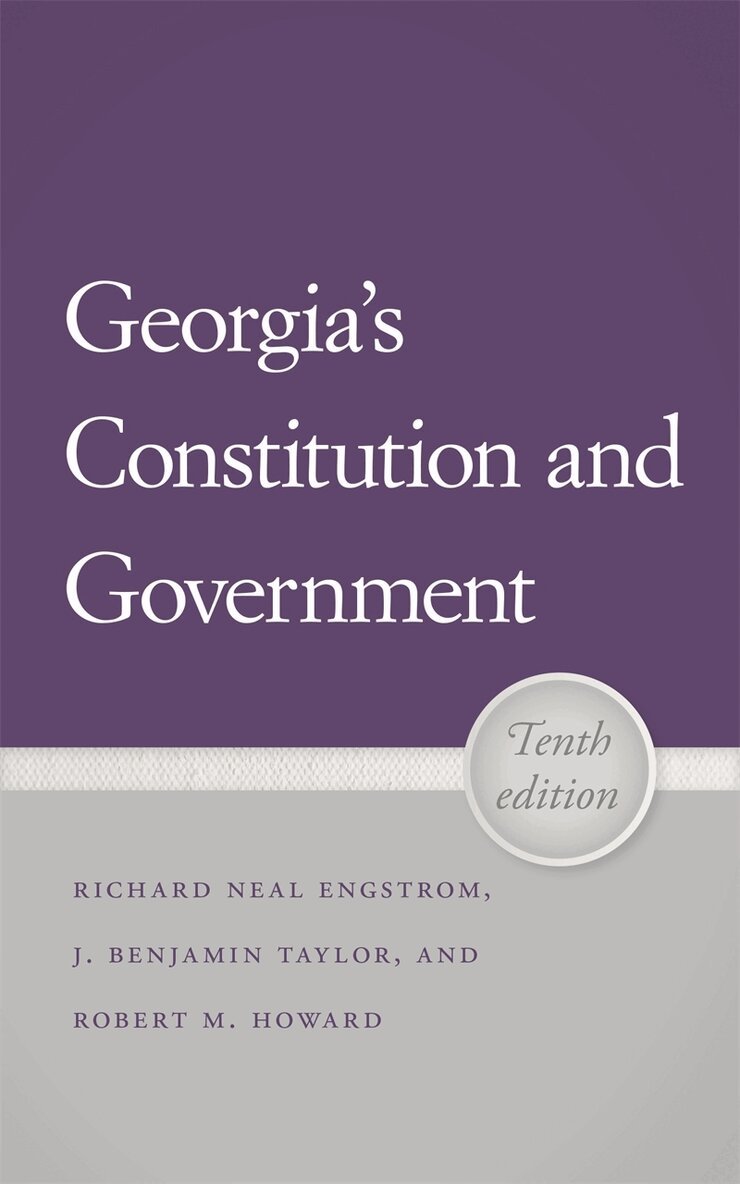
By state law, graduates of public colleges and universities in Georgia must demonstrate proficiency with both the U.S. and Georgia constitutions. This widely used textbook helps students to satisfy that requirement, either in courses or by examination. This brief and affordable study aid begins with a discussion of the ways that state and local governments, in providing services and allocating funds, affect our daily lives. Subsequent chapters are devoted tothe development of our federal system and the importance of constitutions in establishing authority, distributing power, and formalizing procedureshow the various state constitutions differ from each other, even as they all complement the U.S. Constitutionhow constitutions in Georgia have been amended or replacedGeorgia’s governmental institutions at the state, county, and city levelselections in Georgia, including the basic ground rules for holding primaries, general elections, and runoffsKey terms and concepts are covered throughout the book, as well as important court cases at the national and state level. In addition, helpful lists, diagrams, and tables summarize and compare such information asthe structure of Georgia’s court systemthe number of constitutions each of the fifty states has had, the number of times each state’s constitution has been amended, and the length of each state’s current constitutionvarious procedures used by the states to amend their constitutionsGeorgia’s ten constitutions, with highlights of their major changes or featuresthe number of amendments voted on in Georgia from 1984 to 2012the executive branch officials elected by the public across statesthe constitutional boards and commissions in Georgia, with details on the methods by which members are chosenthe number and types of local governments in Georgia since 1952 including counties, municipalities, school districts, and special districtsthe major federal cases in which Georgia has been a party, on issues of discrimination, representation, freedom of speech and the press, the accused or convicted of crimes, and the right to privacyrights and liberties, and how constitutions guarantee and protect them
1 579 kr
Skickas inom 5-8 vardagar
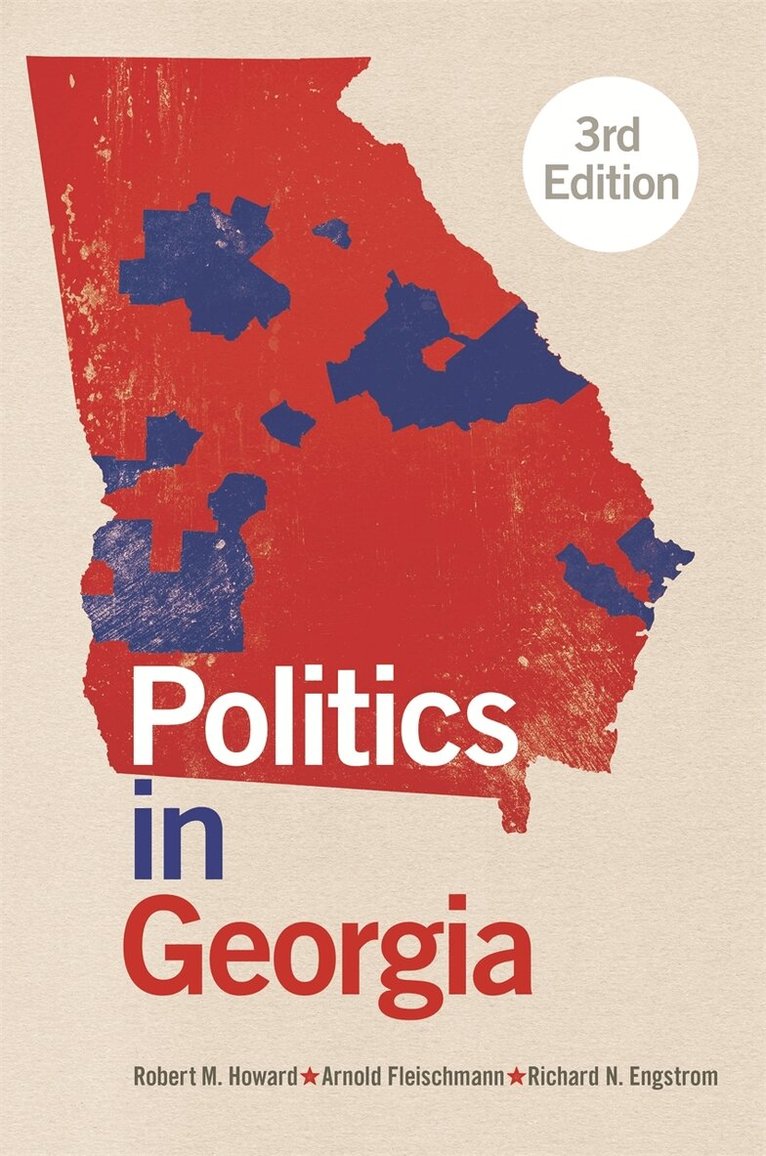
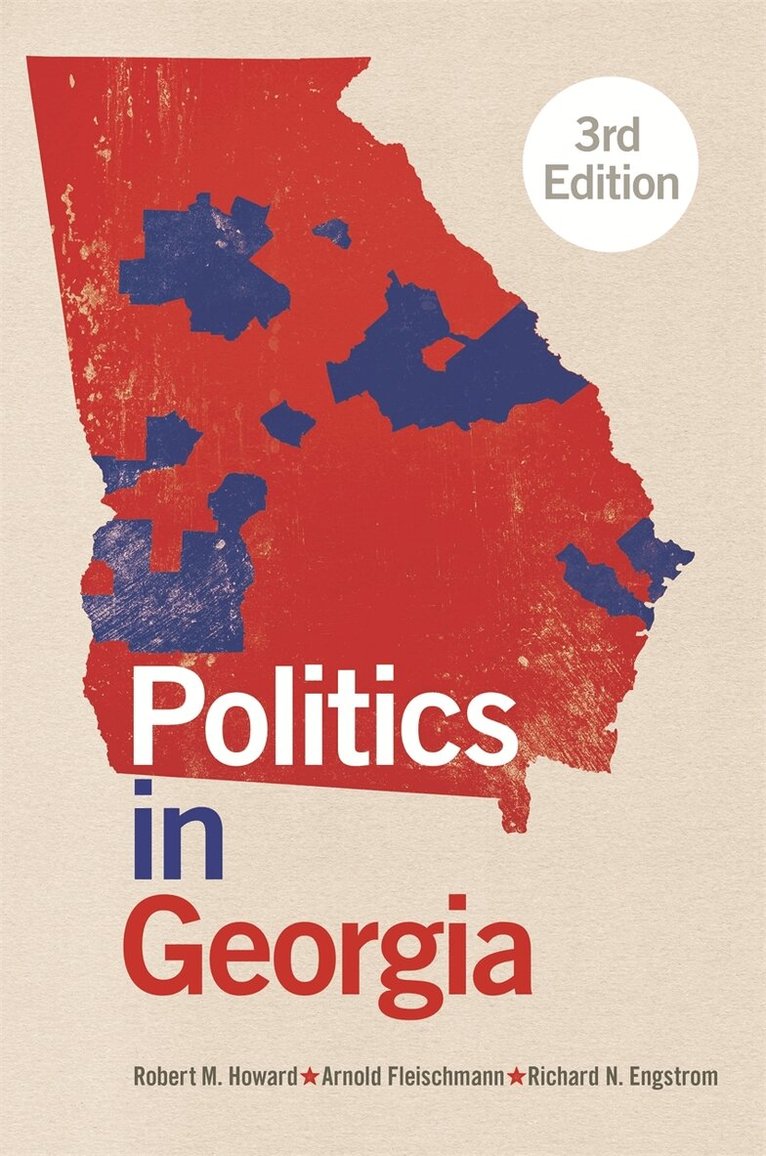
This new edition has been extensively updated to reflect developments in Georgia politics and government since 2007—a decade that has seen three presidential election cycles, two midterm elections, and a census. Updates reflect not only changes in how Georgia is governed but also the economic and social trends helping to drive those changes. These include the continued growth and dispersal of His panic and Asian populations; the decline, by a variety of measures, of rural areas; and the moderating effect of probusiness government factions on social conservative agendas.This edition maintains the book’s comparative approach, which examines the state from three revealing perspectives. This allows readers to determine the extent to which Georgia is similar to its peers on such topics as the length and features of the constitution, the organization of the state government, and the nature of policies. All this allows students and scholars to have a better understanding of the political and economic dynamics of Georgia and the relationship of those dynamics to national political and economic developments. The result is a thorough, up-to-date resource on Georgia’s dynamic political system.Features:-Coverage of trends and events since the prior edition appeared in 2007-Analysis of the most recent state elections-A rewritten chapter on the judiciary that reflects greater representation of women and minorities on the bench and a sharp rise in Republican appointees-A rewritten chapter on policy, with added detail on such topics as transportation, the environment, education, social welfare, and public safety and security-Extensive revisions to sections on the U.S. Constitution-The removal of a chapter on public opinion so that its contents can be more tightly woven throughout the book-Greater attention to the increased power of interest groups-Acknowledgment throughout of the impact of the web and social media in politics and government
572 kr
Skickas inom 5-8 vardagar
This new edition has been extensively updated to reflect developments in Georgia politics and government since 2007—a decade that has seen three presidential election cycles, two midterm elections, and a census. Updates reflect not only changes in how Georgia is governed but also the economic and social trends helping to drive those changes. These include the continued growth and dispersal of His panic and Asian populations; the decline, by a variety of measures, of rural areas; and the moderating effect of probusiness government factions on social conservative agendas.This edition maintains the book’s comparative approach, which examines the state from three revealing perspectives. This allows readers to determine the extent to which Georgia is similar to its peers on such topics as the length and features of the constitution, the organization of the state government, and the nature of policies. All this allows students and scholars to have a better understanding of the political and economic dynamics of Georgia and the relationship of those dynamics to national political and economic developments. The result is a thorough, up-to-date resource on Georgia’s dynamic political system.Features:-Coverage of trends and events since the prior edition appeared in 2007-Analysis of the most recent state elections-A rewritten chapter on the judiciary that reflects greater representation of women and minorities on the bench and a sharp rise in Republican appointees-A rewritten chapter on policy, with added detail on such topics as transportation, the environment, education, social welfare, and public safety and security-Extensive revisions to sections on the U.S. Constitution-The removal of a chapter on public opinion so that its contents can be more tightly woven throughout the book-Greater attention to the increased power of interest groups-Acknowledgment throughout of the impact of the web and social media in politics and government
290 kr
Skickas inom 3-6 vardagar
By state law, graduates of public colleges and universities in Georgia must demonstrate proficiency with both the U.S. and Georgia constitutions. This widely used textbook helps students satisfy that requirement, either in courses or by examination. This brief and affordable study aid begins with a discussion of the ways that state and local governments, in providing services and allocating funds, affect our daily lives. Subsequent chapters are devoted to- the development of our federal system and the importance of constitutions in establishing authority, distributing power, and formalizing procedures - how the various state constitutions differ from each other, even as they all complement the U.S. Constitution - how constitutions in Georgia have been amended or replaced - Georgia’s governmental institutions at the state, county, and city levels - elections in Georgia, including the basic ground rules for holding primaries, general elections, and runoffs Key terms and concepts are covered throughout the book, as well as important court cases at the national and state level. In addition, helpful lists, diagrams, and tables summarize and compare such information as:- the structure of Georgia’s court system - the number of constitutions each of the fifty states has had, the number of times each state’s constitution has - been amended, and the length of each state’s current constitution - various procedures used by the states to amend their constitutions - Georgia’s ten constitutions, with highlights of their major changes or features - the number of amendments voted on in Georgia from 1984 to 2012 - the executive branch officials elected by the public across states - the constitutional boards and commissions in Georgia, with details on the methods by which members are chosen - the number and types of local governments in Georgia since 1952, including counties, municipalities, school districts, and special districts - the major federal cases in which Georgia has been a party, on issues of discrimination, representation, freedom of speech and the press, the accused or convicted of crimes, and the right to privacy - rights and liberties, and how constitutions guarantee and protect them