Robert Giffin – författare
Visar alla böcker från författaren Robert Giffin. Handla med fri frakt och snabb leverans.
10 produkter
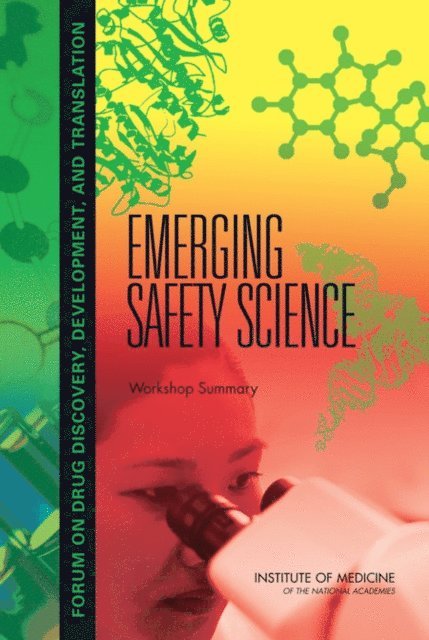
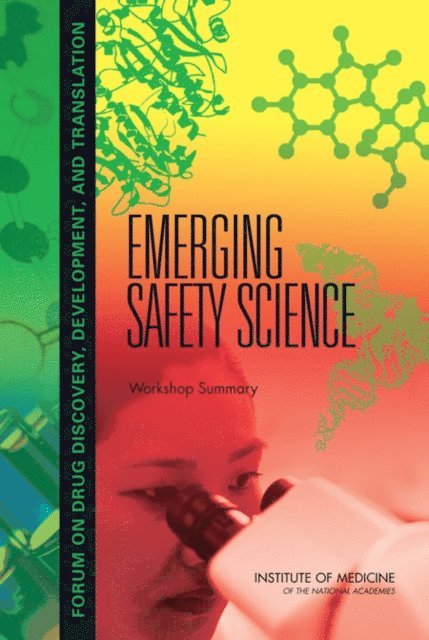
Emerging Safety Science
Workshop Summary
Av Sally Robinson, Robert Pool m. fl.
E-bok, 2008
500 kr
Lägg i varukorg
In recent years, the costs of new drug development have skyrocketed. The average cost of developing a new approved drug is now estimated to be $1.3 billion (DiMasi and Grabowski, 2007). At the same time, each year fewer new molecular entities (NMEs) are approved. DiMasi and Grabowski report that …
Breakthrough Business Models
Drug Development for Rare and Neglected Diseases and Individualized Therapies: Workshop Summary
Av Institute of Medicine, Board on Health Sciences Policy m. fl.
Häftad, 2009
779 kr
Lägg i varukorg
The process for developing new drug and biologic products is extraordinarily expensive and time-consuming. Although large pharmaceutical companies may be able to afford the cost of development because they can expect a large return on investment, organizations developing drugs to treat rare and …
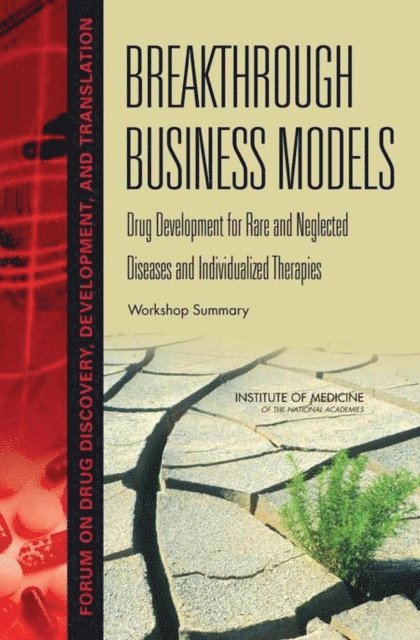
Breakthrough Business Models
Drug Development for Rare and Neglected Diseases and Individualized Therapies: Workshop Summary
Av Theresa Wizemann, Sally Robinson m. fl.
E-bok, 2009
500 kr
Lägg i varukorg
The process for developing new drug and biologic products is extraordinarily expensive and time-consuming. Although large pharmaceutical companies may be able to afford the cost of development because they can expect a large return on investment, organizations developing drugs to treat rare and …
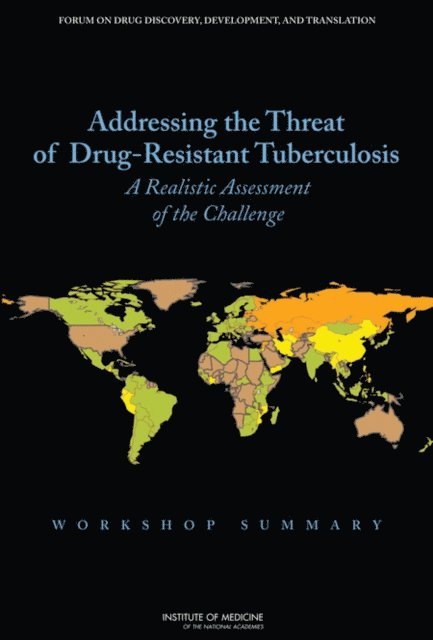
Addressing the Threat of Drug-Resistant Tuberculosis
A Realistic Assessment of the Challenge: Workshop Summary
Av Institute of Medicine, Robert Giffin m. fl.
E-bok, 2009
544 kr
Lägg i varukorg
Tuberculosis is one of the leading causes of death in the world today, with 4,500 people dying from the disease every day. Many cases of TB can be cured by available antibiotics, but some TB is resistant to multiple drugs—a major and growing threat worldwide. The Institute of Medicine''s Forum on …
Accelerating the Development of Biomarkers for Drug Safety
Workshop Summary
Av and Translation Forum on Drug Discovery, Development, Board on Health Sciences Policy m. fl.
E-bok, 2009
295 kr
Lägg i varukorg
Biomarkers can be defined as indicators of any biologic state, and they are central to the future of medicine. As the cost of developing drugs has risen in recent years, reducing the number of new drugs approved for use, biomarker development may be a way to cut costs, enhance safety, and provide a …
Accelerating the Development of Biomarkers for Drug Safety
Workshop Summary
Av and Translation Forum on Drug Discovery, Development, Board on Health Sciences Policy m. fl.
E-bok, 2009
428 kr
Lägg i varukorg
Biomarkers can be defined as indicators of any biologic state, and they are central to the future of medicine. As the cost of developing drugs has risen in recent years, reducing the number of new drugs approved for use, biomarker development may be a way to cut costs, enhance safety, and provide a …
Addressing the Threat of Drug-Resistant Tuberculosis
A Realistic Assessment of the Challenge: Workshop Summary
Av Institute of Medicine, Robert Giffin m. fl.
E-bok, 2009
785 kr
Lägg i varukorg
Tuberculosis is one of the leading causes of death in the world today, with 4,500 people dying from the disease every day. Many cases of TB can be cured by available antibiotics, but some TB is resistant to multiple drugs—a major and growing threat worldwide. The Institute of Medicine''s Forum on …
Breakthrough Business Models
Drug Development for Rare and Neglected Diseases and Individualized Therapies: Workshop Summary
Av Theresa Wizemann, Sally Robinson m. fl.
E-bok, 2009
698 kr
Lägg i varukorg
The process for developing new drug and biologic products is extraordinarily expensive and time-consuming. Although large pharmaceutical companies may be able to afford the cost of development because they can expect a large return on investment, organizations developing drugs to treat rare and …
Emerging Safety Science
Workshop Summary
Av Sally Robinson, Robert Pool m. fl.
E-bok, 2008
714 kr
Lägg i varukorg
In recent years, the costs of new drug development have skyrocketed. The average cost of developing a new approved drug is now estimated to be $1.3 billion (DiMasi and Grabowski, 2007). At the same time, each year fewer new molecular entities (NMEs) are approved. DiMasi and Grabowski report that …
Emerging Safety Science
Workshop Summary
Av Institute of Medicine, Board on Health Sciences Policy m. fl.
Häftad, 2008
712 kr
Tillfälligt slut
In recent years, the costs of new drug development have skyrocketed. The average cost of developing a new approved drug is now estimated to be $1.3 billion (DiMasi and Grabowski, 2007). At the same time, each year fewer new molecular entities (NMEs) are approved. DiMasi and Grabowski report that …