1 875 kr
Skickas inom 10-15 vardagar
1 875 kr
Skickas inom 10-15 vardagar
2 373 kr
Läs direkt efter köp
1 824 kr
Skickas inom 10-15 vardagar
2 178 kr
Läs direkt efter köp
1 573 kr
Skickas inom 10-15 vardagar
2 048 kr
Läs direkt efter köp
1 925 kr
Läs direkt efter köp
1 568 kr
Skickas inom 10-15 vardagar
1 824 kr
Skickas inom 10-15 vardagar
2 241 kr
Läs direkt efter köp
2 029 kr
Kommande
1 773 kr
Skickas inom 10-15 vardagar
2 450 kr
Läs direkt efter köp
2 121 kr
Skickas inom 10-15 vardagar
1 764 kr
Skickas inom 10-15 vardagar
1 817 kr
Skickas inom 10-15 vardagar
1 817 kr
Skickas inom 10-15 vardagar
970 kr
Läs direkt efter köp
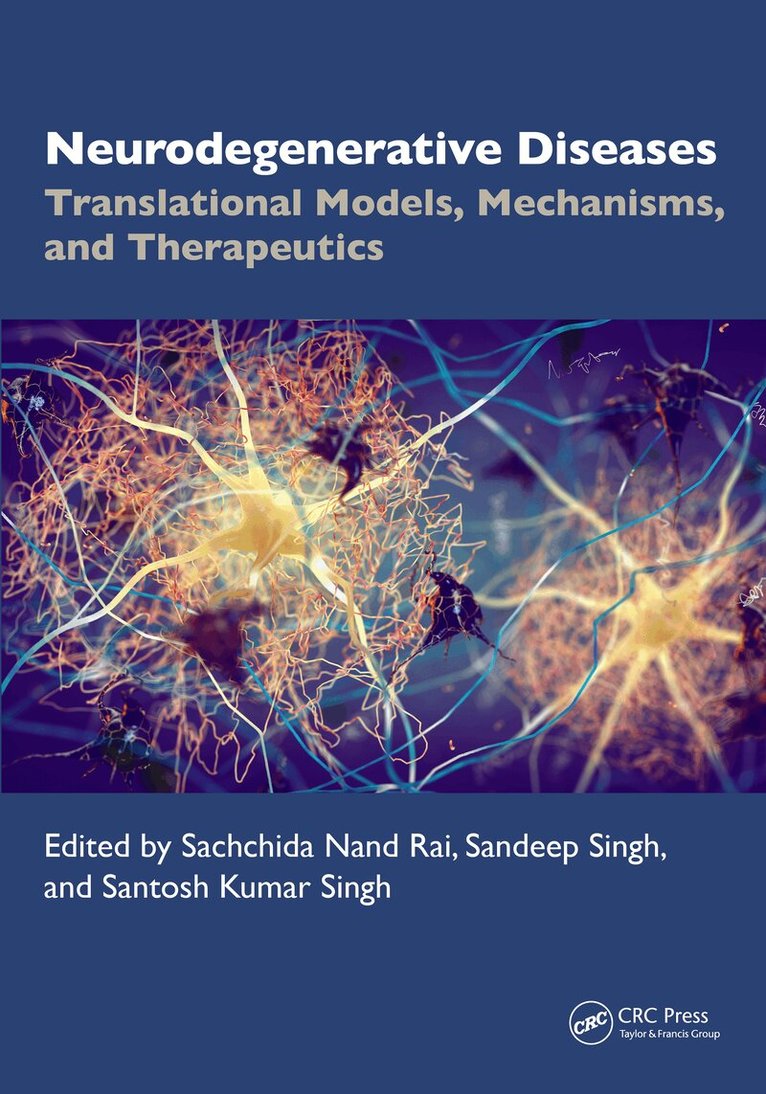
This reference book provides a comprehensive overview of models and therapeutic approaches against neurodegenerative diseases, including Parkinson’s disease, Alzheimer’s disease, Huntington’s disease, and amyotrophic lateral sclerosis. It explores models based on the chemical, induced, cellular, genetic, transgenic, and 3D organoid approaches in neurodegenerative diseases. The book also reviews advantages and limitations of these models in designing the treatment strategies. Additionally, the book covers the emerging field of bioinformatics and its application in modeling various neurodegenerative diseases. Towards the end, the book highlights the role of holistic management, precision medicine, OMICS, and gene therapy against neurodegenerative disorders. It examines the implications and significance of stem cells therapy in translational models of neurodegenerative diseases. This book is an invaluable resource for researchers, neuroscientists, and neurosurgeons for getting in-depth information on the neurodegenerative models and therapeutic approaches.
Key Features:
Provides a comprehensive overview of neurodegenerative diseases and their models Examines the limitations associated with modeling neurodegenerative diseases Presents novel treatment strategies for Alzheimer''s disease using cellular models Reviews importance of 3D organoid models for therapeutic approaches in Parkinson''s disease Covers modeling techniques in understanding prion diseases Explores the role of genetic models in understanding Huntington''s disease1 019 kr
Läs direkt efter köp
This reference book provides a comprehensive overview of models and therapeutic approaches against neurodegenerative diseases, including Parkinson’s disease, Alzheimer’s disease, Huntington’s disease, and amyotrophic lateral sclerosis. It explores models based on the chemical, induced, cellular, genetic, transgenic, and 3D organoid approaches in neurodegenerative diseases. The book also reviews advantages and limitations of these models in designing the treatment strategies. Additionally, the book covers the emerging field of bioinformatics and its application in modeling various neurodegenerative diseases. Towards the end, the book highlights the role of holistic management, precision medicine, OMICS, and gene therapy against neurodegenerative disorders. It examines the implications and significance of stem cells therapy in translational models of neurodegenerative diseases. This book is an invaluable resource for researchers, neuroscientists, and neurosurgeons for getting in-depth information on the neurodegenerative models and therapeutic approaches.
Key Features:
Provides a comprehensive overview of neurodegenerative diseases and their models Examines the limitations associated with modeling neurodegenerative diseases Presents novel treatment strategies for Alzheimer''s disease using cellular models Reviews importance of 3D organoid models for therapeutic approaches in Parkinson''s disease Covers modeling techniques in understanding prion diseases Explores the role of genetic models in understanding Huntington''s disease1 019 kr
Läs direkt efter köp
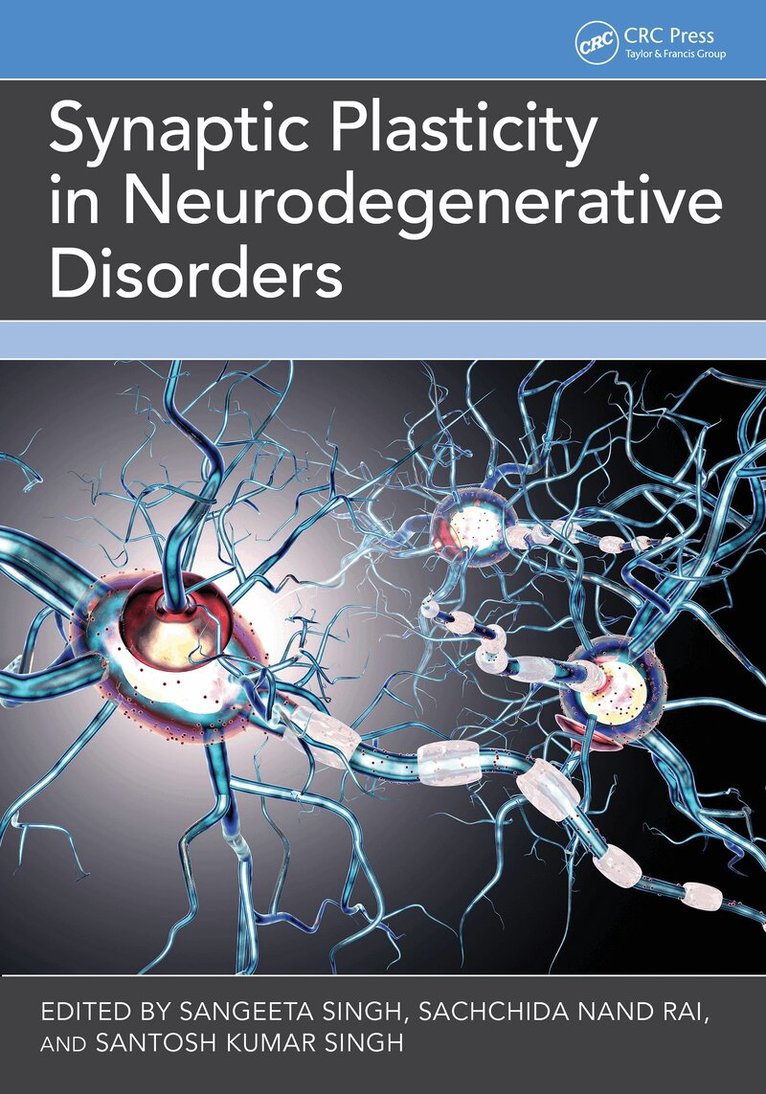
This book explores the pivotal role of synaptic plasticity in the pathogenesis, progression, and potential treatment of neurodegenerative disorders. The initial chapter provides an in-depth understanding of the complexity and impact of neurodegenerative conditions. It discusses the association of mitochondrial dysfunction, epigenetic influences, and neuroinflammation with synaptic plasticity in neurodegenerative diseases. The following chapters review the dynamic changes that occur at the cellular and synaptic levels in Parkinson''s disease, Alzheimer''s disease, and Huntington''s disease, paving the way for innovative therapeutic strategies. Furthermore, the book presents various computational tools and methodologies essential for enhancing our understanding of synaptic plasticity. It examines the transformative role of artificial intelligence tools in addressing synaptic impairment across various neurodegenerative diseases.
Discusses the role of synaptic plasticity in neurodegenerative diseases, shedding light on how dynamic changes occur at the cellular and synaptic levels Explores the transformative role of artificial intelligence tools in addressing synaptic impairment across various neurodegenerative diseases Provides a comprehensive overview of neurodegenerative disorders, including pathogenesis, etiology, and treatment strategies Presents tools and techniques used to simulate the complex system biology of synaptic plasticity Examines the role of computational neuroscience in understanding and potentially treating conditions such as multiple sclerosis and amyotrophic lateral sclerosisToward the end, the book explores the role of synaptic impairment and computational neuroscience in understanding and potentially treating conditions such as multiple sclerosis and amyotrophic lateral sclerosis. With its multifaceted approach, this book serves as a useful resource for researchers, clinicians, and students in the fields of neuroscience, computational biology, and neurology.
1 019 kr
Läs direkt efter köp
This book explores the pivotal role of synaptic plasticity in the pathogenesis, progression, and potential treatment of neurodegenerative disorders. The initial chapter provides an in-depth understanding of the complexity and impact of neurodegenerative conditions. It discusses the association of mitochondrial dysfunction, epigenetic influences, and neuroinflammation with synaptic plasticity in neurodegenerative diseases. The following chapters review the dynamic changes that occur at the cellular and synaptic levels in Parkinson''s disease, Alzheimer''s disease, and Huntington''s disease, paving the way for innovative therapeutic strategies. Furthermore, the book presents various computational tools and methodologies essential for enhancing our understanding of synaptic plasticity. It examines the transformative role of artificial intelligence tools in addressing synaptic impairment across various neurodegenerative diseases.
Discusses the role of synaptic plasticity in neurodegenerative diseases, shedding light on how dynamic changes occur at the cellular and synaptic levels Explores the transformative role of artificial intelligence tools in addressing synaptic impairment across various neurodegenerative diseases Provides a comprehensive overview of neurodegenerative disorders, including pathogenesis, etiology, and treatment strategies Presents tools and techniques used to simulate the complex system biology of synaptic plasticity Examines the role of computational neuroscience in understanding and potentially treating conditions such as multiple sclerosis and amyotrophic lateral sclerosisToward the end, the book explores the role of synaptic impairment and computational neuroscience in understanding and potentially treating conditions such as multiple sclerosis and amyotrophic lateral sclerosis. With its multifaceted approach, this book serves as a useful resource for researchers, clinicians, and students in the fields of neuroscience, computational biology, and neurology.
1 019 kr
Läs direkt efter köp
This reference book explores the multifaceted problem of heavy metal contamination in the environment. Through its in-depth analysis, the book provides a thorough overview of the sources and pathways of heavy metals, their persistence in ecosystems, and the resulting health impacts on individuals and ecosystems. The chapters explore the diverse sources of contamination, including industrial activities, mining, agriculture, and urbanization, while examining the types of heavy metals found in the environment and their toxicological properties. The book further reviews the profound health effects associated with heavy metal exposure, such as neurological disorders, developmental abnormalities, carcinogenicity, and organ damage. Furthermore, the book provides insights into risk assessment methodologies, regulatory frameworks, and guidelines aimed at controlling and minimizing heavy metal exposure. It highlights the challenges and gaps in current regulations, identifies potential areas for improvement, and presents analytical techniques for heavy metal analysis and removal. This book is an important source for researchers and professionals working in the fields of environmental science, toxicology, and public health.
989 kr
Läs direkt efter köp
This reference book explores the multifaceted problem of heavy metal contamination in the environment. Through its in-depth analysis, the book provides a thorough overview of the sources and pathways of heavy metals, their persistence in ecosystems, and the resulting health impacts on individuals and ecosystems. The chapters explore the diverse sources of contamination, including industrial activities, mining, agriculture, and urbanization, while examining the types of heavy metals found in the environment and their toxicological properties. The book further reviews the profound health effects associated with heavy metal exposure, such as neurological disorders, developmental abnormalities, carcinogenicity, and organ damage. Furthermore, the book provides insights into risk assessment methodologies, regulatory frameworks, and guidelines aimed at controlling and minimizing heavy metal exposure. It highlights the challenges and gaps in current regulations, identifies potential areas for improvement, and presents analytical techniques for heavy metal analysis and removal. This book is an important source for researchers and professionals working in the fields of environmental science, toxicology, and public health.
2 078 kr
Läs direkt efter köp
2 072 kr
Läs direkt efter köp
2 693 kr
Läs direkt efter köp
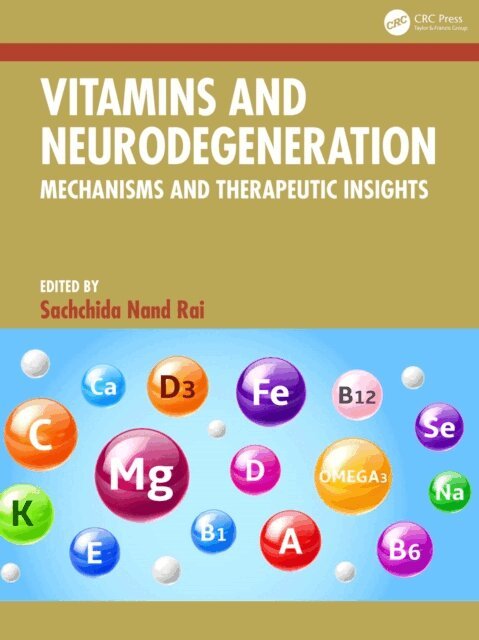
This book examines the neurobiological impact of vitamins in the pathophysiology and prevention of neurodegenerative diseases, offering an integrative perspective on nutritional modulation of brain health. It explores the antioxidant, anti‑inflammatory, and neurotrophic mechanisms of vitamins, alongside their pharmacokinetics, bioavailability, and blood–brain barrier transport. With a focus on age‑associated deficiencies, impaired absorption, and cognitive decline, it highlights mechanistic links between micronutrient status and neuronal integrity. It also investigates synergistic interactions with cofactor minerals, polyunsaturated fatty acids, and polyphenols, as well as the influence of gut microbiota on vitamin‑mediated neuroprotection. Specific emphasis is placed on the therapeutic implications of vitamins in Alzheimer’s disease, Parkinson’s disease, amyotrophic lateral sclerosis (ALS), Huntington’s disease, and multiple sclerosis (MS).
Key Features:
Explores the neuroprotective and cognitive benefits of essential vitamins, including A, C, E, B complex, D, and K Examines pharmacokinetics, bioavailability, and blood–brain barrier transport mechanisms relevant to vitamin efficacy Analyzes the epidemiology of vitamin deficiency, aging‑related malabsorption, and their link to cognitive impairment Highlights nutrient–nutrient and vitamin–drug interactions in neurological health and therapy Provides disease‑specific insights into the role of vitamins in Alzheimer’s disease, Parkinson’s disease, ALS, Huntington’s disease, and MSThis book is intended for researchers and students of neuroscience and nutritional sciences.
2 693 kr
Läs direkt efter köp
This book examines the neurobiological impact of vitamins in the pathophysiology and prevention of neurodegenerative diseases, offering an integrative perspective on nutritional modulation of brain health. It explores the antioxidant, anti‑inflammatory, and neurotrophic mechanisms of vitamins, alongside their pharmacokinetics, bioavailability, and blood–brain barrier transport. With a focus on age‑associated deficiencies, impaired absorption, and cognitive decline, it highlights mechanistic links between micronutrient status and neuronal integrity. It also investigates synergistic interactions with cofactor minerals, polyunsaturated fatty acids, and polyphenols, as well as the influence of gut microbiota on vitamin‑mediated neuroprotection. Specific emphasis is placed on the therapeutic implications of vitamins in Alzheimer’s disease, Parkinson’s disease, amyotrophic lateral sclerosis (ALS), Huntington’s disease, and multiple sclerosis (MS).
Key Features:
Explores the neuroprotective and cognitive benefits of essential vitamins, including A, C, E, B complex, D, and K Examines pharmacokinetics, bioavailability, and blood–brain barrier transport mechanisms relevant to vitamin efficacy Analyzes the epidemiology of vitamin deficiency, aging‑related malabsorption, and their link to cognitive impairment Highlights nutrient–nutrient and vitamin–drug interactions in neurological health and therapy Provides disease‑specific insights into the role of vitamins in Alzheimer’s disease, Parkinson’s disease, ALS, Huntington’s disease, and MSThis book is intended for researchers and students of neuroscience and nutritional sciences.
2 498 kr
Skickas inom 10-15 vardagar
2 998 kr
Kommande
1 730 kr
Skickas inom 10-15 vardagar