Sajid Ali – författare
3 307 kr
Skickas inom 10-15 vardagar
1 164 kr
Kommande
3 699 kr
Läs direkt efter köp
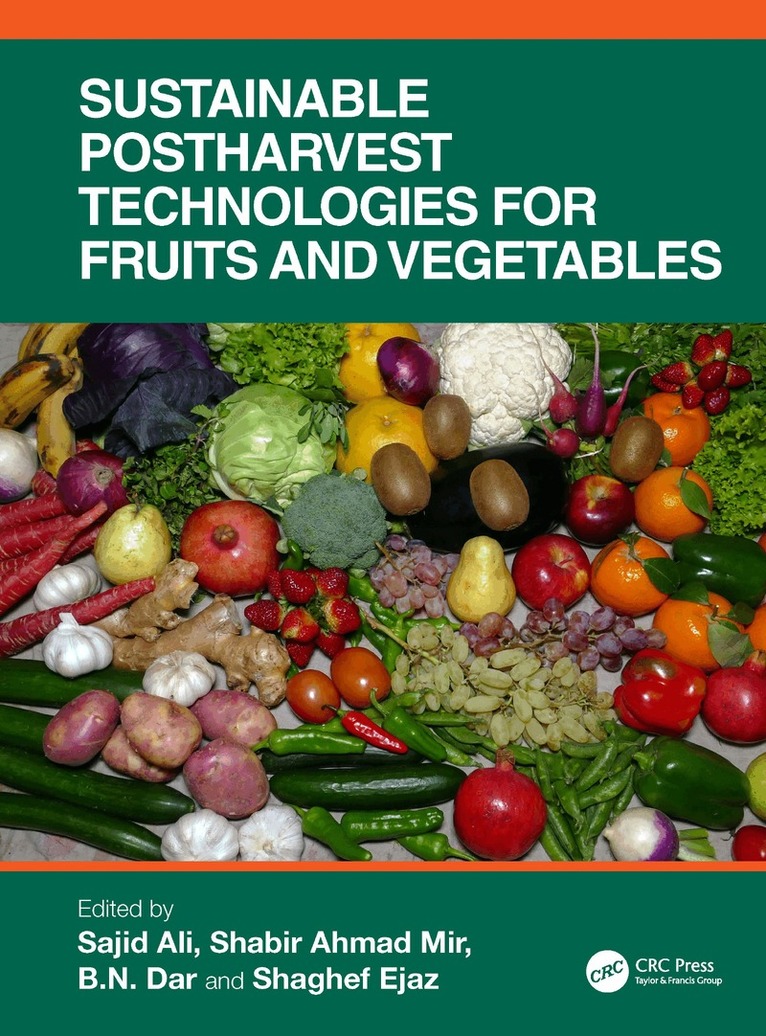
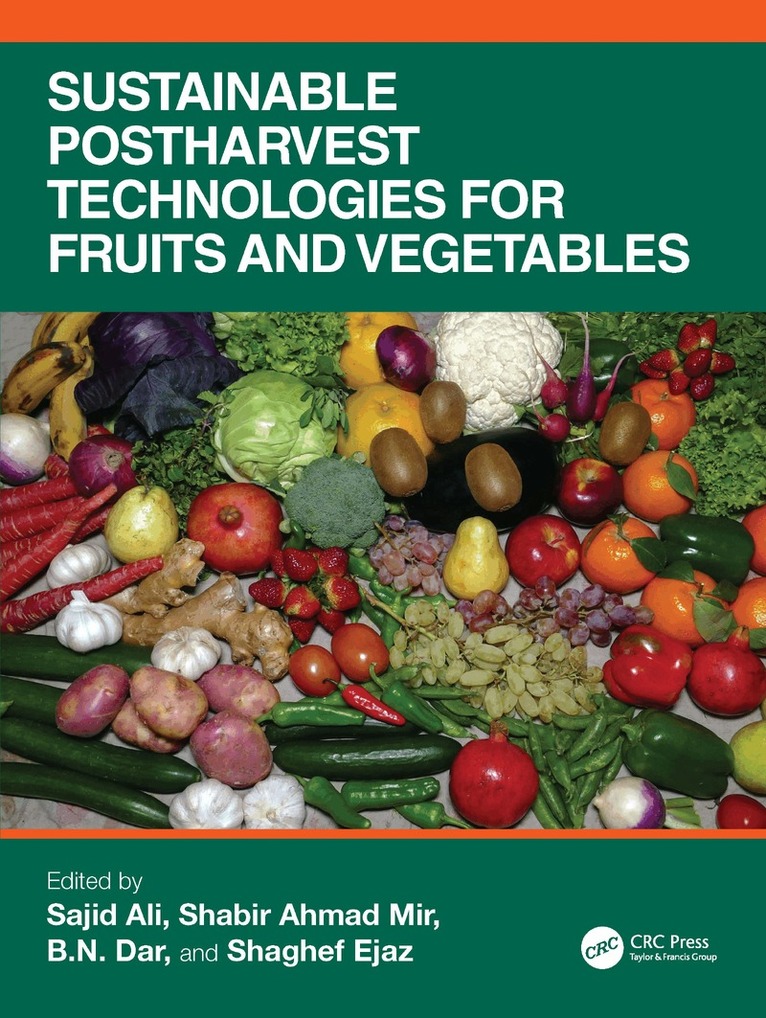
Fruits and vegetables, commonly termed as "fresh produce" are an important component of the human diet, as these provide various beneficial and essential health-related compounds. Nevertheless, fresh produce is susceptible to postharvest deterioration and decay along with loss of certain nutrients due to innapropriate storage conditions and lack of standard postharvest technologies. In addition, the short shelf life is considered another major constraint that must be extended after harvest to ensure a wider availability window of the fresh produce for consumers. From this perspective, the use of postharvest approaches is considered imperative to reduce the deterioration of harvested fresh produce in order to extend their storage and shelf life potential on a sustainable basis. Sustainable Postharvest Technologies for Fruits and Vegetables covers various aspects of postharvest technologies with major developments over the recent past and provides a way forward for the future.
The sustainable use of various technologies and elicitors could be adapted from farm to fork in order to conserve the eating quality of fresh produce. Therefore, this book covers various sustainable postharvest treatments and technologies that could be considered highly effective for the delay of postharvest senescence and deterioration. Among the various technologies, the use of preharvest treatments, controlled atmosphere, dynamic control atmosphere, modified atmosphere and hypobaric conditions has tremendous potential for the fresh fruits and vegetables industry. In the same way, cold plasma, pulsed light, ultraviolet light, ultrasound technology, nanoemulsions, nano-packaging, electrolyzed water, high pressure processing, ozone gas, irradiations, edible coatings, vacuum packaging and active packaging with slow releasing compounds along with nanotechnology are highly practicable and possesses tremendous potential to be used in the maintenance of overall eating quality and storage life extension of the fresh produce.
Key Features:
Overviews the major factors affecting postharvest physiology and shelf life potential of fresh produce. Focuses on major sustainable technologies having the potential to maintain postharvest quality and extend shelf life of fruits and vegetables. Describes practical and recent advances of various approaches indispensable for the maintenance of overall eating quality and food safety attainment for fresh produce on a sustainable basis. Covers how quality maintenance and shelf life rely on preharvest practices, nonthermal treatments, storage atmospheres, packaging materials, active packaging, edible packaging, coating application techniques, nanotechnology and ecofriendly plant extracts and natural antagonists.3 699 kr
Läs direkt efter köp
Fruits and vegetables, commonly termed as "fresh produce" are an important component of the human diet, as these provide various beneficial and essential health-related compounds. Nevertheless, fresh produce is susceptible to postharvest deterioration and decay along with loss of certain nutrients due to innapropriate storage conditions and lack of standard postharvest technologies. In addition, the short shelf life is considered another major constraint that must be extended after harvest to ensure a wider availability window of the fresh produce for consumers. From this perspective, the use of postharvest approaches is considered imperative to reduce the deterioration of harvested fresh produce in order to extend their storage and shelf life potential on a sustainable basis. Sustainable Postharvest Technologies for Fruits and Vegetables covers various aspects of postharvest technologies with major developments over the recent past and provides a way forward for the future.
The sustainable use of various technologies and elicitors could be adapted from farm to fork in order to conserve the eating quality of fresh produce. Therefore, this book covers various sustainable postharvest treatments and technologies that could be considered highly effective for the delay of postharvest senescence and deterioration. Among the various technologies, the use of preharvest treatments, controlled atmosphere, dynamic control atmosphere, modified atmosphere and hypobaric conditions has tremendous potential for the fresh fruits and vegetables industry. In the same way, cold plasma, pulsed light, ultraviolet light, ultrasound technology, nanoemulsions, nano-packaging, electrolyzed water, high pressure processing, ozone gas, irradiations, edible coatings, vacuum packaging and active packaging with slow releasing compounds along with nanotechnology are highly practicable and possesses tremendous potential to be used in the maintenance of overall eating quality and storage life extension of the fresh produce.
Key Features:
Overviews the major factors affecting postharvest physiology and shelf life potential of fresh produce. Focuses on major sustainable technologies having the potential to maintain postharvest quality and extend shelf life of fruits and vegetables. Describes practical and recent advances of various approaches indispensable for the maintenance of overall eating quality and food safety attainment for fresh produce on a sustainable basis. Covers how quality maintenance and shelf life rely on preharvest practices, nonthermal treatments, storage atmospheres, packaging materials, active packaging, edible packaging, coating application techniques, nanotechnology and ecofriendly plant extracts and natural antagonists.3 026 kr
Läs direkt efter köp
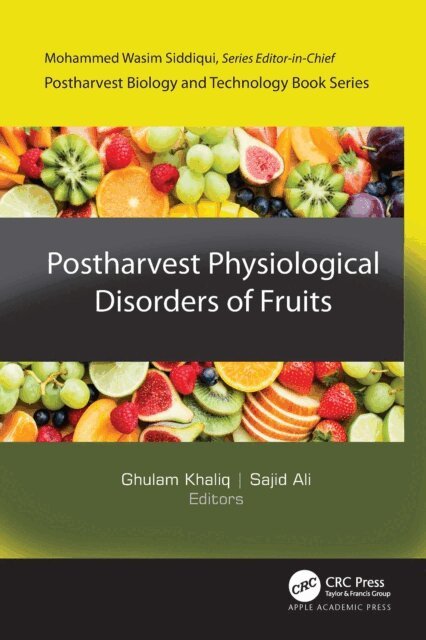
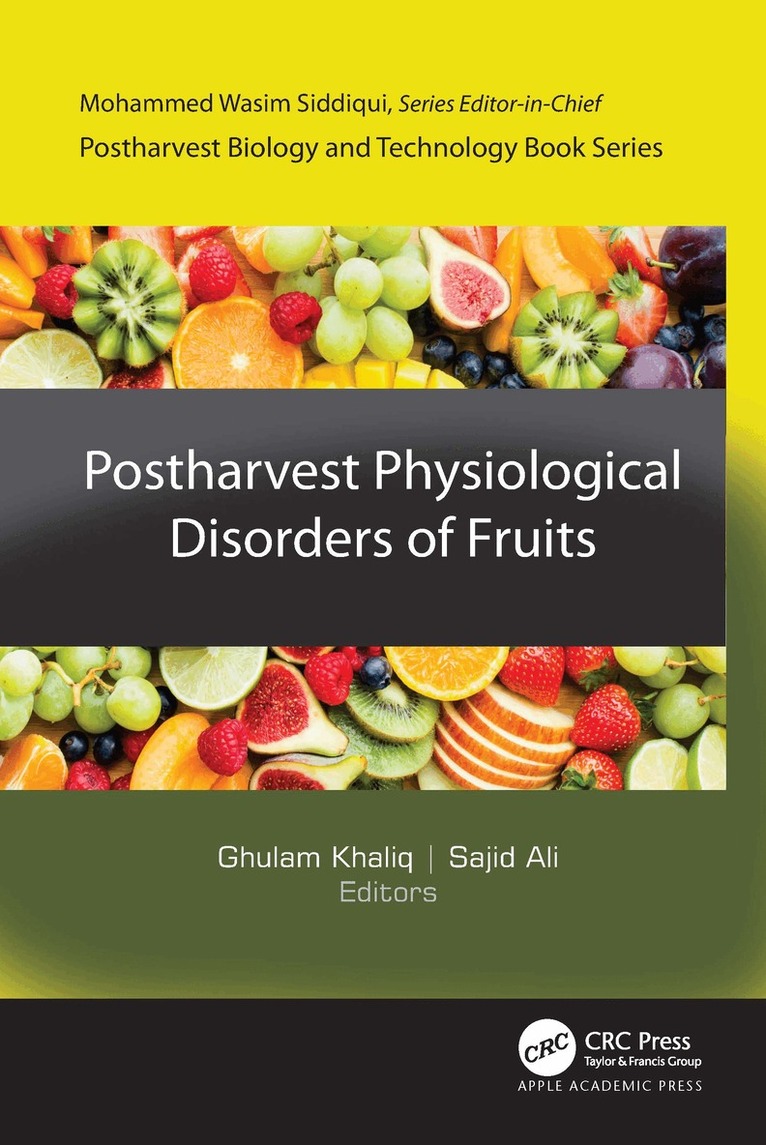
Fruits are valuable products; they are, however, highly perishable in nature and need special measures to maintain their quality while transporting them long distances for sale. Postharvest physiological disorders of fresh fruit are serious problems that arise from environmental and management factors, affecting the quantity and quality of fruits. This new volume focuses on these postharvest physiological disorders of fresh fruits, describing their diverse morphological structures, compositions, and general physiology, as well as the technologies for the effective handling and treatment of fresh fruits.
This volume covers important information on the postharvest physiological disorders of fruits that are caused by temperature, rain, humidity, pruning, irrigation, harvest procedures, and nutrient deficiencies. The book details the modern and sophisticated diagnostic methods, management, and technologies to confront these challenges.. The book gives comprehensive explanations regarding the causes for the occurrence of physiological disorder symptoms and the possible mechanisms to control these abnormalities.
Organized by the type of fruits, this volume focuses on the physiological disorders that affect tropical and subtropical fruits that include mango, banana, citrus, pomegranate, litchi, papaya, guava, fig, cashew, etc., and also covers the postharvest physiological disorders of temperate fruits, such as apple, grape, peach, cherry, strawberry, kiwi, persimmon, apricot, and plum.
Key features:
Provides the most recent advances in understanding the postharvest physiological disorders of fresh fruits Reviews the fundamental and innovative technologies for the management of the postharvest physiological disorders Covers preharvest factors affecting the postharvest quality of fresh fruits Outlines the preharvest and postharvest causes of physiological disorders and handling technologies for the highly perishable fruitsThis volume provides informative and practical information that will aid researchers, scientists, industry professionals and faculty and students in the understanding the principles, food safety techniques, and the mechanisms of postharvest physiological disorders for the best management of fresh fruits.
3 026 kr
Läs direkt efter köp
Fruits are valuable products; they are, however, highly perishable in nature and need special measures to maintain their quality while transporting them long distances for sale. Postharvest physiological disorders of fresh fruit are serious problems that arise from environmental and management factors, affecting the quantity and quality of fruits. This new volume focuses on these postharvest physiological disorders of fresh fruits, describing their diverse morphological structures, compositions, and general physiology, as well as the technologies for the effective handling and treatment of fresh fruits.
This volume covers important information on the postharvest physiological disorders of fruits that are caused by temperature, rain, humidity, pruning, irrigation, harvest procedures, and nutrient deficiencies. The book details the modern and sophisticated diagnostic methods, management, and technologies to confront these challenges.. The book gives comprehensive explanations regarding the causes for the occurrence of physiological disorder symptoms and the possible mechanisms to control these abnormalities.
Organized by the type of fruits, this volume focuses on the physiological disorders that affect tropical and subtropical fruits that include mango, banana, citrus, pomegranate, litchi, papaya, guava, fig, cashew, etc., and also covers the postharvest physiological disorders of temperate fruits, such as apple, grape, peach, cherry, strawberry, kiwi, persimmon, apricot, and plum.
Key features:
Provides the most recent advances in understanding the postharvest physiological disorders of fresh fruits Reviews the fundamental and innovative technologies for the management of the postharvest physiological disorders Covers preharvest factors affecting the postharvest quality of fresh fruits Outlines the preharvest and postharvest causes of physiological disorders and handling technologies for the highly perishable fruitsThis volume provides informative and practical information that will aid researchers, scientists, industry professionals and faculty and students in the understanding the principles, food safety techniques, and the mechanisms of postharvest physiological disorders for the best management of fresh fruits.
2 943 kr
Läs direkt efter köp
2 840 kr
Läs direkt efter köp
2 535 kr
Skickas inom 10-15 vardagar
2 466 kr
Skickas inom 10-15 vardagar
510 kr
Skickas inom 5-8 vardagar
510 kr
Skickas inom 5-8 vardagar
510 kr
Skickas inom 5-8 vardagar
510 kr
Skickas inom 5-8 vardagar
510 kr
Skickas inom 5-8 vardagar