Shabir Ahmad Mir – författare
1 477 kr
Skickas inom 10-15 vardagar
Plant Extracts in Food Applications is the first book of its kind focusing on the application of plant extracts in the food industry. Topics cover sources, extraction and encapsulation techniques, the chemistry and stability of plant extracts, antimicrobials, preservatives, nutrient enhancers, enzymes, flavoring and coloring agents, packaging aid, health benefits, opportunities and the challenges surrounding the use of plant extracts in food applications. Written by several experts in the field, this book is a valuable resource for students, scientists, and professionals in food science, food chemistry and nutrition.
Concerns and potential risks regarding the use of synthetic chemicals have renewed the interests of consumers using natural and safe alternatives. Plant extracts represent an interesting ingredient, mainly due to their natural origin and phytochemical properties, allowing for obtaining active materials to extend shelf-life and add value to the product.
Presents chapters that deal with different sources of plant extracts and their applications in the food industry Covers the various extraction procedures which are used for plant extracts Includes the health benefits and stability of plant extracts Provides the role of plant extracts for shelf life enhancement, packaging aid, and as flavoring and coloring agents2 047 kr
Läs direkt efter köp
1 462 kr
Skickas inom 10-15 vardagar
1 915 kr
Läs direkt efter köp
2 975 kr
Skickas inom 10-15 vardagar
1 166 kr
Skickas inom 10-15 vardagar
2 438 kr
Skickas inom 10-15 vardagar
897 kr
Skickas inom 10-15 vardagar
2 337 kr
Läs direkt efter köp
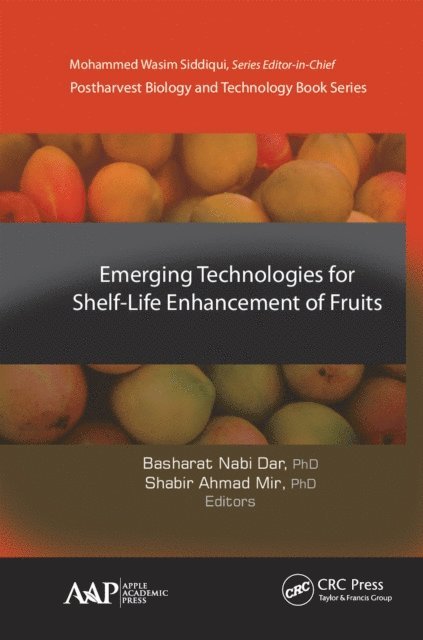
Focusing on new technological interventions involved in the postharvest management of fruits, this volume looks at the research on maintaining the quality of fruits from farm to table. The volume examines the factors that contribute to shortening shelf life as well as innovative solutions to maintaining quality while increasing the length of time fruit remains fresh, nutritious, and edible.
The volume considers the different needs of the diversity of fruits and covers a variety of important topics, including:
• factors affecting the postharvest quality of fruits• microbial spoilage• decontamination of fruits by non-thermal technologies• new kinds of packaging and edible coatings• ozone as shelf-life extender of fruits.
Emerging Technologies for Shelf-Life Enhancement of Fruits considers the fundamental issues and will be an important reference on shelf-life extension of fruits. Highlighting the trends in future research and development, it will provide food technologists, food engineers, and food industry professionals with new insight for prolonging the shelf life of fruits.
2 337 kr
Läs direkt efter köp
Focusing on new technological interventions involved in the postharvest management of fruits, this volume looks at the research on maintaining the quality of fruits from farm to table. The volume examines the factors that contribute to shortening shelf life as well as innovative solutions to maintaining quality while increasing the length of time fruit remains fresh, nutritious, and edible.
The volume considers the different needs of the diversity of fruits and covers a variety of important topics, including:
• factors affecting the postharvest quality of fruits• microbial spoilage• decontamination of fruits by non-thermal technologies• new kinds of packaging and edible coatings• ozone as shelf-life extender of fruits.
Emerging Technologies for Shelf-Life Enhancement of Fruits considers the fundamental issues and will be an important reference on shelf-life extension of fruits. Highlighting the trends in future research and development, it will provide food technologists, food engineers, and food industry professionals with new insight for prolonging the shelf life of fruits.
2 773 kr
Skickas inom 10-15 vardagar
1 311 kr
Läs direkt efter köp
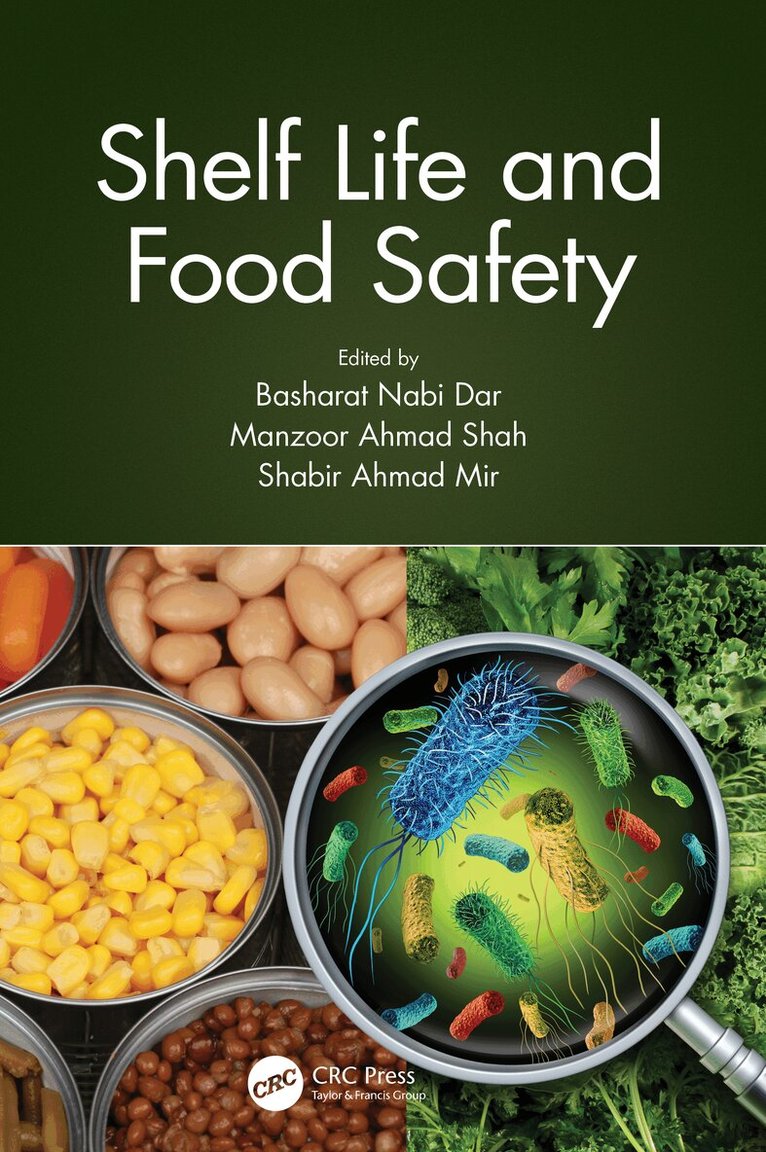
The quality and safety of the food we eat deserves the utmost attention and is a priority for producers and consumers alike. Shelf life studies provide important information to manufacturers and consumers to ensure a high-quality food product. Various evaluation methods are used for shelf life determination and they are usually performed at the manufacturer level. Moreover, various techniques are utilized throughout the food chain that enhance the shelf life of food products.
This sensitive issue is reviewed in Shelf Life and Food Safety, which brings together a group of subject experts to present up-to-date and objective discussions on a broad range of topics including food spoilage and safe preservation, packaging, and sensory aspects. The book presents both traditional and innovative technologies for enhancing food safety and increasing shelf life, along with methods for the assessment and prediction of food safety and shelf life.
Key Features
Overviews the issues associated with shelf life enhancement and shelf life evaluation of various food products
Addresses issues important to maintaining food safety
Explains how shelf life depends on factors, including ingredients for formulation, processing techniques, packaging, and storage conditions
Covers shelf life evaluation methods, determinants for shelf life, food quality assessment, and basic and innovative technologies that will improve the shelf life of food products
This book is the first of its kind focusing on issues related to evaluation techniques for shelf life determinants, and techniques for shelf life enhancement. It is appropriate for students, researchers, scientists, and professionals in food science and technology. It is also a helpful source of information for people involved in the food industry, food processing sector, product development, marketing, and other associated fields.
1 311 kr
Läs direkt efter köp
The quality and safety of the food we eat deserves the utmost attention and is a priority for producers and consumers alike. Shelf life studies provide important information to manufacturers and consumers to ensure a high-quality food product. Various evaluation methods are used for shelf life determination and they are usually performed at the manufacturer level. Moreover, various techniques are utilized throughout the food chain that enhance the shelf life of food products.
This sensitive issue is reviewed in Shelf Life and Food Safety, which brings together a group of subject experts to present up-to-date and objective discussions on a broad range of topics including food spoilage and safe preservation, packaging, and sensory aspects. The book presents both traditional and innovative technologies for enhancing food safety and increasing shelf life, along with methods for the assessment and prediction of food safety and shelf life.
Key Features
Overviews the issues associated with shelf life enhancement and shelf life evaluation of various food products
Addresses issues important to maintaining food safety
Explains how shelf life depends on factors, including ingredients for formulation, processing techniques, packaging, and storage conditions
Covers shelf life evaluation methods, determinants for shelf life, food quality assessment, and basic and innovative technologies that will improve the shelf life of food products
This book is the first of its kind focusing on issues related to evaluation techniques for shelf life determinants, and techniques for shelf life enhancement. It is appropriate for students, researchers, scientists, and professionals in food science and technology. It is also a helpful source of information for people involved in the food industry, food processing sector, product development, marketing, and other associated fields.
1 059 kr
Läs direkt efter köp
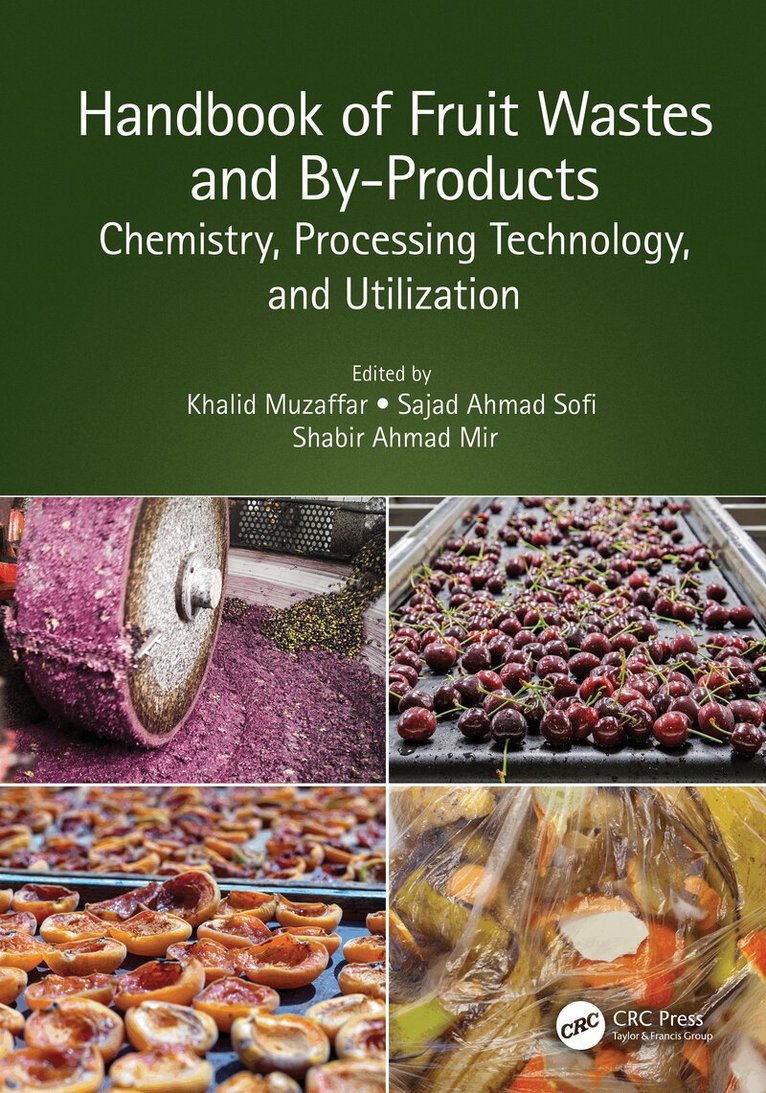
Processing of fruits produces large volumes of wastes and by-products, which can create environmental problems. However, these fruit processing residues have amazing nutritional composition, containing good amounts nutrients and biofunctional components. So, the current trend in the present world it to efficiently utilize these fruit wastes and byproducts and minimizing their impact on the environment. Proper utilization of fruit processing wastes and by‐Products would not only emerge as a source of extra profit to the fruit processing industry but also will help in lessen the environment pollution due to these fruit processing byproducts. ‘Handbook of Fruit Wastes and By‐Products: Chemistry, Processing Technology and Utilization’ will be the first book devoted to fruit processing wastes and by-products of wide range of important fruits including tropical, subtropical, and temperate fruits.
Key features:
· Provides comprehensive information about the chemistry of wastes and byproducts obtained during fruit processing
· Provide in-depth information about the bioactive potential of fruit processing wastes and byproducts
· Explores new strategies used for proper valorization of fruit processing residues
· Describes the utilization of nutraceutical components derived from fruit processing residues in fabrication of novel functional foods
Although, there are some general books on byproducts of food processing industry, but they are limited in context, related to only some particular fruits. The unique quality of this book is that it provides a full-length study of the different developments made right from the basic technologies involved in management of fruit wastes and byproducts to the recent advancements and future areas of research to be done on this subject. This book would be a valuable resource for scientists, researchers, professionals, and enterprises that aspire in management of fruit processing wastes and byproducts, and their utilization.
1 059 kr
Läs direkt efter köp
Processing of fruits produces large volumes of wastes and by-products, which can create environmental problems. However, these fruit processing residues have amazing nutritional composition, containing good amounts nutrients and biofunctional components. So, the current trend in the present world it to efficiently utilize these fruit wastes and byproducts and minimizing their impact on the environment. Proper utilization of fruit processing wastes and by‐Products would not only emerge as a source of extra profit to the fruit processing industry but also will help in lessen the environment pollution due to these fruit processing byproducts. ‘Handbook of Fruit Wastes and By‐Products: Chemistry, Processing Technology and Utilization’ will be the first book devoted to fruit processing wastes and by-products of wide range of important fruits including tropical, subtropical, and temperate fruits.
Key features:
· Provides comprehensive information about the chemistry of wastes and byproducts obtained during fruit processing
· Provide in-depth information about the bioactive potential of fruit processing wastes and byproducts
· Explores new strategies used for proper valorization of fruit processing residues
· Describes the utilization of nutraceutical components derived from fruit processing residues in fabrication of novel functional foods
Although, there are some general books on byproducts of food processing industry, but they are limited in context, related to only some particular fruits. The unique quality of this book is that it provides a full-length study of the different developments made right from the basic technologies involved in management of fruit wastes and byproducts to the recent advancements and future areas of research to be done on this subject. This book would be a valuable resource for scientists, researchers, professionals, and enterprises that aspire in management of fruit processing wastes and byproducts, and their utilization.
2 664 kr
Skickas inom 10-15 vardagar
926 kr
Skickas inom 10-15 vardagar
3 329 kr
Skickas inom 10-15 vardagar
1 164 kr
Kommande
3 699 kr
Läs direkt efter köp
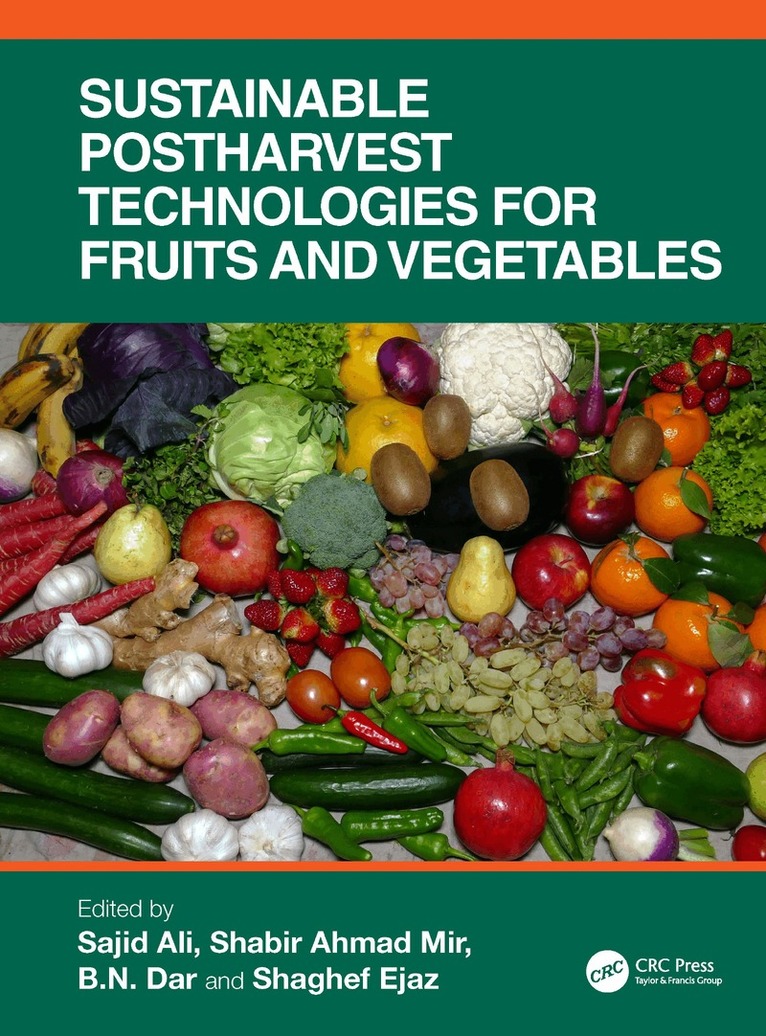
Fruits and vegetables, commonly termed as "fresh produce" are an important component of the human diet, as these provide various beneficial and essential health-related compounds. Nevertheless, fresh produce is susceptible to postharvest deterioration and decay along with loss of certain nutrients due to innapropriate storage conditions and lack of standard postharvest technologies. In addition, the short shelf life is considered another major constraint that must be extended after harvest to ensure a wider availability window of the fresh produce for consumers. From this perspective, the use of postharvest approaches is considered imperative to reduce the deterioration of harvested fresh produce in order to extend their storage and shelf life potential on a sustainable basis. Sustainable Postharvest Technologies for Fruits and Vegetables covers various aspects of postharvest technologies with major developments over the recent past and provides a way forward for the future.
The sustainable use of various technologies and elicitors could be adapted from farm to fork in order to conserve the eating quality of fresh produce. Therefore, this book covers various sustainable postharvest treatments and technologies that could be considered highly effective for the delay of postharvest senescence and deterioration. Among the various technologies, the use of preharvest treatments, controlled atmosphere, dynamic control atmosphere, modified atmosphere and hypobaric conditions has tremendous potential for the fresh fruits and vegetables industry. In the same way, cold plasma, pulsed light, ultraviolet light, ultrasound technology, nanoemulsions, nano-packaging, electrolyzed water, high pressure processing, ozone gas, irradiations, edible coatings, vacuum packaging and active packaging with slow releasing compounds along with nanotechnology are highly practicable and possesses tremendous potential to be used in the maintenance of overall eating quality and storage life extension of the fresh produce.
Key Features:
Overviews the major factors affecting postharvest physiology and shelf life potential of fresh produce. Focuses on major sustainable technologies having the potential to maintain postharvest quality and extend shelf life of fruits and vegetables. Describes practical and recent advances of various approaches indispensable for the maintenance of overall eating quality and food safety attainment for fresh produce on a sustainable basis. Covers how quality maintenance and shelf life rely on preharvest practices, nonthermal treatments, storage atmospheres, packaging materials, active packaging, edible packaging, coating application techniques, nanotechnology and ecofriendly plant extracts and natural antagonists.3 699 kr
Läs direkt efter köp
Fruits and vegetables, commonly termed as "fresh produce" are an important component of the human diet, as these provide various beneficial and essential health-related compounds. Nevertheless, fresh produce is susceptible to postharvest deterioration and decay along with loss of certain nutrients due to innapropriate storage conditions and lack of standard postharvest technologies. In addition, the short shelf life is considered another major constraint that must be extended after harvest to ensure a wider availability window of the fresh produce for consumers. From this perspective, the use of postharvest approaches is considered imperative to reduce the deterioration of harvested fresh produce in order to extend their storage and shelf life potential on a sustainable basis. Sustainable Postharvest Technologies for Fruits and Vegetables covers various aspects of postharvest technologies with major developments over the recent past and provides a way forward for the future.
The sustainable use of various technologies and elicitors could be adapted from farm to fork in order to conserve the eating quality of fresh produce. Therefore, this book covers various sustainable postharvest treatments and technologies that could be considered highly effective for the delay of postharvest senescence and deterioration. Among the various technologies, the use of preharvest treatments, controlled atmosphere, dynamic control atmosphere, modified atmosphere and hypobaric conditions has tremendous potential for the fresh fruits and vegetables industry. In the same way, cold plasma, pulsed light, ultraviolet light, ultrasound technology, nanoemulsions, nano-packaging, electrolyzed water, high pressure processing, ozone gas, irradiations, edible coatings, vacuum packaging and active packaging with slow releasing compounds along with nanotechnology are highly practicable and possesses tremendous potential to be used in the maintenance of overall eating quality and storage life extension of the fresh produce.
Key Features:
Overviews the major factors affecting postharvest physiology and shelf life potential of fresh produce. Focuses on major sustainable technologies having the potential to maintain postharvest quality and extend shelf life of fruits and vegetables. Describes practical and recent advances of various approaches indispensable for the maintenance of overall eating quality and food safety attainment for fresh produce on a sustainable basis. Covers how quality maintenance and shelf life rely on preharvest practices, nonthermal treatments, storage atmospheres, packaging materials, active packaging, edible packaging, coating application techniques, nanotechnology and ecofriendly plant extracts and natural antagonists.2 858 kr
Läs direkt efter köp
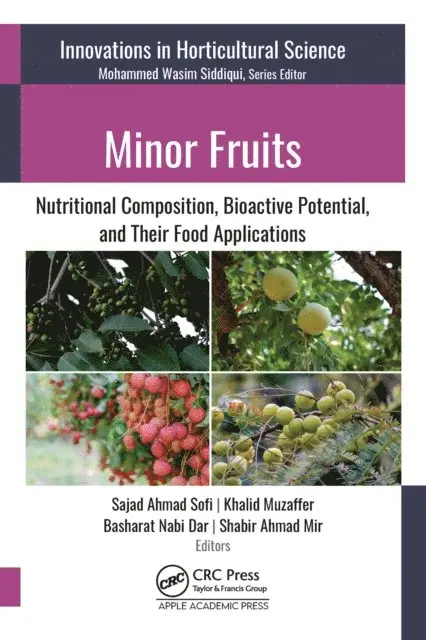
Minor fruits are often recognized as "poor man’s crops" and include neglected, underutilized, and some rare fruits that can contribute high nutritional, medicinal, and antioxidant properties that are useful for health and curing many diseases. This book, Minor Fruits: Nutritional Composition, Bioactive Potential, and Their Food Applications, highlights the potential of minor fruits in the human diet and their health benefits due to presence of the rich source of phytochemicals, fiber, vitamins, and minerals.
The book is unique in that it provides a full-length study of several minor fruits and their nutritional and bioactive potential, general characteristics, and opportunities for their use in various functional food products. It also provides an overview of the postharvest techniques used for minor fruits to preserve quality, enhance shelf life, streamline fruit processing, and develop new value-added products. It also provides knowledge on the proper utilization of minor fruits in meeting the demand for food and nutritional security challenges growing worldwide by offering a promising alternative source of fruit and fruit-based products with health benefits.
Important features of the book include:
Highlights the importance of minor fruits in terms of nutrition and their role in combating malnutrition Provides knowledge regarding the major minor fruits and their biodiversity Details bioactive compounds of minor fruits and their health benefits Looks at the role of minor fruits in combating diet-related diseases Discusses minor fruit-based food products and their nutraceutical potentialsThis book is a comprehensive reference written for teachers, scientists, researchers, students, and others with an interest in minor fruits and their use in fruit processing, value addition, byproducts, and their utilization for combating malnutrition and nutritional security.
2 858 kr
Läs direkt efter köp
Minor fruits are often recognized as "poor man’s crops" and include neglected, underutilized, and some rare fruits that can contribute high nutritional, medicinal, and antioxidant properties that are useful for health and curing many diseases. This book, Minor Fruits: Nutritional Composition, Bioactive Potential, and Their Food Applications, highlights the potential of minor fruits in the human diet and their health benefits due to presence of the rich source of phytochemicals, fiber, vitamins, and minerals.
The book is unique in that it provides a full-length study of several minor fruits and their nutritional and bioactive potential, general characteristics, and opportunities for their use in various functional food products. It also provides an overview of the postharvest techniques used for minor fruits to preserve quality, enhance shelf life, streamline fruit processing, and develop new value-added products. It also provides knowledge on the proper utilization of minor fruits in meeting the demand for food and nutritional security challenges growing worldwide by offering a promising alternative source of fruit and fruit-based products with health benefits.
Important features of the book include:
Highlights the importance of minor fruits in terms of nutrition and their role in combating malnutrition Provides knowledge regarding the major minor fruits and their biodiversity Details bioactive compounds of minor fruits and their health benefits Looks at the role of minor fruits in combating diet-related diseases Discusses minor fruit-based food products and their nutraceutical potentialsThis book is a comprehensive reference written for teachers, scientists, researchers, students, and others with an interest in minor fruits and their use in fruit processing, value addition, byproducts, and their utilization for combating malnutrition and nutritional security.
2 942 kr
Läs direkt efter köp
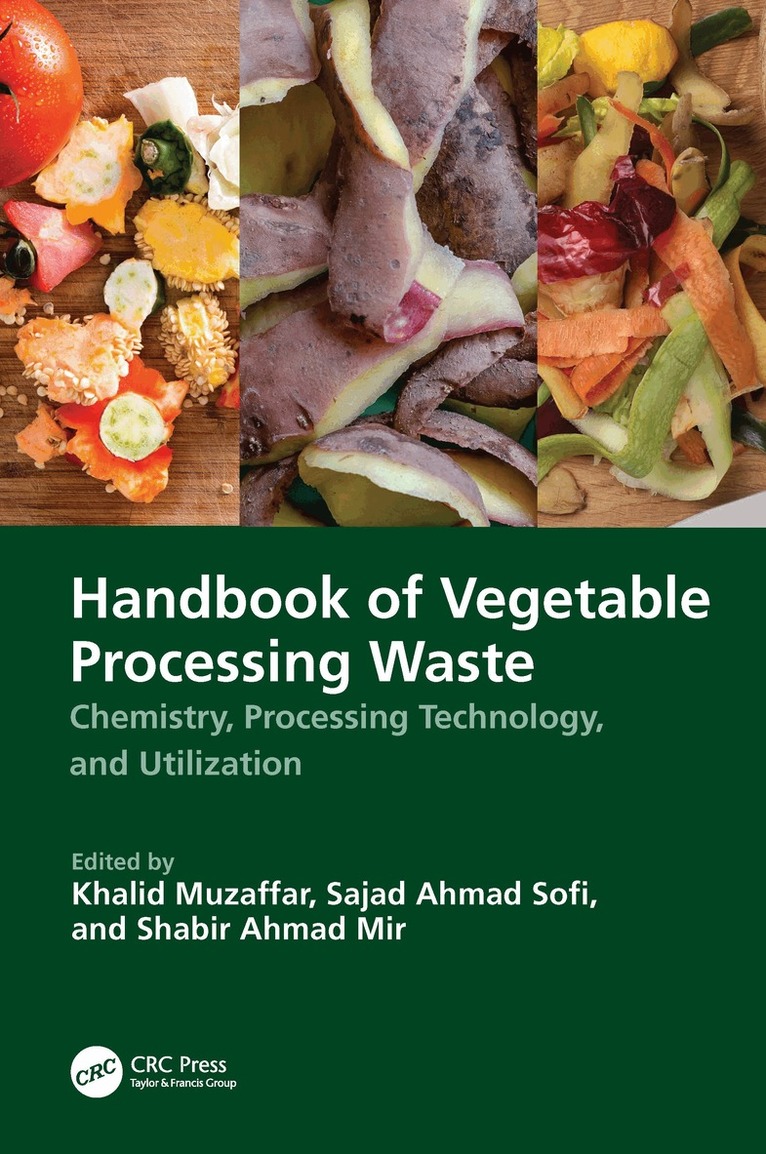
Handbook of Vegetable Processing Waste: Chemistry, Processing Technology, and Utilization serves as an essential resource for food scientists, environmental engineers, and industry professionals. This comprehensive book explores innovative and sustainable approaches in managing vegetable processing waste and transforming it into valuable resources. The book addresses chemistry, processing technology, and valorization of residues generated during vegetable processing. It provides an overview of the recovery of bioactive components from the vegetable processing waste and their utilization in the development of functional food.
Key features:
Provides comprehensive information about the chemistry of waste generated during vegetable processing Provides in-depth information about the bioactive and nutraceutical potential of residues obtained during processing of vegetables Provides insight into technologies which can be used for extraction of biofunctional compounds from vegetable-based processing waste Highlights valorization of vegetable processing waste in fabrication of novel functional foods2 942 kr
Läs direkt efter köp
Handbook of Vegetable Processing Waste: Chemistry, Processing Technology, and Utilization serves as an essential resource for food scientists, environmental engineers, and industry professionals. This comprehensive book explores innovative and sustainable approaches in managing vegetable processing waste and transforming it into valuable resources. The book addresses chemistry, processing technology, and valorization of residues generated during vegetable processing. It provides an overview of the recovery of bioactive components from the vegetable processing waste and their utilization in the development of functional food.
Key features:
Provides comprehensive information about the chemistry of waste generated during vegetable processing Provides in-depth information about the bioactive and nutraceutical potential of residues obtained during processing of vegetables Provides insight into technologies which can be used for extraction of biofunctional compounds from vegetable-based processing waste Highlights valorization of vegetable processing waste in fabrication of novel functional foods2 590 kr
Läs direkt efter köp
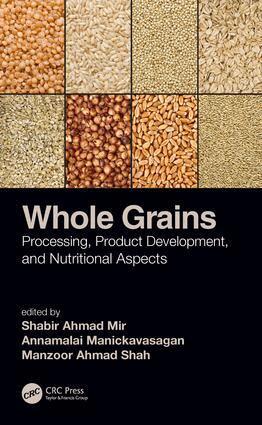
Whole grains play an important role in healthy diets, due to their potential role in minimizing the risk factors for several diseases. Thus the need for a comprehensive work that addresses all aspects of whole grain technology including processing, product development and nutrition values. This book covers the technological, nutritional and product development aspects of all whole grains including wheat, rice, barley, rye, sorghum, millet, maize, and oats among others. The book will review and summarize current knowledge in whole grains with the intent of being helpful to the food industry in the development of high-quality whole grain products.
Key Features:
Covers the technology for whole grain processing Promotes the utilization of whole grain products Provides the information about the nutritional components of whole grains Explores the health benefits of whole grains Presents the latest trends and safety concerns of whole grainsThe chapters include amaranth, barley, brown rice, buckwheat, maize, millets, oats, quinoa, rye, sorghum, and wheat. In addition, current trends in processing technology and product development for whole grains are explained in detail in a separate chapter. The last chapter deals with the food safety management of whole grains. Contributions from global experts in this field make this book a key reference material for all aspects of whole grains.
This book is suitable for students, scientists, and professionals in food science, food engineering, food technology, food processing, product development, food marketing, nutrition and other health sciences.
2 684 kr
Läs direkt efter köp
Whole grains play an important role in healthy diets, due to their potential role in minimizing the risk factors for several diseases. Thus the need for a comprehensive work that addresses all aspects of whole grain technology including processing, product development and nutrition values. This book covers the technological, nutritional and product development aspects of all whole grains including wheat, rice, barley, rye, sorghum, millet, maize, and oats among others. The book will review and summarize current knowledge in whole grains with the intent of being helpful to the food industry in the development of high-quality whole grain products.
Key Features:
Covers the technology for whole grain processing Promotes the utilization of whole grain products Provides the information about the nutritional components of whole grains Explores the health benefits of whole grains Presents the latest trends and safety concerns of whole grainsThe chapters include amaranth, barley, brown rice, buckwheat, maize, millets, oats, quinoa, rye, sorghum, and wheat. In addition, current trends in processing technology and product development for whole grains are explained in detail in a separate chapter. The last chapter deals with the food safety management of whole grains. Contributions from global experts in this field make this book a key reference material for all aspects of whole grains.
This book is suitable for students, scientists, and professionals in food science, food engineering, food technology, food processing, product development, food marketing, nutrition and other health sciences.
1 959 kr
Skickas inom 10-15 vardagar
1 172 kr
Skickas inom 10-15 vardagar
2 394 kr
Skickas inom 10-15 vardagar