Sally P. Leys – författare
Visar alla böcker från författaren Sally P. Leys. Handla med fri frakt och snabb leverans.
4 produkter
4 produkter
7 950 kr
Skickas inom 10-15 vardagar
This new 3-volume set provides informative reviews on the physiology of sponges, cnidarians, round and flat worms, annelids, echinoderms, and crustaceans, advancing our knowledge of the physiology of these major invertebrate groups (Phyla). Invertebrates exhibit the largest number of species and occupy virtually every conceivable ecological niche. They are economically important in food chains, they recycle organic waste, and they are crucial pollinators of plants and sources of food. They are also medically important as parasites that cause major diseases of both humans and livestock.Volume 1 focuses on non-bilaterian phyla; Volume 2 looks at crustacea; and Volume 3 discusses annelida and echinodermata.Volume 1 looks at non-bilaterian (sponges, cnidarians, placozoans). The focus on sponge biology has recently been on symbiosis, nutrient uptake, and sensory biology. The research on cnidarians primarily has been on biomineralization, the nervous system, and development as well as neuropeptide biology of placozoans involved in feeding and neuropeptides in cnidarians.Chapters on crustacean physiology are grouped in Volume 2 and cover diverse physiological topics ranging from moulting, respiration, water balance, biomineralization, bioreceptors, and temperature regulation to the land adaptation of terrestrial crustaceans. The chapters are comprehensive and add new knowledge to crustacean biology.Echinoderm and annelid are covered in Volume 3. The volume looks at temporary adhesion and regeneration as two important areas in echinoderm biology. It includes an important review of juxtaligamental cells, which may regulate the mechanical properties of connective tissue. Annelid physiology is discussed (neurobiology of locomotion in leeches, regeneration, reproduction) as is neuro-endocrine-immune response.The information provided here will advance the knowledge of invertebrate physiology and will serve as an important resource for advanced undergraduate students, graduate students, and researchers/professionals.
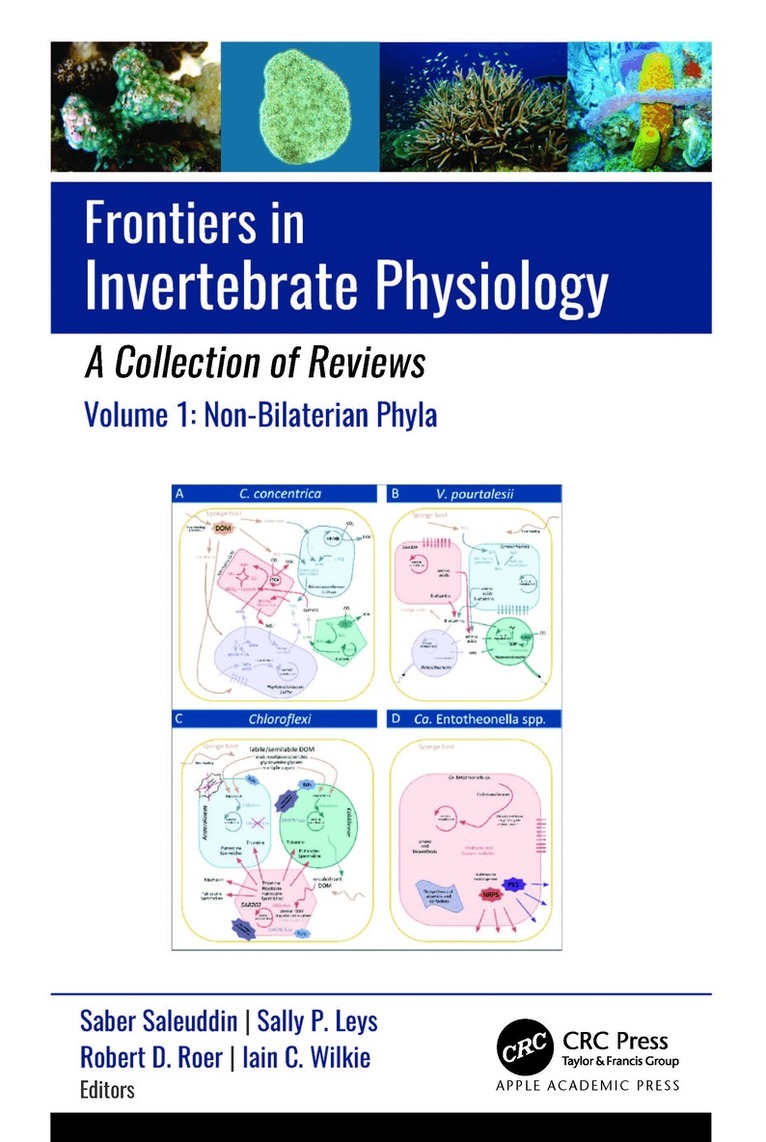
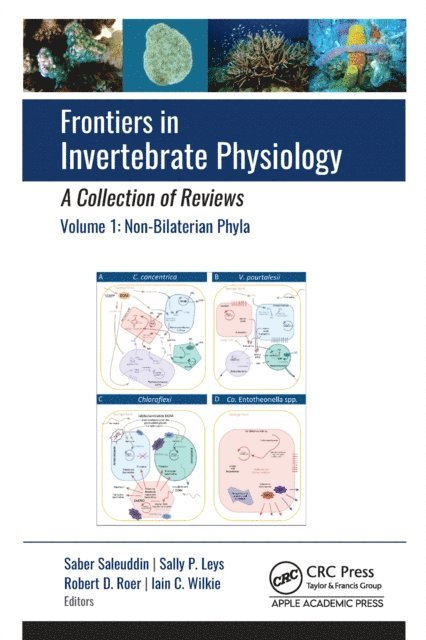
Frontiers in Invertebrate Physiology: A Collection of Reviews
Volume 1: Non-Bilaterian Phyla
Inbunden, Engelska, 2024
2 099 kr
Skickas inom 10-15 vardagar
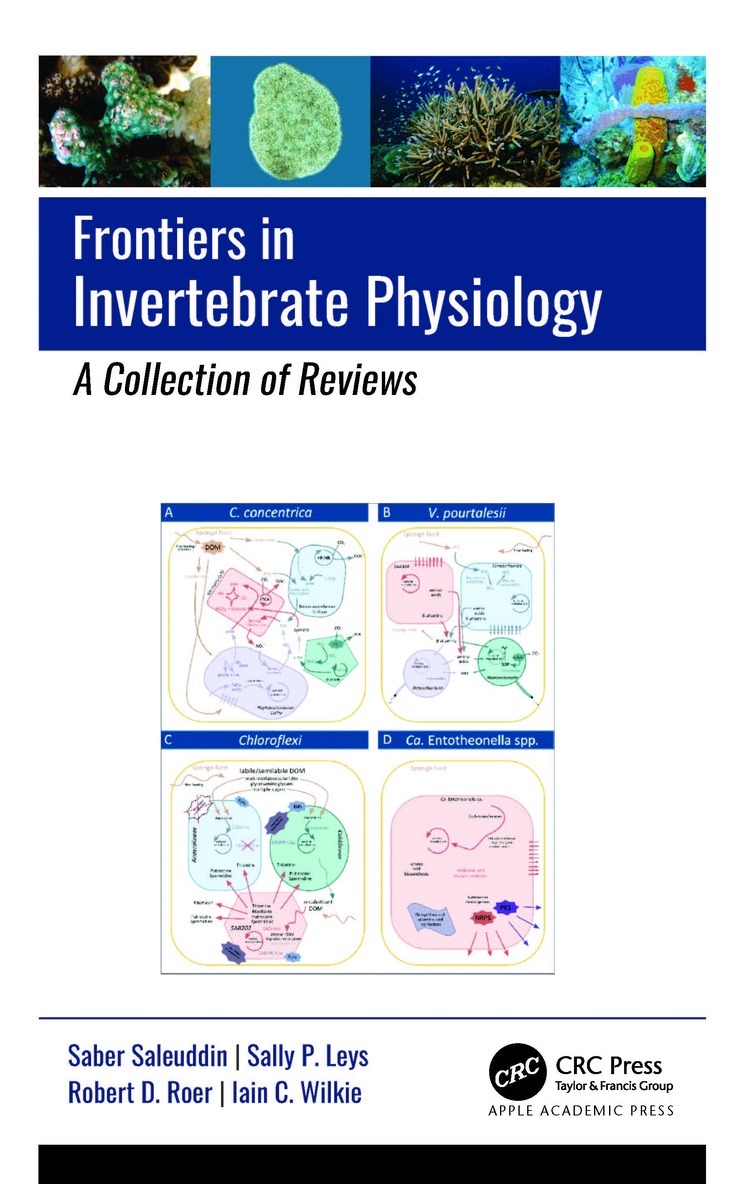
This new 3-volume set provides informative reviews on the physiology of sponges, cnidarians, round and flat worms, annelids, echinoderms, and crustaceans, advancing our knowledge of the physiology of these major invertebrate groups (Phyla). Invertebrates exhibit the largest number of species and occupy virtually every conceivable ecological niche. They are economically important in food chains, they recycle organic waste, and they are crucial pollinators of plants and sources of food. They are also medically relevant as parasites that cause major diseases in both humans and livestock.Volume 1 looks at non-Bilaterians (sponges, cnidarians, placozoans). The focus on sponge biology has recently been on symbiosis, nutrient uptake, and sensory biology. The section on cnidarians covers biomineralization, the nervous system, and development. The biology of placozoans is described in depth, including the role of neuropeptides in feeding.Volume 2 and covers crustacean physiology and diverse physiological topics, ranging from molting, respiration, water balance, biomineralization, bioreceptors, and temperature regulation to the land adaptation of terrestrial crustaceans. Echinoderms and annelids are covered in Volume 3.
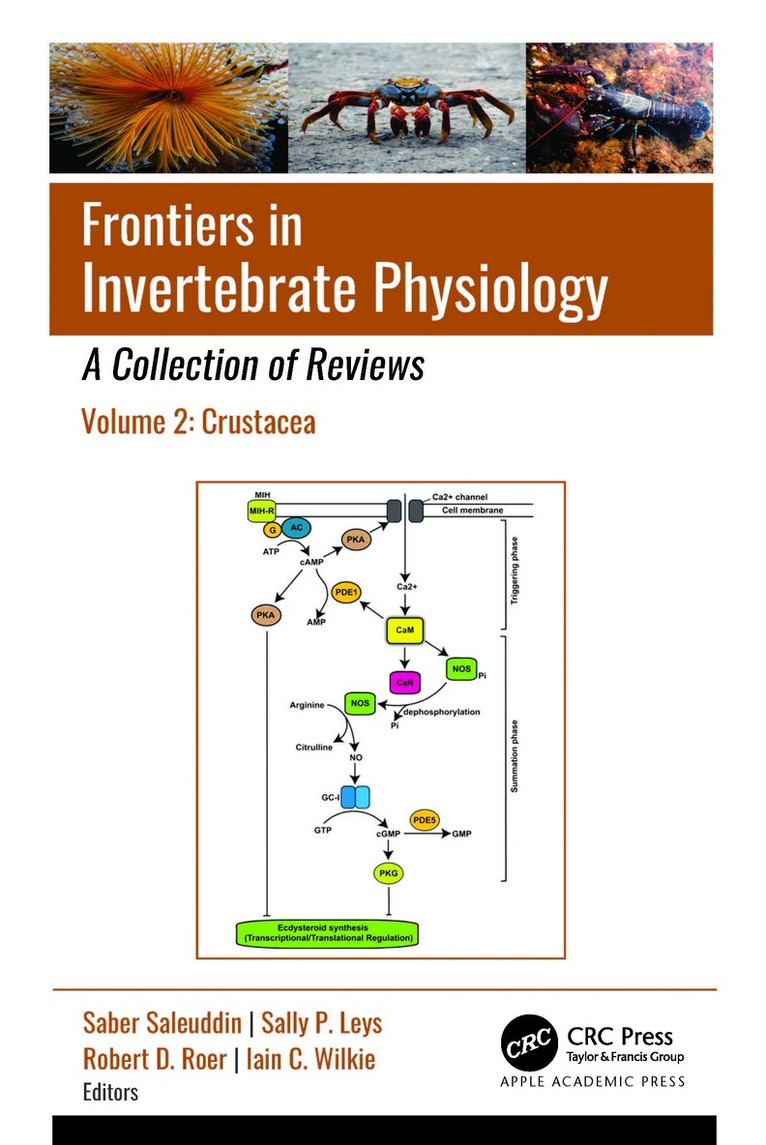
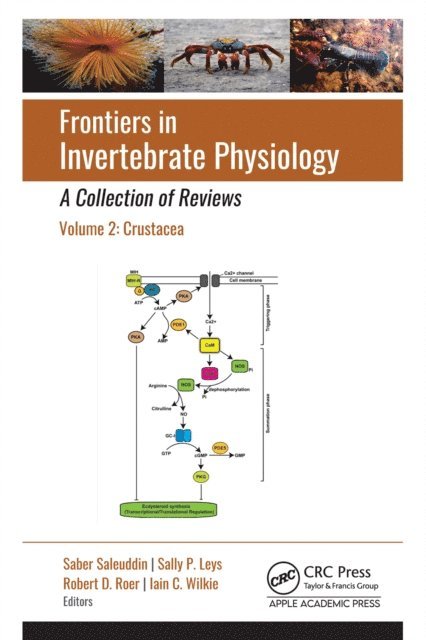
Frontiers in Invertebrate Physiology: A Collection of Reviews
Volume 2: Crustacea
Inbunden, Engelska, 2024
2 099 kr
Skickas inom 10-15 vardagar
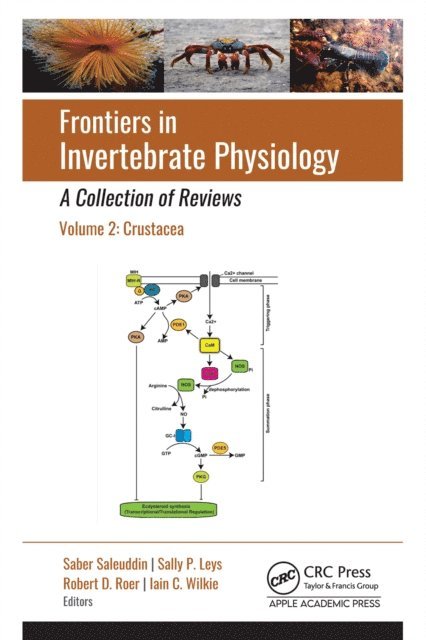
This new 3-volume set provides informative reviews on the physiology of sponges, cnidarians, round and flat worms, annelids, echinoderms, and crustaceans, advancing our knowledge of the physiology of these major invertebrate groups (Phyla). Invertebrates exhibit the largest number of species and occupy virtually every conceivable ecological niche. They are economically important in food chains, they recycle organic waste, and they are crucial pollinators of plants and sources of food. They are also medically relevant as parasites that cause major diseases of both humans and livestock.Chapters on crustacean physiology are grouped in this volume and cover diverse physiological topics ranging from moulting, respiration, water balance, biomineralization, bioreceptors, and temperature regulation to the land adaptation of terrestrial crustaceans. The chapters are comprehensive and add new knowledge to crustacean biology.Volume 1 looks at non-bilaterians (sponges, cnidarians, placozoans) while echinoderms and annelids are covered in Volume 3.
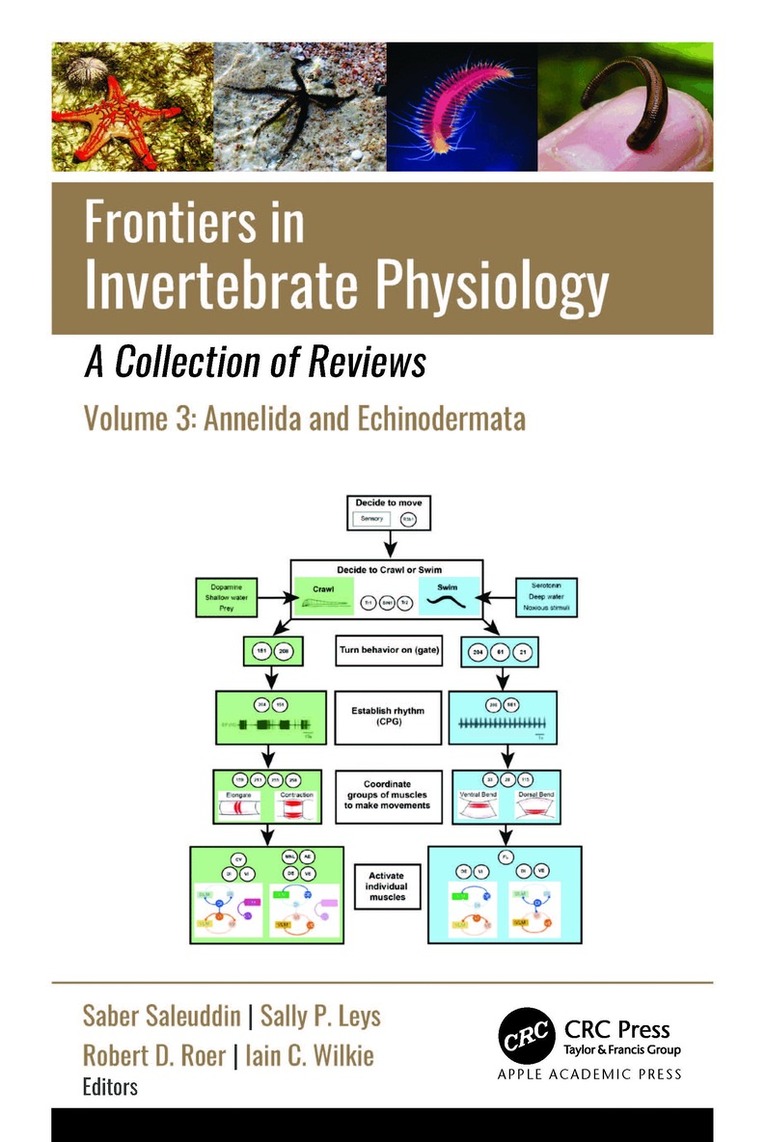
Frontiers in Invertebrate Physiology: A Collection of Reviews
Volume 3: Annelida and Echinodermata
Inbunden, Engelska, 2024
2 099 kr
Skickas inom 10-15 vardagar
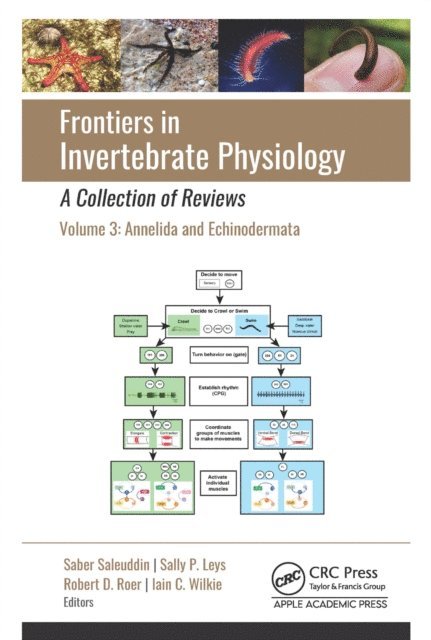
This new 3-volume set provides informative reviews on the physiology of sponges, cnidarians, round and flat worms, annelids, echinoderms, and crustaceans, advancing our knowledge of the physiology of these major invertebrate groups (Phyla). Invertebrates exhibit the largest number of species and occupy virtually every conceivable ecological niche. They are economically important in food chains, they recycle organic waste, and they are crucial pollinators of plants and sources of food. They are also medically relevant as parasites that cause major diseases of both humans and livestock.Echinoderms and annelids are covered in Volume 3. The volume looks at temporary adhesion and regeneration as two important areas in echinoderm biology. It includes an important review of juxtaligamental cells, which may regulate the mechanical properties of connective tissue. Annelid physiology is discussed (neurobiology of locomotion in leeches, regeneration, reproduction) as is neuro-endocrine-immune response.Volume 1 looks at non-bilaterians (sponges, cnidarians, placozoans), while Volume 2 focuses on crustacean physiology, covering diverse physiological topics ranging from moulting, respiration, water balance, biomineralization, bioreceptors, and temperature regulation to the land adaptation of terrestrial crustaceans.