Scott Stapleford - Böcker
Visar alla böcker från författaren Scott Stapleford. Handla med fri frakt och snabb leverans.
20 produkter
20 produkter
2 088 kr
Skickas inom 10-15 vardagar
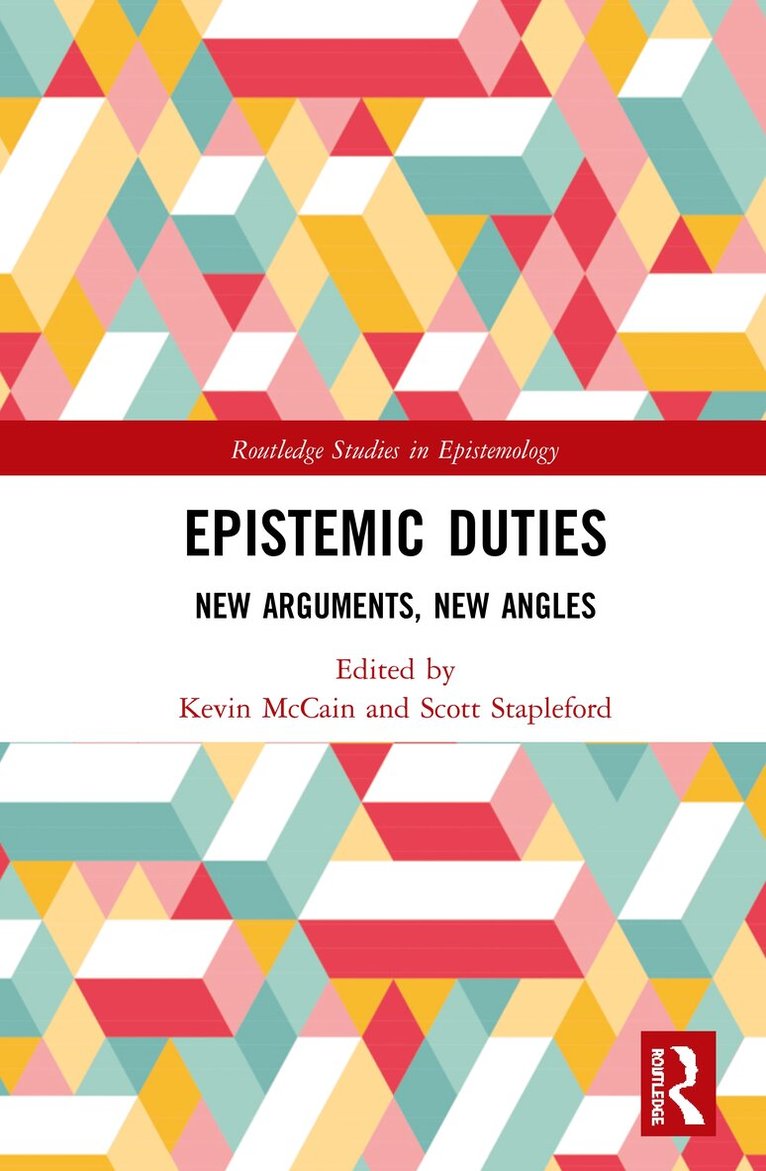
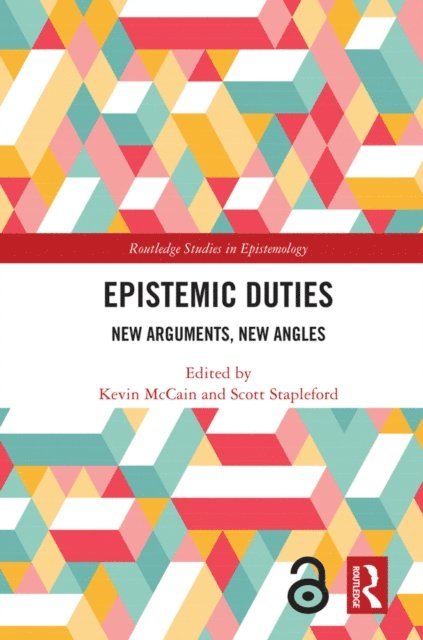
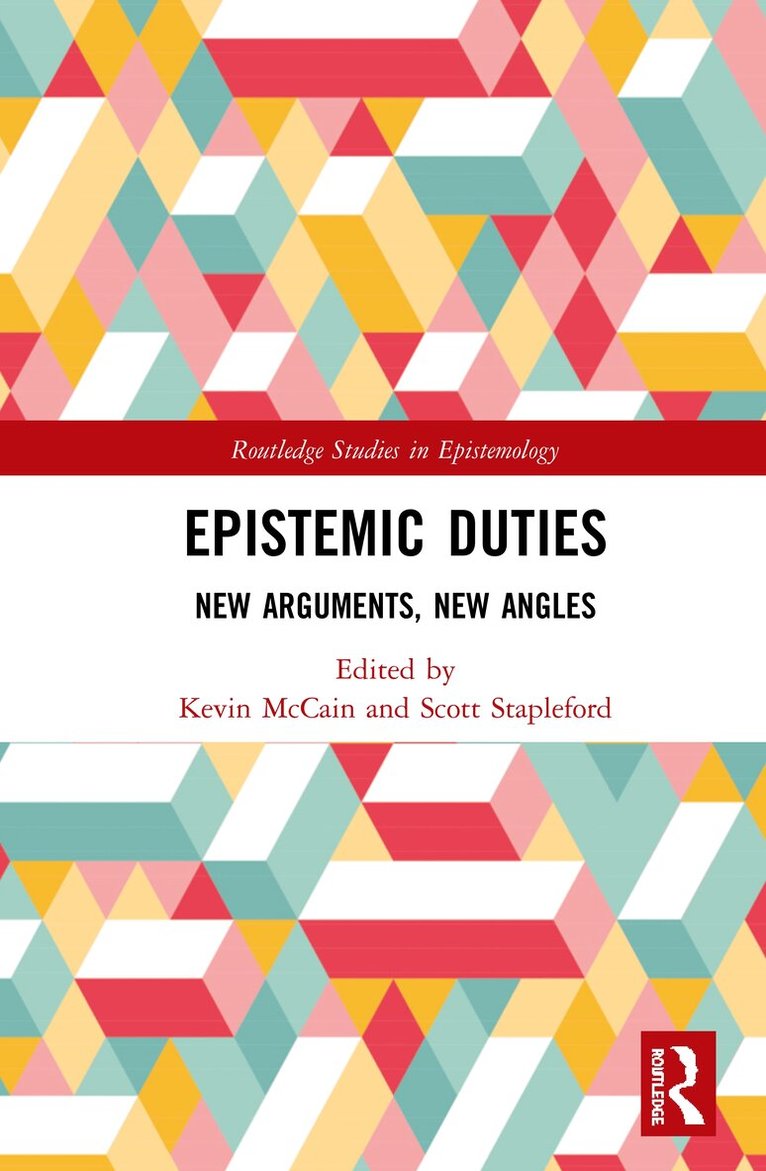
There are arguably moral, legal, and prudential constraints on behavior. But are there epistemic constraints on belief? Are there any requirements arising from intellectual considerations alone? This volume includes original essays written by top epistemologists that address this and closely related questions from a variety of new, sometimes unexpected, angles. It features a wide variety of positions, ranging from arguments for and against the existence of purely epistemic requirements, reductions of epistemic requirements to moral or prudential requirements, the biological foundations of epistemic requirements, extensions of the scope of epistemic requirements to include such things as open-mindedness, eradication of implicit bias and interpersonal duties to object, to new applications such as epistemic requirements pertaining to storytelling, testimony, and fundamentalist beliefs. Anyone interested in the nature of responsibility, belief, or epistemic normativity will find a range of useful arguments and fresh ideas in this cutting-edge anthology.Chapter 14 of this book is freely available as a downloadable Open Access PDF at http://www.taylorfrancis.com under a Creative Commons Attribution-Non Commercial-No Derivatives (CC-BY-NC-ND) 4.0 license.
766 kr
Skickas inom 10-15 vardagar
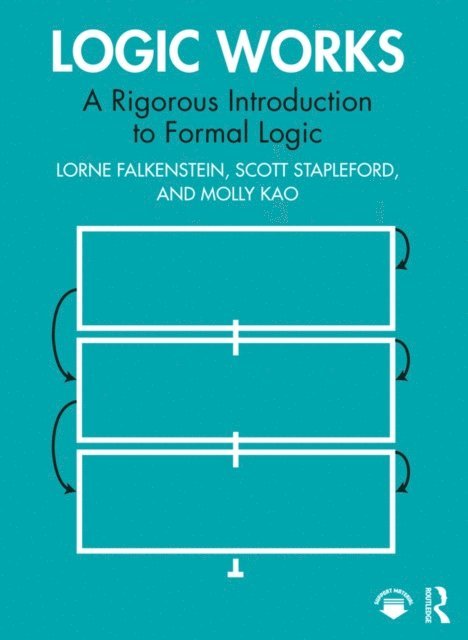
Logic Works is a critical and extensive introduction to logic. It asks questions about why systems of logic are as they are, how they relate to ordinary language and ordinary reasoning, and what alternatives there might be to classical logical doctrines. The book covers classical first-order logic and alternatives, including intuitionistic, free, and many-valued logic. It also considers how logical analysis can be applied to carefully represent the reasoning employed in academic and scientific work, better understand that reasoning, and identify its hidden premises. Aiming to be as much a reference work and handbook for further, independent study as a course text, it covers more material than is typically covered in an introductory course. It also covers this material at greater length and in more depth with the purpose of making it accessible to those with no prior training in logic or formal systems.Online support material includes a detailed student solutions manual with a running commentary on all starred exercises, and a set of editable slide presentations for course lectures.Key Features Introduces an unusually broad range of topics, allowing instructors to craft courses to meet a range of various objectives Adopts a critical attitude to certain classical doctrines, exposing students to alternative ways to answer philosophical questions about logic Carefully considers the ways natural language both resists and lends itself to formalization Makes objectual semantics for quantified logic easy, with an incremental, rule-governed approach assisted by numerous simple exercises Makes important metatheoretical results accessible to introductory students through a discursive presentation of those results and by using simple case studies
2 088 kr
Skickas inom 10-15 vardagar
Logic Works is a critical and extensive introduction to logic. It asks questions about why systems of logic are as they are, how they relate to ordinary language and ordinary reasoning, and what alternatives there might be to classical logical doctrines. The book covers classical first-order logic and alternatives, including intuitionistic, free, and many-valued logic. It also considers how logical analysis can be applied to carefully represent the reasoning employed in academic and scientific work, better understand that reasoning, and identify its hidden premises. Aiming to be as much a reference work and handbook for further, independent study as a course text, it covers more material than is typically covered in an introductory course. It also covers this material at greater length and in more depth with the purpose of making it accessible to those with no prior training in logic or formal systems.Online support material includes a detailed student solutions manual with a running commentary on all starred exercises, and a set of editable slide presentations for course lectures.Key Features Introduces an unusually broad range of topics, allowing instructors to craft courses to meet a range of various objectives Adopts a critical attitude to certain classical doctrines, exposing students to alternative ways to answer philosophical questions about logic Carefully considers the ways natural language both resists and lends itself to formalization Makes objectual semantics for quantified logic easy, with an incremental, rule-governed approach assisted by numerous simple exercises Makes important metatheoretical results accessible to introductory students through a discursive presentation of those results and by using simple case studies
576 kr
Skickas inom 10-15 vardagar
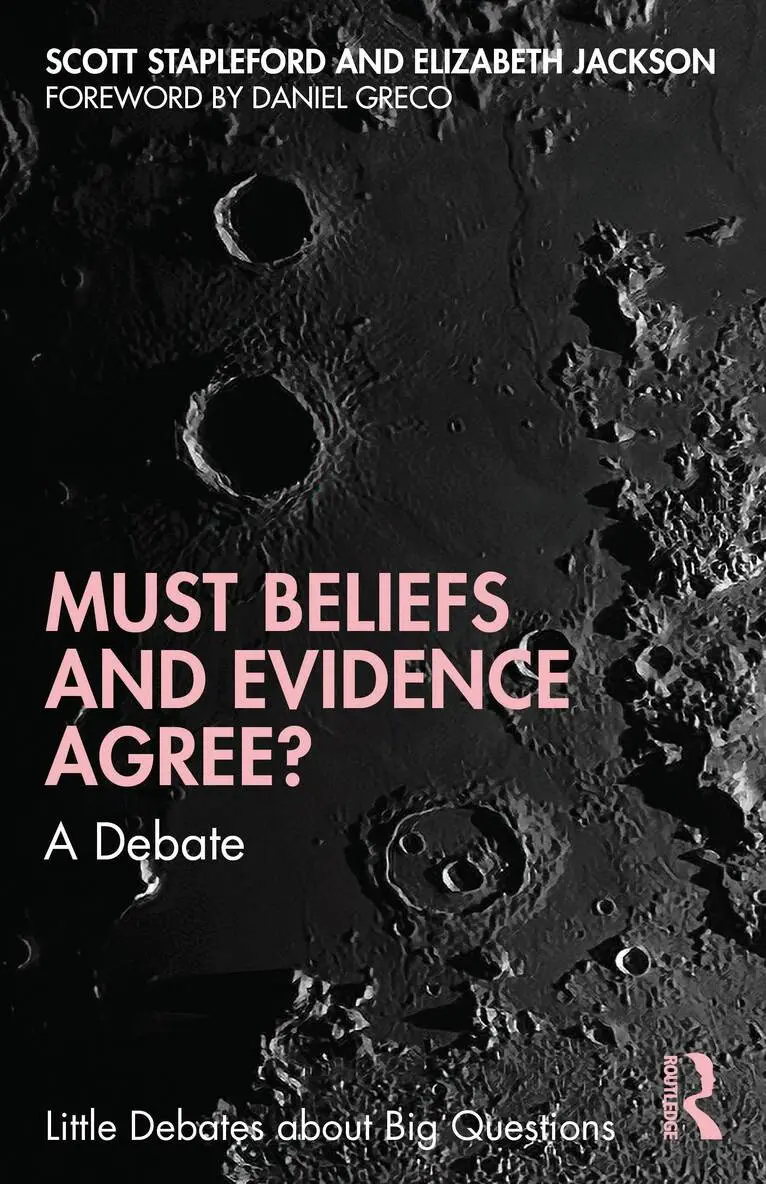
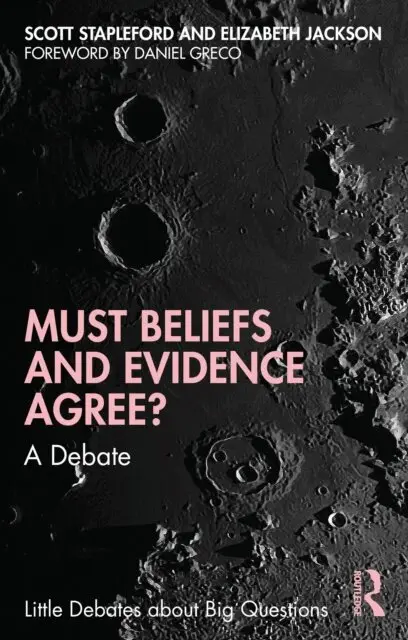
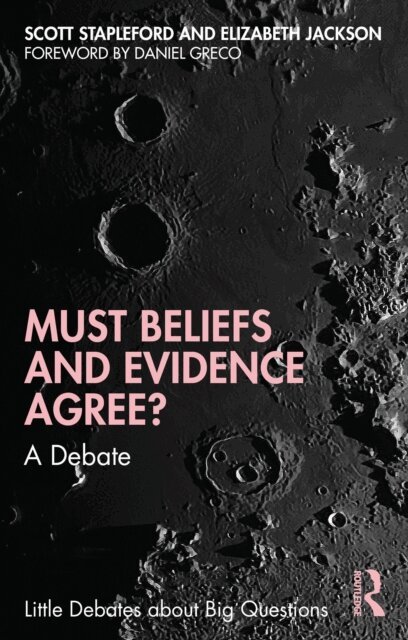
Should our beliefs be proportioned to our evidence? Are we doing something wrong in believing with little or no evidence? And may our beliefs be based partly or wholly on moral or practical considerations? These questions are harder than you think. Scott Stapleford and Elizabeth Jackson agree on the priority of evidence, but they differ on the degree of permissible slack and the relevance of other considerations. In this lively epistemological debate, Stapleford takes a hard line, defending the extremist view that any discrepancy between what we believe and what our evidence supports is an error that should be corrected. In the economy of our beliefs, evidence alone has a normative grip. Jackson is more forgiving. While evidence regulates belief, its authority is not complete. She takes a more liberal perspective that accords non-evidential factors a lawful role in delimiting the class of permissible beliefs. With echoes of the famous 19th century dispute between the mathematician William Clifford and the psychologist William James, the Stapleford–Jackson debate feels particularly relevant in a time when disagreement runs uncomfortably hot and evidence is treated with contempt. This debate will tempt—and gently instruct—anyone who has ever asked themselves: Can’t I just believe what I want?Key FeaturesIncludes accessible discussions of evidence, evidentialism, transparency, epistemic value monism, the aim of belief, permissivism, encroachment, practical reasons for belief, epistemic obligations, Pascal’s wager, and much more.Is highly readable, with clear language and an easy-to-follow format.Includes boxed summaries at the end of each section and partitioned expansions of key ideas that supplement the main lines of reasoning.
2 088 kr
Skickas inom 10-15 vardagar
Should our beliefs be proportioned to our evidence? Are we doing something wrong in believing with little or no evidence? And may our beliefs be based partly or wholly on moral or practical considerations? These questions are harder than you think. Scott Stapleford and Elizabeth Jackson agree on the priority of evidence, but they differ on the degree of permissible slack and the relevance of other considerations. In this lively epistemological debate, Stapleford takes a hard line, defending the extremist view that any discrepancy between what we believe and what our evidence supports is an error that should be corrected. In the economy of our beliefs, evidence alone has a normative grip. Jackson is more forgiving. While evidence regulates belief, its authority is not complete. She takes a more liberal perspective that accords non-evidential factors a lawful role in delimiting the class of permissible beliefs. With echoes of the famous 19th century dispute between the mathematician William Clifford and the psychologist William James, the Stapleford–Jackson debate feels particularly relevant in a time when disagreement runs uncomfortably hot and evidence is treated with contempt. This debate will tempt—and gently instruct—anyone who has ever asked themselves: Can’t I just believe what I want?Key FeaturesIncludes accessible discussions of evidence, evidentialism, transparency, epistemic value monism, the aim of belief, permissivism, encroachment, practical reasons for belief, epistemic obligations, Pascal’s wager, and much more.Is highly readable, with clear language and an easy-to-follow format.Includes boxed summaries at the end of each section and partitioned expansions of key ideas that supplement the main lines of reasoning.
631 kr
Skickas inom 10-15 vardagar
There are arguably moral, legal, and prudential constraints on behavior. But are there epistemic constraints on belief? Are there any requirements arising from intellectual considerations alone? This volume includes original essays written by top epistemologists that address this and closely related questions from a variety of new, sometimes unexpected, angles. It features a wide variety of positions, ranging from arguments for and against the existence of purely epistemic requirements, reductions of epistemic requirements to moral or prudential requirements, the biological foundations of epistemic requirements, extensions of the scope of epistemic requirements to include such things as open-mindedness, eradication of implicit bias and interpersonal duties to object, to new applications such as epistemic requirements pertaining to storytelling, testimony, and fundamentalist beliefs. Anyone interested in the nature of responsibility, belief, or epistemic normativity will find a range of useful arguments and fresh ideas in this cutting-edge anthology.Chapter 14 of this book is freely available as a downloadable Open Access PDF at http://www.taylorfrancis.com under a Creative Commons Attribution-Non Commercial-No Derivatives (CC-BY-NC-ND) 4.0 license.
2 088 kr
Skickas inom 10-15 vardagar
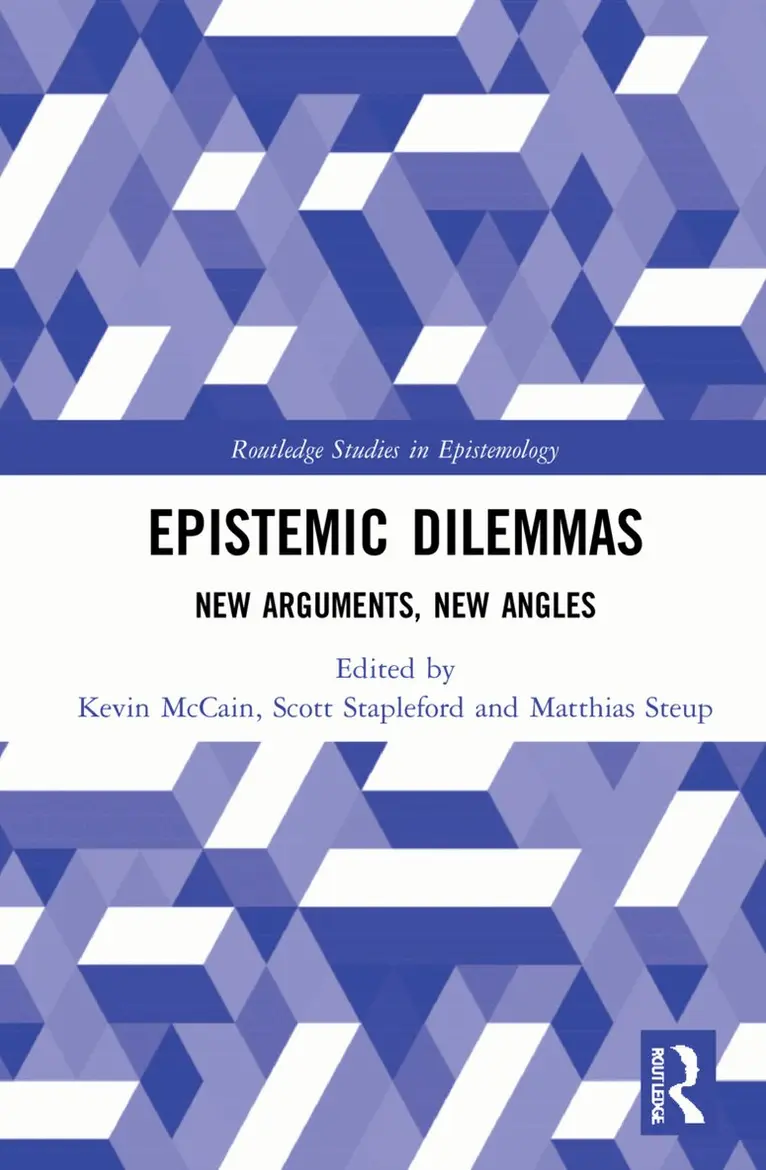
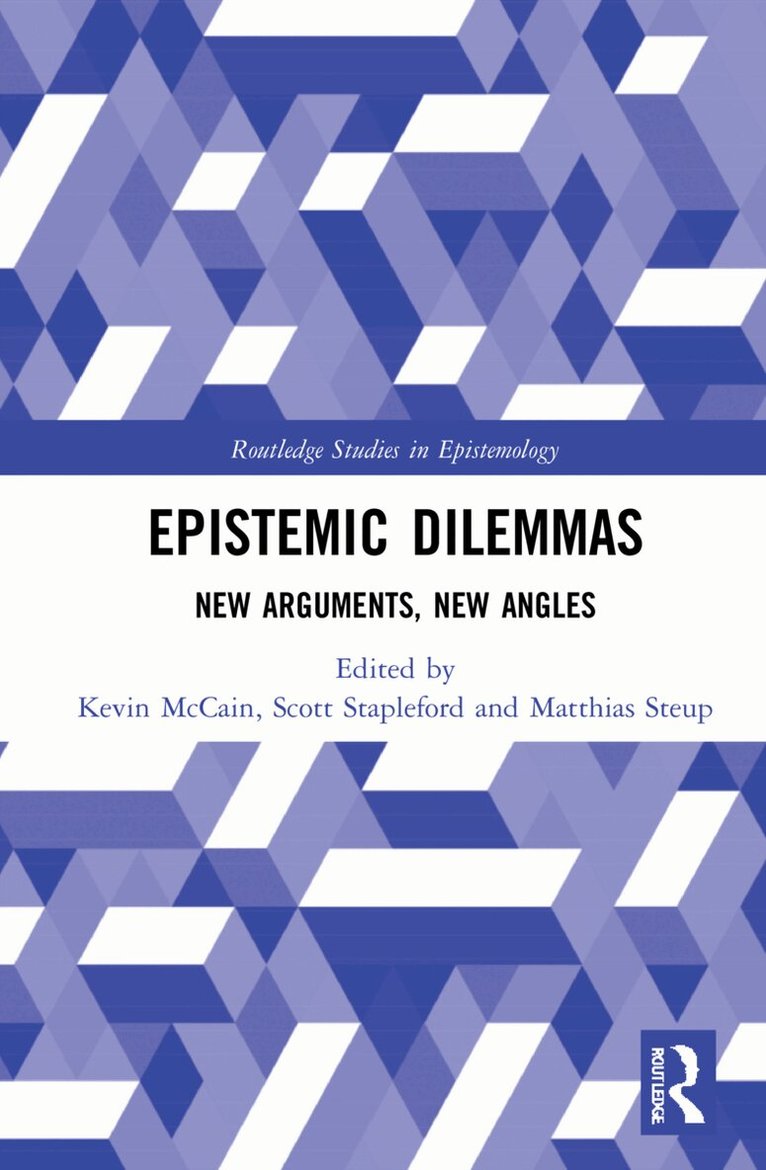
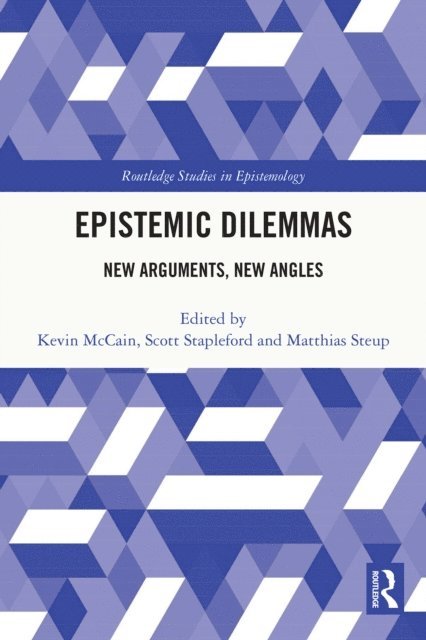
This book features original essays by leading epistemologists that address questions related to epistemic dilemmas from a variety of new, sometimes unexpected, angles.It seems plausible that there can be "no win" moral situations in which no matter what one does one fails some moral obligation. Is there an epistemic analog to moral dilemmas? Are there epistemically dilemmic situations—situations in which we are doomed to violate an epistemic requirement? If there are, when exactly do they arise and what can we learn from them? The contributors to this volume cover a wide variety of positions on epistemic dilemmas. The coverage ranges from discussions of the nature of epistemic dilemmas to arguments that there are no such things to suggestions for how to resolve (or at least live with) epistemic dilemmas to proposals for how thinking about epistemic dilemmas can be used to inform theorizing in other areas of epistemology.Epistemic Dilemmas will be of interest to scholars and advanced students in epistemology working on the nature of justification and evidential support, higher-order requirements, or suspension of judgment.
576 kr
Skickas inom 10-15 vardagar
This book features original essays by leading epistemologists that address questions related to epistemic dilemmas from a variety of new, sometimes unexpected, angles.It seems plausible that there can be "no win" moral situations in which no matter what one does one fails some moral obligation. Is there an epistemic analog to moral dilemmas? Are there epistemically dilemmic situations—situations in which we are doomed to violate an epistemic requirement? If there are, when exactly do they arise and what can we learn from them? The contributors to this volume cover a wide variety of positions on epistemic dilemmas. The coverage ranges from discussions of the nature of epistemic dilemmas to arguments that there are no such things to suggestions for how to resolve (or at least live with) epistemic dilemmas to proposals for how thinking about epistemic dilemmas can be used to inform theorizing in other areas of epistemology.Epistemic Dilemmas will be of interest to scholars and advanced students in epistemology working on the nature of justification and evidential support, higher-order requirements, or suspension of judgment.
2 094 kr
Skickas inom 10-15 vardagar
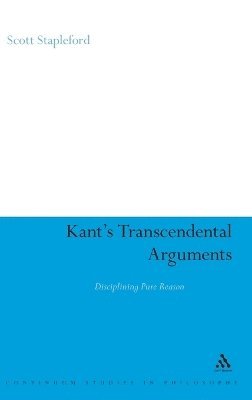
This is a new monograph offering the first focused study of the place of transcendental arguments within Kant's system as a whole.Two currents of thought dominated Western philosophy in the seventeenth and eighteenth centuries: Continental Rationalism and British Empiricism. Despite the gradual dissemination of British ideas on the Continent in the first decades of the eighteenth century, these fundamentally disparate philosophical outlooks seemed to be wholly irreconcilable.However, the publication of Immanuel Kant's "Critique of Pure Reason" in 1781 presented an entirely new method of philosophical reasoning that promised to combine the virtues of Rationalism with the scientific rigour of Empiricism. This book offers the first extended analysis of Kant's method of proof in philosophy. The author constructs a model based on Kant's own statements about his procedure and then examines his famous proofs in light of it. Great emphasis is placed on historical accuracy and the debunking of popular myths about Kant's aims and doctrines. The result is a compelling new picture of Kant that will challenge current assumptions.
2 088 kr
Skickas inom 10-15 vardagar
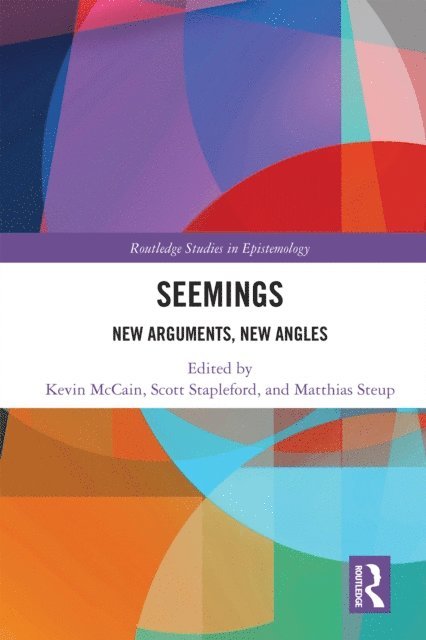
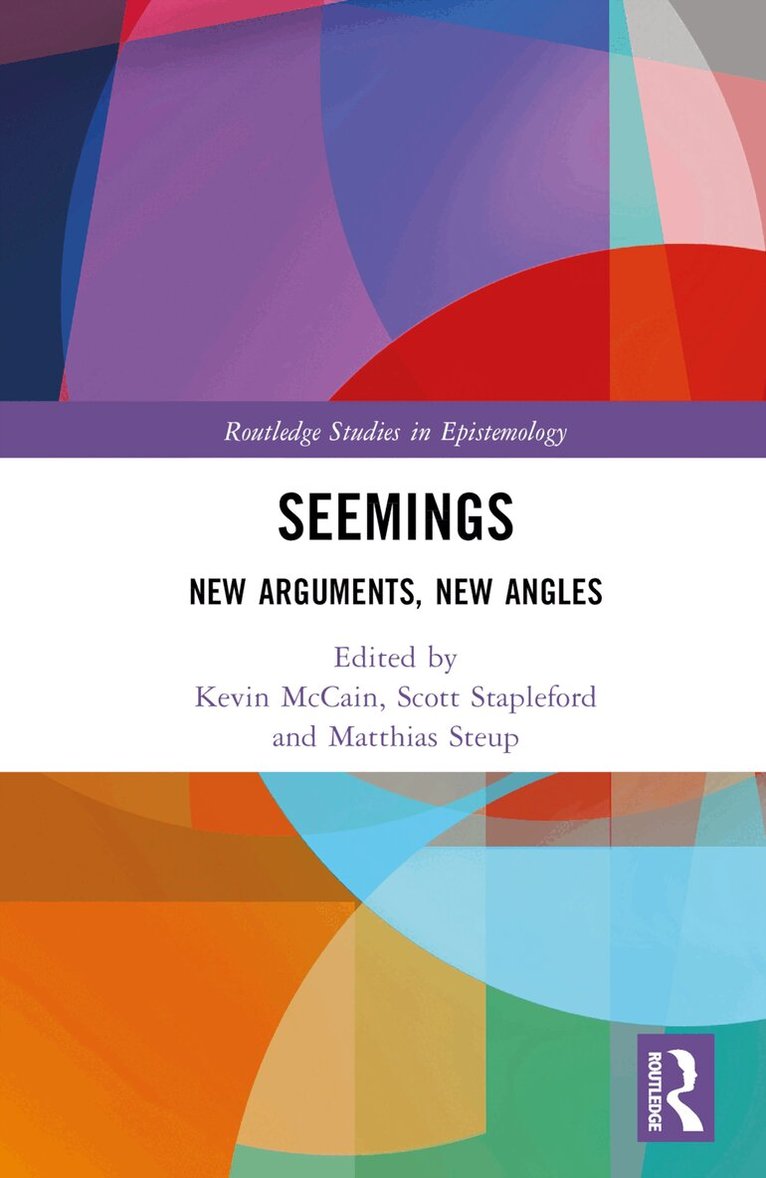
This volume presents new research on the epistemology of seemings. It features original essays by leading epistemologists on the nature and epistemic import of seemings and intuitions.Seemings and intuitions are often appealed to in philosophical theorizing. In fact, epistemological theories such as phenomenal conservatism and dogmatism give pride of place to seemings. Such views insist that seemings are of central importance to theories of epistemic justification. However, there are many questions about seemings that have yet to be answered satisfactorily. What kinds of seemings are there? How do seemings justify? Are seemings connected to truth? Do they play a significant role in inquiry? The chapters in this volume offer a range of useful arguments and fresh ideas about seemings, the nature of justification and evidential support, intuitions, inquiry, and the nature of inference.Seemings: New Arguments, New Angles will be of interest to researchers and advanced students working in epistemology and philosophy of mind.
631 kr
Skickas inom 10-15 vardagar
This volume presents new research on the epistemology of seemings. It features original essays by leading epistemologists on the nature and epistemic import of seemings and intuitions.Seemings and intuitions are often appealed to in philosophical theorizing. In fact, epistemological theories such as phenomenal conservatism and dogmatism give pride of place to seemings. Such views insist that seemings are of central importance to theories of epistemic justification. However, there are many questions about seemings that have yet to be answered satisfactorily. What kinds of seemings are there? How do seemings justify? Are seemings connected to truth? Do they play a significant role in inquiry? The chapters in this volume offer a range of useful arguments and fresh ideas about seemings, the nature of justification and evidential support, intuitions, inquiry, and the nature of inference.Seemings: New Arguments, New Angles will be of interest to researchers and advanced students working in epistemology and philosophy of mind.
1 954 kr
Skickas inom 10-15 vardagar
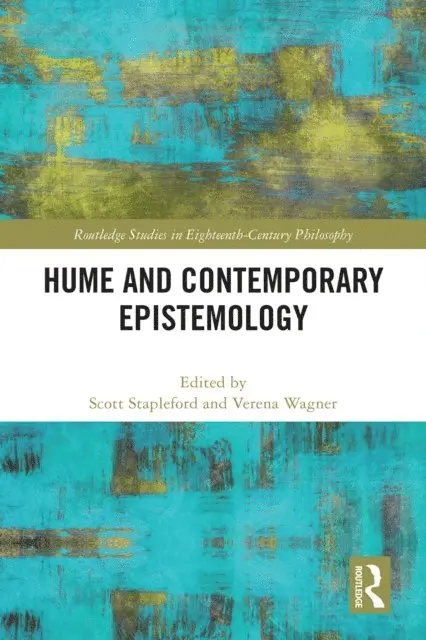
This is the first edited collection dedicated to demonstrating Hume’s relevance to contemporary debates in epistemology. It features original essays by Hume scholars and epistemologists that address a wide range of important questions, including the following:What does a Humean conception of knowledge look like?How do Hume’s understanding of belief and suspension of judgement bear on current debates about doxastic attitudes?Is there a Humean way of uniting reasons in the epistemic and practical domains?What is the proper role of reason at the foundations of ethics and epistemology from a Humean point of view?What contribution might an examination of Humean scepticism make to understanding of current sceptical hypotheses?Is Hume a hinge epistemologist?Does naturalized epistemology trace back to Hume?Does Hume have an ethics of belief?What can Hume contribute to virtue and vice epistemology?Some chapters try to bring historically accurate interpretations of Hume’s ideas into contact with current issues, while others will take ideas merely suggested by Hume and demonstrate their philosophical usefulness. Together, they demonstrate Hume’s enduring relevance for debates about knowledge, belief, inquiry and suspension, reasons, modal knowledge, scepticism, hinge epistemology, naturalized epistemology, the ethics of belief and moral epistemology, virtue and vice epistemology, and the epistemology of testimony.Hume and Contemporary Epistemology will be of interest to scholars and advanced students working on Hume, epistemology, and the history of philosophy.
675 kr
Kommande
This is the first edited collection dedicated to demonstrating Hume’s relevance to contemporary debates in epistemology. It features original essays by Hume scholars and epistemologists that address a wide range of important questions, including the following:What does a Humean conception of knowledge look like?How do Hume’s understanding of belief and suspension of judgement bear on current debates about doxastic attitudes?Is there a Humean way of uniting reasons in the epistemic and practical domains?What is the proper role of reason at the foundations of ethics and epistemology from a Humean point of view?What contribution might an examination of Humean scepticism make to understanding of current sceptical hypotheses?Is Hume a hinge epistemologist?Does naturalized epistemology trace back to Hume?Does Hume have an ethics of belief?What can Hume contribute to virtue and vice epistemology?Some chapters try to bring historically accurate interpretations of Hume’s ideas into contact with current issues, while others will take ideas merely suggested by Hume and demonstrate their philosophical usefulness. Together, they demonstrate Hume’s enduring relevance for debates about knowledge, belief, inquiry and suspension, reasons, modal knowledge, scepticism, hinge epistemology, naturalized epistemology, the ethics of belief and moral epistemology, virtue and vice epistemology, and the epistemology of testimony.Hume and Contemporary Epistemology will be of interest to scholars and advanced students working on Hume, epistemology, and the history of philosophy.
2 088 kr
Skickas inom 10-15 vardagar
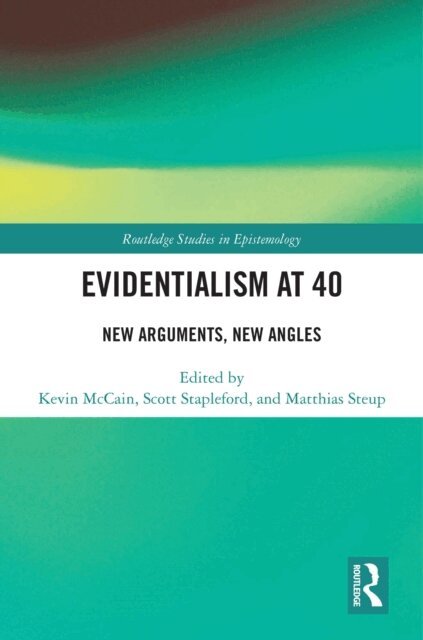
This volume presents state-of-the-art research on issues related to evidentialism. It demonstrates the continuing relevance of evidentialist epistemology by bringing it into direct confrontation with some of its latest non-evidentialist rivals and by proposing new areas for exploration and development.Conee and Feldman’s landmark paper “Evidentialism” (1985) served as a launching point for an enormous research program in epistemology. Many epistemologists define their points of view at least partly in terms of how they relate to evidentialism. The chapters in this volume address important questions related to evidentialism, including:How should ‘evidentialism’ be defined?When does evidence suffice for belief?What does properly or appropriately responding to one’s evidence involve?Does evidentialism capture all cases of epistemically justified believing?Is there any kind of epistemic normativity that falls outside the purview of evidentialist epistemology?Are core evidentialist theses compatible with certain forms of externalism?Do classical evidentialist theses successfully preclude pragmatism?Do moral considerations ever get a say in what it is rational to believe?What (more) should evidentialists say about suspending judgment?What is the connection between evidence and logical inference?What should evidentialists say about extended memory?Does public evidence matter to epistemic justification?The range of fresh ideas in this cutting-edge volume, marking the 40th anniversary of “Evidentialism”, will appeal to scholars and graduate students working on evidentialism, evidence, the nature of justification, evidential support, and related topics in epistemology.
2 088 kr
Skickas inom 10-15 vardagar
Hume’s Enquiry: Expanded and Explained includes the entire classical text of David Hume’s An Enquiry Concerning Human Understanding in bold font, a running commentary blended seamlessly into the text in regular font, and analytic summaries of each section. The commentary is like a professor on hand to guide the reader through every line of the daunting prose and every move in the intricate argumentation. The unique design helps students learn how to read and engage with one of modern philosophy’s most important and exciting classics. Key Features:Includes the entire original text.Provides helpful summaries of each paragraph.Offers commentary on every line of text.Removes the gap between commentary and text.
576 kr
Skickas inom 10-15 vardagar
Hume’s Enquiry: Expanded and Explained includes the entire classical text of David Hume’s An Enquiry Concerning Human Understanding in bold font, a running commentary blended seamlessly into the text in regular font, and analytic summaries of each section. The commentary is like a professor on hand to guide the reader through every line of the daunting prose and every move in the intricate argumentation. The unique design helps students learn how to read and engage with one of modern philosophy’s most important and exciting classics. Key Features:Includes the entire original text.Provides helpful summaries of each paragraph.Offers commentary on every line of text.Removes the gap between commentary and text.
2 290 kr
Skickas inom 10-15 vardagar
Berkeley's Principles: Expanded and Explained includes the entire classical text of the Treatise Concerning the Principles of Human Knowledge in bold font, a running commentary blended seamlessly into the text in regular font and analytic summaries of each section. The commentary is like a professor on hand to guide the reader through every line of the daunting prose and every move in the intricate argumentation. The unique design helps today's students learn how to read and engage with one of modern philosophy's most important and exciting classics.
576 kr
Skickas inom 10-15 vardagar
Berkeley's Principles: Expanded and Explained includes the entire classical text of the Treatise Concerning the Principles of Human Knowledge in bold font, a running commentary blended seamlessly into the text in regular font and analytic summaries of each section. The commentary is like a professor on hand to guide the reader through every line of the daunting prose and every move in the intricate argumentation. The unique design helps today's students learn how to read and engage with one of modern philosophy's most important and exciting classics.
1 964 kr
Skickas inom 10-15 vardagar
Containing all of the key writings leading up to the publication of his Philosophical Essays in 1777, this volume presents complete works by Johann Nicolaus Tetens (1736-1807) in English for the very first time. These important essays focus on method in metaphysics and mathematics, the analysis of language, and various anthropological questions that occupied thinkers of the period. Key features of the volume include: · Accurate, readable translations · Detailed scholarly notes · A substantial introduction situating Tetens's works in historical context · A German-English glossaryThis collection marks a significant contribution to scholarship on Kant and 18th-century German philosophy.
568 kr
Skickas inom 10-15 vardagar
Containing all of the key writings leading up to the publication of his Philosophical Essays in 1777, this volume presents complete works by Johann Nicolaus Tetens (1736-1807) in English for the very first time. These important essays focus on method in metaphysics and mathematics, the analysis of language, and various anthropological questions that occupied thinkers of the period. Key features of the volume include: · Accurate, readable translations · Detailed scholarly notes · A substantial introduction situating Tetens's works in historical context · A German-English glossaryThis collection marks a significant contribution to scholarship on Kant and 18th-century German philosophy.