Shakir Ali – författare
2 433 kr
Skickas inom 10-15 vardagar
992 kr
Läs direkt efter köp
992 kr
Läs direkt efter köp
3 809 kr
Läs direkt efter köp
4 291 kr
Skickas inom 10-15 vardagar
1 405 kr
Skickas inom 10-15 vardagar
1 733 kr
Läs direkt efter köp
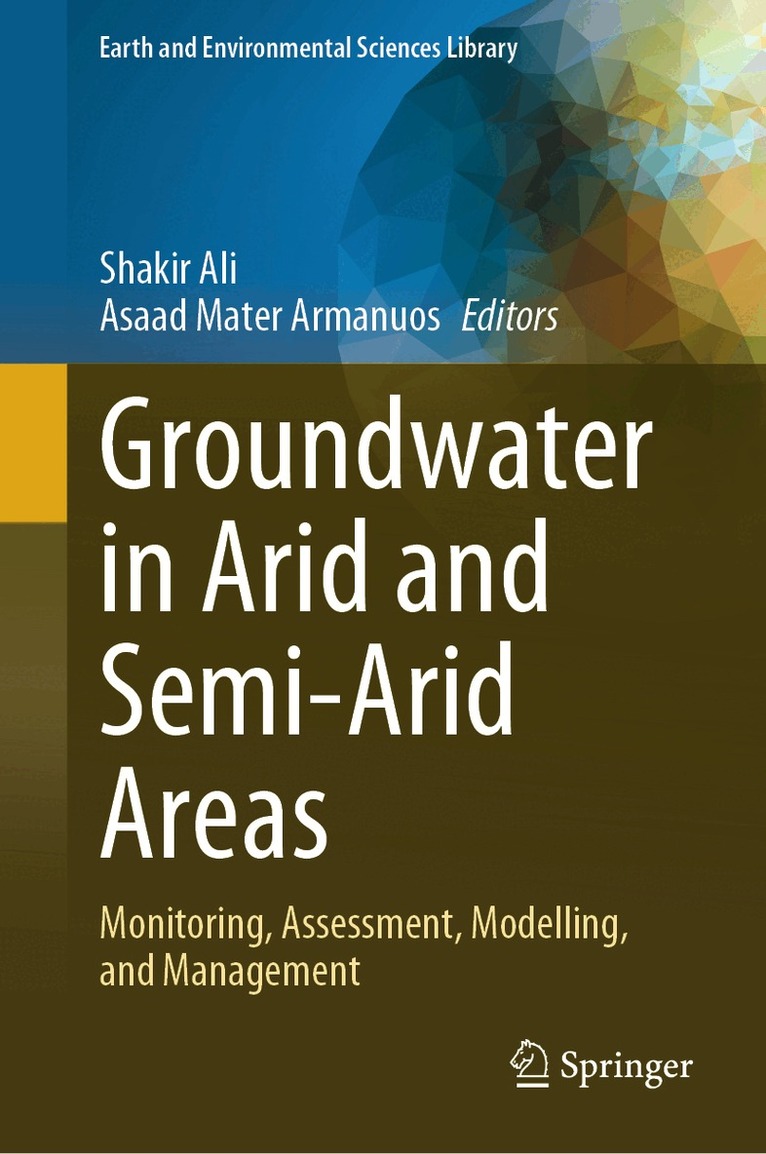
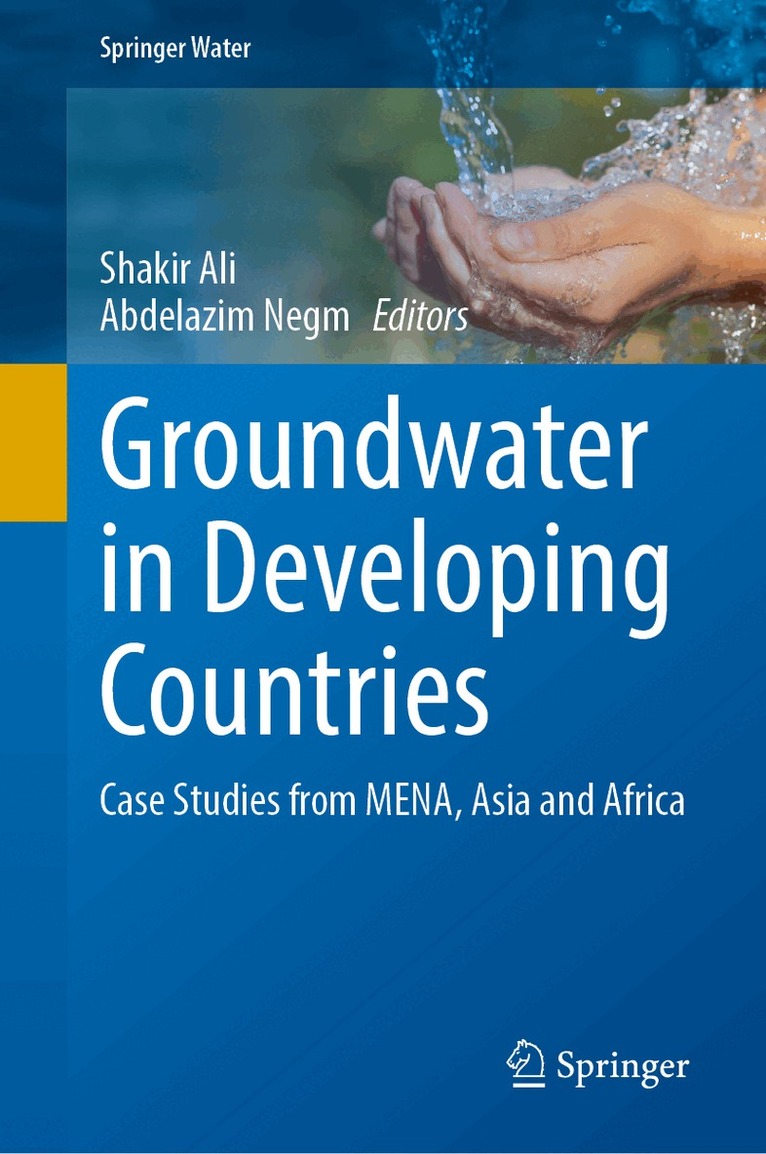
This book provides comprehensive studies from Middle East, African countries and Asia including Afghanistan, Algeria, Egypt, India, Iraq, Kyrgyzstan, Tunisia and Turkey on groundwater management, modelling and monitoring. A broad approach such as modelling, artificial intelligence, machine learning, and statistical models was applied in arid and semi-arid areas for management of the groundwater. These new approaches are currently in high demand. The book delves into the applications of these methods and will be a potential asset to the researchers worldwide. The book is a timely publication containing chapters based on primary data or/and extensive review chapters comprising new emerging techniques. Current high-demand research on management through the application of modelling, artificial intelligence and machine learning is the main selling point of this book.
1 082 kr
Skickas inom 10-15 vardagar
Advances in Ring Theory and Applications
WARA22, Messina, Italy, July 18–20, 2022
2 373 kr
Skickas inom 5-8 vardagar
3 046 kr
Läs direkt efter köp
Advances in Ring Theory and Applications
WARA22, Messina, Italy, July 18–20, 2022
2 373 kr
Skickas inom 10-15 vardagar
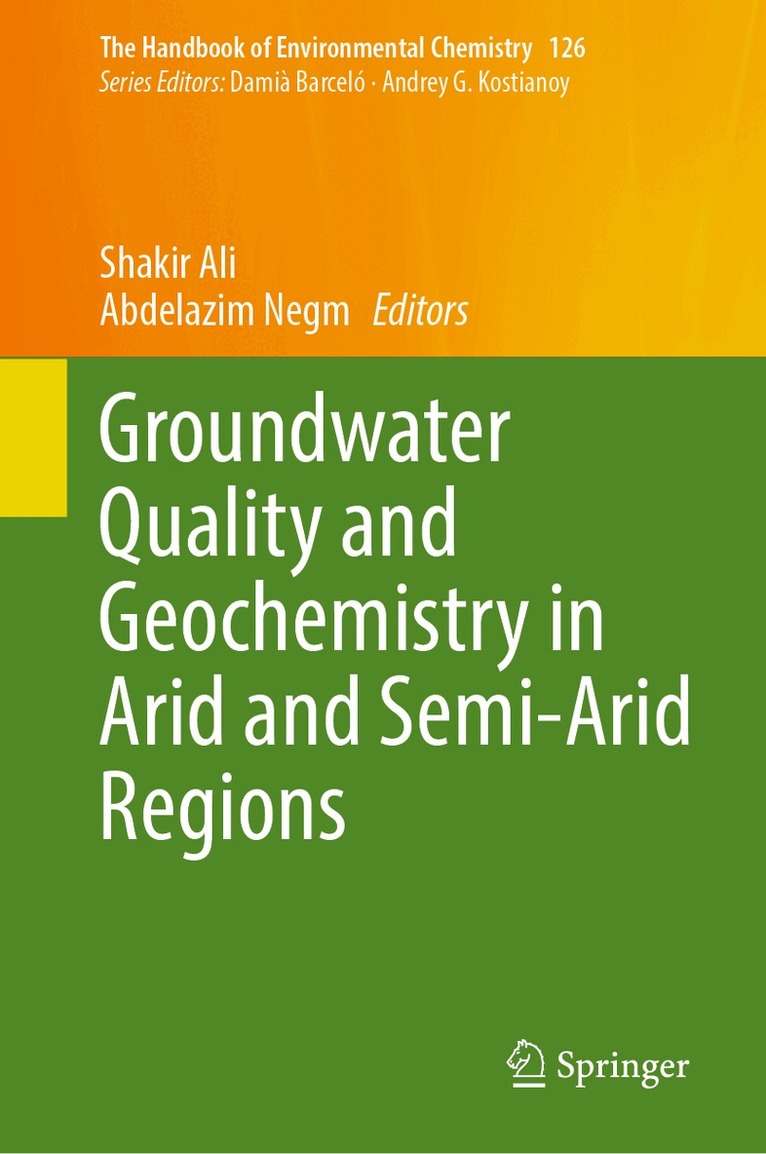
Groundwater Quality and Geochemistry in Arid and Semi-Arid Regions
3 233 kr
Skickas inom 10-15 vardagar
3 948 kr
Läs direkt efter köp
This book reviews groundwater quality and its major global contaminants, and collects the latest advances in the analysis, remediation, risk assessment, and hydrogeochemistry of groundwater in countries such as Algeria, Egypt, Ghana, Kazakhstan, Morocco, Saudi Arabia, and the USA. This book mainly focuses on the major arid and semi-arid areas where groundwater is scarce and highly polluted with geogenic and anthropogenic contaminants and the recharge to the groundwater is negligible due to limited rainfall.
Divided into 2 parts, the book starts by covering topics like assessment and protection of groundwater in arid and semi-arid regions, groundwater pollution, and contamination risk assessment. Particular attention is given to the application of environmental isotopes in groundwater studies and how anthropogenic activities impact groundwater quality, the impact of irrigation reservoirs in groundwater and soil quality, and how artificial intelligence is applied to forecast groundwater quality. In the second part of this book, readers will find more about the major global contaminants of groundwater in arid and semi-arid areas, including a geochemical analysis of fluoride and nitrate contamination.
Supported by regional case studies, this book appeals to researchers, scholars, and professionals working in the field of groundwater contamination and remediation and is also an important account for policymakers.
1 835 kr
Skickas inom 5-8 vardagar
2 366 kr
Läs direkt efter köp
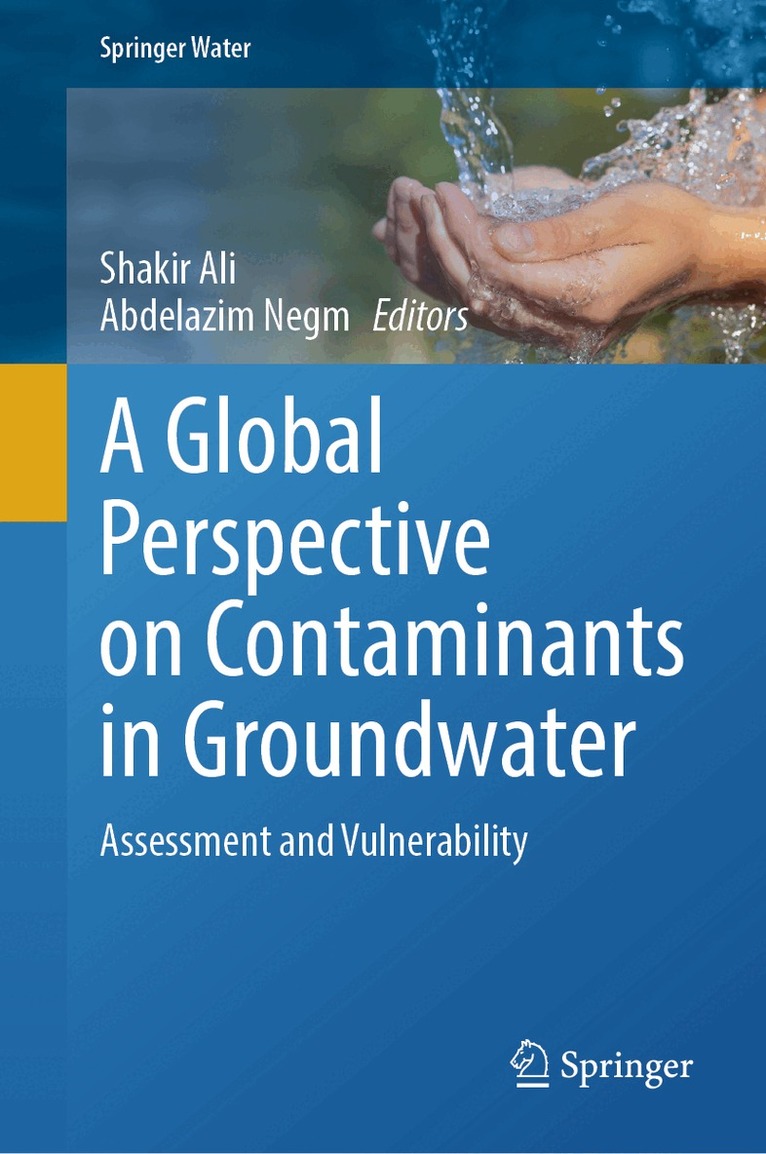
This book comprehensively discusses different scientific approaches, including groundwater sustainability, numerical modeling, index approach, isotope hydrology, environmental Isotopes, and advanced GRACE satellite data from different regions in developing countries globally, to help understand the groundwater system for strategic management of freshwater resources. This would help estimate an accepted logistic framework that might help control, and evaluate the significance of predicted climatic and anthropogenic impacts on groundwater resources.
The book presents and discusses unique case studies from Asia (Turkey, Afghanistan, and Kyrgyzstan), MENA (Middle East and North Africa), particularly focussing on Algeria, Egypt New Delta, and KSA and West Africa (Nigeria) and has chapters covering most of the other MENA countries. The book presents a comprehensive investigation of the methods employed for groundwater utilization, with a dual focus on elucidating existing issues and confronting contemporary challenges. The findings are significant as they provide a deeper understanding of the complex issues surrounding groundwater utilization. Approaches for enhancing and rationalizing water extraction from Saharan aquifers are discussed to promote regional advancement and preserve long-term sustainability. The book will be of great help to numerous researchers and academicians, and will be an important account for stakeholders.
1 835 kr
Skickas inom 10-15 vardagar
1 728 kr
Skickas inom 10-15 vardagar
2 207 kr
Läs direkt efter köp
712 kr
Läs direkt efter köp
545 kr
Skickas inom 10-15 vardagar
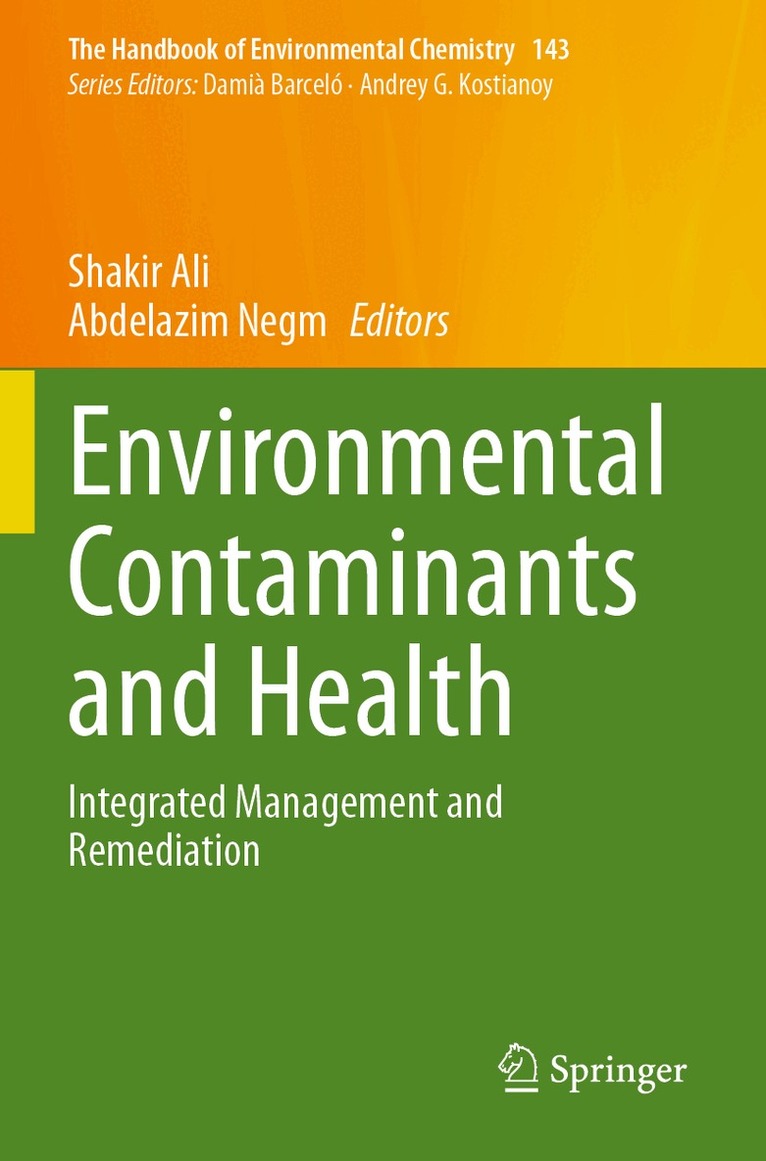
Environmental Contaminants and Health
Integrated Management and Remediation
2 222 kr
Skickas inom 10-15 vardagar
2 925 kr
Läs direkt efter köp
1 779 kr
Skickas inom 10-15 vardagar
2 273 kr
Läs direkt efter köp
3 233 kr
Skickas inom 10-15 vardagar
3 948 kr
Läs direkt efter köp
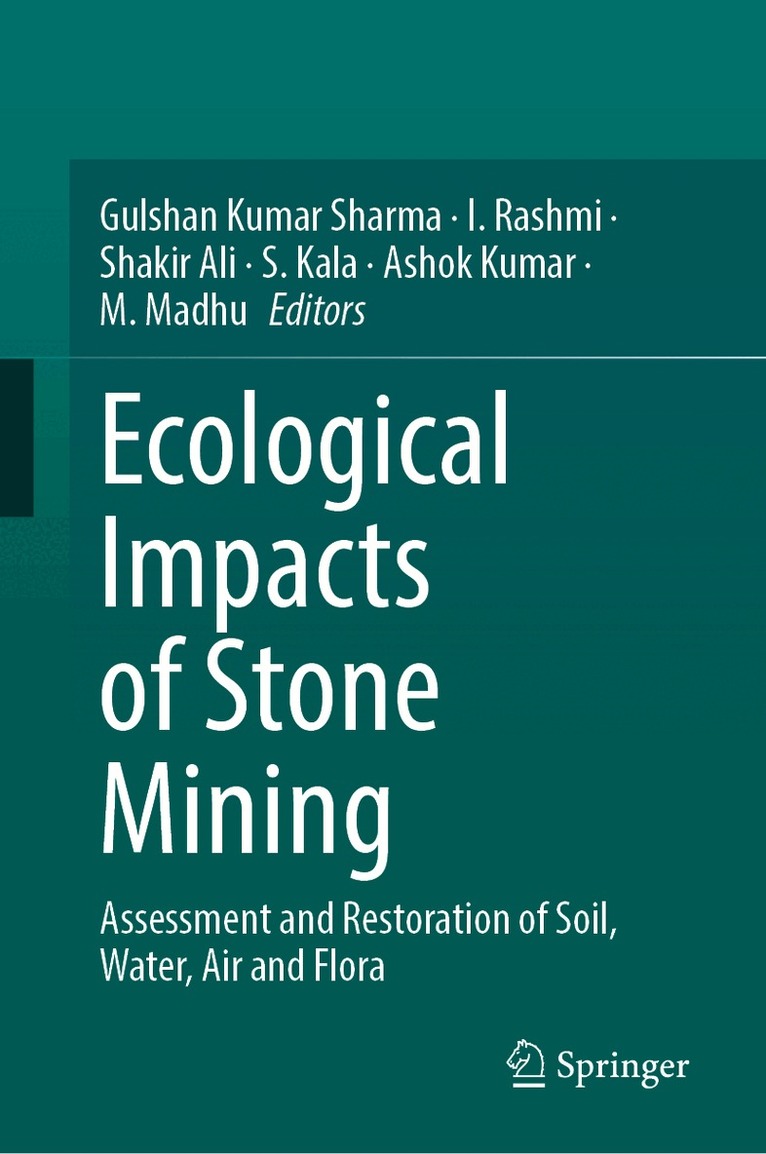
This edited book covers the impact of stone mining activities on soil, water, air, agriculture, vegetation, and policy aspects. It provides information on rehabilitation and restoration measures for stone mine spoil areas and other associated adverse impacts on human health caused by mining activities. Additionally, the book covers information related to the impact of stone mining on the socio-economic conditions of mining area inhabitants and appropriate government policies and support to meet the United Nations Sustainable Development Goals-15.3 (SDG-15.3) for degraded stone mine spoil sites toward Land Degradation Neutrality (LDN).
The dumping of stone mine waste has many negative implications for the environment, soil, and natural resources. Although stone mining is the main source of livelihood for millions of people around the world and plays a crucial role in the economic development of many countries, it was estimated that nearly 4 million people die every year, especially in developing countries, due to environmental pollution from quarrying, sandblasting, and the emission of toxic gases. Mining leads to land degradation by the stacking of mine waste, loss of fertile topsoil and vegetation covers, abstraction and deterioration of the natural drainage system, deforestation, groundwater depletion, loss of plant and aquatic biodiversity, and public health issues.
The book covers information about all aspects of dimensional stone mining activity and is a useful read for researchers, planners, capacity builders, scientists, and policymakers for achieving SDG 15.3. It would also be helpful for undergraduate and graduate students of agriculture, forestry, ecology, soil science, and environmental science disciplines.