Stefan Esders – författare
Visar alla böcker från författaren Stefan Esders. Handla med fri frakt och snabb leverans.
16 produkter
Using and Not Using the Past after the Carolingian Empire
c. 900–c.1050
Av Sarah Greer, Alice Hicklin m. fl.
Inbunden, 2019
2596 kr
Lägg i varukorg
Using and Not Using the Past after the Carolingian Empire offers a new take on European history from c.900 to c.1050, examining the ‘post-Carolingian’ period in its own right and presenting it as a time of creative experimentation with new forms of authority and legitimacy.In the late eighth …
Using and Not Using the Past after the Carolingian Empire
c. 900–c.1050
Av Sarah Greer, Alice Hicklin m. fl.
Häftad, 2019
760 kr
Lägg i varukorg
Using and Not Using the Past after the Carolingian Empire offers a new take on European history from c.900 to c.1050, examining the ‘post-Carolingian’ period in its own right and presenting it as a time of creative experimentation with new forms of authority and legitimacy.In the late eighth …
Using and Not Using the Past after the Carolingian Empire
c. 900-c.1050
Av Stefan Esders, Alice Hicklin m. fl.
E-bok, 2019
866 kr
Lägg i varukorg
Using and Not Using the Past after the Carolingian Empire offers a new take on European history from c.900 to c.1050, examining the ‘post-Carolingian’ period in its own right and presenting it as a time of creative experimentation with new forms of authority and legitimacy. In the late eighth …
Using and Not Using the Past after the Carolingian Empire
c. 900-c.1050
Av Stefan Esders, Alice Hicklin m. fl.
E-bok, 2019
847 kr
Lägg i varukorg
Using and Not Using the Past after the Carolingian Empire offers a new take on European history from c.900 to c.1050, examining the ‘post-Carolingian’ period in its own right and presenting it as a time of creative experimentation with new forms of authority and legitimacy. In the late eighth …
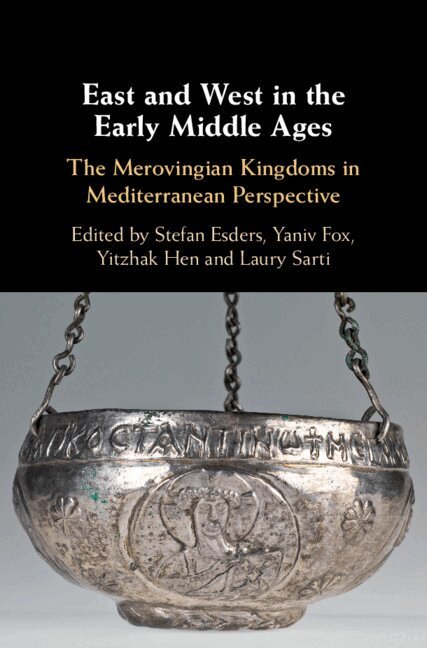
East and West in the Early Middle Ages
Av Stefan Esders, Yaniv Fox m. fl.
Häftad, 2024
435 kr
Lägg i varukorg
From their crystallisation in the late fifth century to their ultimate decline in the eighth, the Merovingian kingdoms were a product of a vibrant Mediterranean society with both a cultural past and a dynamic and ongoing dialogue between the member communities. By bringing together the scholarship …
East and West in the Early Middle Ages
Av Stefan Esders, Yaniv Fox m. fl.
Inbunden, 2019
1962 kr
Lägg i varukorg
From their crystallisation in the late fifth century to their ultimate decline in the eighth, the Merovingian kingdoms were a product of a vibrant Mediterranean society with both a cultural past and a dynamic and ongoing dialogue between the member communities. By bringing together the scholarship …
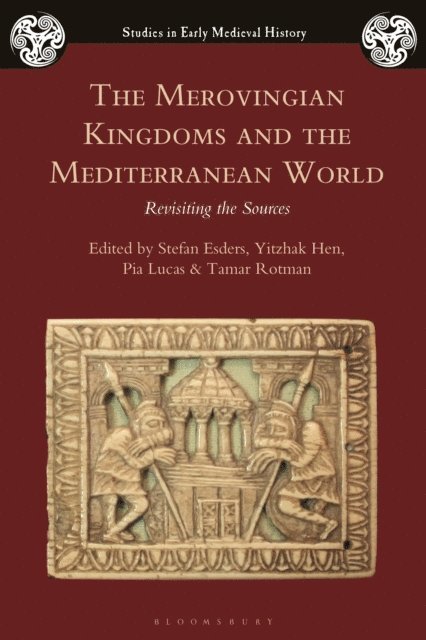
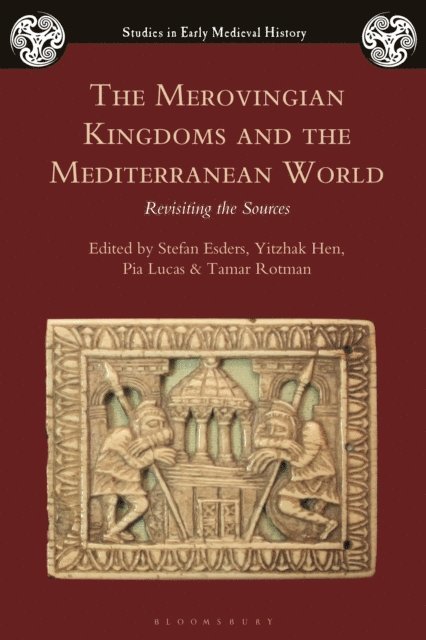
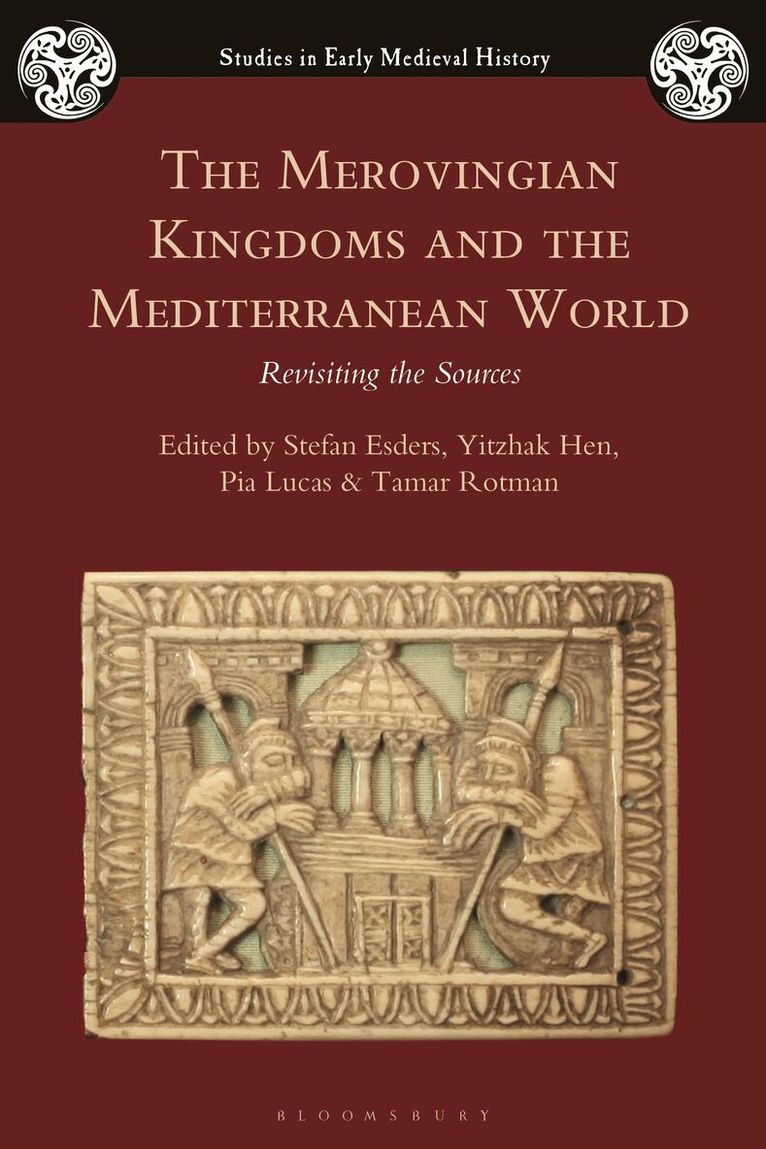
Merovingian Kingdoms and the Mediterranean World
Revisiting the Sources
Av Stefan Esders, Yitzhak Hen m. fl.
Inbunden, 2019
1759 kr
Lägg i varukorg
This book explores the Merovingian kingdoms in Gaul within a broader Mediterranean context. Their politics and culture have mostly been interpreted in the past through a narrow local perspective, but as the papers in this volume clearly demonstrate, the Merovingian kingdoms had complicated and …
Merovingian Kingdoms and the Mediterranean World
Revisiting the Sources
Av Stefan Esders, Yitzhak Hen m. fl.
E-bok, 2019
482 kr
Lägg i varukorg
This book explores the Merovingian kingdoms in Gaul within a broader Mediterranean context. Their politics and culture have mostly been interpreted in the past through a narrow local perspective, but as the papers in this volume clearly demonstrate, the Merovingian kingdoms had complicated and …
Merovingian Kingdoms and the Mediterranean World
Revisiting the Sources
Av Stefan Esders, Yitzhak Hen m. fl.
E-bok, 2019
482 kr
Lägg i varukorg
This book explores the Merovingian kingdoms in Gaul within a broader Mediterranean context. Their politics and culture have mostly been interpreted in the past through a narrow local perspective, but as the papers in this volume clearly demonstrate, the Merovingian kingdoms had complicated and …
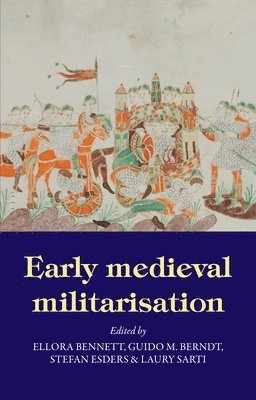
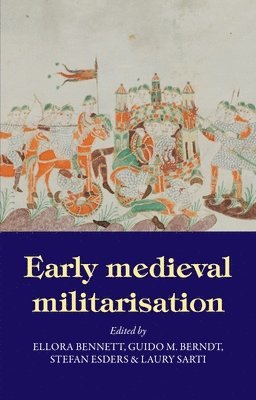
Early Medieval Militarisation
Av Ellora Bennett, Guido M. Berndt m. fl.
Häftad, 2023
374 kr
Lägg i varukorg
The societies of ancient Europe underwent a continual process of militarisation, and this would come to be a defining characteristic of the early Middle Ages. The process was neither linear nor mono-causal, but it affected society as a whole, encompassing features like the lack of demarcation …
Merovingian Kingdoms and the Mediterranean World
Revisiting the Sources
Av Stefan Esders, Yitzhak Hen m. fl.
Häftad, 2022
445 kr
Lägg i varukorg
This book explores the Merovingian kingdoms in Gaul within a broader Mediterranean context. Their politics and culture have mostly been interpreted in the past through a narrow local perspective, but as the papers in this volume clearly demonstrate, the Merovingian kingdoms had complicated and …
Verwaltete Treue
Ein Verzeichnis Vereidigter Personen Aus Dem Norden Des "Regnum Italiae" Zur Zeit Ludwigs II.
Av Stefan Esders, Massimiliano Bassetti m. fl.
Inbunden, 2024
2193 kr
Lägg i varukorg
Kollision und Interferenz normativer Ordnungen im frühen und hohen Mittelalter
Av Stefan Esders, Karl Ubl m. fl.
Inbunden, 2026
713 kr
Lägg i varukorg
Early Medieval Militarisation
Av Ellora Bennett, Guido M. Berndt m. fl.
Inbunden, 2021
1337 kr
Tillfälligt slut
The societies of ancient Europe underwent a continual process of militarisation, and this would come to be a defining characteristic of the early Middle Ages. The process was neither linear nor mono-causal, but it affected society as a whole, encompassing features like the lack of demarcation …