Suvardhan Kanchi – författare
2 250 kr
Skickas inom 10-15 vardagar
Green Sustainable Process for Chemical and Environmental Engineering and Science: Ionic Liquids as Green Solvents discusses the application of ionic liquids as environment-friendly solvents in the extraction, separation and purification of organic and inorganic compounds, as reaction media in biochemical and chemical reactions and catalysis, and in green organic and drug syntheses. It covers various industrial applications, from polymer synthesis, to biodiesel and lubrication, paint and pigments, water softening and dry-cleaning, ore refining, the nuclear industry, aerogels, fuel cells, and more. Specific sections cover hydrogenation, oxidation, hydroformylation, acylation, acetylation, dimerization, oligomerization, photochemical and cleavage of ethers reactions.
The book's main emphasis lies in the extraction and separation of biomolecules, vitamins, proteins, enzymes, and DNA using ionic liquids as green solvents. High-performance thin layer chromatography and gas chromatography are also discussed.
Presents ionic liquids as an alternative to conventional solvents Covers organic and drug synthesis using ionic liquids as a solvent Outlines industrial product development using ionic liquid as a solvent Includes methods for separation, purification and extraction of biomolecules Outlines the use of ionic liquids in water, energy and environmental applications3 204 kr
Läs direkt efter köp
2 250 kr
Skickas inom 10-15 vardagar
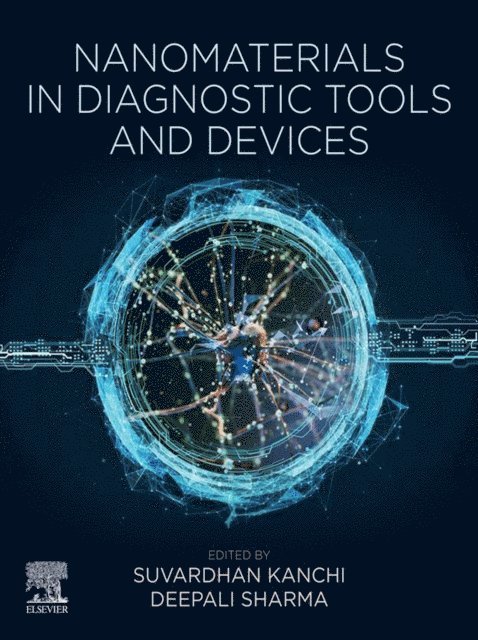
Nanomaterials in Diagnostic Tools and Devices provides a complete overview of the significance of nanomaterials in fabricating selective and performance enhanced nanodevices. It is an interdisciplinary reference that includes contributing subjects from nanomaterials, biosensors, materials science, biomedical instrumentation and medicinal chemistry. This book is authored by experts in the field of nanomaterial synthesis, modeling, and biosensor applications, and provides insight to readers working in various science fields on the latest advancements in smart and miniaturized nanodevices. These devices enable convenient real-time diagnosis of diseases at clinics rather than laboratories, and include implantable devices that cause less irritation and have improved functionality.
Research in the field of nanomaterials is growing rapidly, creating a significant impact across different science disciplines and nanotechnology industries. This synthesis and modeling of nanomaterials has led to many technology breakthroughs and applications, especially in medical science.
Provides a distinctive platform for the latest trends in the synthesis of smart nanomaterials for nanodevices in disease diagnostics Presents a broad range of advancements and applications of lateral-flow nanostrip for point-of-care applications Examines smart-phone based nanodevices for field-based diagnosis with accurate information Comprises more than 70 figures and illustrations that will help readers visualize and easily understand the role of nanodevices in the field of nanomedicine Serves as an ideal reference for those studying smart nanomaterials, biosensors, and nanodevices for real-time and in-situ clinical diagnosis and drug delivery3 204 kr
Läs direkt efter köp
2 125 kr
Skickas inom 10-15 vardagar
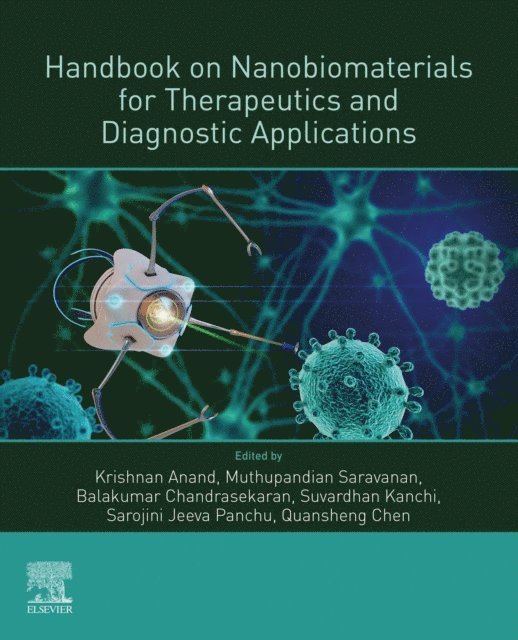
Handbook of Nano-biomaterials for Therapeutics and Diagnostic Applications covers in-depth topics on nano-biomaterials and nano drug delivery systems (biosensors and bioimaging) involving polymer nanocomposites, metal nanocomposites, and other carbon family fibers and proteins. The book covers the current application of tiny machines or nanodevices and their use as early detection systems for life threatening diseases, giving detailed literature on the development of nanodevices, their use as diagnostic tools, and their present trend in the industry and market. In addition, their synthesis, potential applications and future of smart nanodevices in diagnosis of diseases and their use as smart clinical devices is covered.
Users will find sections on recent advances in interdisciplinary research on the processing, morphology, structure and properties of nanostructured materials and their applications in drug delivery for various diseases such as cancer, tuberculosis, Alzheimer disease, ophthalmic diseases, and more.
Offers a comprehensive coverage of the therapeutics and smart nanodevices as diagnostic tools and their potential clinical applications in biosensing and bioimaging Includes a glimpse into the nano-biomaterials that are essential components in nanomedicines Describes nanodevices in the early diagnosis of the diseases Explains the nano-drug delivery system for the treatment of various diseases, including cancer, tuberculosis, Alzheimer disease, and ophthalmic diseases Encompasses all information, starting from the design of nano-biomaterials to their applications in theranostics3 026 kr
Läs direkt efter köp
1 742 kr
Skickas inom 10-15 vardagar
3 983 kr
Skickas inom 10-15 vardagar
1 950 kr
Läs direkt efter köp
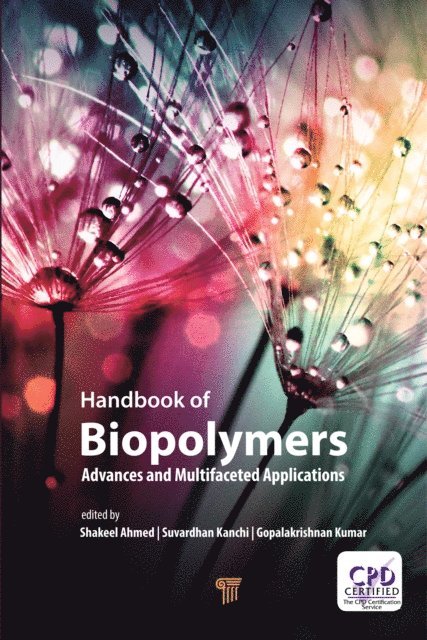
Biopolymers have the potential to cut carbon emissions and reduce carbon dioxide in the atmosphere. The carbon dioxide released when they degrade can be reabsorbed by plants, which makes them close to carbon neutral. Biopolymers are biodegradable and some are compostable, too. This book presents key topics on biopolymers, including their synthesis, characterization, and physiochemical properties, and discusses their applications in key areas such as biomedicine, agriculture, and environmental engineering. It will serve as an in-depth reference for the biopolymer industry—material suppliers and processors, producers, and fabricators—and engineers and scientists who are designing biopolymers or evaluating options for switching from traditional plastics to biopolymers.
1 882 kr
Läs direkt efter köp
Biopolymers have the potential to cut carbon emissions and reduce carbon dioxide in the atmosphere. The carbon dioxide released when they degrade can be reabsorbed by plants, which makes them close to carbon neutral. Biopolymers are biodegradable and some are compostable, too. This book presents key topics on biopolymers, including their synthesis, characterization, and physiochemical properties, and discusses their applications in key areas such as biomedicine, agriculture, and environmental engineering. It will serve as an in-depth reference for the biopolymer industry—material suppliers and processors, producers, and fabricators—and engineers and scientists who are designing biopolymers or evaluating options for switching from traditional plastics to biopolymers.
1 947 kr
Läs direkt efter köp
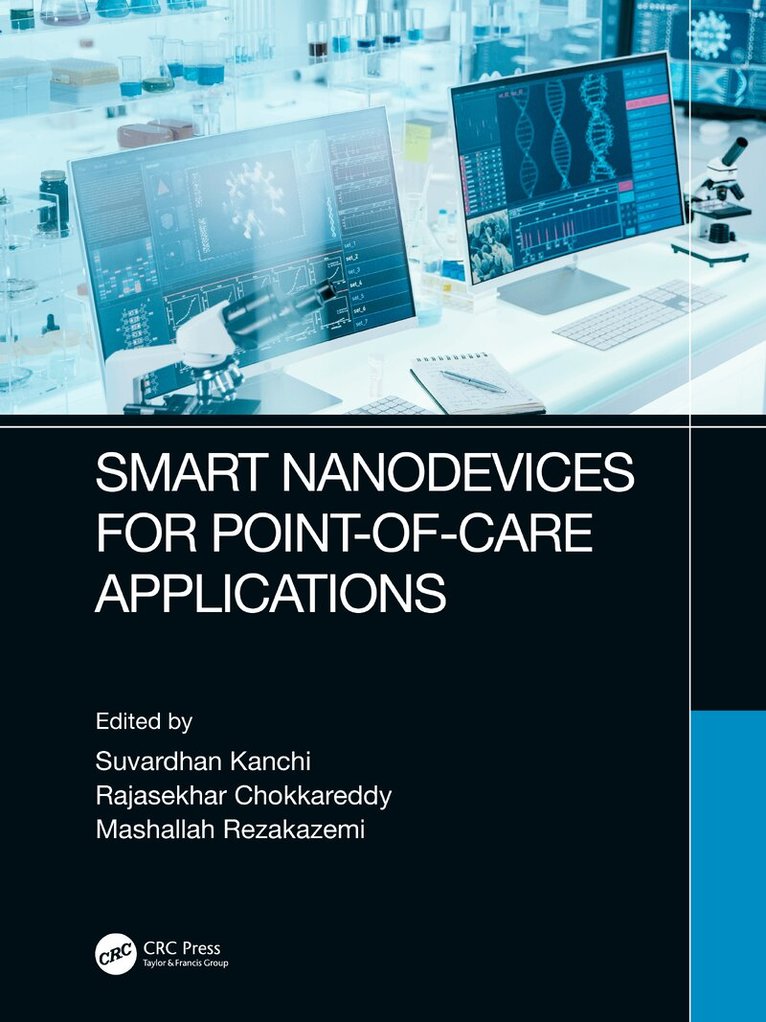
Smart Nanodevices for Point-of-Care Applications examines the latest trends on the capabilities of nanomaterials for point-of-care (PoC) diagnostics and explains how these materials can help to strengthen, miniaturize, and improve the quality of diagnostic devices. A thorough explanation of all-in-one nanosmart devices is included, incorporating all of the applications and fundamentals of these smart devices.
This book provides practical information on the following: novel and effective smart materials, better-quality health management, effective management of a disease, potential point-of-care devices, and mobile nanosensors.
Additional Features
Includes in-depth research based collation of the latest trends of smart devices Provides practical information on all-in-one nanosmart devices Explains how nanomaterials can help to strengthen and improve the quality of diagnostic devices Emphasizes the development of smart nanodevices, especially the miniaturization aspect
2 018 kr
Läs direkt efter köp
Smart Nanodevices for Point-of-Care Applications examines the latest trends on the capabilities of nanomaterials for point-of-care (PoC) diagnostics and explains how these materials can help to strengthen, miniaturize, and improve the quality of diagnostic devices. A thorough explanation of all-in-one nanosmart devices is included, incorporating all of the applications and fundamentals of these smart devices.
This book provides practical information on the following: novel and effective smart materials, better-quality health management, effective management of a disease, potential point-of-care devices, and mobile nanosensors.
Additional Features
Includes in-depth research based collation of the latest trends of smart devices Provides practical information on all-in-one nanosmart devices Explains how nanomaterials can help to strengthen and improve the quality of diagnostic devices Emphasizes the development of smart nanodevices, especially the miniaturization aspect
2 615 kr
Skickas inom 5-8 vardagar
3 101 kr
Läs direkt efter köp
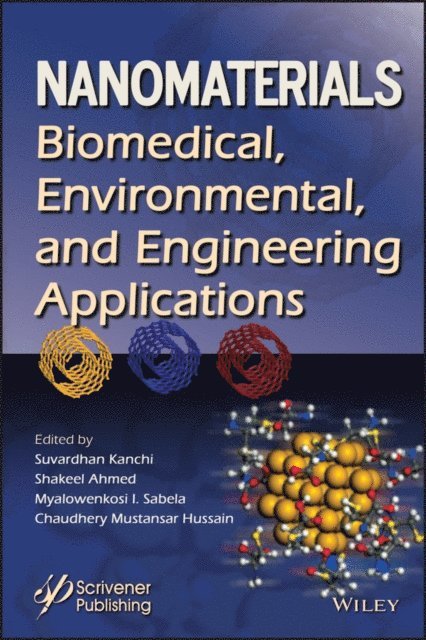
The evolution in the nanotechnology world clearly signifies a need for a broader understanding of the subject and this book will contribute to the effort.
Nanostructure science and technology is a broad and interdisciplinary area of research and development that has been growing explosively in the past decades. The contents of this book include mainly the fundamentals of nanoparticles, state-of-the-art in synthesis and characterization of nanomaterials, as well the influence of nanomaterials on the analytical systems (macro to micro & lab-on-a-chip) for biomedical, environmental and engineering applications.
This book seeks to broaden the understanding of modern developments in nanomaterials and comprises excellent contributions from subject matter experts working on most aspects of nanomaterials and nanotechnology.
2 992 kr
Läs direkt efter köp
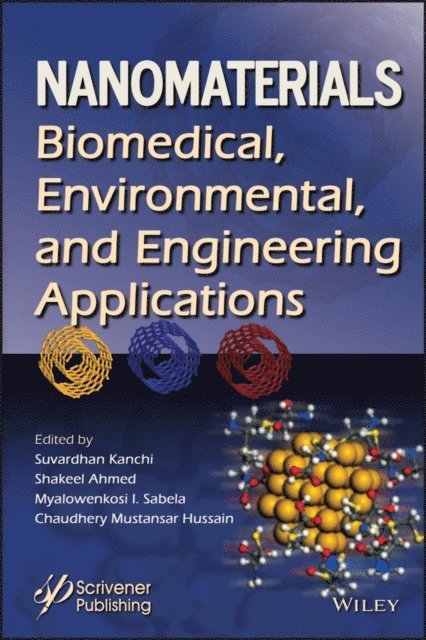
The evolution in the nanotechnology world clearly signifies a need for a broader understanding of the subject and this book will contribute to the effort.
Nanostructure science and technology is a broad and interdisciplinary area of research and development that has been growing explosively in the past decades. The contents of this book include mainly the fundamentals of nanoparticles, state-of-the-art in synthesis and characterization of nanomaterials, as well the influence of nanomaterials on the analytical systems (macro to micro & lab-on-a-chip) for biomedical, environmental and engineering applications.
This book seeks to broaden the understanding of modern developments in nanomaterials and comprises excellent contributions from subject matter experts working on most aspects of nanomaterials and nanotechnology.
3 106 kr
Skickas inom 5-8 vardagar
3 572 kr
Läs direkt efter köp
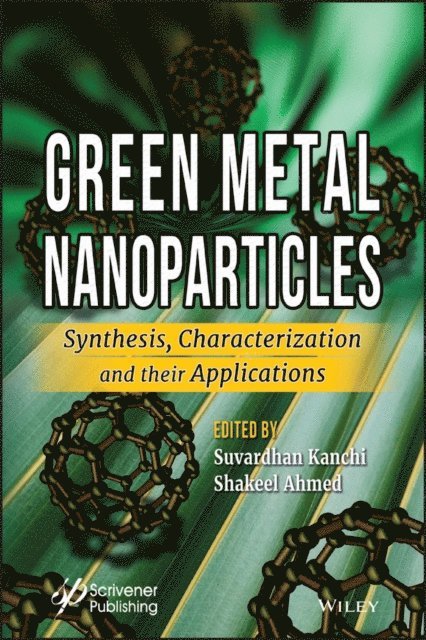
This groundbreaking book uniquely focuses on the exploration of the green synthesis of metal nanoparticles and their characterization and applications.
Metal nanoparticles are the basic elements of nanotechnology as they are the primary source used in the design of nanostructured devices and materials. Nanomaterials can be manufactured either incidentally, with physical or chemical methods, or naturally; and the high demand for them has led to their large-scale production by various toxic solvents or high energy techniques. However, due to the growing awareness of environmental and safety issues, the use of clean, nontoxic and environment-friendly ways to synthesize metal nanoparticles has emerged out of necessity. The use of biological resources, such as microbes, plant parts, vegetable wastes, agricultural wastes, gums, etc., has grown to become an alternative way of synthesizing metal nanoparticles. This biogenic synthesis is green, environmentally friendly, cost-effective, and nontoxic.
The current multi-authored book includes recent information and builds a database of bioreducing agents for various metal nanoparticles using different precursor systems. Green Metal Nanoparticles also highlights different simple, cost-effective, environment-friendly and easily scalable strategies, and includes parameters for controlling the size and shape of the materials developed from the various greener methods.
3 702 kr
Läs direkt efter köp
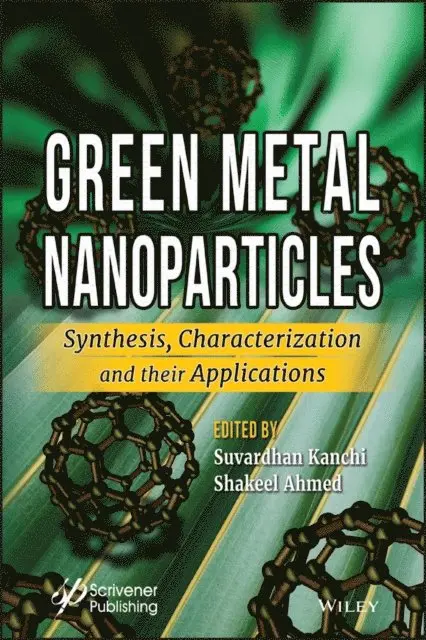
This groundbreaking book uniquely focuses on the exploration of the green synthesis of metal nanoparticles and their characterization and applications.
Metal nanoparticles are the basic elements of nanotechnology as they are the primary source used in the design of nanostructured devices and materials. Nanomaterials can be manufactured either incidentally, with physical or chemical methods, or naturally; and the high demand for them has led to their large-scale production by various toxic solvents or high energy techniques. However, due to the growing awareness of environmental and safety issues, the use of clean, nontoxic and environment-friendly ways to synthesize metal nanoparticles has emerged out of necessity. The use of biological resources, such as microbes, plant parts, vegetable wastes, agricultural wastes, gums, etc., has grown to become an alternative way of synthesizing metal nanoparticles. This biogenic synthesis is green, environmentally friendly, cost-effective, and nontoxic.
The current multi-authored book includes recent information and builds a database of bioreducing agents for various metal nanoparticles using different precursor systems. Green Metal Nanoparticles also highlights different simple, cost-effective, environment-friendly and easily scalable strategies, and includes parameters for controlling the size and shape of the materials developed from the various greener methods.
2 255 kr
Läs direkt efter köp
Advanced bionanocomposite materials continue to be increasingly popular and are important for a wide range of scientific and engineering applications. In the race to exploit the unique mechanical, thermal, and electrical properties of bionanocomposite materials, researchers need to address new challenges in predicting, understanding, and managing the potentially adverse effects these materials could have on the environment and human life.
This book focuses on the fundamentals of bionanostructured materials and bionanocomposites. It deals with some recent developments in the synthesis and characterization of bionanomaterials as well as their incorporation into polymer matrixes. The biological applications of bionanomaterials are also discussed in detail, along with the synthesis of bionanostructured materials and bionanocomposites, reviews of food packing, water remediation, heavy metal ion adsorption from wastewaters, and other industrial applications. This book is aimed at beginners in this field as well as advanced undergraduate- and graduate-level students of materials science and researchers working in the fields of bionanocomposites, nanotechnology, and analytical chemistry, especially those with an interest in materials for analytical applications.
2 337 kr
Läs direkt efter köp
Advanced bionanocomposite materials continue to be increasingly popular and are important for a wide range of scientific and engineering applications. In the race to exploit the unique mechanical, thermal, and electrical properties of bionanocomposite materials, researchers need to address new challenges in predicting, understanding, and managing the potentially adverse effects these materials could have on the environment and human life.
This book focuses on the fundamentals of bionanostructured materials and bionanocomposites. It deals with some recent developments in the synthesis and characterization of bionanomaterials as well as their incorporation into polymer matrixes. The biological applications of bionanomaterials are also discussed in detail, along with the synthesis of bionanostructured materials and bionanocomposites, reviews of food packing, water remediation, heavy metal ion adsorption from wastewaters, and other industrial applications. This book is aimed at beginners in this field as well as advanced undergraduate- and graduate-level students of materials science and researchers working in the fields of bionanocomposites, nanotechnology, and analytical chemistry, especially those with an interest in materials for analytical applications.
2 322 kr
Läs direkt efter köp
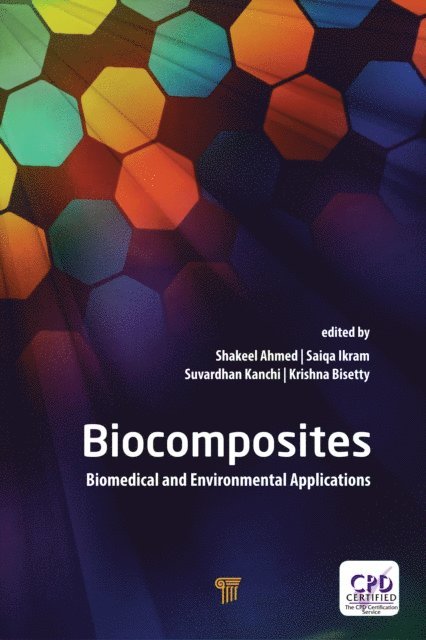
Biocomposites, formed by a matrix and a reinforcement of natural fibers, often mimic the structure of living materials and offer the strength of the matrix as well as biocompatibility. Being renewable, cheap, recyclable, and biodegradable, they have witnessed rapidly growing interest in terms of industrial and fundamental applications.
This book focuses on fiber-based composites applied to biomedical and environmental applications. It presents a comprehensive survey of biocomposites from the existing literature, paying particular attention to various biomedical and environmental applications. The text describes mechanical designs and manufacturing aspects of various fibrous polymer matrix composites and presents examples of the synthesis and development of bionanocomposites and their applications. The book is the first of its kind to present all these topics together unlike most other books on nano-/biocomposites that are generally limited to their fundamentals, different methods of synthesis, and applications.
2 407 kr
Läs direkt efter köp
Biocomposites, formed by a matrix and a reinforcement of natural fibers, often mimic the structure of living materials and offer the strength of the matrix as well as biocompatibility. Being renewable, cheap, recyclable, and biodegradable, they have witnessed rapidly growing interest in terms of industrial and fundamental applications.
This book focuses on fiber-based composites applied to biomedical and environmental applications. It presents a comprehensive survey of biocomposites from the existing literature, paying particular attention to various biomedical and environmental applications. The text describes mechanical designs and manufacturing aspects of various fibrous polymer matrix composites and presents examples of the synthesis and development of bionanocomposites and their applications. The book is the first of its kind to present all these topics together unlike most other books on nano-/biocomposites that are generally limited to their fundamentals, different methods of synthesis, and applications.
1 597 kr
Läs direkt efter köp
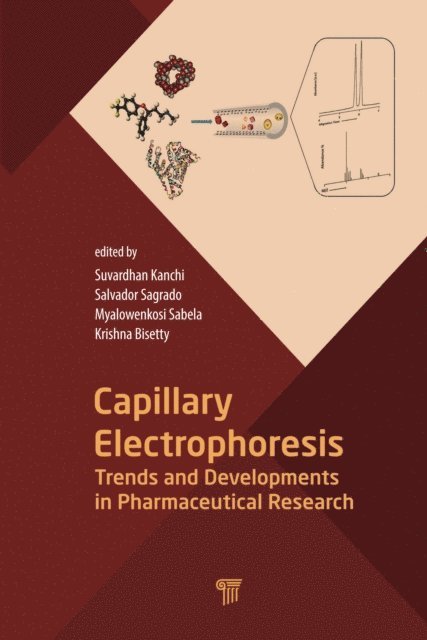
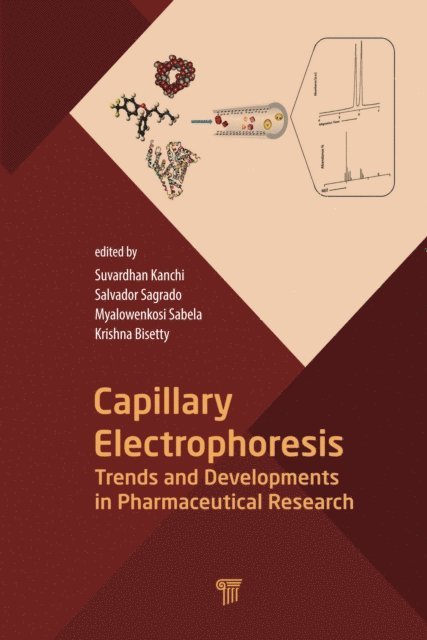
Capillary electrophoresis (CE) has become an established method with widespread recognition as an analytical technique of choice in numerous analytical laboratories, including industrial and academic sectors. Pharmaceutical and biochemical research and quality control are the most important CE applications. This book provides a comparative assessment of related techniques on mode selection, method development, detection, and quantitative analysis and estimation of pharmacokinetic parameters and broadens the understanding of modern CE applications, developments, and prospects. It introduces the fundamentals of CE and clearly outlines the procedures used to mitigate several barriers, such as detection limits, signal detection, changing capillary environment, resolution separation of analytes, and hyphenation of mass spectrometry with CE, for a range of analytical problems. Each chapter outlines a specific electrophoretic variant with detailed instructions and some standard operating procedures. In this respect, the book meets its desired goal of rendering assistance to lovers of electrophoresis.
1 597 kr
Läs direkt efter köp
Capillary electrophoresis (CE) has become an established method with widespread recognition as an analytical technique of choice in numerous analytical laboratories, including industrial and academic sectors. Pharmaceutical and biochemical research and quality control are the most important CE applications. This book provides a comparative assessment of related techniques on mode selection, method development, detection, and quantitative analysis and estimation of pharmacokinetic parameters and broadens the understanding of modern CE applications, developments, and prospects. It introduces the fundamentals of CE and clearly outlines the procedures used to mitigate several barriers, such as detection limits, signal detection, changing capillary environment, resolution separation of analytes, and hyphenation of mass spectrometry with CE, for a range of analytical problems. Each chapter outlines a specific electrophoretic variant with detailed instructions and some standard operating procedures. In this respect, the book meets its desired goal of rendering assistance to lovers of electrophoresis.
2 493 kr
Skickas inom 5-8 vardagar
3 079 kr
Läs direkt efter köp
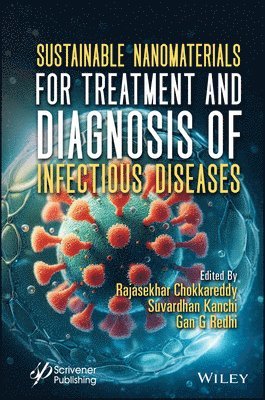
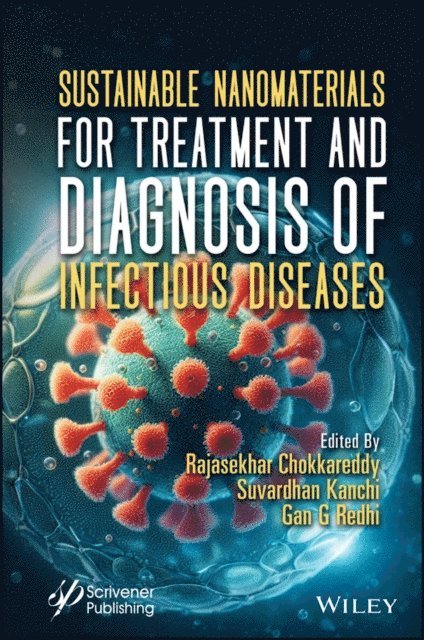
The book focuses on the design and novel synthetic routes of sustainable nanomaterials in diagnosing and treating infectious diseases offering potential benefits in terms of efficiency, biocompatibility, and environmental impact.
The fifteen chapters in this book provide a comprehensive exploration of how sustainable nanotechnology can revolutionize infectious disease management and bridge the gap between the fundamental principles of nanotechnology and their practical applications in combating infectious diseases. Subjects covered include: the rise of multidrug-resistant pathogens and the limitations of existing therapies; the challenges of infectious disease management including the rise of multidrug-resistant pathogens and the limitations of existing therapies; nano-pharmacology and pharmacotherapeutics in the treatment of infectious diseases; the advancements in nanomaterial-based drug delivery systems, vaccines, and diagnostic tools, and the future of personalized medicine; nanotheranostic mechanisms outlining how nanomaterials can be engineered to simultaneously diagnose and treat infections; nano drug delivery systems that contribute to enhancing the efficacy and precision of treatment modalities; biocompatibility and toxicity of nanomaterials in the diagnosis and treatment of infectious diseases; regulatory perspectives of nanomaterials ensuring they meet safety and efficacy standards; green synthesis of reduced graphene oxide, carbon dots, and its composites for infectious diseases and biosurfactants; nanomaterials of polymeric design underscoring their potential to create more effective and sustainable therapeutic options; how nanomaterials can be engineered to simultaneously diagnose and treat infections.
Audience
The book targets nanotechnology researchers, scientists, and healthcare professionals interested in understanding nanotechnology’s critical role in sustainable healthcare solutions.
2 971 kr
Läs direkt efter köp
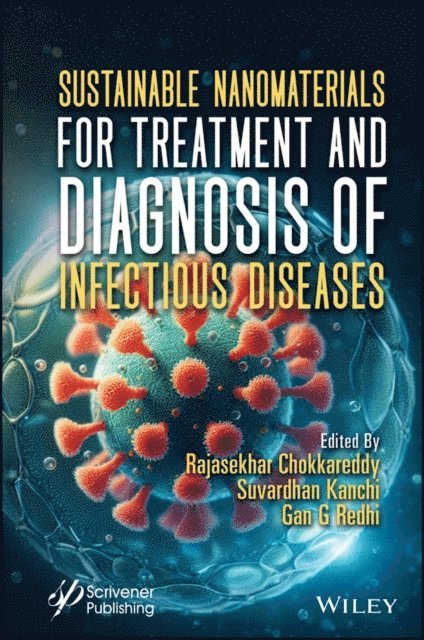
The book focuses on the design and novel synthetic routes of sustainable nanomaterials in diagnosing and treating infectious diseases offering potential benefits in terms of efficiency, biocompatibility, and environmental impact.
The fifteen chapters in this book provide a comprehensive exploration of how sustainable nanotechnology can revolutionize infectious disease management and bridge the gap between the fundamental principles of nanotechnology and their practical applications in combating infectious diseases. Subjects covered include: the rise of multidrug-resistant pathogens and the limitations of existing therapies; the challenges of infectious disease management including the rise of multidrug-resistant pathogens and the limitations of existing therapies; nano-pharmacology and pharmacotherapeutics in the treatment of infectious diseases; the advancements in nanomaterial-based drug delivery systems, vaccines, and diagnostic tools, and the future of personalized medicine; nanotheranostic mechanisms outlining how nanomaterials can be engineered to simultaneously diagnose and treat infections; nano drug delivery systems that contribute to enhancing the efficacy and precision of treatment modalities; biocompatibility and toxicity of nanomaterials in the diagnosis and treatment of infectious diseases; regulatory perspectives of nanomaterials ensuring they meet safety and efficacy standards; green synthesis of reduced graphene oxide, carbon dots, and its composites for infectious diseases and biosurfactants; nanomaterials of polymeric design underscoring their potential to create more effective and sustainable therapeutic options; how nanomaterials can be engineered to simultaneously diagnose and treat infections.
Audience
The book targets nanotechnology researchers, scientists, and healthcare professionals interested in understanding nanotechnology’s critical role in sustainable healthcare solutions.
2 493 kr
Skickas inom 5-8 vardagar
2 940 kr
Läs direkt efter köp
The book offers a thorough exploration of revolutionary nano-biosensor technologies that enables rapid, accurate detection of infectious diseases, critical for effective disease management in today’s world.
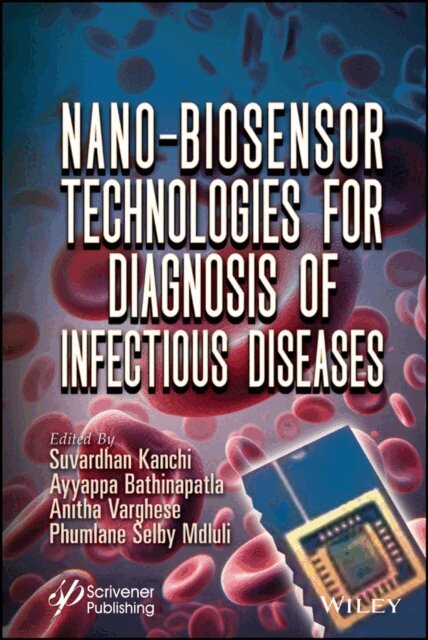
Nano-Biosensor Technologies for Diagnosis of Infectious Diseases delves into the cutting-edge developments in nano-biosensor technology, a transformative innovation for the field of medical diagnostics. Nano-biosensors integrate nanomaterials like nanoparticles, nanowires, and nanotubes with biological recognition elements such as antibodies, nucleic acids, or enzymes to create highly sensitive and specific detection systems. These sensors exploit unique properties of nanomaterials to detect minute quantities of pathogens or biomarkers with remarkable accuracy, enabling early diagnosis and monitoring of infectious diseases. The integration of electrochemical, optical, and piezoelectric detection mechanisms further enhances the versatility and efficiency of these nano-biosensors, allowing for rapid, real-time analysis that is crucial for effective disease management.
In the context of infectious diseases, nano-biosensors become particularly significant, as they can facilitate point-of-care testing (POCT), offering rapid and portable diagnostic solutions. This capability is invaluable in resource-limited settings and during outbreaks where traditional laboratory infrastructure may be lacking. The COVID-19 pandemic underscores the importance of swift and accurate diagnostic tools, spurring accelerated innovation and commercialization efforts in this domain. Nano-biosensors are now being developed and deployed to detect a wide range of pathogens with high sensitivity, providing a powerful tool in the global fight against infectious diseases. Nano-Biosensor Technologies for Diagnosis of Infectious Diseases provides a comprehensive overview of these technological advancements, exploring their applications, challenges, and future directions in the diagnosis and management of infectious diseases.
Audience
Biomedical engineers, material chemists, researchers, students, policymakers, and healthcare professionals interested in integrating nanomaterials in infectious disease care
3 046 kr
Läs direkt efter köp
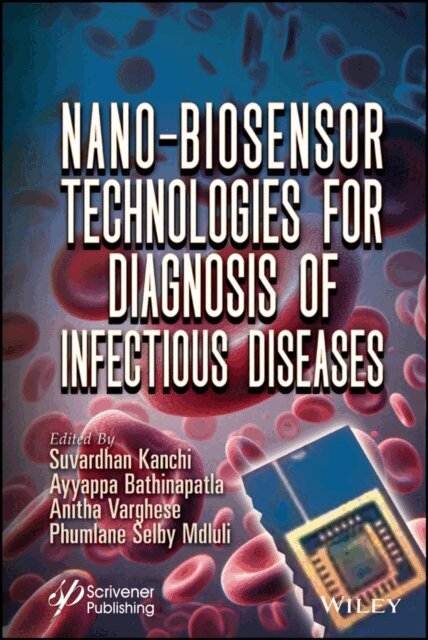
The book offers a thorough exploration of revolutionary nano-biosensor technologies that enables rapid, accurate detection of infectious diseases, critical for effective disease management in today’s world.
Nano-Biosensor Technologies for Diagnosis of Infectious Diseases delves into the cutting-edge developments in nano-biosensor technology, a transformative innovation for the field of medical diagnostics. Nano-biosensors integrate nanomaterials like nanoparticles, nanowires, and nanotubes with biological recognition elements such as antibodies, nucleic acids, or enzymes to create highly sensitive and specific detection systems. These sensors exploit unique properties of nanomaterials to detect minute quantities of pathogens or biomarkers with remarkable accuracy, enabling early diagnosis and monitoring of infectious diseases. The integration of electrochemical, optical, and piezoelectric detection mechanisms further enhances the versatility and efficiency of these nano-biosensors, allowing for rapid, real-time analysis that is crucial for effective disease management.
In the context of infectious diseases, nano-biosensors become particularly significant, as they can facilitate point-of-care testing (POCT), offering rapid and portable diagnostic solutions. This capability is invaluable in resource-limited settings and during outbreaks where traditional laboratory infrastructure may be lacking. The COVID-19 pandemic underscores the importance of swift and accurate diagnostic tools, spurring accelerated innovation and commercialization efforts in this domain. Nano-biosensors are now being developed and deployed to detect a wide range of pathogens with high sensitivity, providing a powerful tool in the global fight against infectious diseases. Nano-Biosensor Technologies for Diagnosis of Infectious Diseases provides a comprehensive overview of these technological advancements, exploring their applications, challenges, and future directions in the diagnosis and management of infectious diseases.
Audience
Biomedical engineers, material chemists, researchers, students, policymakers, and healthcare professionals interested in integrating nanomaterials in infectious disease care