Tessa DeLaquil – författare
Visar alla böcker från författaren . Handla med fri frakt och snabb leverans.
3 produkter
3 produkter
Häftad, Engelska, 2027
390 kr
Kommande
A concise introduction to the global forces transforming higher education in the twenty-first century.Higher education has never been more interconnected—or more consequential. Universities educate millions of students, drive scientific discovery, shape national economies, and foster collaboration across borders. At the same time, they face unprecedented pressures, from geopolitical conflict and technological change to shifting demographics, climate challenges, and growing demands for equitable access. Understanding these forces requires looking beyond any single institution or country.In International Higher Education, Philip G. Altbach, Tessa DeLaquil, and Hans de Wit examine the global forces transforming colleges and universities in the twenty-first century. With contributions from colleagues from the Center for International Higher Education at Boston College, they explore the expansion of higher education around the world, the rise of research universities and international collaboration, the impact of digital technologies and artificial intelligence, the changing landscape of student and faculty mobility, and the influence of organizations such as UNESCO, the OECD, and the World Bank. The authors also consider persistent inequalities between and within nations, the relationship between higher education and the global knowledge economy, and the challenges posed by political polarization, academic freedom, and international security.Written by the field's leading scholars, International Higher Education offers a concise, accessible introduction to the institutions, ideas, and global trends shaping contemporary higher education. An invaluable resource for students, researchers, university leaders, and policymakers, it provides the context needed to understand one of the world's most influential—and rapidly evolving—social institutions.
Del 47 - Global Perspectives on Higher Education
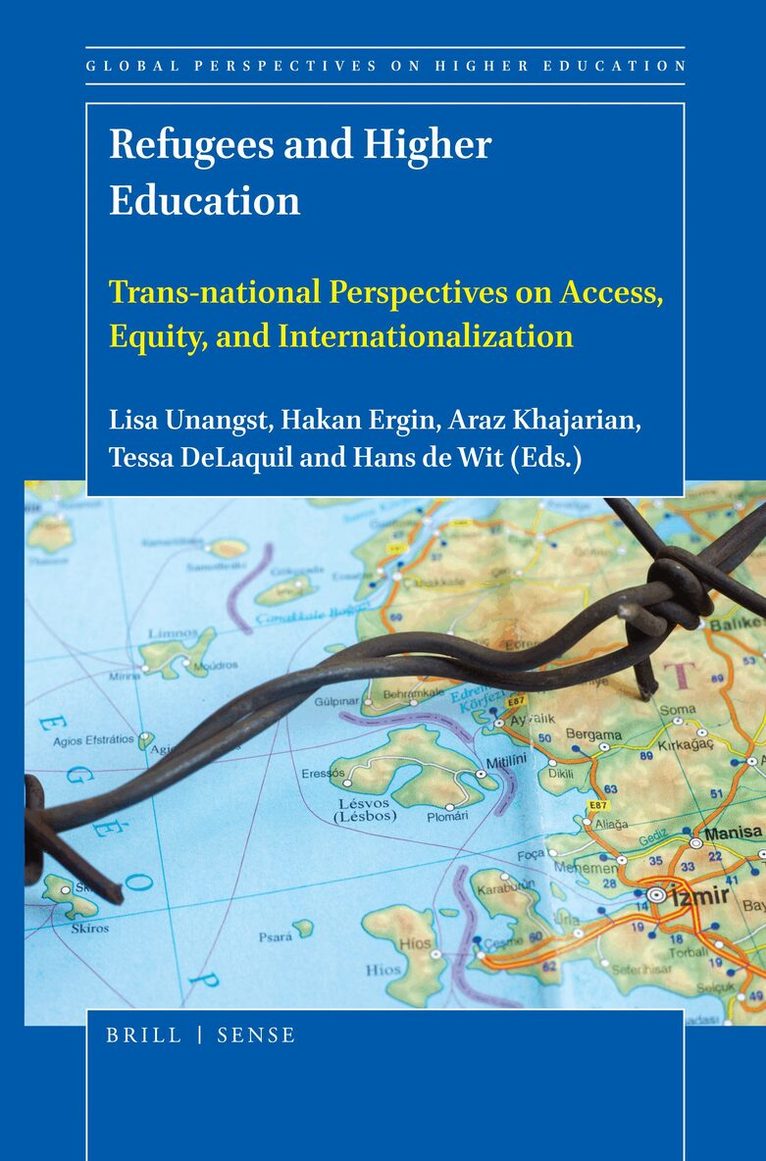
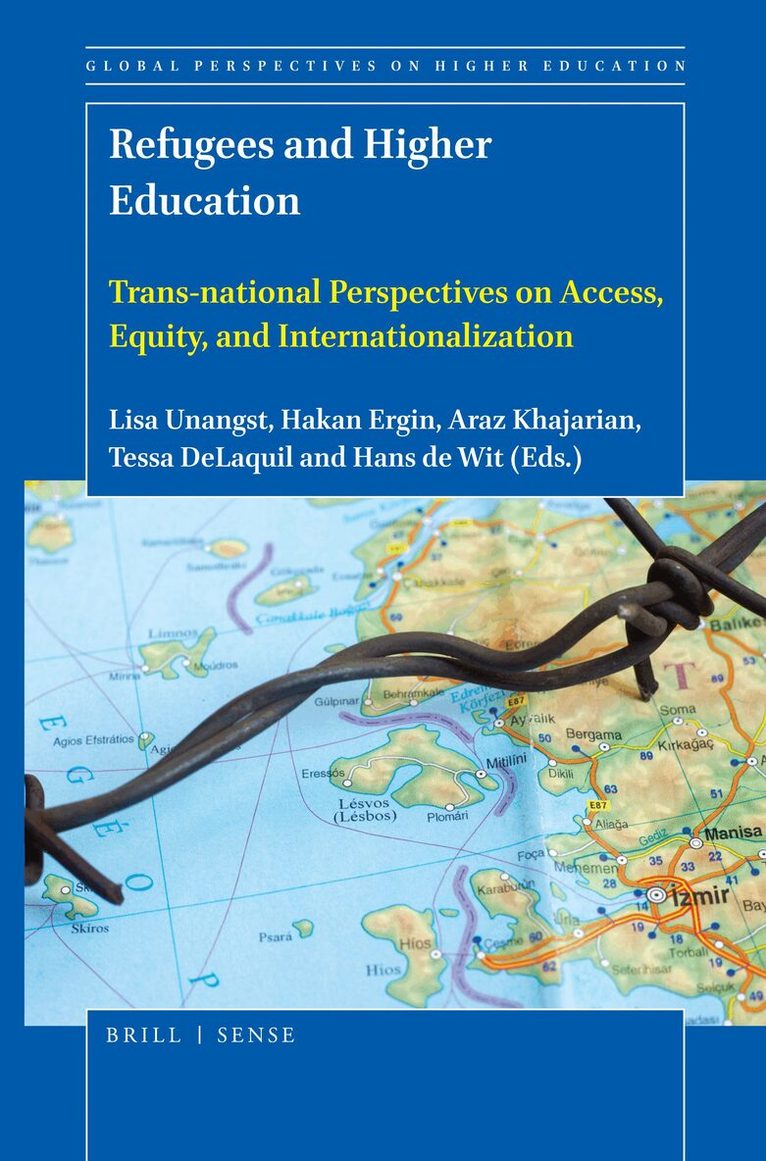
Refugees and Higher Education
Trans-national Perspectives on Access, Equity, and Internationalization
Häftad, Engelska, 2020
814 kr
Skickas inom 5-8 vardagar
Refugees and Higher Education provides a cross-disciplinary lens on one American university’s approach to studying the policies, practices, and experiences associated with the higher education of refugee background students. The focus is not only on refugee education as an issue of access and equity, but also on this phenomenon as seen through the lens of internationalization. What competencies are called for among university faculty and staff welcoming refugee-background students to their institutional contexts? How might “distance learning” be considered anew? These challenges and opportunities for institutional growth will be closely considered by this group of authors from educational leadership, social work, curriculum development, and higher education itself. They address key world regions, and sub-topics ranging from online education in refugee camps to the Brazilian and Colombian responses to the emerging crisis in Venezuela. Scholars researching refugee education cross-nationally often find that refugee education literature is parsed by disciplinary field. This book, in contrast, offers a comprehensive, multi-disciplinary overview of refugee education issues around the world. These perspectives also provide key insights for faculty and staff at higher education institutions that currently enroll asylees or refugees, as well as those that may do so in the future.
Del 47 - Global Perspectives on Higher Education
Refugees and Higher Education
Trans-national Perspectives on Access, Equity, and Internationalization
Inbunden, Engelska, 2020
1 970 kr
Skickas inom 5-8 vardagar
Refugees and Higher Education provides a cross-disciplinary lens on one American university’s approach to studying the policies, practices, and experiences associated with the higher education of refugee background students. The focus is not only on refugee education as an issue of access and equity, but also on this phenomenon as seen through the lens of internationalization. What competencies are called for among university faculty and staff welcoming refugee-background students to their institutional contexts? How might “distance learning” be considered anew? These challenges and opportunities for institutional growth will be closely considered by this group of authors from educational leadership, social work, curriculum development, and higher education itself. They address key world regions, and sub-topics ranging from online education in refugee camps to the Brazilian and Colombian responses to the emerging crisis in Venezuela. Scholars researching refugee education cross-nationally often find that refugee education literature is parsed by disciplinary field. This book, in contrast, offers a comprehensive, multi-disciplinary overview of refugee education issues around the world. These perspectives also provide key insights for faculty and staff at higher education institutions that currently enroll asylees or refugees, as well as those that may do so in the future.