Thomas More – författare
Visar alla böcker från författaren Thomas More. Handla med fri frakt och snabb leverans.
265 produkter
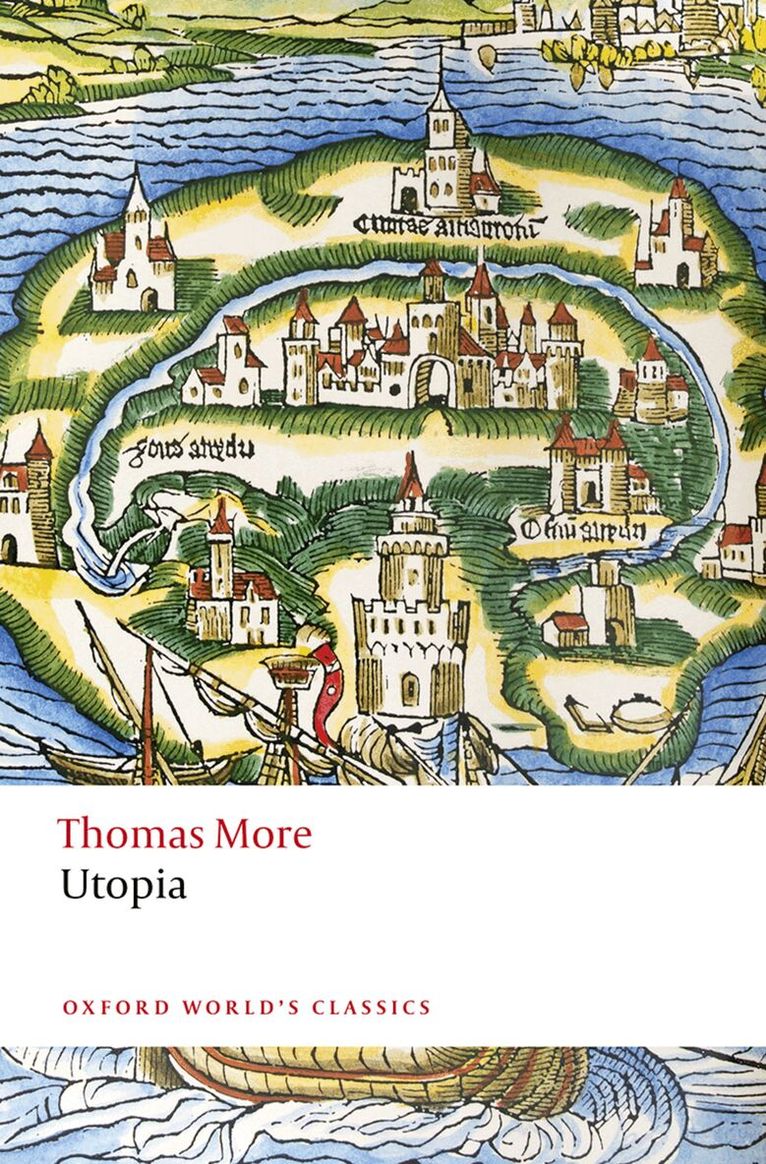
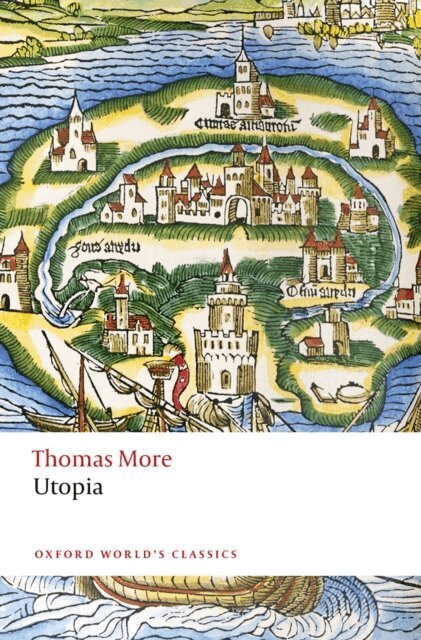
Utopia
Av Thomas More
Häftad, 1997
81 kr
Lägg i varukorg
With an Introduction by Mishtooni Bose.More’s Utopia is a complex, innovative and penetrating contribution to political thought, culminating in the famous ’description’ of the Utopians, who live according to the principles of natural law, but are receptive toChristian teachings, who hold all …
Utopia
Av Thomas More, Ursula Le Guin
Häftad, 2016
205 kr
Lägg i varukorg
Five hundred years since its first publication, Thomas More's Utopia remains astonishingly radical and provocative. More imagines an island nation where thousands live in peace and harmony, men and women are both educated, and property is communal. In a text hovering between fantasy, satire, …
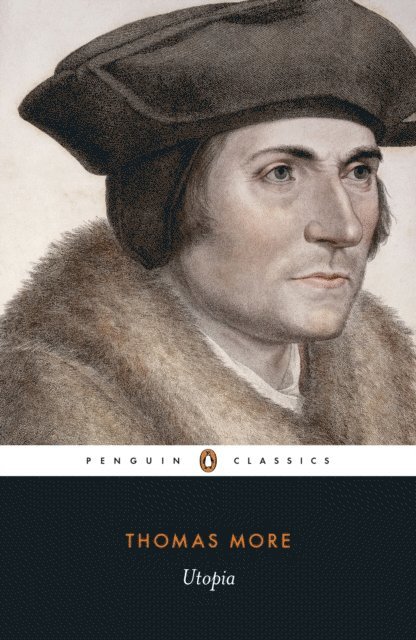
Utopia
Av Thomas More
Häftad, 2024
98 kr
Lägg i varukorg
Utopia is a fascinating novel that tells the story of a visitor to a distant island home to a community that has established an ideal society. Based on harmony, justice, rationality, virtue, equality and the pursuit of happiness, it presents a sharp contrast with sixteenth century England. This …
Utopia: New Translation and Annotated Edition
Newly Translated and Fully Annotated (Alma Classics Evergreens)
Av Thomas More
Häftad, 2017
109 kr
Lägg i varukorg
In Thomas More’s hugely influential Utopia, a traveller recounts his discovery of an island nation in which the inhabitants enjoy unprecedented social cohesion and justice. The book imagines a community in which laws, personal relations and professional ambition are based on reason, in contrast …
Utopia
Häftad, 2025
119 kr
Lägg i varukorg
'To find citizens ruled by good and wholesome laws, that is an exceeding rare, and hard thing.'Thomas More's Utopia presents an account of an idealised fictional society that has fascinated readers since its first publication in Latin in 1516. It is a scathing critique of More's contemporaries and …
Utopia
Av Thomas More, Dominic Baker-Smith
Häftad, 2012
4,0 utav 5 stjärnor. Totalt antal röster: (1)
121 kr
Lägg i varukorg
'It remains astonishingly radical ... one of Utopia's most striking aspects is its contemporaniety' Terry EagletonIn Utopia, Thomas More gives us a traveller's account of a newly-discovered island where the inhabitants enjoy a social order based on natural reason and justice, and human fulfilment …
Giovanni Pico Della Mirandola
His Life by His Nephew Giovanni Francesco Pico
Av Thomas More
Inbunden, 2009
317 kr
Lägg i varukorg
Political Strategy and Philosophy Reader Including (complete and Unabridged)
Plato's Republic, Sun Tzu's The Art of War, Machiavelli's The Prince, Thomas More's Utopia and Hobbes' Leviathan
Av Thomas More, Thomas Hobbes m. fl.
Inbunden, 2013
993 kr
Lägg i varukorg
Utopia
Av Thomas More, Dominic Baker-Smith
Inbunden, 2020
166 kr
Lägg i varukorg
In Utopia, Thomas More gives us a traveller's account of a newly discovered island where the inhabitants enjoy a social order based on natural reason and justice, and human fulfilment is open to all. As the traveller, Raphael, describes the island to More, a bitter contrast is drawn between this …
Utopia
Av Thomas More, Ursula Le Guin
E-bok, 2016
112 kr
Lägg i varukorg
Five hundred years since its first publication, Thomas More''s Utopia remains astonishingly radical and provocative. More imagines an island nation where thousands live in peace and harmony, men and women are both educated, and property is communal. In a text hovering between fantasy, satire, …
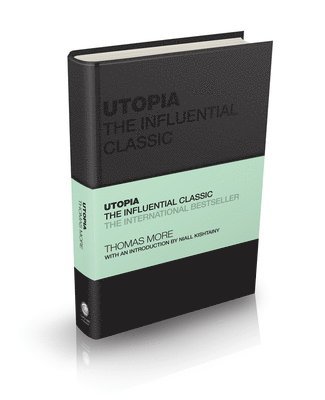
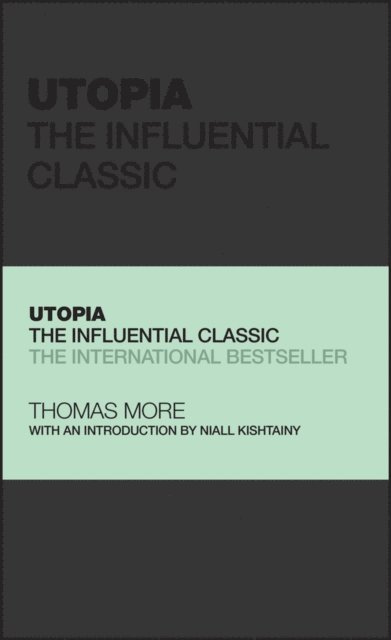
Utopia
The Influential Classic
Av Thomas More, Tom Butler-Bowdon
Inbunden, 2021
95 kr
Lägg i varukorg
What we can learn from a Renaissance nowhereIn 1516, a book was published in Latin with the enigmatic Greek-derived word as its title. Utopia—which could mean either "good-place" or "no-place"—gives a traveler's account of a newly discovered island somewhere in the New World where the inhabitants …
Utopia
Av Thomas More
Häftad, 2009
98 kr
Lägg i varukorg
In Utopia Thomas More painted a fantastical picture of a distant island where society is perfected and people live in harmony, yet its title means 'no place', and More's hugely influential work was ultimately an attack on his own corrupt, dangerous times, and on the failings of humanity. Throughout …
Utopia
Av Thomas More, Dominic Baker-Smith
E-bok, 2012
78 kr
Lägg i varukorg
'It remains astonishingly radical ... one of Utopia's most striking aspects is its contemporaniety' Terry EagletonIn Utopia, Thomas More gives us a traveller's account of a newly-discovered island where the inhabitants enjoy a social order based on natural reason and justice, and human fulfilment …
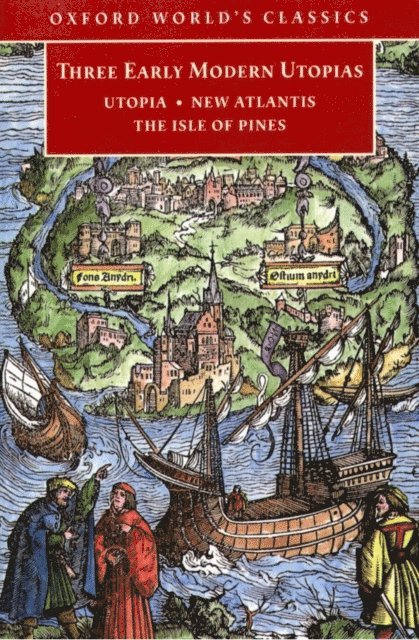
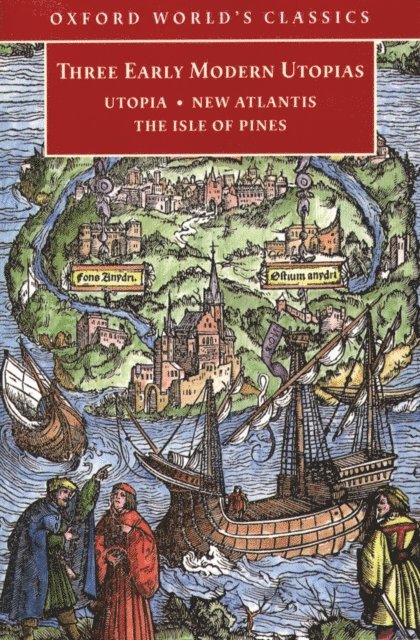
Three Early Modern Utopias
Thomas More: Utopia / Francis Bacon: New Atlantis / Henry Neville: The Isle of Pines
Av Henry Neville, Francis Bacon m. fl.
E-bok, 1999
94 kr
Lägg i varukorg
Thomas More: Utopia/ Francis Bacon: New Atlantis/Henry Neville: The Isle of Pines With the publication of Utopia (1516), Thomas More introduced into the English language not only a new word, but a new way of thinking about the gulf between what ought to be and what is. His Utopia is at once a …
Three Early Modern Utopias
Thomas More: Utopia / Francis Bacon: New Atlantis / Henry Neville: The Isle of Pines
Av Henry Neville, Francis Bacon m. fl.
E-bok, 1999
94 kr
Lägg i varukorg
Thomas More: Utopia/ Francis Bacon: New Atlantis/Henry Neville: The Isle of Pines With the publication of Utopia (1516), Thomas More introduced into the English language not only a new word, but a new way of thinking about the gulf between what ought to be and what is. His Utopia is at once a …
Utopia
E-bok, 2024
85 kr
Lägg i varukorg
''To find citizens ruled by good and wholesome laws, that is an exceeding rare, and hard thing.'' Thomas More''s Utopia presents an account of an idealised fictional society that has fascinated readers since its first publication in Latin in 1516. It is a scathing critique of More''s contemporaries …
Utopia
E-bok, 2024
85 kr
Lägg i varukorg
''To find citizens ruled by good and wholesome laws, that is an exceeding rare, and hard thing.'' Thomas More''s Utopia presents an account of an idealised fictional society that has fascinated readers since its first publication in Latin in 1516. It is a scathing critique of More''s contemporaries …
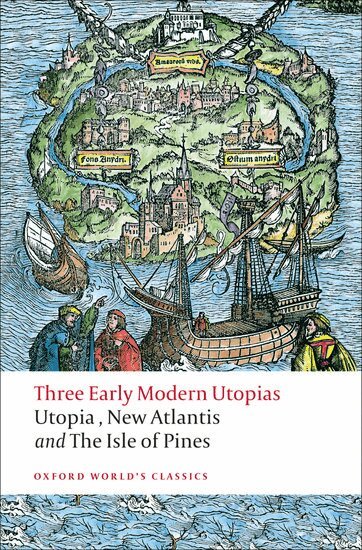
Three Early Modern Utopias
Thomas More: Utopia / Francis Bacon: New Atlantis / Henry Neville: The Isle of Pines
Av Thomas More, Francis Bacon m. fl.
Häftad, 2008
3,0 utav 5 stjärnor. Totalt antal röster: (1)
130 kr
Lägg i varukorg
Thomas More: Utopia/ Francis Bacon: New Atlantis/Henry Neville: The Isle of Pines With the publication of Utopia (1516), Thomas More introduced into the English language not only a new word, but a new way of thinking about the gulf between what ought to be and what is. His Utopia is at once a …
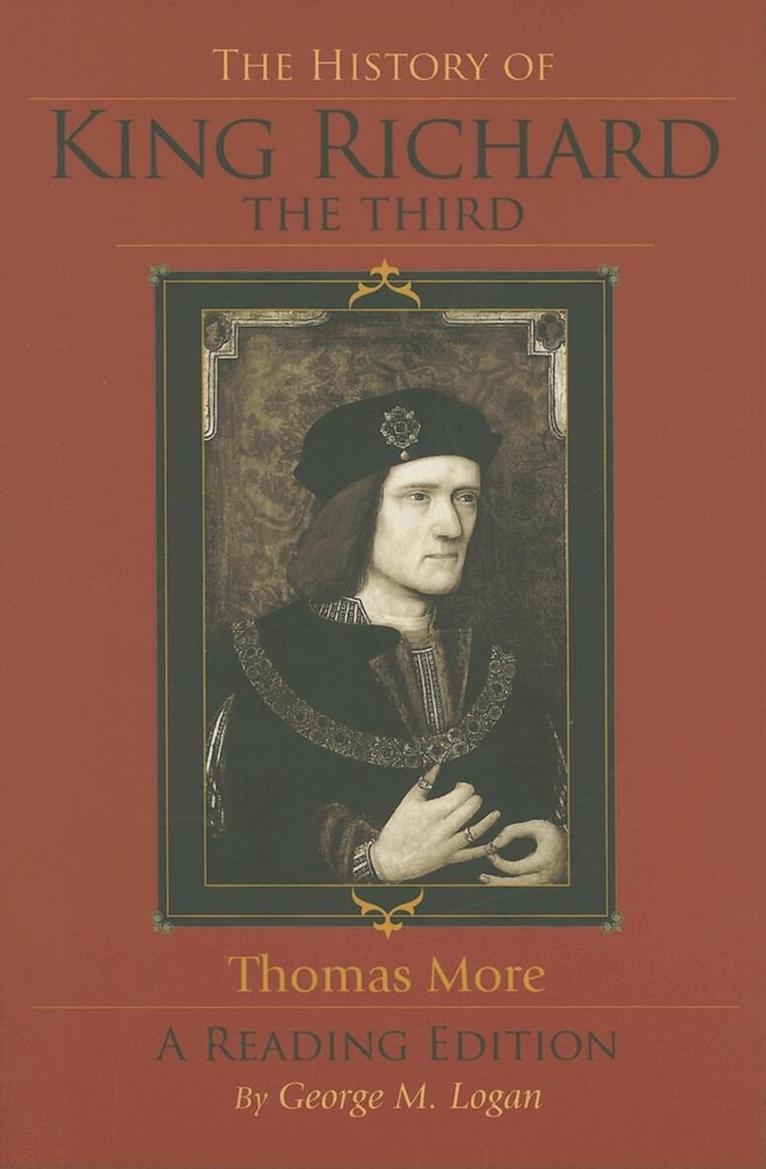
History of King Richard the Third
A Reading Edition
Av Thomas More, George M. Logan
Häftad, 2005
233 kr
Lägg i varukorg
The History of King Richard the Third is Thomas More's English masterpiece. With the help of Shakespeare, whose Richard the Third took More's work as its principal model, the History determined the historical reputation of an English king and spawned a seemingly endless controversy about the …
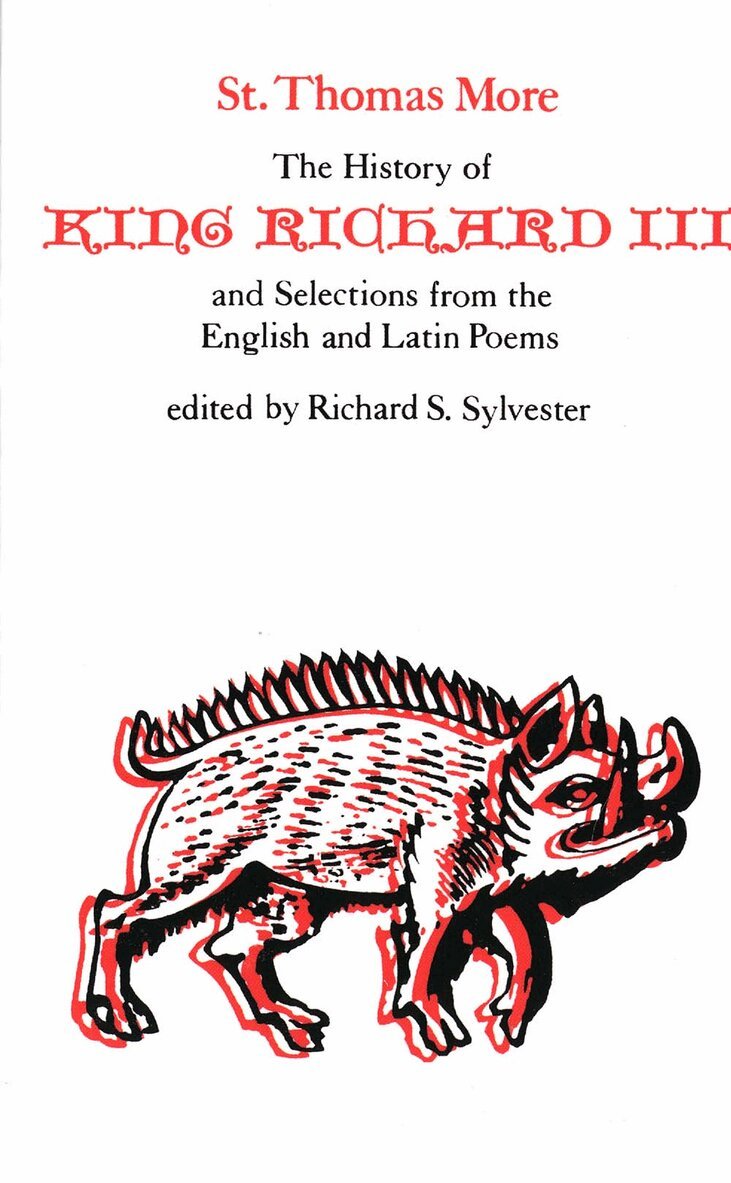
History of King Richard III and Selections from the English and Latin Poems
Av Thomas More, Richard S. Sylvester
Häftad, 1976
412 kr
Lägg i varukorg
This volume is the third to appear in the modernized series of Selected Works of St. Thomas More, a series designed to make available to the general reader works which have already appeared or are about to appear in the Yale Edition of the Complete Works.The History of King Richard III is preceded …
Utopia
Av Thomas More
Häftad, 2014
104 kr
Lägg i varukorg
“This translation offers a fresh and vital encounter with Thomas More’s Utopia for a twenty-first century audience.”—Elizabeth McCutcheon, Utopian Studies Saint Thomas More’s Utopia is one of the most important works of European humanism and serves as a key text in survey courses on Western …
Essential Works of Thomas More
Av Thomas More, Gerard B. Wegemer m. fl.
Inbunden, 2020
1038 kr
Lägg i varukorg
The first comprehensive one-volume collection of St. Thomas More’s writing “[A] tremendous scholarly undertaking. . . . Accessible and transparent to both scholars and the general audience.”—Renaissance and Reformation In this book, Gerard B. Wegemer and Stephen W. Smith assemble, for the first …
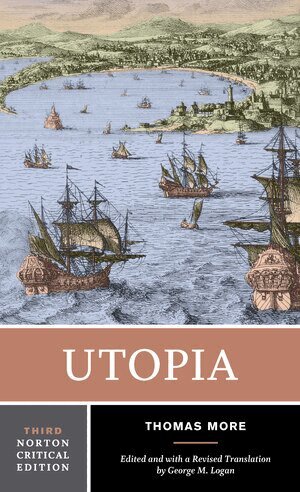
Utopia
A Norton Critical Edition
Av Thomas More, George M. Logan
Häftad, 2010
217 kr
Lägg i varukorg
Based on Thomas More’s penetrating analysis of the folly and tragedy of the politics of his time and all times, Utopia (1516) is a seedbed of alternative political institutions and a perennially challenging exploration of the possibilities and limitations of political action.This Norton Critical …
More: Utopia
Latin Text and English Translation
Av Thomas More, George M. Logan m. fl.
Häftad, 2006
569 kr
Lägg i varukorg
First published in Latin in 1516, Thomas More's Utopia is one of the most influential books in the Western philosophical and literary tradition and one of the supreme achievements of Renaissance humanism. This is the first edition of Utopia since 1965 (the Yale edition) to combine More's Latin text …
More: Utopia
Latin Text and English Translation
Av Thomas More, George M. Logan m. fl.
Inbunden, 1995
1349 kr
Lägg i varukorg
First published in Latin in 1516, Thomas More's Utopia is one of the most influential books in the Western philosophical and literary tradition and one of the supreme achievements of Renaissance humanism. This is the first edition of Utopia since 1965 (the Yale edition) to combine More's Latin text …
Utopia
The Influential Classic
Av Thomas More
E-bok, 2021
130 kr
Lägg i varukorg
What we can learn from a Renaissance nowhere In 1516, a book was published in Latin with the enigmatic Greek-derived word as its title. Utopia—which could mean either "good-place" or "no-place"—gives a traveler''s account of a newly discovered island somewhere in the New World where the inhabitants …
Utopia
The Influential Classic
Av Thomas More
E-bok, 2021
134 kr
Lägg i varukorg
What we can learn from a Renaissance nowhere In 1516, a book was published in Latin with the enigmatic Greek-derived word as its title. Utopia—which could mean either "good-place" or "no-place"—gives a traveler''s account of a newly discovered island somewhere in the New World where the inhabitants …