Thomas Nickles - Böcker
Visar alla böcker från författaren Thomas Nickles. Handla med fri frakt och snabb leverans.
9 produkter
9 produkter
1 113 kr
Skickas inom 7-10 vardagar
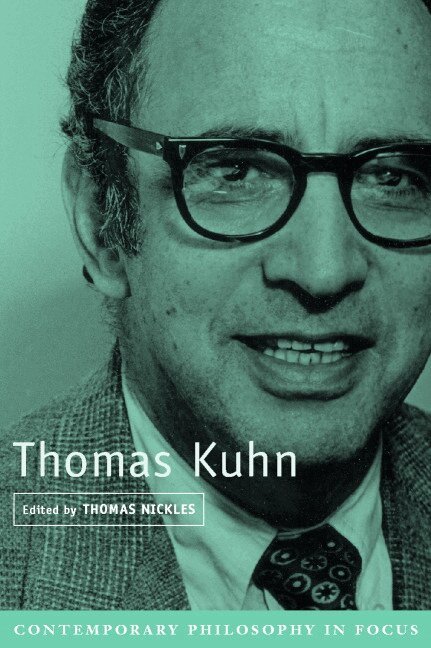
Contemporary Philosophy in Focus offers a series of introductory volumes to many of the dominant philosophical thinkers of the current age. Thomas Kuhn (1922-96), the author of The Structure of Scientific Revolutions, is probably the best-known and most influential historian and philosopher of science of the last 25 years, and has become something of a cultural icon. His concepts of paradigm, paradigm change and incommensurability have changed the way we think about science. This volume offers an introduction to Kuhn's life and work and then considers the implications of Kuhn's work for philosophy, cognitive psychology, social studies of science and feminism. The volume is more than a retrospective on Kuhn, exploring future developments of cognitive and information services along Kuhnian lines. Outside of philosophy the volume will be of particular interest to professionals and students in cognitive science, history of science, science studies and cultural studies.
435 kr
Skickas inom 7-10 vardagar
Contemporary Philosophy in Focus offers a series of introductory volumes to many of the dominant philosophical thinkers of the current age. Thomas Kuhn (1922-96), the author of The Structure of Scientific Revolutions, is probably the best-known and most influential historian and philosopher of science of the last 25 years, and has become something of a cultural icon. His concepts of paradigm, paradigm change and incommensurability have changed the way we think about science. This volume offers an introduction to Kuhn's life and work and then considers the implications of Kuhn's work for philosophy, cognitive psychology, social studies of science and feminism. The volume is more than a retrospective on Kuhn, exploring future developments of cognitive and information services along Kuhnian lines. Outside of philosophy the volume will be of particular interest to professionals and students in cognitive science, history of science, science studies and cultural studies.
Del 56 - Boston Studies in the Philosophy and History of Science
Scientific Discovery, Logic, and Rationality
Inbunden, Engelska, 1980
2 101 kr
Skickas inom 10-15 vardagar
It is fast becoming a cliche that scientific discovery is being rediscovered. For two philosophical generations (that of the Founders and that of the Followers of the logical positivist and logical empiricist movements), discovery had been consigned to the domain of the intractable, the ineffable, the inscrutable. The philosophy of science was focused on the so-called context of justification as its proper domain. More recently, as the exclusivity of the logical reconstruc tion program in philosophy of science came under question, and as the critique of justification developed within the framework of logical and epistemological analysis, the old question of scientific discovery, which had been put on the back burner, began to emerge once again. Emphasis on the relation of the history of science to the philosophy of science, and attention to the question of theory change and theory replacement, also served to legitimate a new concern with the origins of scientific change to be found within discovery and invention. How welcome then to see what a wide range of issues and what a broad representation of philosophers and historians of science have been brought together in the present two volumes of the Boston Studies in the Philosophy of Science! For what these volumes achieve, in effect, is the continuation of a tradition which had once been strong in the philosophy of science - namely, that tradition which addressed the question of scientific discovery as a central question in the understanding of science.
Del 56 - Boston Studies in the Philosophy and History of Science
Scientific Discovery, Logic, and Rationality
Häftad, Engelska, 1980
2 101 kr
Skickas inom 10-15 vardagar
It is fast becoming a cliche that scientific discovery is being rediscovered. For two philosophical generations (that of the Founders and that of the Followers of the logical positivist and logical empiricist movements), discovery had been consigned to the domain of the intractable, the ineffable, the inscrutable. The philosophy of science was focused on the so-called context of justification as its proper domain. More recently, as the exclusivity of the logical reconstruc tion program in philosophy of science came under question, and as the critique of justification developed within the framework of logical and epistemological analysis, the old question of scientific discovery, which had been put on the back burner, began to emerge once again. Emphasis on the relation of the history of science to the philosophy of science, and attention to the question of theory change and theory replacement, also served to legitimate a new concern with the origins of scientific change to be found within discovery and invention. How welcome then to see what a wide range of issues and what a broad representation of philosophers and historians of science have been brought together in the present two volumes of the Boston Studies in the Philosophy of Science! For what these volumes achieve, in effect, is the continuation of a tradition which had once been strong in the philosophy of science - namely, that tradition which addressed the question of scientific discovery as a central question in the understanding of science.
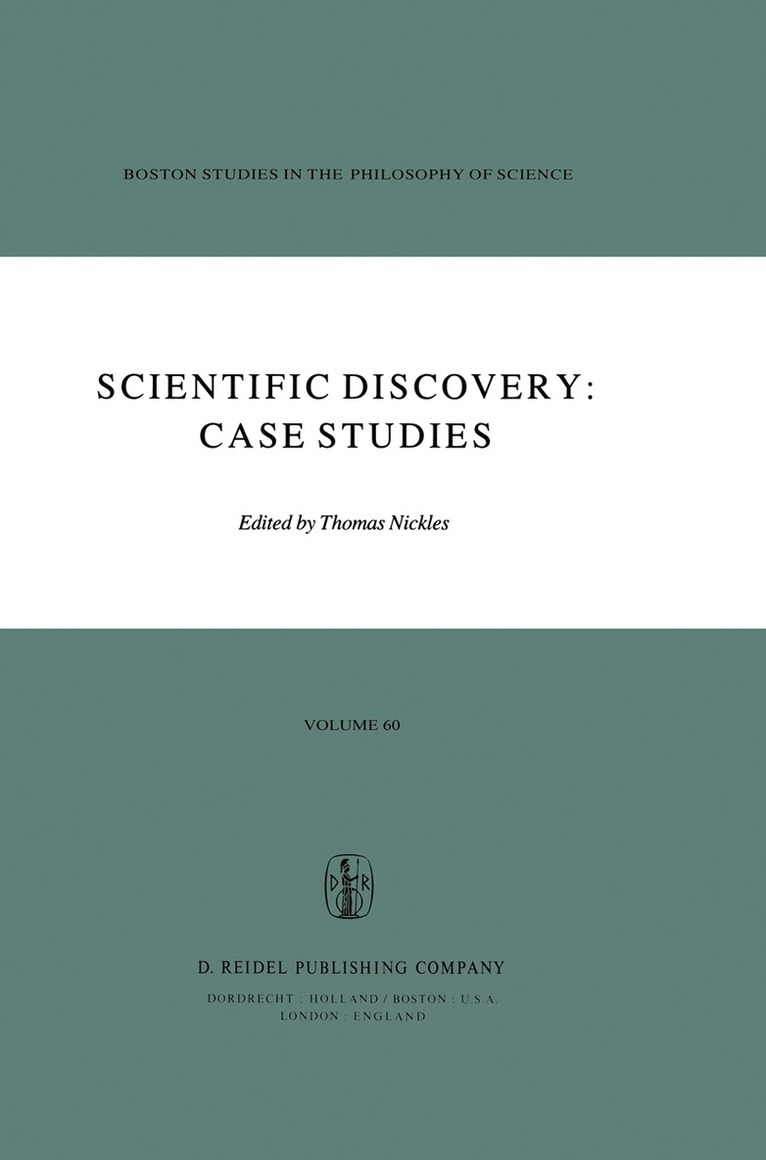
Del 60 - Boston Studies in the Philosophy and History of Science
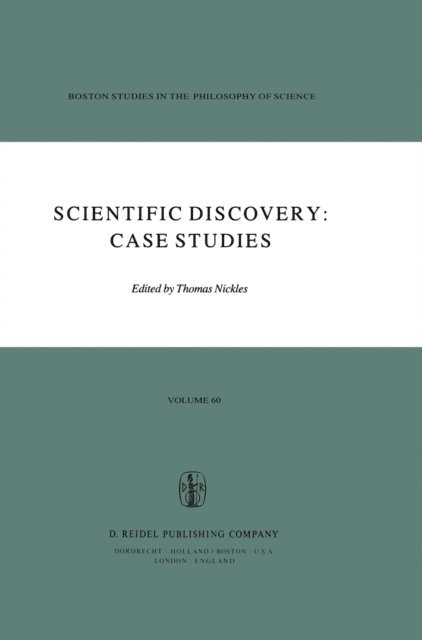
Scientific Discovery: Case Studies
Inbunden, Engelska, 1980
1 578 kr
Skickas inom 10-15 vardagar
The history of science is articulated by moments of discovery. Yet, these 'moments' are not simple or isolated events in science. Just as a scientific discovery illuminates our understanding of nature or of society, and reveals new connections among phenomena, so too does the history of scientific activity and the analysis of scientific reasoning illuminate the processes which give rise to moments of discovery and the complex network of consequences which follow upon such moments. Understanding discovery has not been, until recently, a major concern of modem philosophy of science. Whether the act of discoyery was regarded as mysterious and inexplicable, or obvious and in no need of explanation, modem philosophy of science in effect bracketed the question. It concentrated instead on the logic of scientific explanation or on the issues of validation or justification of scientific theories or laws. The recent revival of interest in the context of discovery, indeed in the acts of discovery, on the part of philosophers and historians of science, represents no one particular method'ological or philosophical orientation. It proceeds as much from an empiricist and analytical approach as from a sociological or historical one; from considerations of the logic of science as much as from the alogical or extralogical contexts of scientific tho'¢tt and practice. But, in general, this new interest focuses sharply on the actual historical and contem porary cases of scientific discovery, and on an examination of the act or moment of discovery in situ.
1 064 kr
Skickas inom 10-15 vardagar
Since the origin of the modern sciences, our views on discovery and creativity had a remarkable history. Originally, discovery was seen as an integral part of methodology and the logic of discovery as algorithmic or nearly algorithmic. During the nineteenth century, conceptions in line with romanticism led to the famous opposition between the context of discovery and the context of justification, culminating in a view that banned discovery from methodology. The revival of the methodological investigation of discovery, which started some thirty years ago, derived its major impetus from historical and sociological studies of the sciences and from developments within cognitive psychology and artificial intelligence. Today, a large majority of philosophers of science agrees that the classical conception as well as the romantic conception are mistaken. Against the classical conception, it is generally accepted that truly novel discoveries are not the result of simply applying some standardized procedure. Against the romantic conception, it is rejected that discoveries are produced by unstructured flashes of insight.An especially important result of the contemporary study concerns the availability of (descriptive and normative) models for explaining discoveries and creative processes. Descriptive models mainly aim at explaining the origin of novel products; normative models moreover address the question how rational researchers should proceed when confronted with problems for which a standard procedure is missing. The present book provides an overview of these models and of the important changes they induced within methodology. As appears from several papers, the methodological study of discovery and creativity led to profound changes in our conceptions of justification and acceptance, of rationality, of scientific change, and of conceptual change. The book contains contributions from both historians and philosophers of science. All of them, however, are methodological in the contemporary sense of the term. The central values of this methodology are empirical accurateness, clarity and precision, and rationality. The different contributions realize these values by their interdisciplinary nature. Some philosophically oriented papers rely on historical case studies and results from the cognitive sciences, others on recent results from the computer sciences and/or non-standard logics. The historically oriented papers address central philosophical questions and hypotheses.
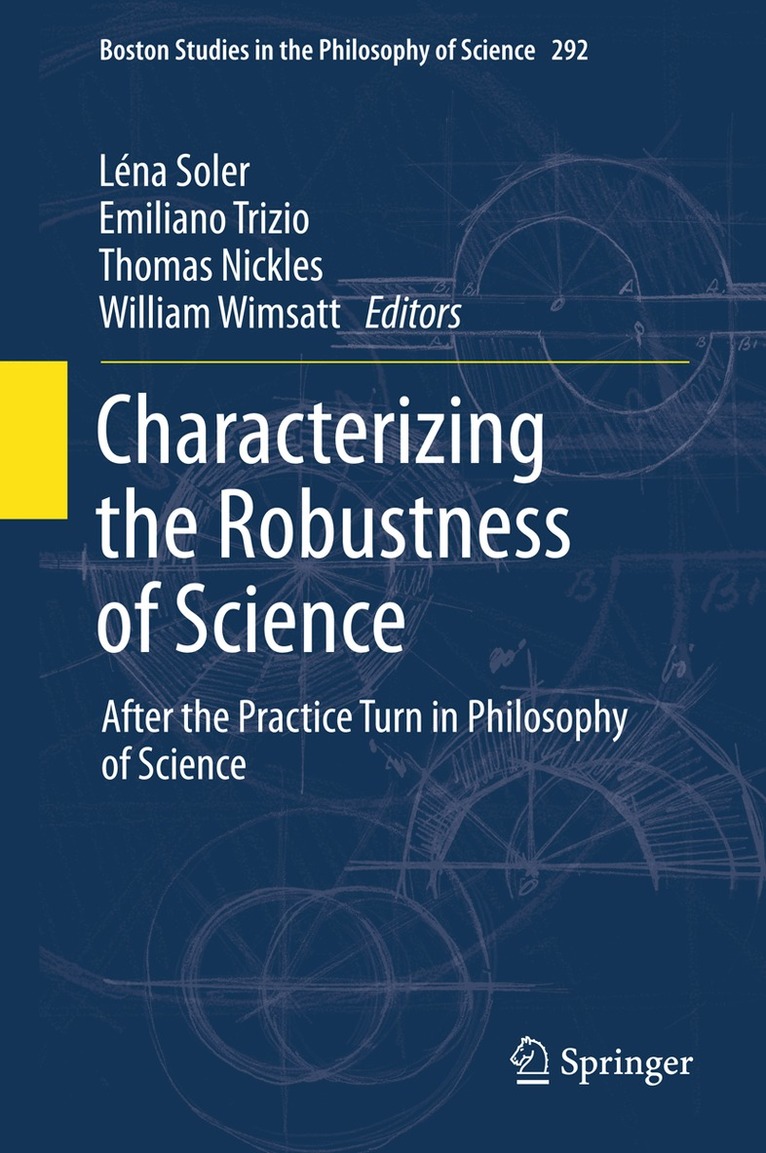
Del 292 - Boston Studies in the Philosophy and History of Science
Characterizing the Robustness of Science
After the Practice Turn in Philosophy of Science
Inbunden, Engelska, 2012
1 578 kr
Skickas inom 10-15 vardagar
Mature sciences have been long been characterized in terms of the “successfulness”, “reliability” or “trustworthiness” of their theoretical, experimental or technical accomplishments. Today many philosophers of science talk of “robustness”, often without specifying in a precise way the meaning of this term. This lack of clarity is the cause of frequent misunderstandings, since all these notions, and that of robustness in particular, are connected to fundamental issues, which concern nothing less than the very nature of science and its specificity with respect to other human practices, the nature of rationality and of scientific progress; and science’s claim to be a truth-conducive activity. This book offers for the first time a comprehensive analysis of the problem of robustness, and in general, that of the reliability of science, based on several detailed case studies and on philosophical essays inspired by the so-called practical turn in philosophy of science.
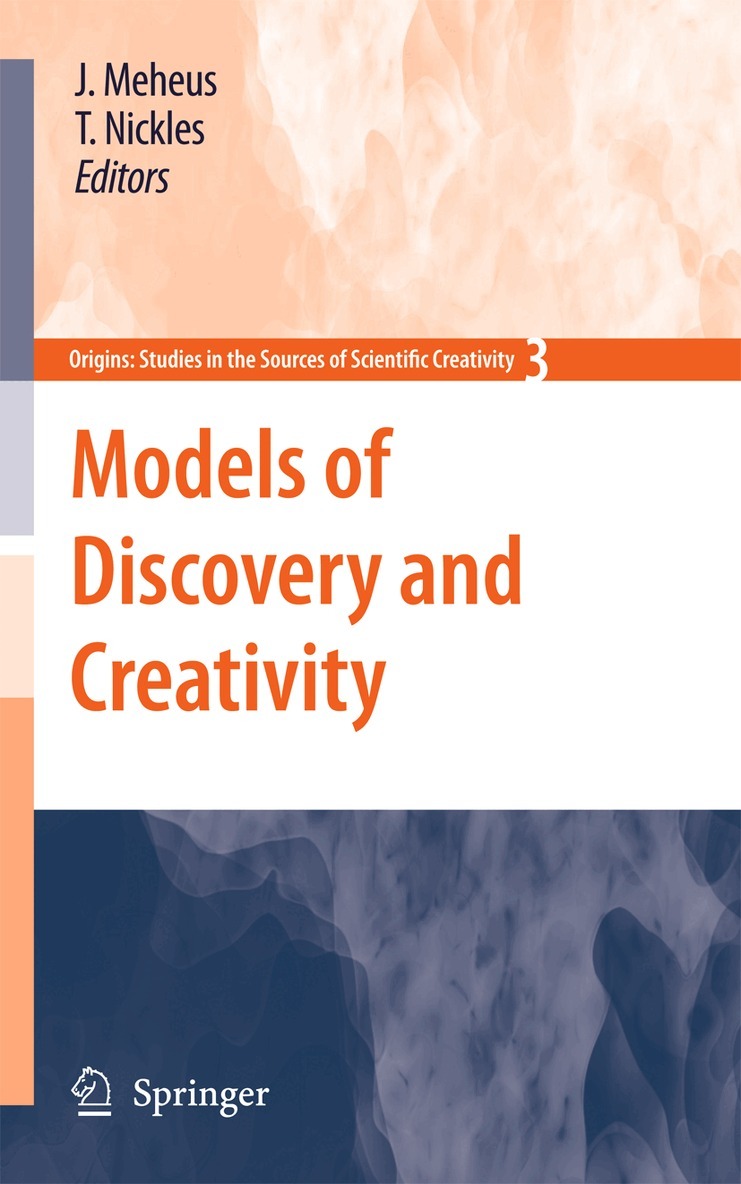
Del 3 - Origins: Studies in the Sources of Scientific Creativity
Models of Discovery and Creativity
Häftad, Engelska, 2012
1 064 kr
Skickas inom 10-15 vardagar
Since the origin of the modern sciences, our views on discovery and creativity had a remarkable history. Originally, discovery was seen as an integral part of methodology and the logic of discovery as algorithmic or nearly algorithmic. During the nineteenth century, conceptions in line with romanticism led to the famous opposition between the context of discovery and the context of justification, culminating in a view that banned discovery from methodology. The revival of the methodological investigation of discovery, which started some thirty years ago, derived its major impetus from historical and sociological studies of the sciences and from developments within cognitive psychology and artificial intelligence. Today, a large majority of philosophers of science agrees that the classical conception as well as the romantic conception are mistaken. Against the classical conception, it is generally accepted that truly novel discoveries are not the result of simply applying some standardized procedure. Against the romantic conception, it is rejected that discoveries are produced by unstructured flashes of insight.An especially important result of the contemporary study concerns the availability of (descriptive and normative) models for explaining discoveries and creative processes. Descriptive models mainly aim at explaining the origin of novel products; normative models moreover address the question how rational researchers should proceed when confronted with problems for which a standard procedure is missing. The present book provides an overview of these models and of the important changes they induced within methodology. As appears from several papers, the methodological study of discovery and creativity led to profound changes in our conceptions of justification and acceptance, of rationality, of scientific change, and of conceptual change. The book contains contributions from both historians and philosophers of science. All of them, however, are methodological in the contemporary sense of the term. The central values of this methodology are empirical accurateness, clarity and precision, and rationality. The different contributions realize these values by their interdisciplinary nature. Some philosophically oriented papers rely on historical case studies and results from the cognitive sciences, others on recent results from the computer sciences and/or non-standard logics. The historically oriented papers address central philosophical questions and hypotheses.
Del 292 - Boston Studies in the Philosophy and History of Science
Characterizing the Robustness of Science
After the Practice Turn in Philosophy of Science
Häftad, Engelska, 2014
1 578 kr
Skickas inom 10-15 vardagar
Mature sciences have been long been characterized in terms of the “successfulness”, “reliability” or “trustworthiness” of their theoretical, experimental or technical accomplishments. Today many philosophers of science talk of “robustness”, often without specifying in a precise way the meaning of this term. This lack of clarity is the cause of frequent misunderstandings, since all these notions, and that of robustness in particular, are connected to fundamental issues, which concern nothing less than the very nature of science and its specificity with respect to other human practices, the nature of rationality and of scientific progress; and science’s claim to be a truth-conducive activity. This book offers for the first time a comprehensive analysis of the problem of robustness, and in general, that of the reliability of science, based on several detailed case studies and on philosophical essays inspired by the so-called practical turn in philosophy of science.