Yoichi Funabashi - Böcker
Visar alla böcker från författaren Yoichi Funabashi. Handla med fri frakt och snabb leverans.
19 produkter
19 produkter
671 kr
Skickas inom 10-15 vardagar
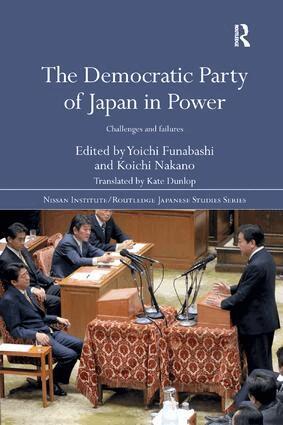
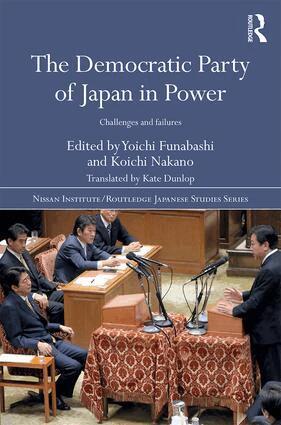
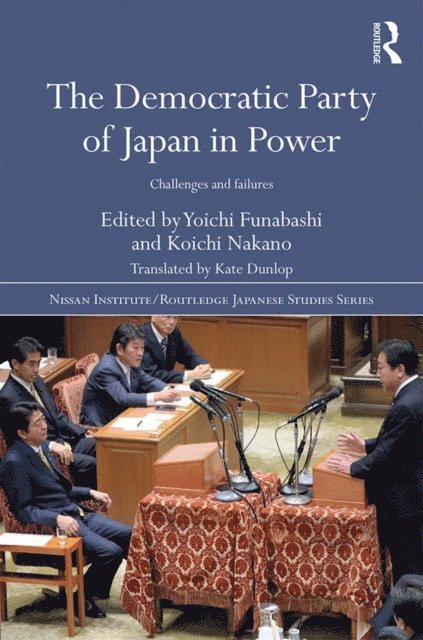
When the Democratic Party of Japan (DPJ) came to power in September 2009, Japanese citizens expected the imminent arrival of a new political era, characterized by a two-party system. However, in addition to the triple disasters of March 2011, the DPJ faced numerous difficulties arising from its controversial policies and massive party defections following the government’s consumption tax hike legislation. The DPJ fell from power following a crushing defeat in the 2012 Lower House election, in which its seat total was drastically reduced.This book examines the September 2009-December 2012 administration of the DPJ from various perspectives, including policies, party governance, management, and legacy. It identifies the significance of the DPJ to Japan’s party politics, explains the reasons for its downfall, and derives crucial lessons for the future of party democracy in Japan. The contributors, a team of professional academics and a lawyer, analyse the policies and events of the DPJ administration based on their interviews with key DPJ politicians and related persons at or close to the centre of the administration. Together they elicit insights from the experiences of the DPJ government to inform the expectations of Japan’s party democracy. Explaining how the failure of the DPJ government has long-term importance for understanding Japanese politics, this book will be invaluable for students and scholars of the field.
831 kr
Skickas inom 10-15 vardagar
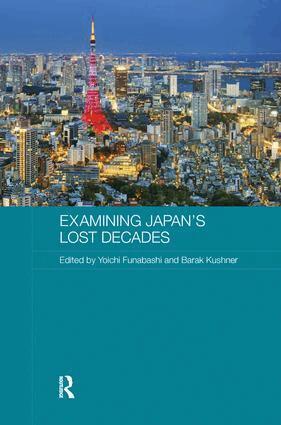
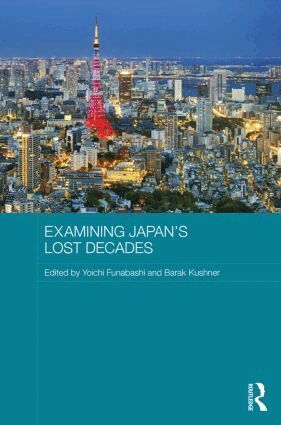
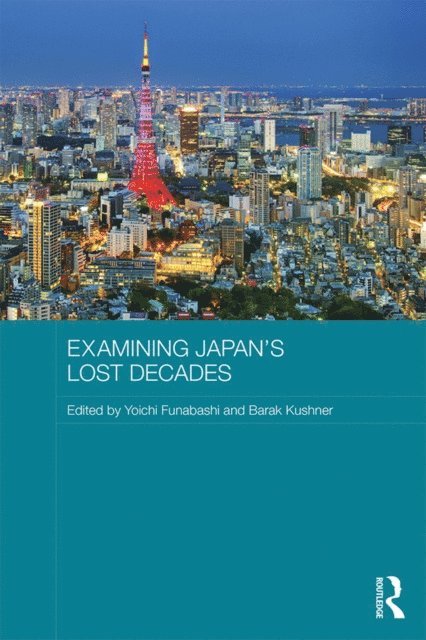
This book examines five features of Japan’s ‘Lost Decades’: the speed of the economic decline in Japan compared to Japan’s earlier global prowess; a rapidly declining population; considerable political instability and failed reform attempts; shifting balances of power in the region and changing relations with Asian neighbouring nations; and the lingering legacy of World War Two. Addressing the question of why the decades were lost, this book offers 15 new perspectives ranging from economics to ideology and beyond. Investigating problems such as the risk-averse behaviour of Japan’s bureaucracy and the absence of strong political leadership, the authors analyse how the delay of ‘loss-cutting policies’ led to the 1997 financial crisis and a state of political gridlock where policymakers could not decide on firm strategies that would benefit national interests. To discuss the rebuilding of Japan, the authors argue that it is first essential to critically examine Japan’s ‘Lost Decades’ and this book offers a comprehensive overview of Japan’s recent 20 years of crisis. The book reveals that the ‘Lost Decades’ is not an issue unique to the Japanese context but has global relevance, and its study can provide important insights into challenges being faced in other mature economies. With chapters written by some of the world’s leading Japan specialists and chapters focusing on a variety of disciplines, this book will be of interest to students and scholars in the areas of Japan studies, Politics, International Relations, Security Studies, Government Policy and History.
914 kr
Skickas inom 10-15 vardagar
What is Japan's political role in the world? Over the past decade, Japan has been increasingly pressured to assume more financial and political burdens globally. Its foreign policy has thus evolved in a piecemeal manner, around the question of managing foreign pressures. To date, policy has been largely developed by bureaucrats, who are traditionally responsible for public policy in Japan. The lack of a clear set of foreign policy objectives, however, has made it impossible for the bureaucracy to play its previous role as the arbiter of public interests.Today, there is increased recognition that in a more pluralistic society, nongovernmental public policy specialists are needed to provide a more integrated and longer-term vision of foreign policy goals. This book represents the first private and non- governmental indigenous effort to stimulate public debate of Japanese foreign policy.Japan's International Agenda makes a distinctive contribution to the foreign policy debate. Its contributors are younger Japanese non-governmental foreign affairs specialists, each with considerable international experience and committed to the belief that significant policy reforms are essential. As a statement of Japan's ability to contribute substantially to international policy debates on such broad questions of security and trade and development, Japan's International Agenda will enable scholars and experts in North America, Europe, the Asia-Pacific region, and elsewhere to engage in substantive dialogue on critical public policy issues with their Japanese counterparts. This book represents the first private, indigenous effort to stimulate public debate of Japanese foreign policy. Its contributors are young Japanese foreign affairs specialists, each with considerable international experience and a commitment to the belief that significant policy reforms are essential.
1 188 kr
Skickas inom 10-15 vardagar
Long before there were Jewish communities in the land of the tsars, Jews inhabited a region which they called medinat rusiya, the land of Russia. Prior to its annexation by Russia, the land of Russia was not a center of rabbinic culture. But in 1772, with its annexation by Tsarist Russia, this remote region was severed from the Polish-Lithuanian Commonwealth; its 65,000 Jews were thus cut off from the heartland of Jewish life in Eastern Europe. Forced into independence, these Jews set about forging a community with its own religious leadership and institutions.The three great intellectual currents in East European Jewry--Hasidism, Rabbinic Mitnagdism, and Haskalah--all converged on Eastern Belorussia, where they clashed and competed. In the course of a generation, the community of Shklovthe most prominent of the towns in the areawitnessed an explosion of intellectual and cultural activity.Focusing on the social and intellectual odysseys of merchants, maskilim, and rabbis, and their varied attempts to combine Judaism and European culture, David Fishman here chronicles the remarkable story of these first modern Jews of Russia.
354 kr
Skickas inom 10-15 vardagar
What is Japan's political role in the world? Over the past decade, Japan has been increasingly pressured to assume more financial and political burdens globally. Its foreign policy has thus evolved in a piecemeal manner, around the question of managing foreign pressures. To date, policy has been largely developed by bureaucrats, who are traditionally responsible for public policy in Japan. The lack of a clear set of foreign policy objectives, however, has made it impossible for the bureaucracy to play its previous role as the arbiter of public interests.Today, there is increased recognition that in a more pluralistic society, nongovernmental public policy specialists are needed to provide a more integrated and longer-term vision of foreign policy goals. This book represents the first private and non- governmental indigenous effort to stimulate public debate of Japanese foreign policy.Japan's International Agenda makes a distinctive contribution to the foreign policy debate. Its contributors are younger Japanese non-governmental foreign affairs specialists, each with considerable international experience and committed to the belief that significant policy reforms are essential. As a statement of Japan's ability to contribute substantially to international policy debates on such broad questions of security and trade and development, Japan's International Agenda will enable scholars and experts in North America, Europe, the Asia-Pacific region, and elsewhere to engage in substantive dialogue on critical public policy issues with their Japanese counterparts. This book represents the first private, indigenous effort to stimulate public debate of Japanese foreign policy. Its contributors are young Japanese foreign affairs specialists, each with considerable international experience and a commitment to the belief that significant policy reforms are essential.
359 kr
Skickas inom 7-10 vardagar
Long before there were Jewish communities in the land of the tsars, Jews inhabited a region which they called medinat rusiya, the land of Russia. Prior to its annexation by Russia, the land of Russia was not a center of rabbinic culture. But in 1772, with its annexation by Tsarist Russia, this remote region was severed from the Polish-Lithuanian Commonwealth; its 65,000 Jews were thus cut off from the heartland of Jewish life in Eastern Europe. Forced into independence, these Jews set about forging a community with its own religious leadership and institutions.The three great intellectual currents in East European Jewry--Hasidism, Rabbinic Mitnagdism, and Haskalah--all converged on Eastern Belorussia, where they clashed and competed. In the course of a generation, the community of Shklovthe most prominent of the towns in the areawitnessed an explosion of intellectual and cultural activity.Focusing on the social and intellectual odysseys of merchants, maskilim, and rabbis, and their varied attempts to combine Judaism and European culture, David Fishman here chronicles the remarkable story of these first modern Jews of Russia.
481 kr
Skickas inom 7-10 vardagar
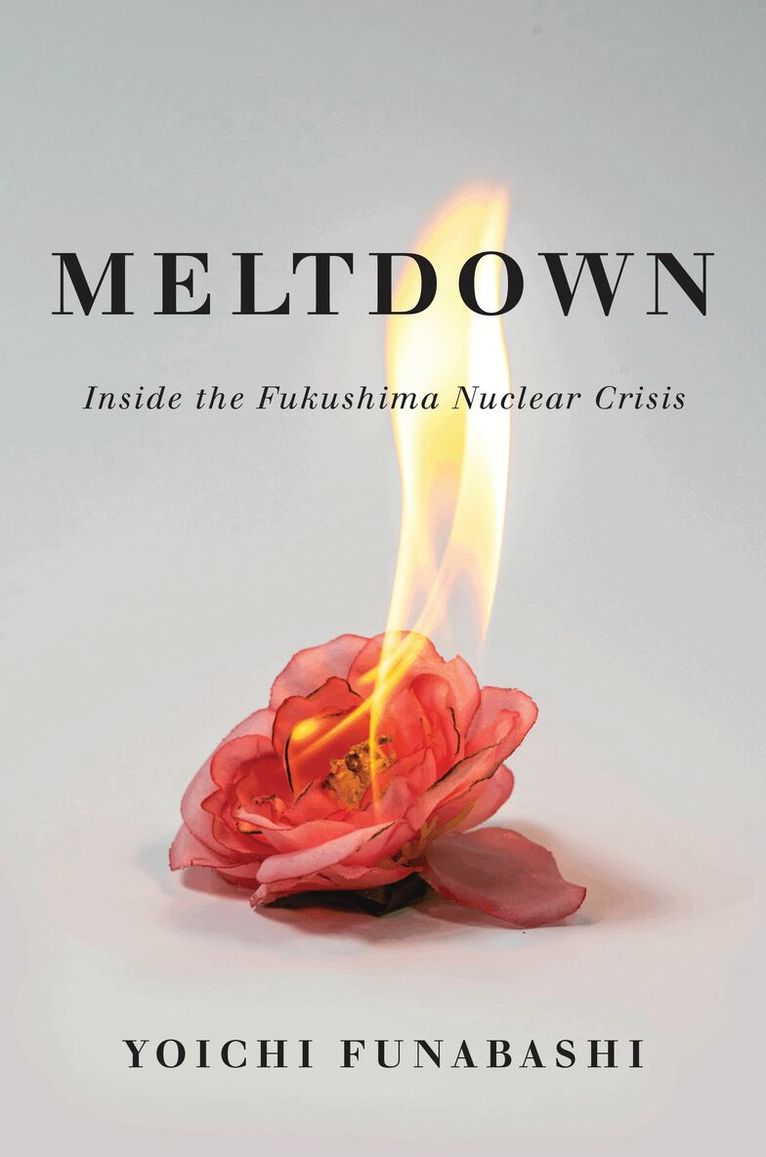
The human drama, and long-term lessons, of the Fukushima nuclear disasterThe Fukushima nuclear disaster in March 2011 presented an enormous challenge even to Japan, one of the world's most advanced and organized countries. Failures at all levels—of both the government and the private sector—worsened the human and economic impact of the disaster and ensured that the consequences would continue for many years to come.Based on interviews with more than 300 government officials, power plant operators, and military personnel during the years since the disaster, Meltdown is a meticulous recounting and analysis of the human stories behind the response to the Fukushima disaster.While the people battling to deal with the crisis at the site of the power plant were risking their lives, the government at the highest levels in Tokyo was in disarray and the utility company that operated the plants seemed focused more on power struggles with the government than on dealing with the crisis. The author, one of Japan's most eminent journalists, provides an unrivaled chronological account of the immediate two weeks of human struggle to contain man-made technology that was overwhelmed by nature.Yoichi Funabashi gives insights into why Japan's decisionmaking process failed almost as dramatically as had the Fukushima nuclear reactors, which went into meltdown following a major tsunami. Funabashi uses the Fukushima experience to draw lessons on leadership, governance, disaster resilience, and crisis management—lessons that have universal application and pertinence for an increasingly technology-driven and interconnected global society.
488 kr
Skickas inom 10-15 vardagar
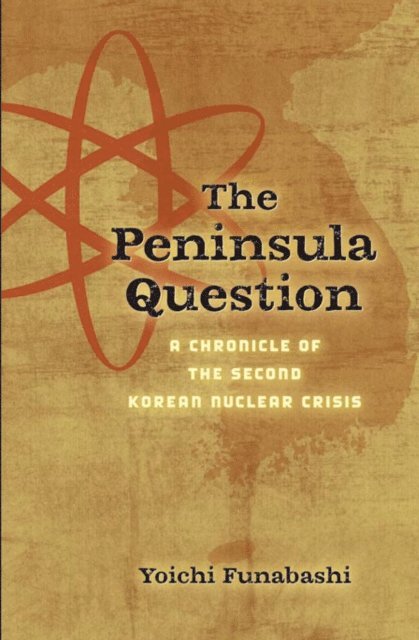
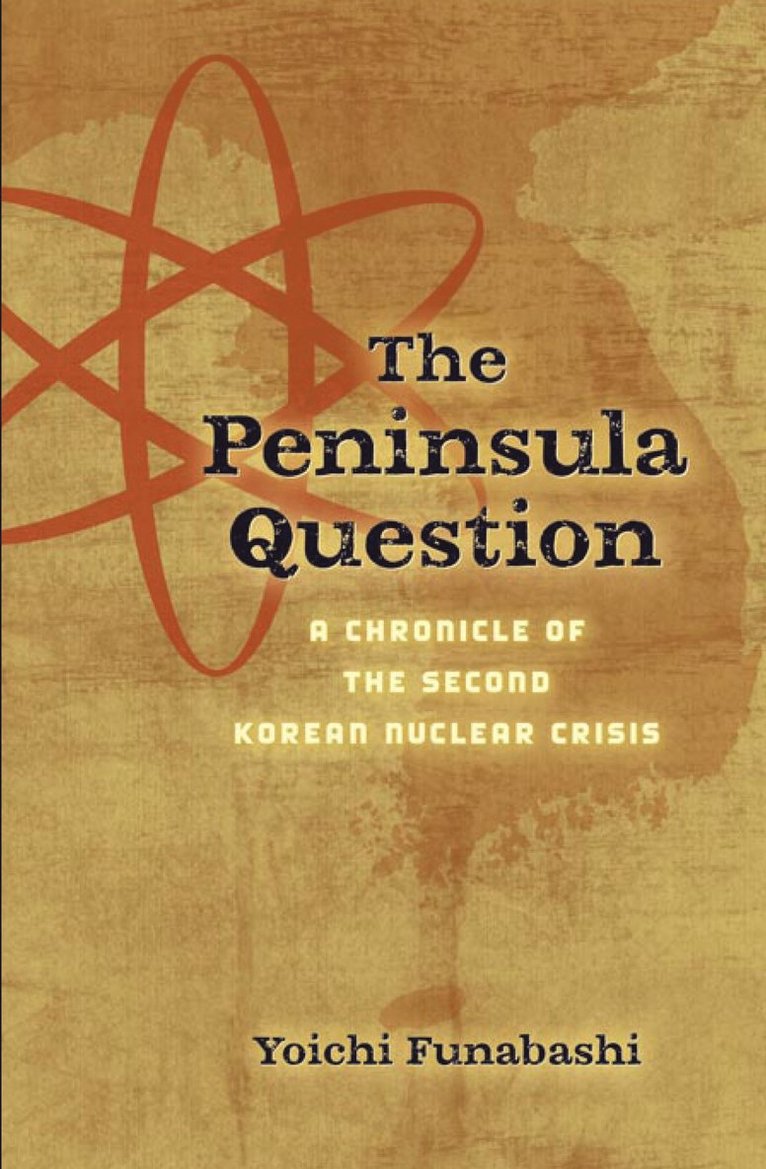
In October 2002 the United States confronted North Korea with suspicions that Pyongyang was enriching uranium in violation of the Agreed Framework that the nations had worked out during the Clinton administration. North Korea subsequently evicted international monitors and resumed its nuclear weapons program. The Peninsula Question chronicles the resulting second Korean nuclear crisis. Japanese journalist Yoichi Funabashi, informed by interviews with more than 160 diplomats and decision makers from China, Japan, Russia, South Korea, and the United States, provides a behind-the-scenes look at the negotiations to denuclearize the peninsula. Between 2002 and 2006, a series of top level diplomats, including the prime minister of Japan, attempted to engage with North Korea. Funabashi illustrates how the individual efforts of these major powers laid the groundwork for multilateral negotiations, first as the trilateral meeting and then as the Six-Party Talks. The first four rounds of talks (20032005) resulted in significant progress. Unfortunately, a lack of implementation after that breakthrough ultimately led to North Korea's missile tests in July and subsequent nuclear tests in October 2006. Th e Peninsula Question provides a window of understanding on the historical, geopolitical, and security concerns at play on the Korean peninsula since 2002. Offering multiple perspectives on the second Korean nuclear crisis, it describes more than just the U.S. and North Korean points of view. It pays special attention to China's dealings with North Korea, providing rare insights to into the decision-making processes of Beijing. This is an important, authoritative resource for understanding the crisis in Korea and diplomacy in Northeast Asia.
488 kr
Skickas inom 10-15 vardagar
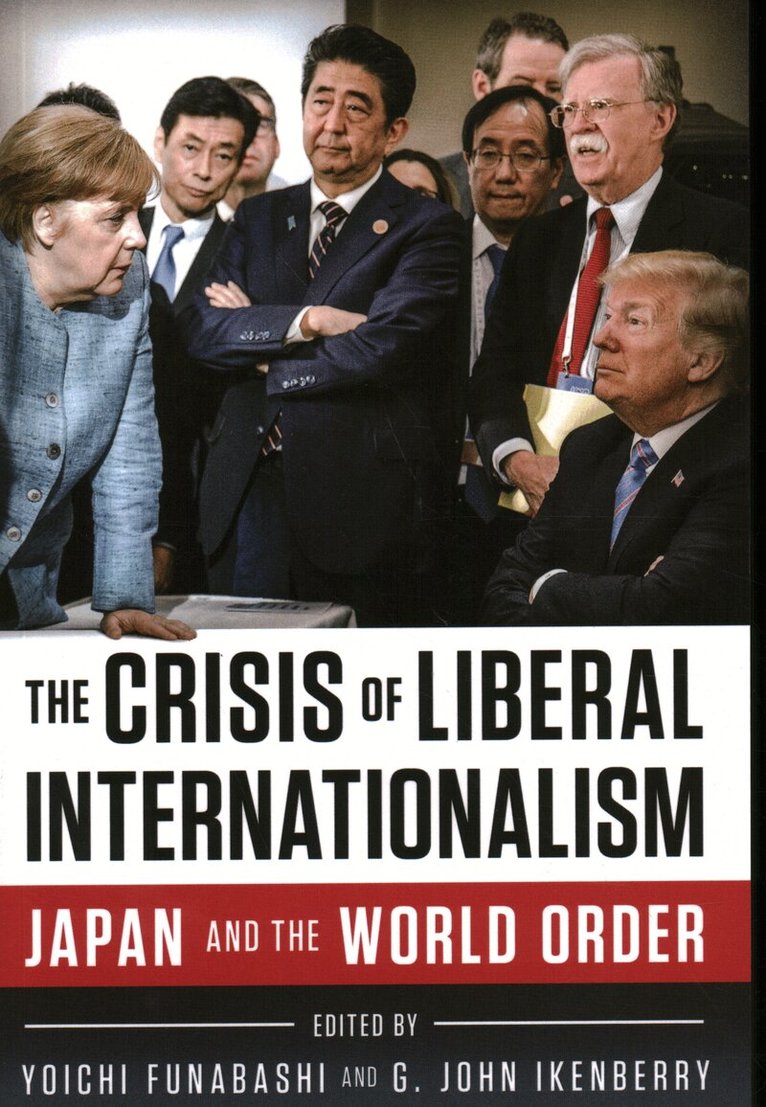
A 2020 CHOICE Outstanding Academic TitleJapan's challenges and opportunities in a new era of uncertaintyHenry Kissinger wrote a few years ago that Japan has been for seven decades an important anchor of Asian stability and global peace and prosperity. However, Japan has only played this anchoring role within an American-led liberal international order built from the ashes of World War II. Now that order itself is under siege, not just from illiberal forces such as China and Russia but from its very core, the United States under Donald Trump. The already evident damage to that order, and even its possible collapse, pose particular challenges for Japan, as explored in this book.Noted experts survey the difficult position that Japan finds itself in, both abroad and at home. The weakening of the rules-based order threatens the very basis of Japan's trade-based prosperity, with the unreliability of U.S. protection leaving Japan vulnerable to an economic and technological superpower in China and at heightened risk from a nuclear North Korea. Japan's response to such challenges are complicated by controversies over constitutional revision and the dark aspects of its history that remain a source of tension with its neighbors.The absence of virulent strains of populism have helped to provide Japan with a stable platform from which to pursue its international agenda. Yet with a rapidly aging population, widening intergenerational inequality, and high levels of public debt, the sources of Japan's stabilityits welfare state and immigration policiesare becoming increasingly difficult to sustain.Each of the book's chapters is written by a specialist in the field, and the book benefits from interviews with more than 40 Japanese policymakers and experts, as well as a public opinion survey. The book outlines today's challenges to the liberal international order, proposes a role for Japan to uphold, reform and shape the order, and examines Japan's assets as well as constraints as it seeks to play the role of a proactive stabilizer in the Asia-Pacific.
285 kr
Skickas inom 5-8 vardagar
169 kr
Skickas inom 7-10 vardagar
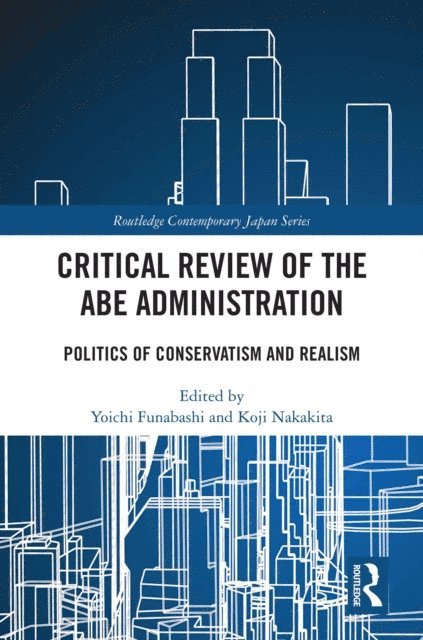
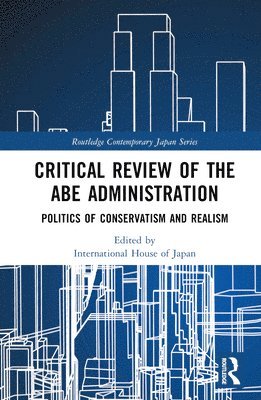
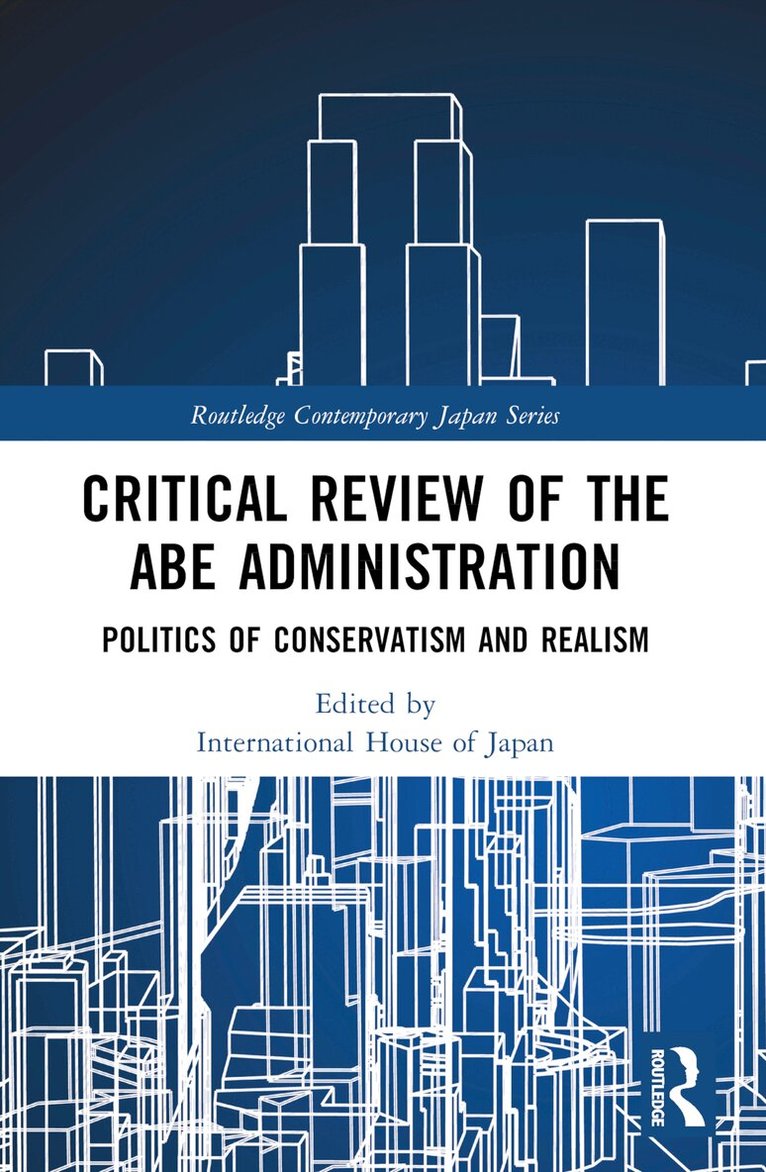
Critical Review of the Abe Administration
Politics of Conservatism and Realism
Inbunden, Engelska, 2023
2 088 kr
Skickas inom 10-15 vardagar
The second Abe administration, which lasted for seven years and eight months, turned out to be the longest administration in Japan’s constitutional history. What factors contributed to its remarkable longevity? What accomplishments and enduring legacies did this administration achieve during its tenure?Originally published in Bungeishunju in Japanese, this book examines policies pursued by the administration and its governance based on over 50 investigative interviews with key figures in the administration, including former Prime Minister Shinzo Abe. The contributors cover nine major policies, including economic policy, diplomacy and security, work style reform, trade liberalization, and historical issues, and explore why a specific policy was chosen at that time, who made that decision, and on what grounds. Reviewing such decision-making processes sheds light on the issue of governance. Consequently, this book also analyses the administration’s distinctive style of governance, such as strong leadership from the Prime Minister’s Office, ability to navigate party politics, and overwhelming victories in national elections.An essential for scholars and students in the fields of public administration, public policy, Japanese studies, and Asian Studies.
630 kr
Skickas inom 10-15 vardagar
The second Abe administration, which lasted for seven years and eight months, turned out to be the longest administration in Japan’s constitutional history. What factors contributed to its remarkable longevity? What accomplishments and enduring legacies did this administration achieve during its tenure?Originally published in Bungeishunju in Japanese, this book examines policies pursued by the administration and its governance based on over 50 investigative interviews with key figures in the administration, including former Prime Minister Shinzo Abe. The contributors cover nine major policies, including economic policy, diplomacy and security, work style reform, trade liberalization, and historical issues, and explore why a specific policy was chosen at that time, who made that decision, and on what grounds. Reviewing such decision-making processes sheds light on the issue of governance. Consequently, this book also analyses the administration’s distinctive style of governance, such as strong leadership from the Prime Minister’s Office, ability to navigate party politics, and overwhelming victories in national elections.An essential for scholars and students in the fields of public administration, public policy, Japanese studies, and Asian Studies.
2 155 kr
Skickas inom 10-15 vardagar
When the Democratic Party of Japan (DPJ) came to power in September 2009, Japanese citizens expected the imminent arrival of a new political era, characterized by a two-party system. However, in addition to the triple disasters of March 2011, the DPJ faced numerous difficulties arising from its controversial policies and massive party defections following the government’s consumption tax hike legislation. The DPJ fell from power following a crushing defeat in the 2012 Lower House election, in which its seat total was drastically reduced.This book examines the September 2009-December 2012 administration of the DPJ from various perspectives, including policies, party governance, management, and legacy. It identifies the significance of the DPJ to Japan’s party politics, explains the reasons for its downfall, and derives crucial lessons for the future of party democracy in Japan. The contributors, a team of professional academics and a lawyer, analyse the policies and events of the DPJ administration based on their interviews with key DPJ politicians and related persons at or close to the centre of the administration. Together they elicit insights from the experiences of the DPJ government to inform the expectations of Japan’s party democracy. Explaining how the failure of the DPJ government has long-term importance for understanding Japanese politics, this book will be invaluable for students and scholars of the field.
2 219 kr
Skickas inom 10-15 vardagar
This book examines five features of Japan’s ‘Lost Decades’: the speed of the economic decline in Japan compared to Japan’s earlier global prowess; a rapidly declining population; considerable political instability and failed reform attempts; shifting balances of power in the region and changing relations with Asian neighbouring nations; and the lingering legacy of World War Two. Addressing the question of why the decades were lost, this book offers 15 new perspectives ranging from economics to ideology and beyond. Investigating problems such as the risk-averse behaviour of Japan’s bureaucracy and the absence of strong political leadership, the authors analyse how the delay of ‘loss-cutting policies’ led to the 1997 financial crisis and a state of political gridlock where policymakers could not decide on firm strategies that would benefit national interests. To discuss the rebuilding of Japan, the authors argue that it is first essential to critically examine Japan’s ‘Lost Decades’ and this book offers a comprehensive overview of Japan’s recent 20 years of crisis. The book reveals that the ‘Lost Decades’ is not an issue unique to the Japanese context but has global relevance, and its study can provide important insights into challenges being faced in other mature economies. With chapters written by some of the world’s leading Japan specialists and chapters focusing on a variety of disciplines, this book will be of interest to students and scholars in the areas of Japan studies, Politics, International Relations, Security Studies, Government Policy and History.
608 kr
Skickas inom 10-15 vardagar
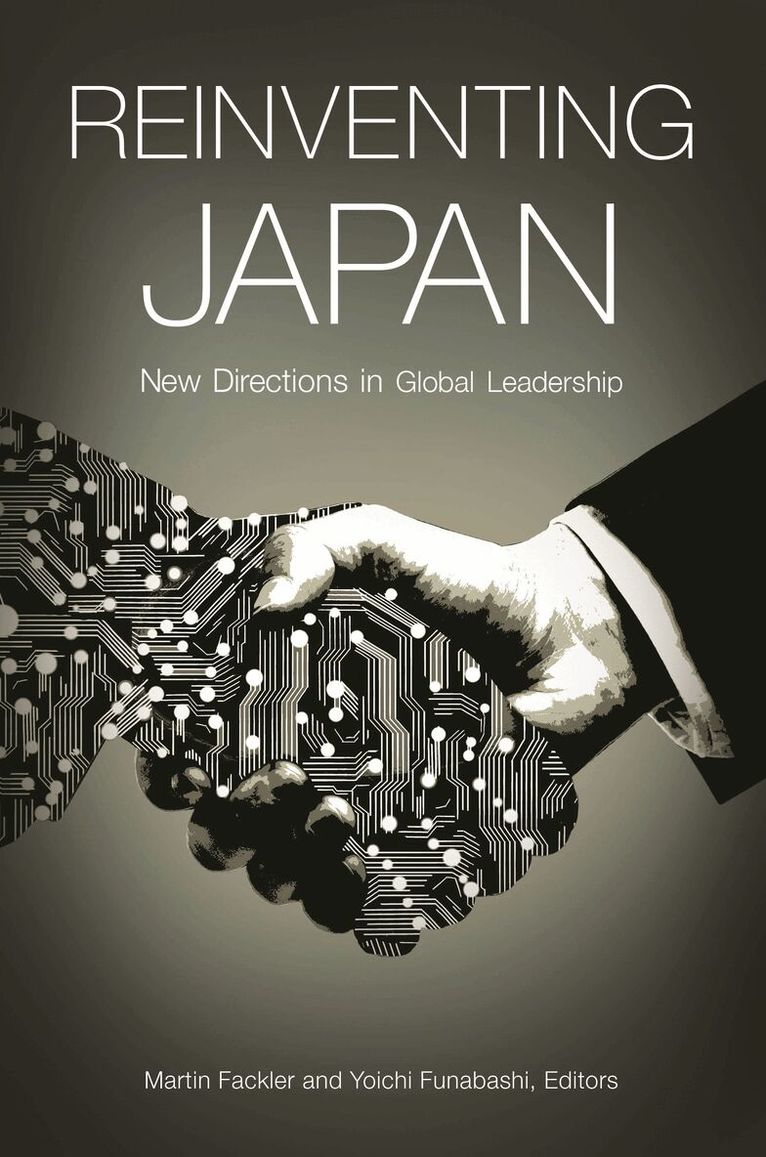
Highly readable yet deeply researched, this book serves as an essential guide to the many ways in which Japan has risen to become one of the world's most creative and innovative societies.During its so-called Lost Decades, Japan has quietly reinvented itself from a nation with an economy playing catch-up into a global leader in innovation and creativity, one whose "soft power" extends from postmodern architecture to pluripotent stem cells. Written by a dozen experts in their fields, including architect Kengo Kuma, designer of Tokyo's 2020 Olympic stadium, this book describes Japan's contributions to the world in fields ranging from fashion and pop culture to development aid and historical reconciliation. In addition, it demonstrates how Japan has led efforts to contend with several social and economic challenges facing the entire developed world, including demographic aging, rising health-care costs, and wasteful consumption. Using these accomplishments as evidence, it argues that, in an era of questions surrounding the capability of American leadership, the time has come for Japan to step into a new role as a purveyor of models and values better suited to today's multipolar and diverse world.
1 473 kr
Skickas inom 10-15 vardagar
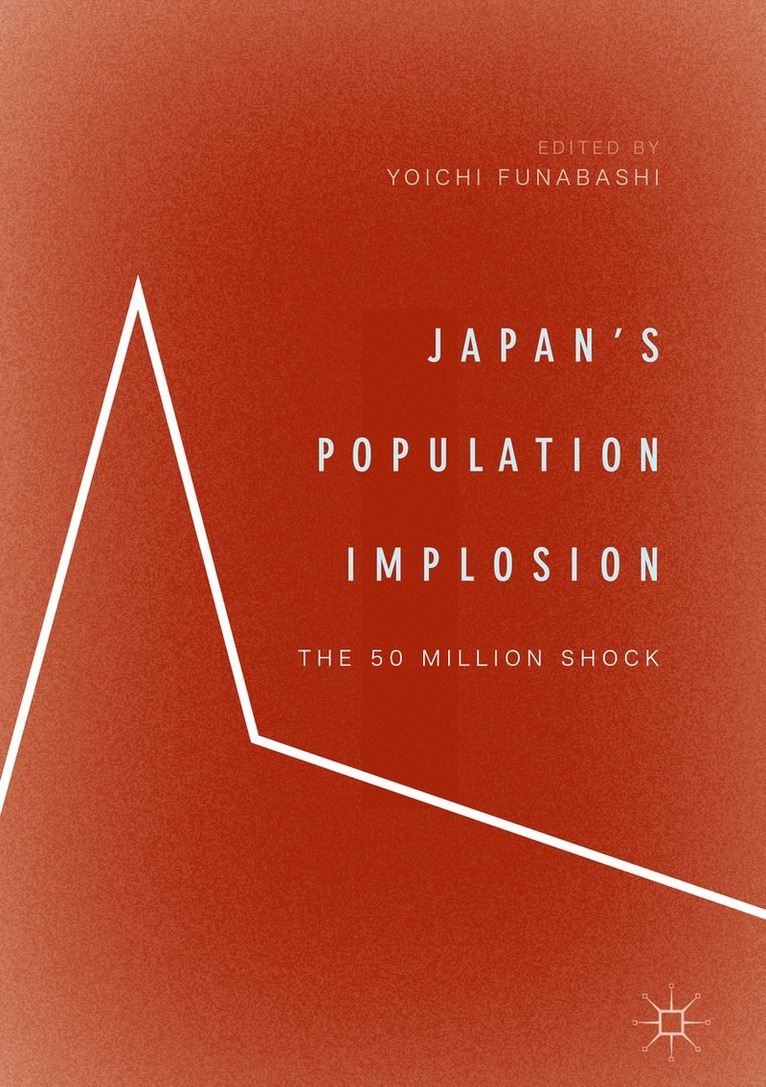
This cutting edge collection examines Japan’s population issue, exploring how declining demographic trends are affecting Japan’s social structure, specifically in the context of Greater Tokyo, life infrastructure, public finance and the economy.
1 473 kr
Skickas inom 10-15 vardagar
This cutting edge collection examines Japan’s population issue, exploring how declining demographic trends are affecting Japan’s social structure, specifically in the context of Greater Tokyo, life infrastructure, public finance and the economy.
408 kr
Skickas inom 10-15 vardagar
Highly readable yet deeply researched, this book serves as an essential guide to the many ways in which Japan has risen to become one of the world's most creative and innovative societies.During its so-called Lost Decades, Japan has quietly reinvented itself from a nation with an economy playing catch-up into a global leader in innovation and creativity, one whose "soft power" extends from postmodern architecture to pluripotent stem cells. Written by a dozen experts in their fields, including architect Kengo Kuma, designer of Tokyo's 2020 Olympic stadium, this book describes Japan's contributions to the world in fields ranging from fashion and pop culture to development aid and historical reconciliation. In addition, it demonstrates how Japan has led efforts to contend with several social and economic challenges facing the entire developed world, including demographic aging, rising health-care costs, and wasteful consumption. Using these accomplishments as evidence, it argues that, in an era of questions surrounding the capability of American leadership, the time has come for Japan to step into a new role as a purveyor of models and values better suited to today's multipolar and diverse world.