Archaeobiology - Böcker
Visar alla böcker i serien Archaeobiology. Handla med fri frakt och snabb leverans.
6 produkter
6 produkter
1 258 kr
Skickas inom 5-8 vardagar
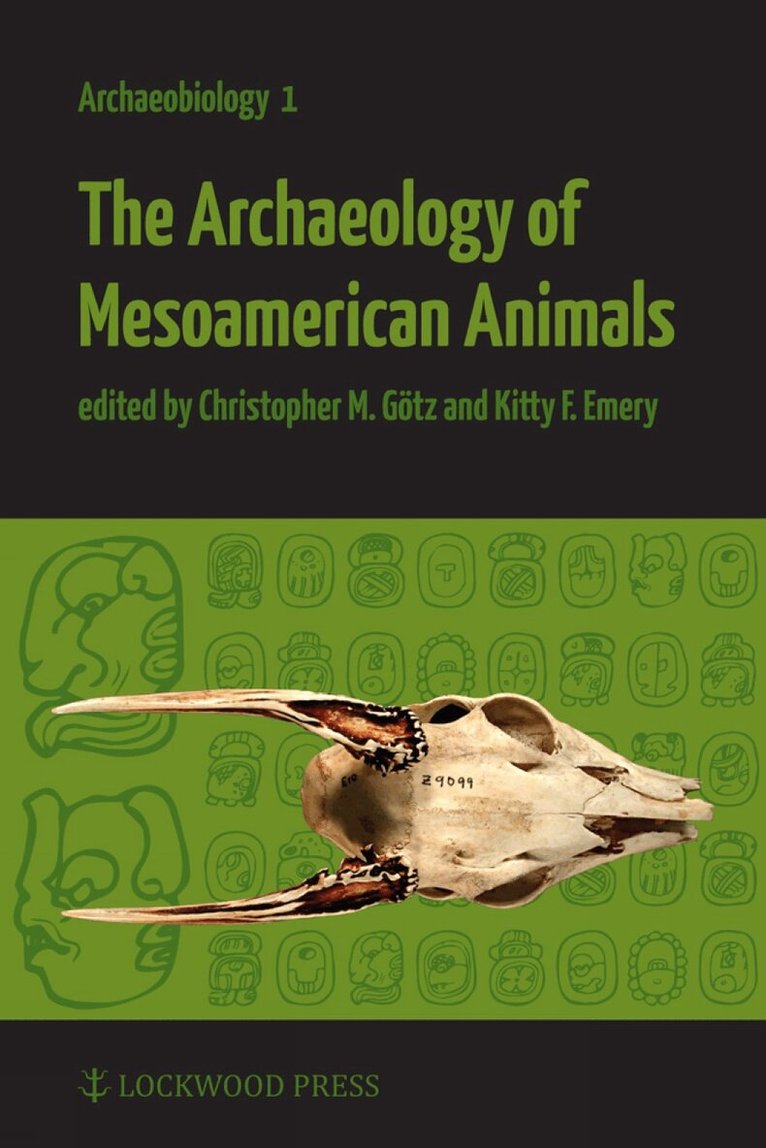
Includes 100 figures and 200 tables. Recognition of the role of animals in ancient diet, economy, politics, and ritual is vital to understanding ancient cultures. Following the clues available from animal remains in reconstructing environments is vital to understanding the ancient relationship between humans and the world around them. In response to the growing interest in the field of zooarchaeology, this volume presents current research from across the many cultures and regions of Mesoamerica, dealing specifically with the most current issues in zooarchaeological literature. Geographically, the essays collected here index the different aspects of animal use by the indigenous populations of the entire area between the northern borders of Mexico and the southern borders of lower Central America. This includes such diverse cultures as the north Mexican hunter-gatherers, the Olmec, Maya, Mixtec, Zapotec, and Central American Indians. The time frame of the volume extends from the earliest human occupation, the Preclassic, Classic, Postclassic, and Colonial manifestations, to recent times. The book's chapters, written by experts in the field of Mesoamerican zooarchaeology, provide important general background on the domestic and ritual use of animals in early and classic Mesoamerica and Central America. English text. Spanish-language version also available (ISBN 978-1-937040-12-3).
1 302 kr
Skickas inom 5-8 vardagar
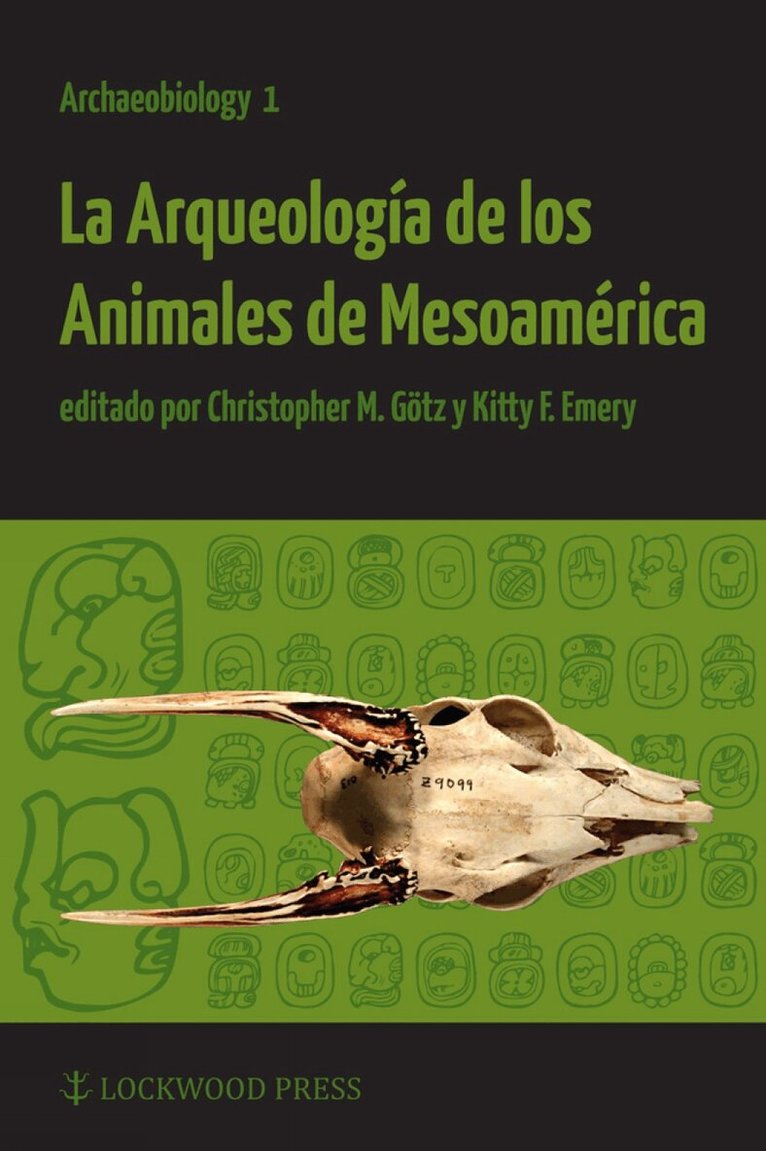
El reconocimiento del papel de los animales en las antiguas dietas, en las economías, políticas y los rituales, es vital para poder entender a las culturas del pasado en su totalidad. Por el otro lado, seguir las claves que se obtienen de restos de animales pretéritos puede aproximarnos a entender la antigua relación que existía entre los humanos y el mundo que les rodeaba.En respuesta a un creciente interés en el campo de la zooarqueología, este libro presenta investigaciones que representan a las múltiples culturas y regiones de Mesoamérica, tratando específicamente los aspectos más recurrentes en la literatura zooarqueológica.Desde el punto de vista geográfico, los ensayos reunidos aquí informan acerca del uso de animales por parte de los pueblos indígenas de toda el área mesoamericana, ubicada entre los confines norteños de México y la frontera sur, en Centroamérica. Esto incluye culturas tan diversas como los olmecas, mayas, mixtecos, zapotecos e indígenas de Centroamérica. El marco temporal del libro se extiende desde el Preclásico y Clásico, sobre el Posclásico, los tiempos coloniales e históricos, hasta la época actual. Los capítulos del libro, escritos por expertos en la materia de la zooarqueología mesoamericana, proporcionan un fondo de conocimiento general e importante acerca del uso doméstico y ritual durante los tiempos tempranos y clásicos de Mesoamérica y Centroamérica, pero abarcan también aspectos específicos de la relación entre humanos y animales, tales como la domesticación temprana y el simbolismo de animales, así como otros puntos aún pobremente entendidos, relacionados a la tafonomía y a la metodología zooarqueológica.Spanish text.English-language version also available (ISBN 978-1-937040-05-5).
Del 2 - Archaeobiology
Wide Lens in Archaeology
Honoring Brian Hesse's Contributions to Anthropological Archaeology
Häftad, Engelska, 2018
991 kr
Skickas inom 5-8 vardagar
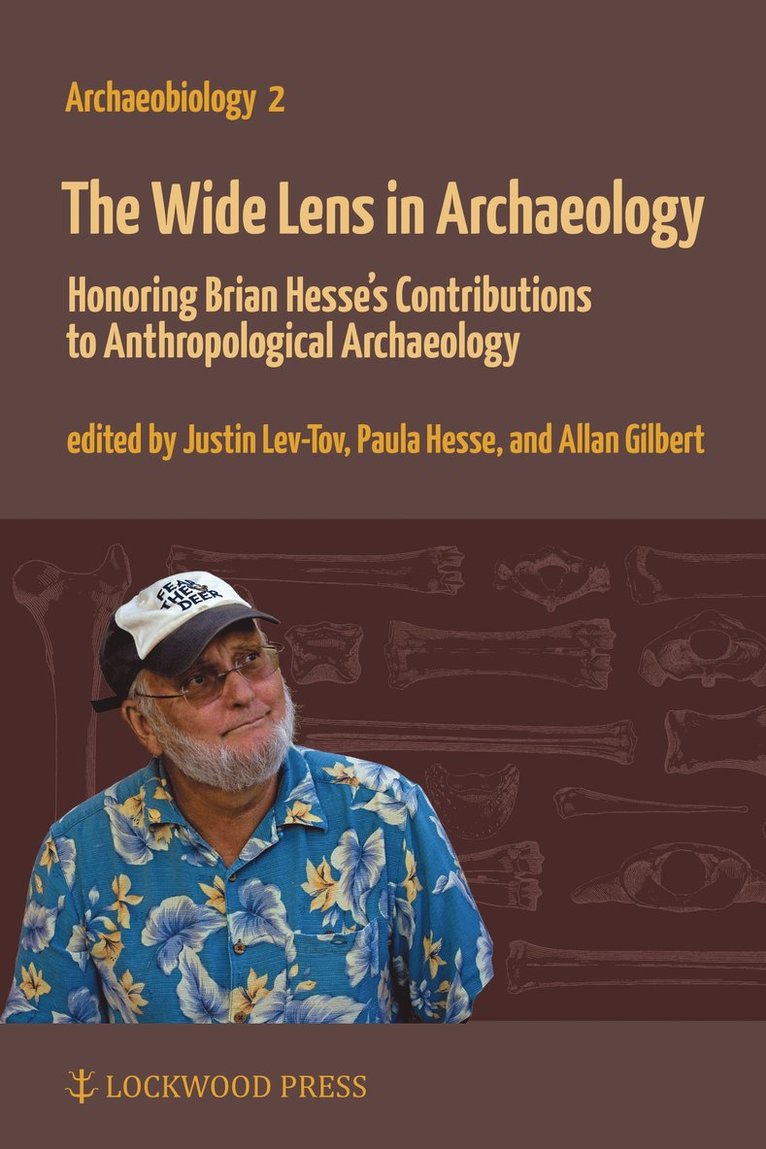
This book is a Gedenkschrift in memory of Brian Hesse, a scholar of archaeology, a writer of alliterative and punned publication titles, and an accomplished amateur photographer.Hesse specialized in zooarchaeology, but he influenced a wider range of excavators and ancient historians with his broad interpretive reach. He spent much of his career analysing faunal materials from different countries in the Middle East--including Iran, Yemen, and Israel, and his publications covered themes particular to animal bone studies, such as domestication, ancient market economics, as well as broader themes such as determining ethnicity in archaeology.The essays in this volume reflect the breadth of his interests. Most chapters share an Old World geographic setting, focusing either on Europe or the Middle East. The topics are diverse, with the majority discussing animal bones, as was Hesse's specialization, but some take a non-faunal perspective related to the problems with which Hesse grappled. The volume is also broad in temporal scope, ranging from Neolithic Iran to early Medieval England, and it addresses theoretical matters as well as methodological innovations including taphonomy and the history of computers in zooarchaeology. Several of the essays are direct revisits to, inspirations from, or extensions of Hesse's own research.All the contributions reflect his intense interest in social questions about antiquity; the theme of social archaeology informed much of Brian Hesse's thinking, and it is why his work made such an impact on those working outside his own disciplinary research.
Archaeozoology of Southwest Asia and Adjacent Areas XIII
Proceedings of the Thirteenth International Symposium, University of Cyprus, Nicosia, Cyprus, June 2017
Häftad, Engelska, 2022
1 879 kr
Skickas inom 5-8 vardagar
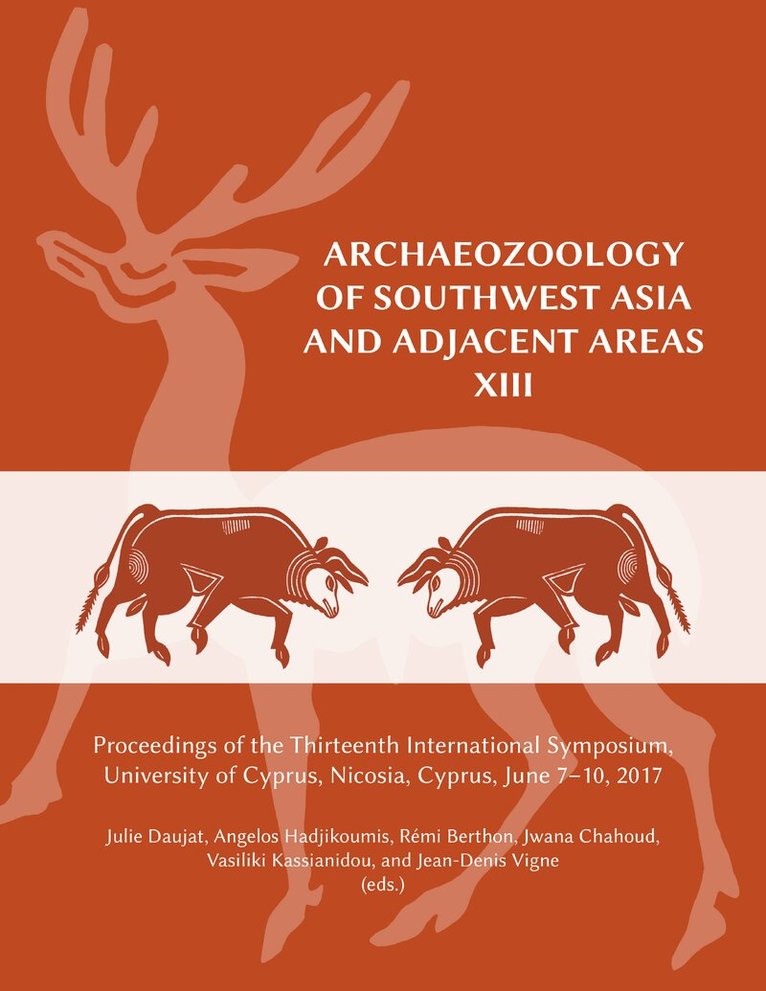
Southwest Asia is at the epicentre of zooarchaeological research on pivotal changes in human history such as animal domestication and the emergence of social complexity. This volume continues the long tradition of the Archaeozoology of Southwest Asia and Adjacent Areas (ASWA) conference series in publishing new research results in the zooarchaeology of southwest Asia and adjacent areas.The book is organized in three thematic areas. The first presents new methodological tools and approaches in the study of animal remains exemplified through studies on domestication, butchery practices, microdebris, intrasite contextual comparisons and age-at-death recording. Besides offering interesting insights into our past, these methodological developments enable higher resolution for future research. The second section focuses on the subsistence economies of prehistoric and early complex societies and provides new insights into how animal management developed in southwest Asia. The third section includes intriguing new research results on the roles of animals in the symbolic world of ancient societies, such as the meaning of insect figures at Goebekli Tepe, animal cults in Egypt, feasting in Iron Age Oman, and the ornithological interpretation of Byzantine mosaics.
Del 4 - Archaeobiology
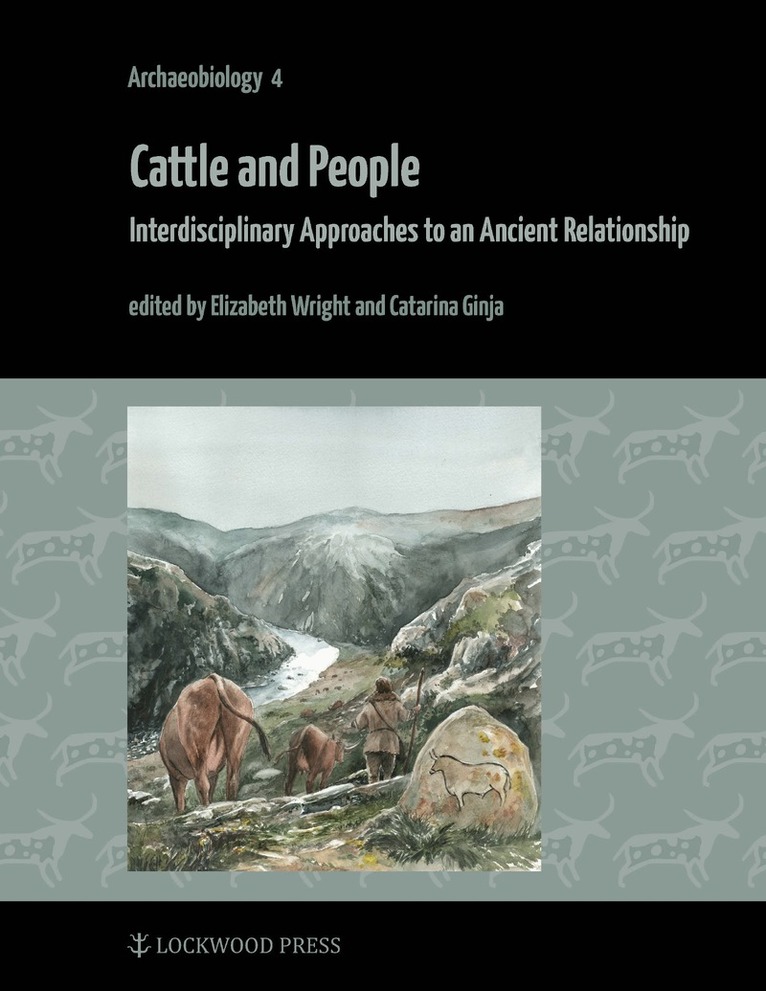
Cattle and People
Interdisciplinary Approaches to an Ancient Relationship
Inbunden, Engelska, 2022
1 373 kr
Skickas inom 5-8 vardagar
The contributions in this volume reflect the breadth of work being undertaken on the ancient relationship between humans and cattle across the continents of Europe, Africa and Asia, and from the late Pleistocene to postmedieval period. Almost all involve the study of archaeological cattle remains. They use different zooarchaeological methods, but the combinations of these varied approaches with that of ethnography, isotopes and genetics is a major feature.Cattle and Humans originated in a session that took place at the 2018 International Council of Archaeozoology conference in Ankara, Turkey, entitled "Humans and Cattle: Interdisciplinary Perspectives to an Ancient Relationship." The aim of the session was to bring together zooarchaeologists and their colleagues from various other research fields working on human/cattle interactions over time.
Del 5 - Archaeobiology
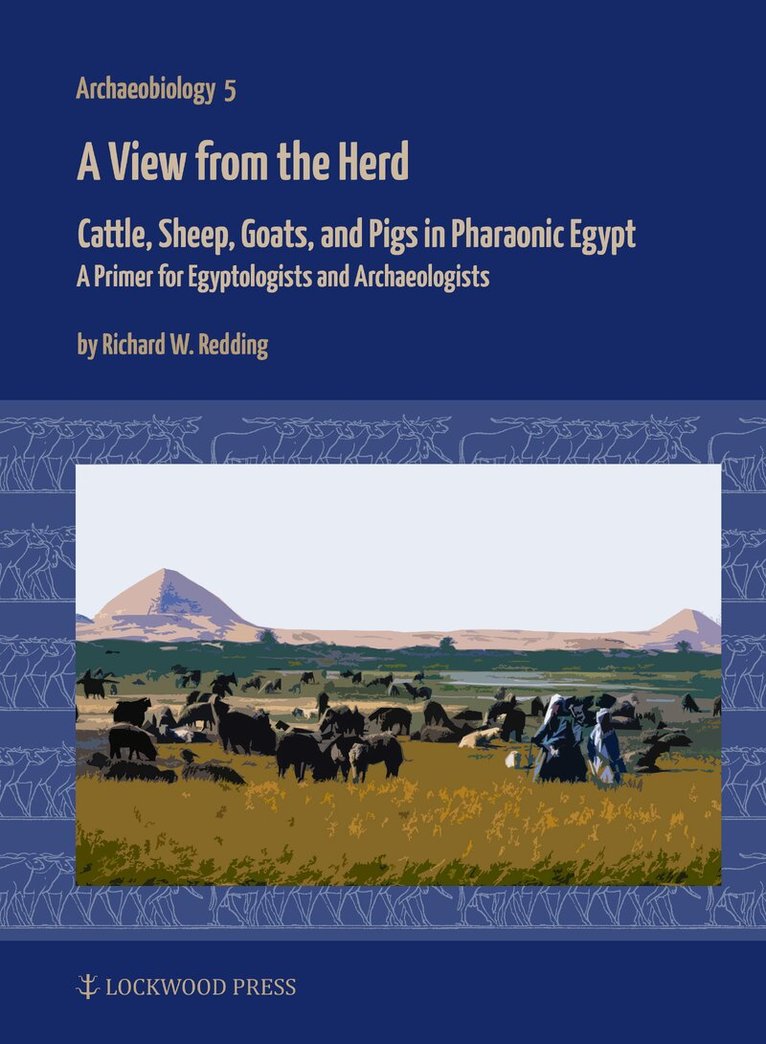
View from the Herd
Cattle, Sheep, Goats, and Pigs in Pharaonic Egypt: A Primer for Egyptologists and Archaeologists
Inbunden, Engelska, 2024
867 kr
Skickas
In this book, the late Richard Redding synthesizes his decades-long work on the ancient agricultural economy of Egypt. Drawing on a diverse range of data, including zooarchaeology, ancient texts, and iconographic sources, he explores the role of cattle, sheep, goats and pigs in the economic infrastructure of ancient, mainly Pharaonic, Egypt, along with the complexities of decision-making processes that shaped the use and management of these vital livestock resources. The book integrates zooarchaeological and historical data with information on unimproved breeds of agricultural livestock from Egypt and the broader Middle East as well as considering texts and tomb paintings. Redding argues that understanding the interplay between economic forces, environmental factors and herders' knowledge of animal characteristics is crucial for unravelling the dynamic nature of decision-making. He explores herd growth rates, meat yields, caloric and nutritional benefits, and optimal herd structures. By employing that data and ecological models, including the annual Nile floods, he provides insights into the adaptive strategies employed by ancient Egyptian herders. In this way, Redding examines the economic rationale behind ancient Egyptian herding communities. His models of Pharaonic herding strategies generate expectations tested using zooarchaeological evidence.Redding long advocated the modelling approach that he demonstrates here, understanding zooarchaeological data through a lens of animal biology and environmental context. This work should spark wide interest among archaeologists working in disparate regions.