At Work – serie
Visar alla böcker i serien At Work. Handla med fri frakt och snabb leverans.
13 produkter
13 produkter
172 kr
Skickas
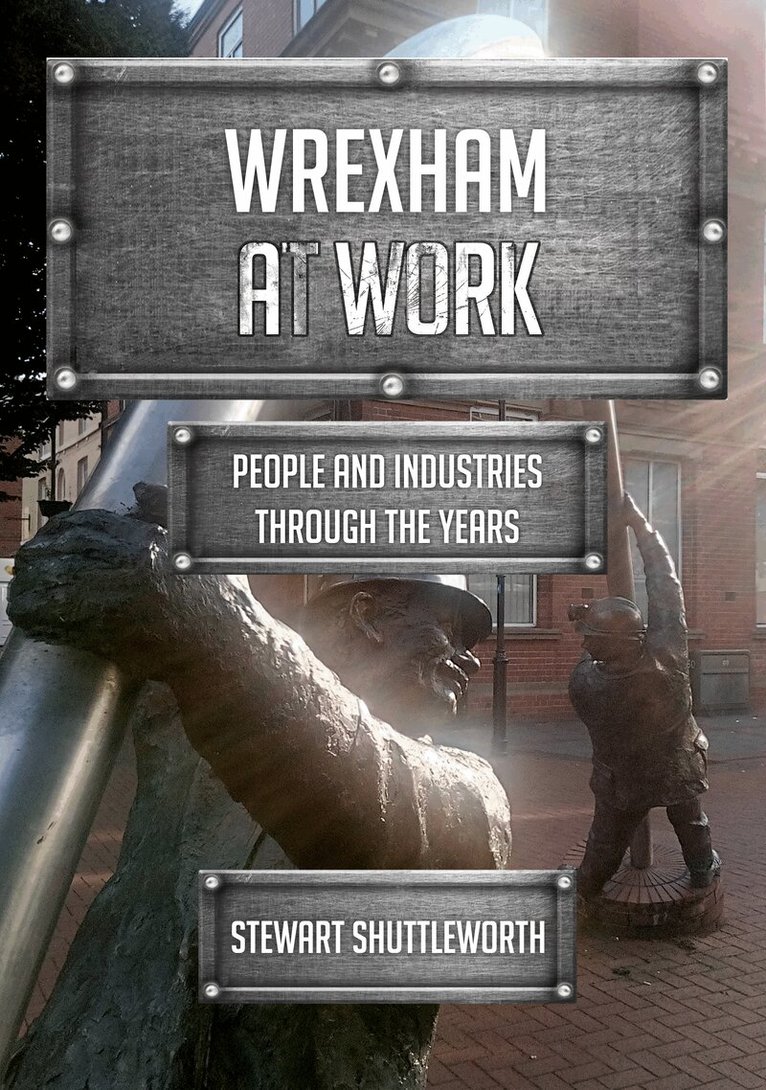
Wrexham is the largest town in North Wales and since 1996 has been the centre of the county borough. There is evidence of settlement and industry in the county borough since before Roman times. Significant later development took place in the fourteenth century with the growth of a small town and establishment of a market. The county borough has a rich heritage of industry, including coal and lead mining, iron and steel production, and brick and tile making, which developed in the Industrial Revolution. Wrexham town’s main industries in the past were brewing and leatherwork, but today it is an administrative, commercial and educational centre.Wrexham at Work explores the county borough’s industrial heritage and the working life of its people from its preindustrial beginnings to the present day. The author examines how the massive changes in the patterns of work have affected the area. During the late eighteenth century much of the county borough was heavily industrialised. In the last century Wrexham entered the post-heavy industrial world and the author looks at how the county borough adapted to these changes. Illustrated throughout, with colour and archive material, this book will appeal to local people and those interested in the industrial heritage of North Wales.
172 kr
Skickas
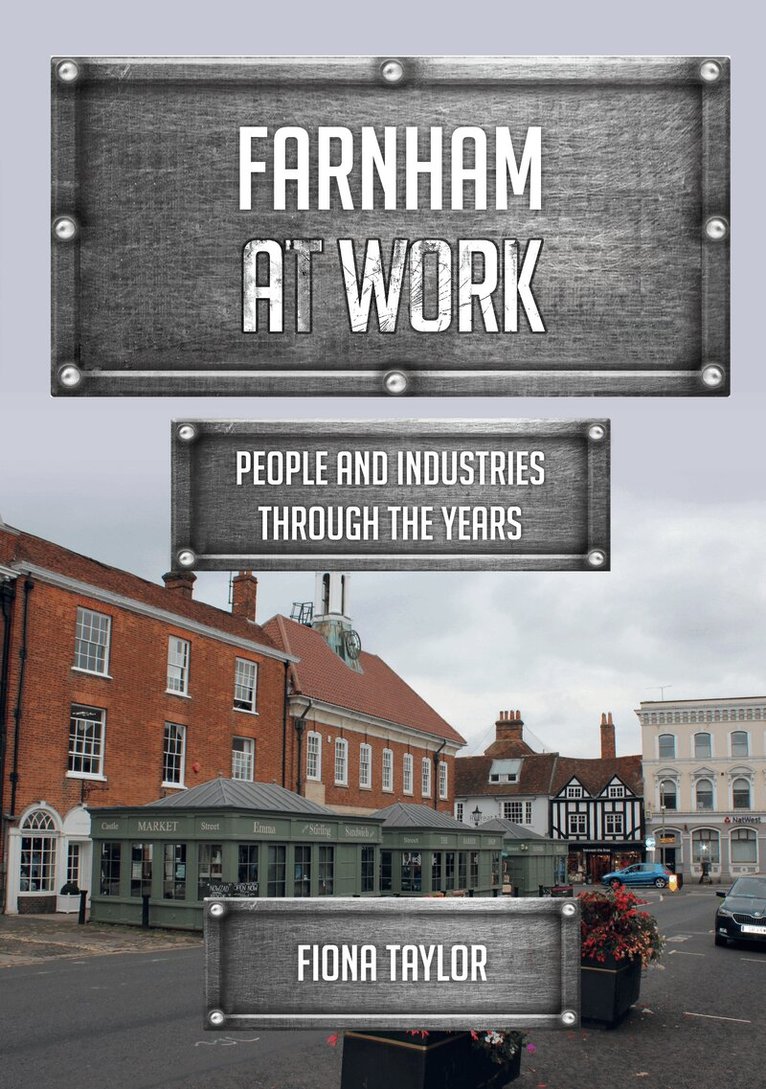
Farnham in Surrey, with its Norman castle and lying on a major route, was an important market town in the Middle Ages. The town’s prosperity was also based on its proximity to Winchester and its trade in wheat, wool and pottery. Wool was also woven and fulled in Farnham. A large-scale brickworks used the ample supply of clay in the town. As the wheat market declined in the eighteenth century, hop growing took over and wealth generated led to the building of the Georgian streets that are still a feature of Farnham today. Farming and basket weaving with local willow continued to provide a living for many working on the land around Farnham, but the coming of the railways in the nineteenth century brought more people and new trades into the town, and some of the shops opened at that time still exist today. Farnham was home to early motor car manufacturing and also developed as a craft centre. The town is now a popular centre for visitors and has provided the location for a number of feature films in recent years.Farnham at Work explores the working life of this town in Surrey and its people and the trades, businesses and industries that have characterised it through the ages. This book will appeal to all those with an interest in the history of Farnham.
172 kr
Skickas
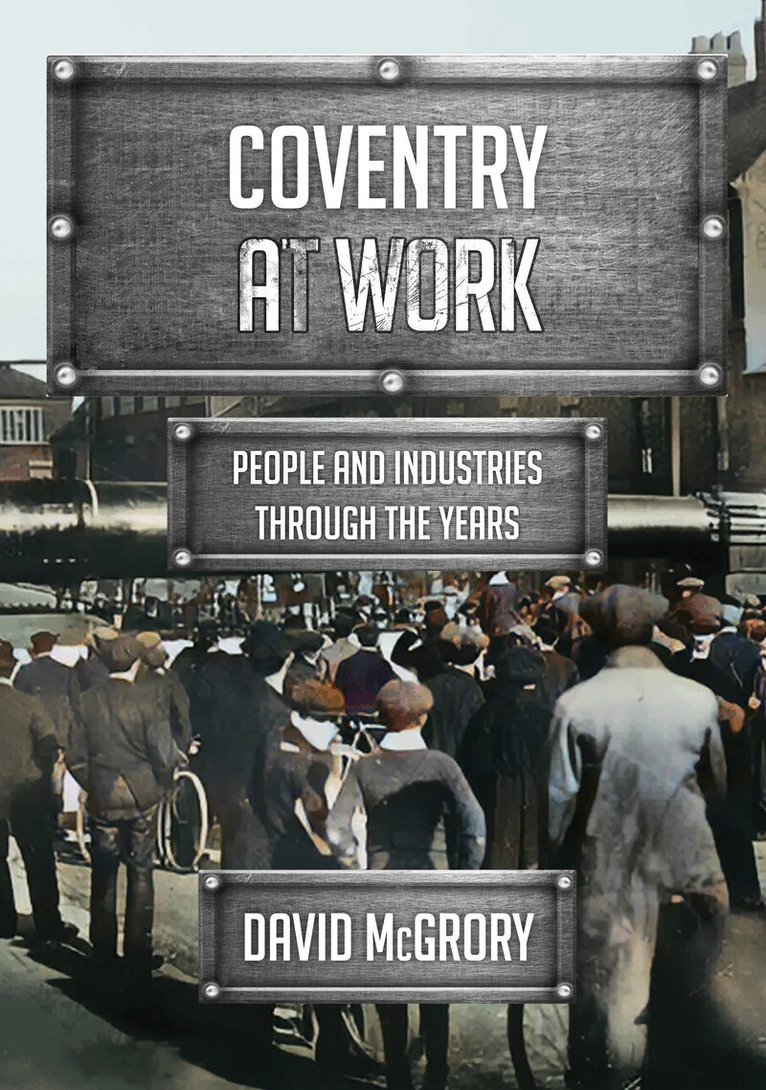
Coventry has been a major centre of trade and industry since the Middle Ages. Medieval Coventry was known for making tiles, cloth, buckles, statues and stained glass. Other textile industries followed, the dyeing of cloth with the famous Coventry true blue and silk-weaving. Much later, in the twentieth century, Coventry became a pioneer of synthetic fibre manufacturing. Clock-making grew from the sixteenth century, and later watch-making – Dickens carried his Coventry watch until he died – and in the nineteenth century Coventry also became known for bike manufacture. This also led to Coventry becoming the hub of car manufacturing in the twentieth century. It was Coventry’s expertise in this area, as well as aircraft, military vehicles and armaments, that led to it being targeted by enemy bombing in the Second World War.Coventry at Work explores the working life of this city in the East Midlands and its people and the industries that have characterised it through the ages. This book will appeal to all those with an interest in the history of Coventry.
172 kr
Skickas
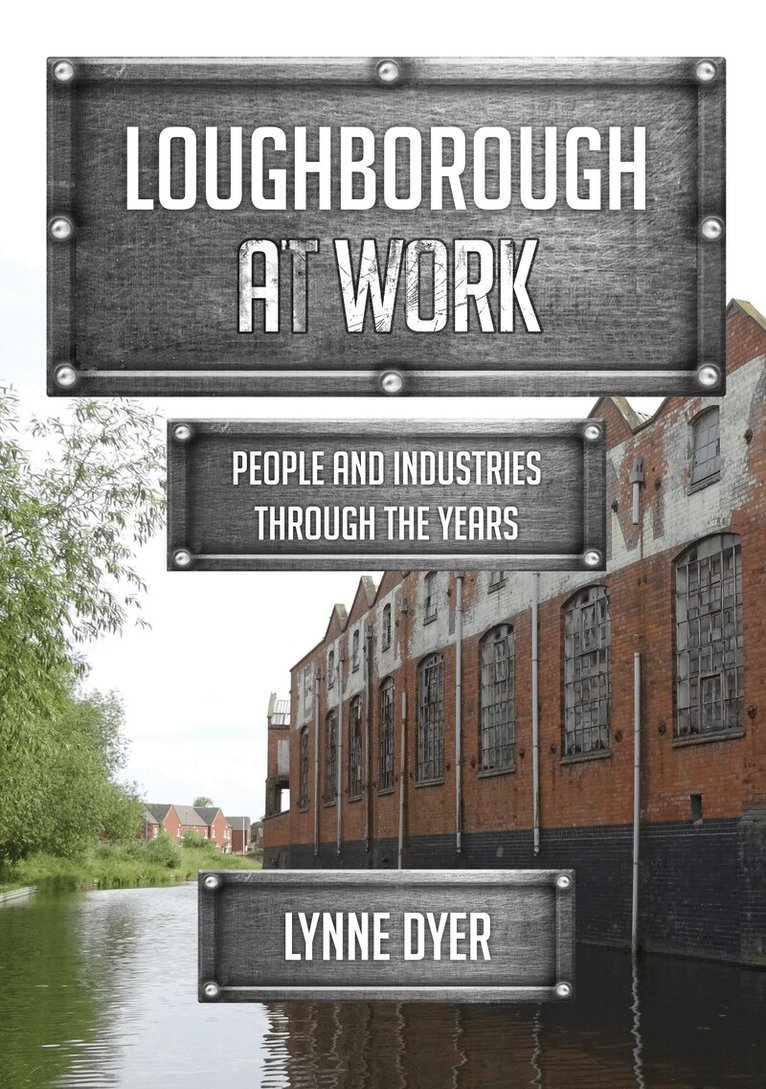
The market and university town of Loughborough has a long, varied and often unexpected history. In the medieval period many people worked the land or provided services necessary for everyday life, such as blacksmithing, millwrighting and stonemasonry. The town’s prosperity was due to its sustained involvement in the woollen industry, while later locals were hugely influential in the Agricultural Revolution. However, the Industrial Revolution changed the landscape, providing new and different employment through the canals and railways as well as large hosiery factories. New industries came to Loughborough, such as bell founding, locomotive manufacturing and electrical generators, and the town’s female munitions workers played an important role during the First World War. In recent decades the town has moved away from manufacturing to retail and education, though the Covid-19 pandemic has made it difficult to predict how work will look here in the future.Loughborough at Work explores the working life of this town in Leicestershire and its people and the trades, businesses and industries that have characterised it through the ages. The book will appeal to all those with an interest in the history of Leicestershire.
172 kr
Kommande
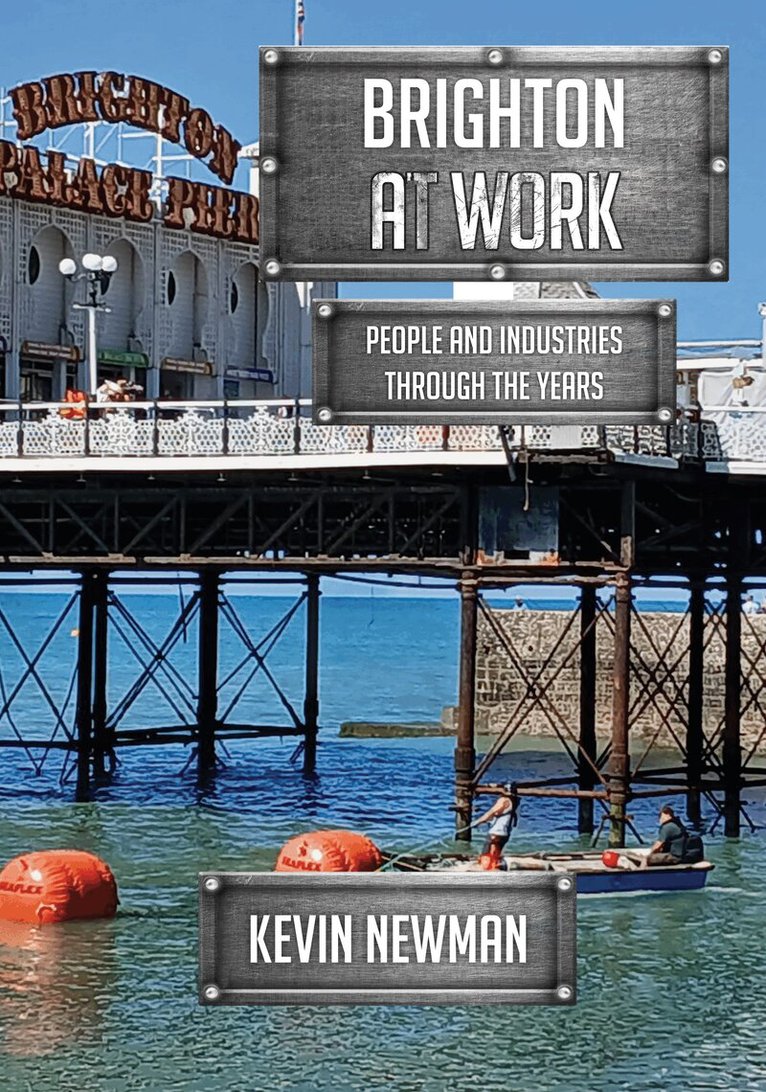
Brighton was a relatively small town on the South Coast of England until its transformation as a resort in the eighteenth and nineteenth centuries. Fashionable visitors led to the development of hotels and new housing and the population grew rapidly. The arrival of the railways brought more visitors, as well as a large locomotive engineering works, and the town became known as a major commercial centre. Neighbouring Hove, originally a fishing village, grew alongside its larger neighbour and today the city of Brighton and Hove is one of the largest conurbations in the south of England.Brighton at Work explores the working life of this city on the South Coast of England and its people and the industries that have characterised it through the ages. The book will appeal to all those with an interest in the history of Brighton.
172 kr
Skickas
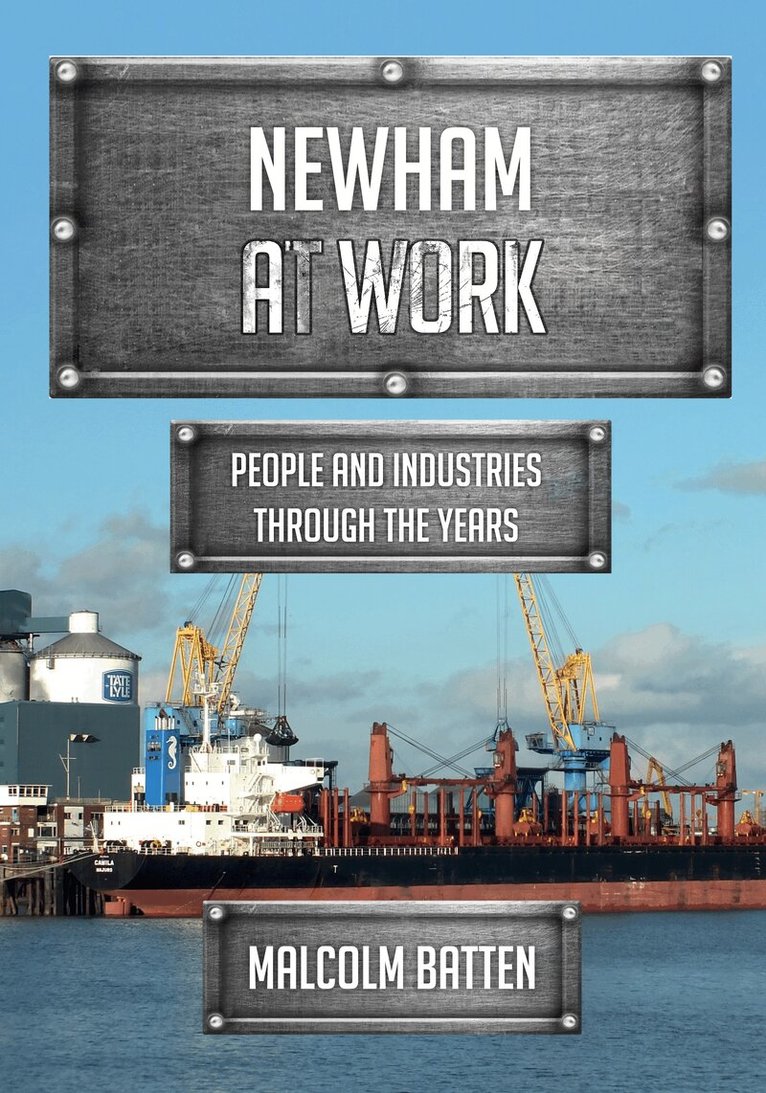
The London Borough of Newham was created in 1965 by the merger of the County Borough Councils of East Ham and West Ham. At first, industry was concentrated on the banks of the River Lea (or Lee). The coming of the railways coupled with the rise of new technologies in the Victorian era, and legislation prohibiting many of the smellier and noisier industries from operating within London, led to the rapid growth of industry and population within Newham from the 1840s onwards. The area grew rich from industry, with famous names such as Tate & Lyle and Trebor Sweets, railway engineering at Stratford and the docks. Marshland south of Plaistow and East Ham was drained to create the docks and the industrial areas of Canning Town and Silvertown, the latter named after a local entrepreneur. Much of this industry fell into decline from the late twentieth century. When the docks closed in 1981 and relocated to Tilbury, the London Docklands Development Corporation was set up to regenerate the Docklands area with London City Airport and a new University of East London campus taking their place, and retail became the major employer in the area. Following hosting the 2012 London Olympic and Paralympic Games, the Olympic Park area of Stratford has since been redeveloped with new cultural and educational facilities.Newham at Work explores the working life of this borough in London and its people and the industries that have characterised it through the years. This book will appeal to all those with an interest in the history of Newham.
172 kr
Kommande
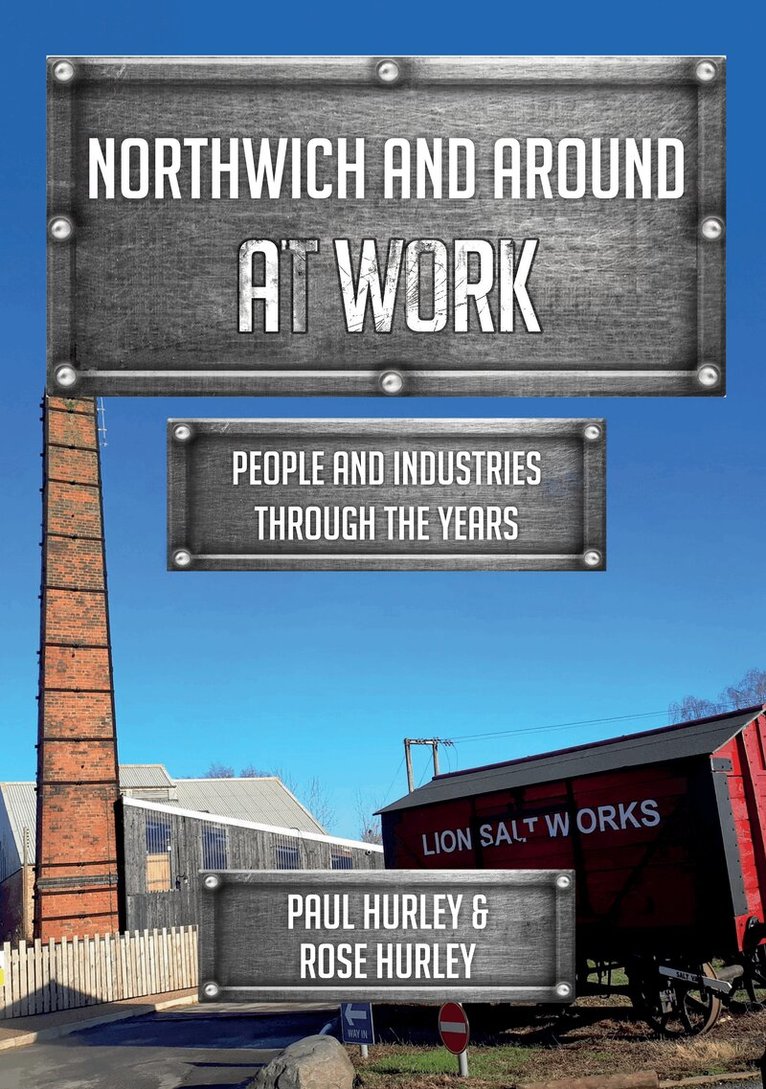
The town of Northwich in Cheshire has been known for its salt production for centuries. The salt mines beneath the town were exploited by the Romans through to the modern era and in the vast excavations have caused major subsidence in Northwich. By the nineteenth century Northwich was also a centre of the chemical industry in the northwest of England. Brunner Mond started the production of soda ash in 1874 at Winnington and the company later became ICI, building a huge industrial railway network in the area and growing into one of the largest manufacturers in the UK. Among the other industries in Northwich were steel works and shipyards. W.J. Yarwoods & Sons Ltd built over 1,000 vessels including small warships, one under the direction of Lawrence of Arabia, and Isaac Pimblott & Sons also built small craft including canal vessels, both closing in the 1960s/1970s. The town also had steel works and many other industries.Northwich and Around at Work explores the working life of this town and surrounding area in Cheshire and its people and the industries that have characterised it through the ages. The book will appeal to all those with an interest in the history of Northwich.
172 kr
Kommande
A pictorial history of the working life of Letchworth Garden City over the last century and more.
172 kr
Skickas
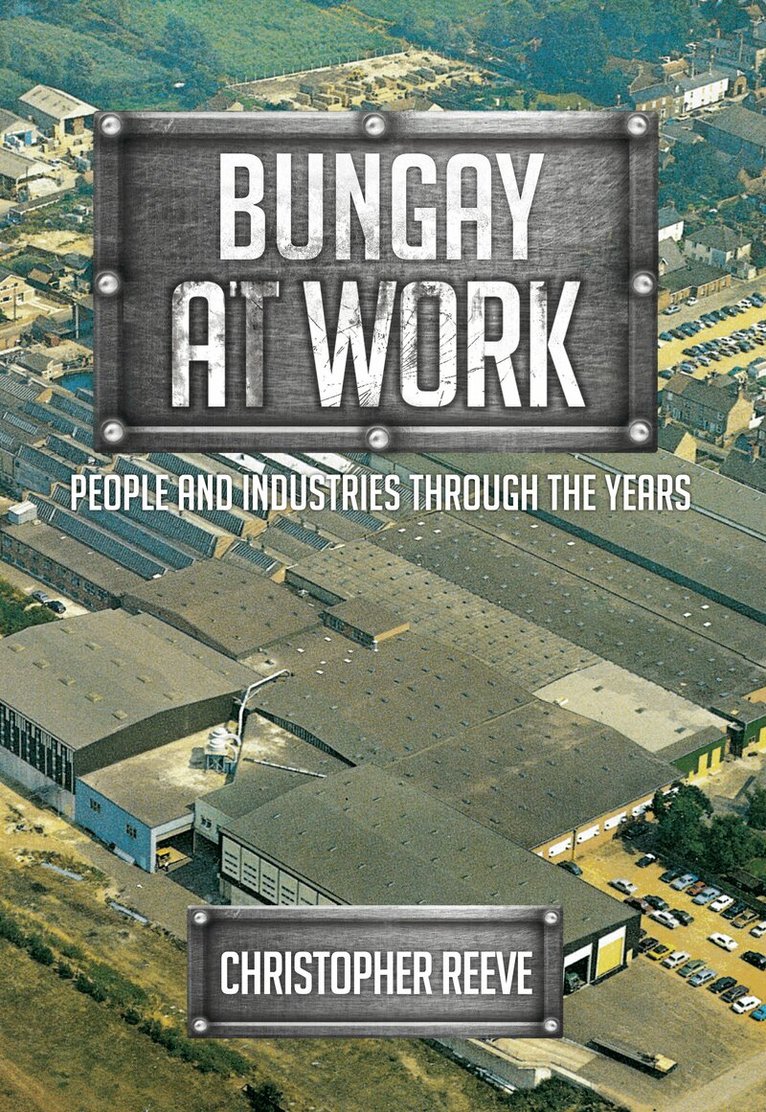
The small market town of Bungay, situated close to the River Waveney on the Norfolk-Suffolk border, has been continuously settled by Iron Age, Roman and Saxon communities. The town achieved considerable prominence and prosperity when the wealthy Bigod family, Earls of Norfolk, established a castle fortress here in c. 1165. By the eighteenth century it had grown into a thriving market town and became known as ‘Little London’. The river navigation increased with the supply of timber, coals, malt, and dairy products to British troops during the Napoleonic Wars. Brewing became an increasingly important trade and in the nineteenth century a local printing business flourished, benefitting from innovations in technology and the production of affordable Bibles. In 1877 it was taken over by the London firm of Clay’s, and continues today as one of the world’s largest producers of books. A silk factory provided work for 300 employees. Rail goods and passenger transport commenced in 1860, but had partly an adverse effect, encouraging locals to shop in the larger towns, and by the early twentieth century agricultural depression brought economic decline. With the outbreak of war and conscription, pubs also suffered and many closed – only eleven of the original thirty-three survived at the end of the century. The Waveney silted up, so navigation and contact with the Broads and local ports ceased.In a fascinating series of contemporary photographs and illustrations, Bungay At Work explores the life of this East Anglian town and its people, from its pre-industrial beginnings, through two world wars and into the twenty-first century as Bungay reinvents itself as a tourist destination.
172 kr
Skickas
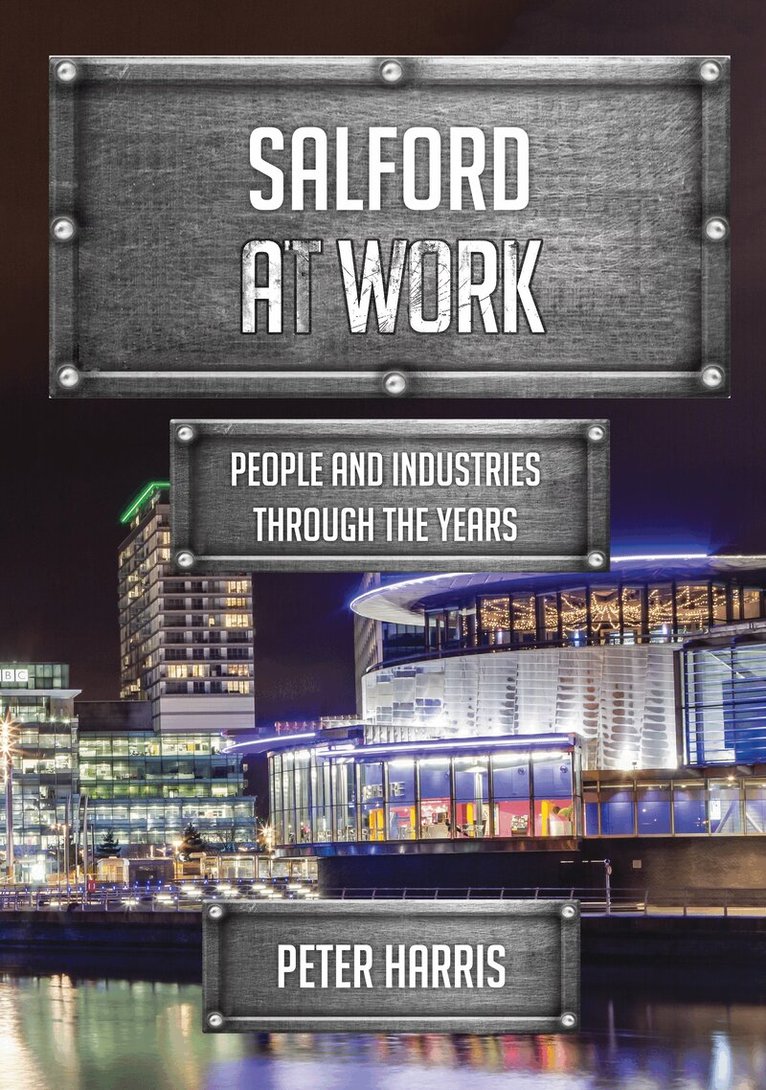
Though often seen as the smaller twin of Manchester, Salford – its neighbour across the River Irwell – boasts a rich industrial heritage. Cotton and silk spinning and weaving in local mills attracted an influx of families and provided Salford with a strong economy. However, it was the completion of the Manchester Ship Canal in 1894 that triggered the town’s development as a major inland port, and Salford expanded rapidly from a small market town into a major industrial metropolis. The population rose from 12,000 in 1812 to 70,244 within thirty years. By the end of the nineteenth century it had increased to 220,000, mostly housed in low-quality and overcrowded Victorian terraces, leading to chronic social deprivation.Salford at Work explores the life of Salford and its people, from pre-industrial beginnings through to the present day. In a fascinating series of contemporary photographs and illustrations, it takes us through the dramatic rise and fall of the textile industry and the town’s role as a major inland port, the trauma of high unemployment between the wars, post-war industrial decline and into the twenty-first century, showing how this ‘Dirty Old Town’ has successfully transformed itself from one of the country’s most deprived areas into a thriving post-industrial city.
162 kr
Skickas
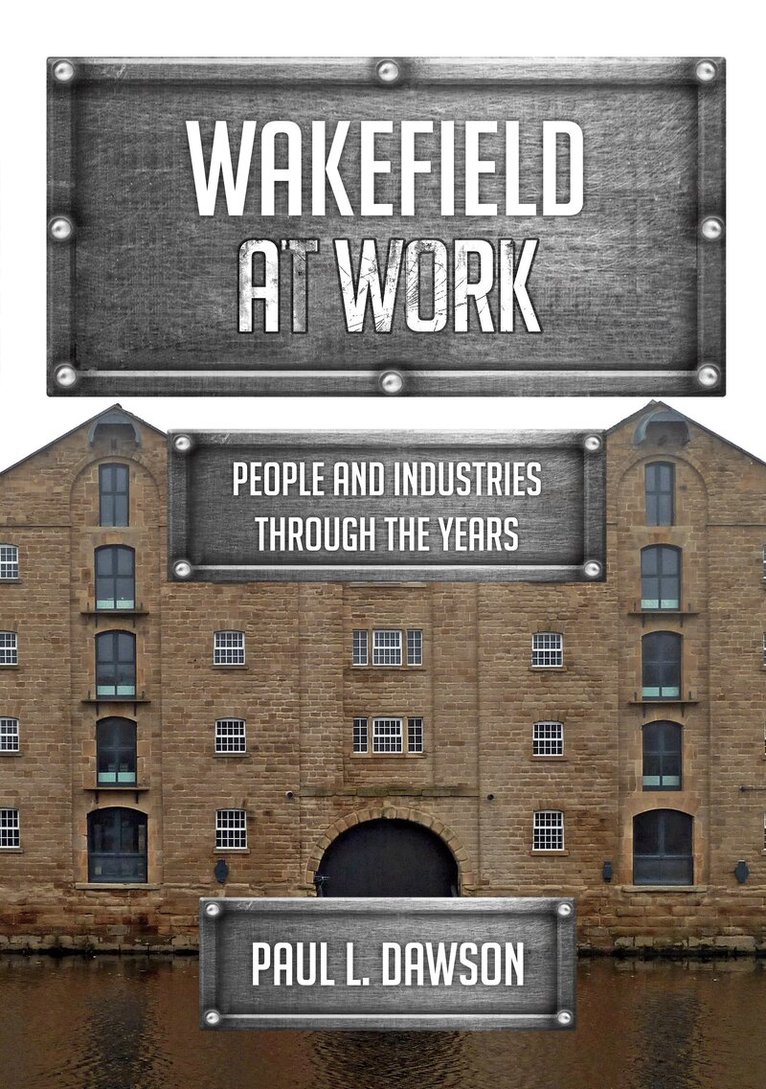
Wakefield was a prosperous market town in the Middle Ages, but it was transformed by coal mining during the Industrial Revolution. Mining dominated the local economy until the last pits closed in the 1970s and 1980s.Trade in cloth and cloth finishing were also cornerstones of Wakefield’s economy, drawing in merchants from across the north. Local families – the Milnes’s and the Naylors – dominated the trade until the economic depression of the 1820s and increasing mechanisation. Cloth production started on a small scale and many houses in the area had a weaving shed until the arrival of the first steam-powered mill in 1781 and the rapid expansion of fulling and scribbling mills in Wakefield.Yarn spinning was more successful, and the huge Plumpton Park complex on Westgate became the largest employer in the town. Heavy industry also came to Wakefield. Steam engines were constructed at Fall Ing Foundry from 1791 and the railways became a major employer. Greens Economiser Works were a major concern until the 1960s.The city has been transformed once more, with the major employers today being warehouse distribution bases, retail parks and shopping outlets. Wakefield at Work explores the working life of this Yorkshire city and its people, and the industries that have characterised it. The book will appeal to all those with an interest in the history of Wakefield.
172 kr
Skickas
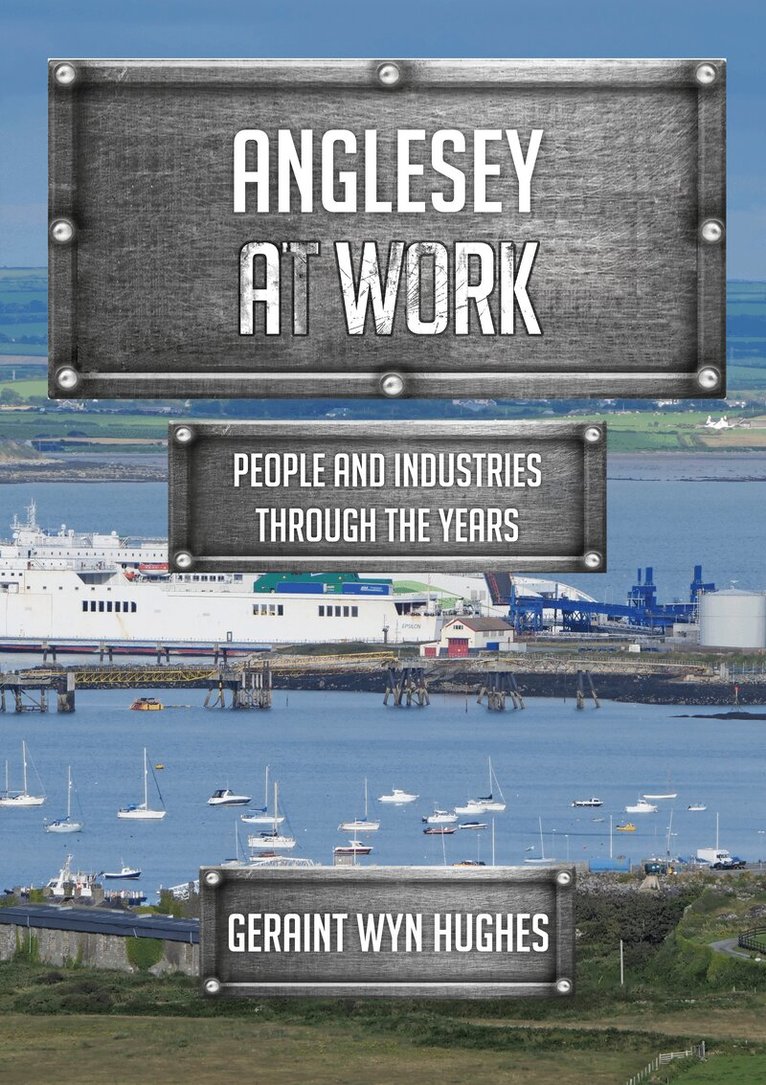
The island of Anglesey, lying off the coast of north-west Wales, has experienced waves of invasions over the centuries. Its inhabitants have worked on the land, surrounding waters and local industries through the many changes that have taken place on Anglesey up to the present day. Agriculture has played an important role on the island, but its natural resources have also been exploited and harnessed, from copper and coal mining, iron extraction, stone quarrying, to wind and tidal mills and the now decommissioned nuclear power station at Wylfa. Maritime activities have included shipbuilding, fishing, whaling, lighthouses and lifeboat stations and the island has also been an important militarily home of the Catalina factory and RAF Valley. The port of Holyhead has long been important for people travelling between Britain and Ireland, and roads, railways and bridges built on the island by Telford and Stephenson during the Industrial Revolution onwards still facilitate the tourism trade today, which is a significant element of Anglesey’s economy.Anglesey at Work explores the working life of this island in North Wales. This book will appeal to all those with an interest in the history of Anglesey.
928 kr
Skickas inom 3-6 vardagar