Biotechnology Handbooks - Böcker
Visar alla böcker i serien Biotechnology Handbooks. Handla med fri frakt och snabb leverans.
19 produkter
19 produkter
2 101 kr
Skickas inom 10-15 vardagar
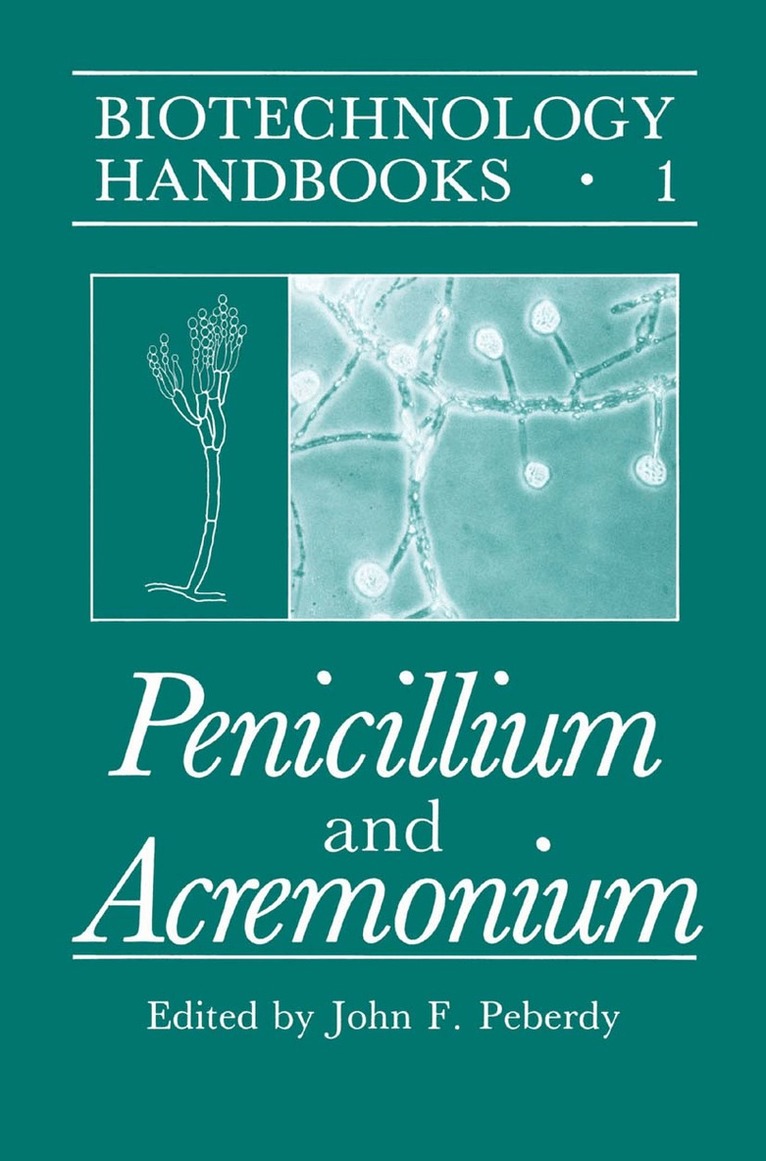
Biotechnology is a word that was originally coined to describe the new processes which could be derived from our ability to manipulate, in vitro, the genetic material common to all organisms. I t has now become a generic term encompassing all "applications" of living systems, including the more traditional fermentation and agricultural industries. Recombinant DNA technology has opened up new opportunities for the exploitation of microorganisms and animal and plant cells as producers or modifiers of chemical and biological products. This series of handbooks deals exclusively with microorganisms which are at the forefront of the new technologies and brings together in each of its volumes the background information necessary to appreciate the historical development of the organisms making up a particular genus, the degree to which molecular biology has opened up new opportunities, and the place they occupy in today's biotechnology industry. Our aim was to make this primarily a practical approach, with emphasis on methodology, combining for the first time information which has largely been spread across a wide literature base or only touched upon briefly in review articles. Each handbook should provide the reader with a source text, from which the importance of the genus to his or her work can be identified, and a practical guide to the handling and exploitation of the organisms included.
2 164 kr
Skickas inom 10-15 vardagar
The genus Bacillw; has a long history of importance, both from an economic point of view and as a source of experimental microorganisms. This volume critically reviews aspects of identification, molecular biology, and growth that are of impor tance for the current and anticipated future exploitation of members of this group. In addition, the volume includes a chapter on taxonomy, as the importance of good taxonomy is often not fully appreciated; on sporulation, since so many important products are produced concomitantly with this process and we are beginning to understand the mechanisms by which the process is controlled; and, finally, on the cell envelope, as we are only just beginning to appreciate the significance of dif ferences between the cell walls of gram-positive and gram-negative bacteria for productivity and processing. The commercial importance of Bacillus lies mainly in the area of enzyme pro duction for the food, drink, and detergent markets. Increasingly, however, the ability of Bacillus to secrete proteins, coupled with its regulatory acceptability, has resulted in strenuous efforts to develop species of Bacillus as hosts for the produc tion of value-added heterologous proteins. Difficulties have often been encoun tered, indicating a need to divert more resources to improving our understanding of the molecular biology of members of this grou p. Experience with Escherichia coli, a far from ideal organism from a commercial point of view, suggests that an in creased investment in Bacillus is likely ultimately to be productive.
2 380 kr
Skickas inom 10-15 vardagar
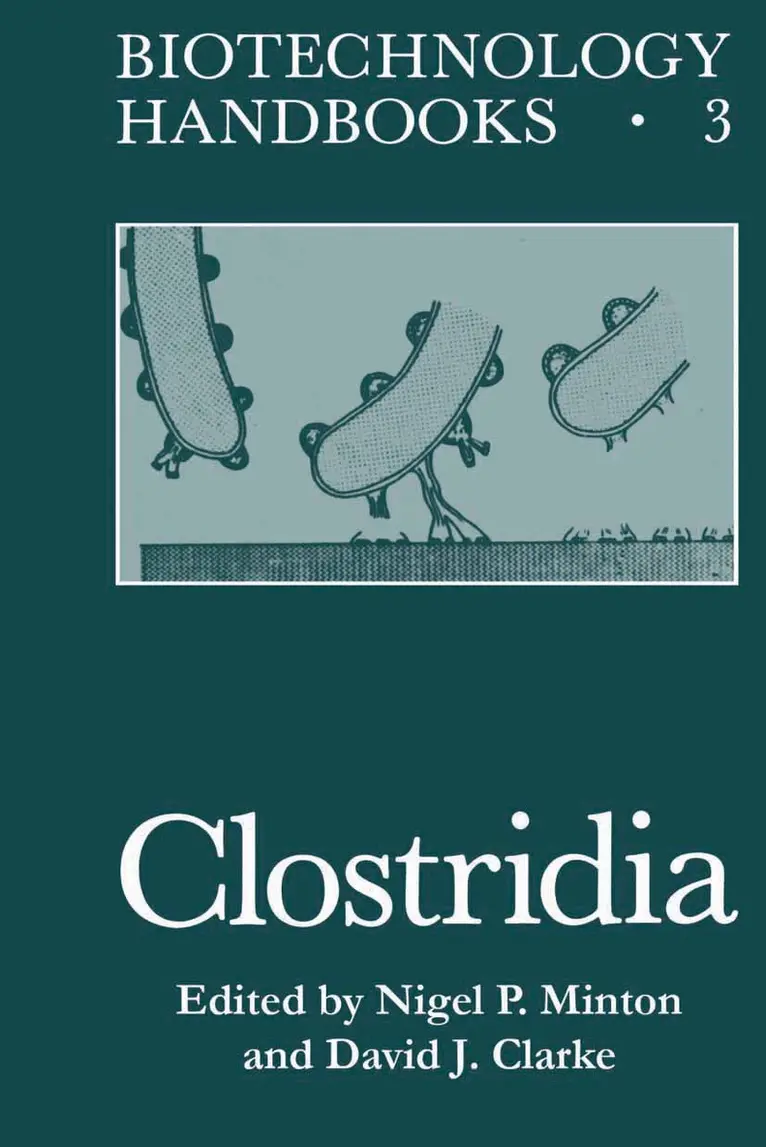
To the uninitiated, the genus Clostridium is likely more to be associated with disease than biotechnology. In this volume, we have sought to remedy this misconception by compiling aseries of chapters which, together, provide a practically-oriented handbook of the biotechnologie potential of the genus. Clostridium is a broad grouping of organisms that together undertake a myriad of biocatalytic reactions. In the first two chapters, the reader is introduced to this diversity, both taxonomically and physiologically. In the following chapter, the current state of genetic analysis of members of the genus is reviewed. The remaining chapters concentrate on specific, exploit able aspects of individual Clostridium species-highlighting their range of unique capabilities (of potential or recognized industrial value), particu larly in the areas of biotransformation, enzymology, and the production of chemical fuels. Fittingly, the final chapter demonstrates that even the most toxic of the clostridia can be of therapeutic value. The contributors to this volume reflect the trans national interest in Clostridium, and we are indebted to each of them for making this volume possible. We particularly wish to acknowledge the contributions, both to this volume and to microbiology in general, of Dr. Elizabeth Cato, who, sadly, died shortly be fore publication ofthis volume. Finally, we would like to join the authors in recommending closer and wider consideration of the attributes and capabilities of this genus.
2 101 kr
Skickas inom 10-15 vardagar
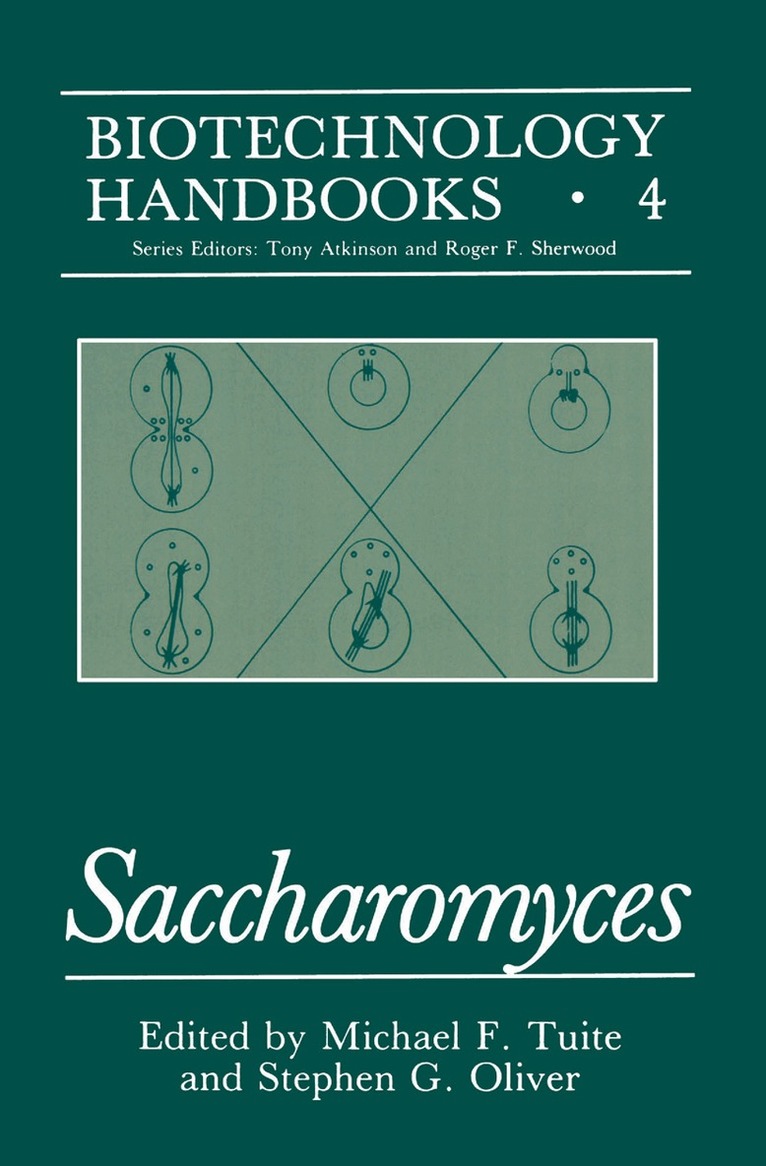
In this volume we aim to present an easy-to-read account of the genus Saccharomyces that we hope will be of value to all students and researchers wishing to exploit this important genus, be it for academic or commer cial purposes. Individual chapters have been commissioned to cover specific aspects of the biology of Saccharomyces species: growth, genetics, and metabolism, with the emphasis on methodology. Basic principles are discussed without an over-detailed, step-by-step breakdown of specific techniques, and lengthy discussions of standard molecular, biological, and biochemical techniques (e. g. , polyacrylamide gel electrophoresis, protein purification, DNA sequencing) have been avoided. We hope the volume will provide a quick reference to the current status of a wide range of Saccharomyces-specific methodologies without focusing ex clusively on recent developments in molecular techniques which can be found in the ever increasing numbers of "cloning manuals. " By necessity, much of what is described in this volume concentrates on one particular species of Saccharomyces, namely Saccharomyces cerevisiae. This is not just a reflection of the authors' interests, but indicates the extent to which this simple eukaryote has been studied by biologists from all walks of life, for all sorts of reasons. If this volume can provide a broader knowledge base to the experienced yeast researcher, or ease the path of someone just starting work with Saccharomyces, then we will have achieved our aim.
1 578 kr
Skickas inom 10-15 vardagar
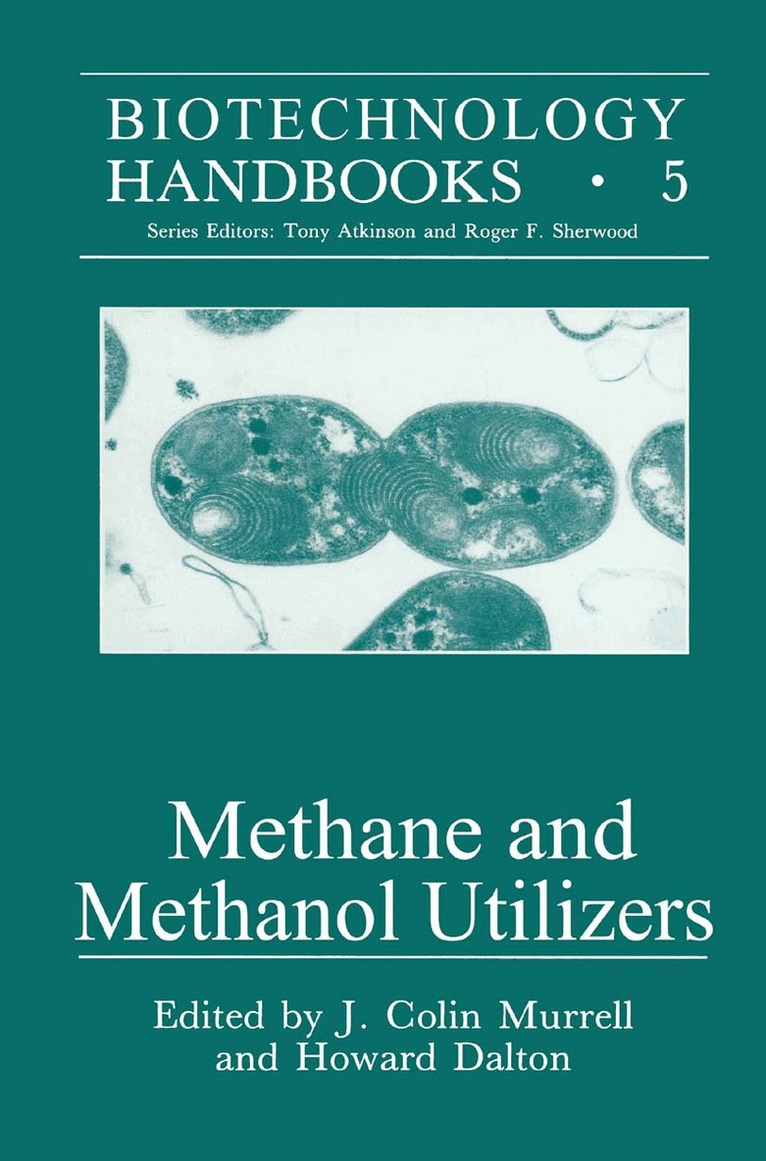
Methane and its oxidation product, methanol, have occupied an important position in the chemical industry for many years: the former as a feedstock, the latter as a primary chemical from which many products are produced. More recently, the role played by methane as a potent "greenhouse" gas has aroused considerable attention from environmentalists and clima tologists alike. This role for C compounds has, of course, been quite 1 incidental to the myriad of microorganisms on this planet that have adapted their life-styles to take advantage of these readily available am bient sources. Methane, a renewable energy source that will always be with us, is actually a difficult molecule to activate; so any microorganism that can effect this may point the way to catalytic chemists looking for con trollable methane oxidation. Methanol, formed as a breakdown product of plant material, is also ubiquitous and has also encouraged the growth of prokaryotes and eukaryotes alike. In an attempt to give a balanced view of how microorganisms have been able to exploit these simple carbon sources, we have asked a number ofleading scientists (modesty forbids our own inclusion here) to contribute chapters on their specialist areas of the subject.
852 kr
Skickas inom 10-15 vardagar
2 311 kr
Skickas inom 10-15 vardagar
In this well-illustrated reference, contributors summarize current research on sulfate-reducing bacteria and examine their relationship to biotechnology processes. This approach enables researchers to identify and define appropriate questions for future research. Chapters examine the biochemical and physiological characteristics of sulfate-reducing eubacteria and archaebacteria and review environmental and industrial activities of these bacteria. This volume features the first review on bioremediation by sulfate-reducing bacteria.
852 kr
Skickas inom 10-15 vardagar
2 164 kr
Skickas inom 10-15 vardagar
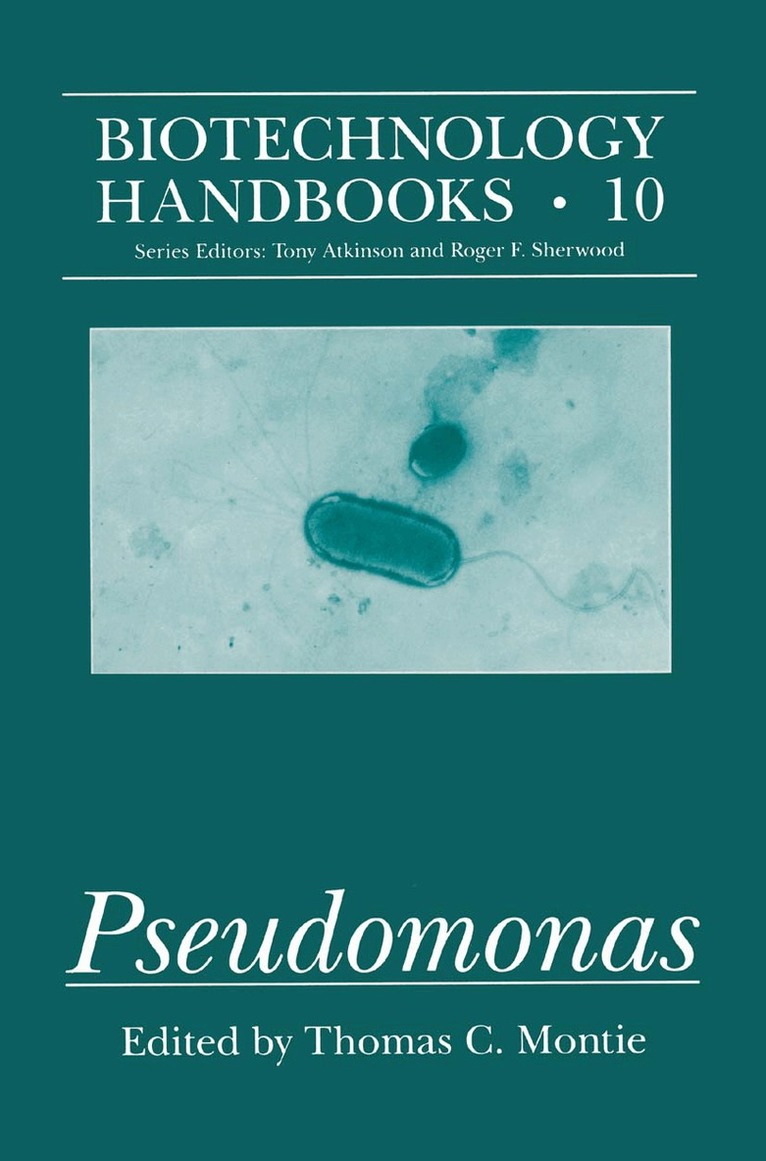
The genus Pseudomonas represents a large group of medically and environmentally important bacteria. In this volume selected areas of Pseudomonas research are presented in depth by experts who have been active in their fields over many years. The chapters presented include basic aspects of plasmid biology and carbohydrate metabolism and regulation. A major emphasis is placed on the Pseudomonas aeruginosa cell surface. This volume should be of interest to researchers in molecular biology and biotechnology in industry, academia and various institutes, and as a resource for graduate students and advanced undergraduates.
552 kr
Skickas inom 10-15 vardagar
There is considerable interest in thermophile microorganisms, in their environments, their ability to survive at temperatures which normally denature proteins, but more importantly, as a valuable resource for bio technology. The first reported isolation of Thermus by Tom Brock was in 1969. This initiated the present era of thermophilic research with the realization that where liquid water is available, there may be no limits to the temper ature at which microorganisms can grow. Considerable research into the ecology, physiology, metabolism, and thermostable enzymes of thermo philes has led to their evaluation for a range of industrial and commercial processes. The past fifteen years have been an explosive period of dis covery of many new genera and species, including the descriptions of a new fundamental kingdom-the Archaea. Much of the current research has been focused on the Archaea; but it is significant that during this period, the original type strain YT-l of Thermus aquaticus described by Brock has provided a major step forward in molecular biology. DNA polymerase from strain YT-I has proved to be the major success in the commercialization of enzymes from thermophilic microorganisms to date. The ease with which Thermus strains can be handled in laboratories without specialized equipment, together with the large investment in de scribing their structure, metabolism, and genetics, should ensure a con tinuing effort in Thermus research.
552 kr
Skickas inom 10-15 vardagar
The genus Aspergillus has a worldwide distribution and is one of the most common of all groups of fungi. Traditional methods of strain develop ment have been extensively studied with the industrial strains, while more recently, recombinant DNA technology has been applied to the aspergilli with emphasis on heterologous protein production.
1 096 kr
Skickas inom 10-15 vardagar
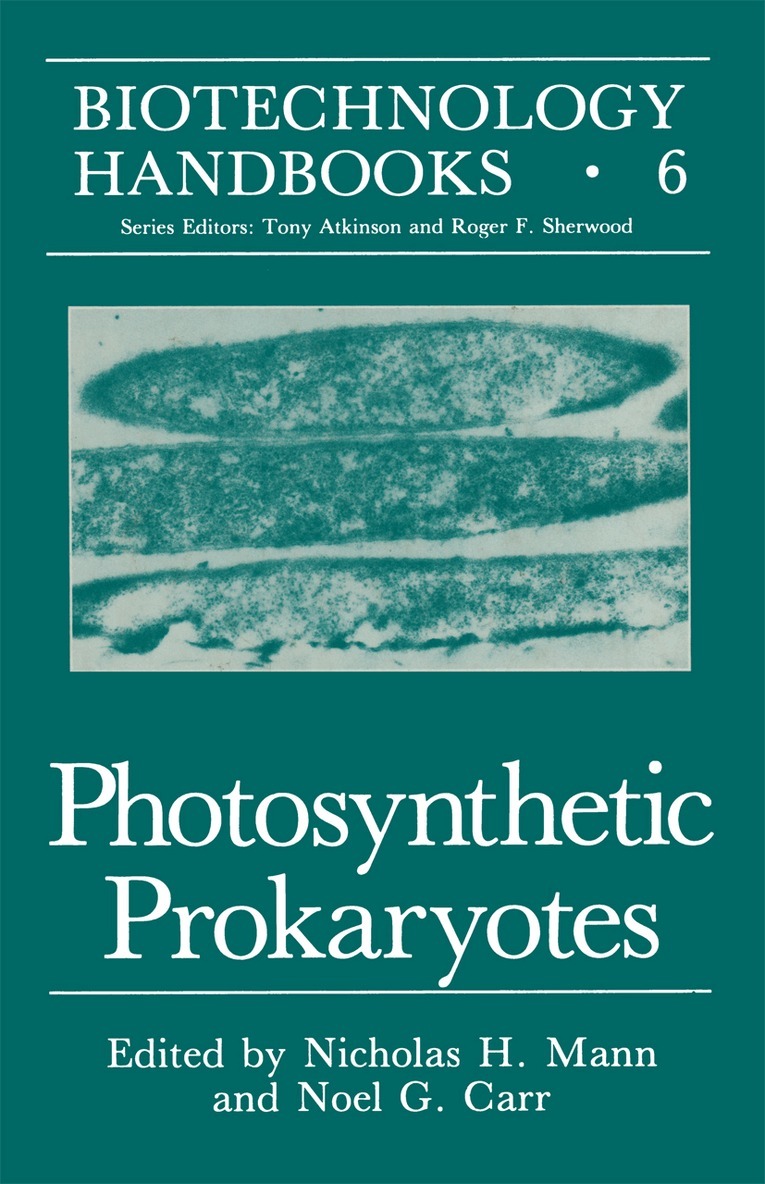
It is necessary to realize that the term "photosynthetic prokaryotes" encom- passes the widest and most diverse grouping of bacteria, but in itself has no taxonomic or phylogenetic significance. It means those organisms, other than eukaryotes, which require, obligately or facultatively, light for growth. The re cent application 16S rRNA sequencing to microbial phylogeny, asso- ciated mainly with the work of Woese, emphasizes the evolutionarily dis- persed nature of purpIe and green photosynthetic bacteria as weIl as the rather coherent phylogenetic connections of the cyanobacteria. It is not surprising, therefore, that a volume such as this which seeks to give an introduction to this collection of organisms must be highly selective; ac- cordingly, several important features are discussed only superficiaIly, e. g. , differentiation, life cycles, and biochemical aspects of nutrition. Rather, we have attempted to provide adescription of the essential features which are common and those which are characteristic, e. g. , the physiology of photo- synthesis and ecological distribution.Bearing in mind the aim of the series, we have asked our authors to emphasize aspects of the importance of these organisms in nature and their industrial applications. As will be seen from the text, these organisms have an ancient history in "biotechnology," having been used as foodstuffs by several cultures, but their exploitation has been limited to their natural patterns and products of growth.
1 948 kr
Skickas inom 10-15 vardagar
To the uninitiated, the genus Clostridium is likely more to be associated with disease than biotechnology. In this volume, we have sought to remedy this misconception by compiling aseries of chapters which, together, provide a practically-oriented handbook of the biotechnologie potential of the genus. Clostridium is a broad grouping of organisms that together undertake a myriad of biocatalytic reactions. In the first two chapters, the reader is introduced to this diversity, both taxonomically and physiologically. In the following chapter, the current state of genetic analysis of members of the genus is reviewed. The remaining chapters concentrate on specific, exploit able aspects of individual Clostridium species-highlighting their range of unique capabilities (of potential or recognized industrial value), particu larly in the areas of biotransformation, enzymology, and the production of chemical fuels. Fittingly, the final chapter demonstrates that even the most toxic of the clostridia can be of therapeutic value. The contributors to this volume reflect the trans national interest in Clostridium, and we are indebted to each of them for making this volume possible. We particularly wish to acknowledge the contributions, both to this volume and to microbiology in general, of Dr. Elizabeth Cato, who, sadly, died shortly be fore publication ofthis volume. Finally, we would like to join the authors in recommending closer and wider consideration of the attributes and capabilities of this genus.
2 164 kr
Skickas inom 10-15 vardagar
The genus Pseudomonas represents a large group of medically and envi ronmentally important bacteria. Interest in these bacteria is reflected in the extensive number of publications devoted to original research, re views, and books on this subject. In this volume selected areas of Pseu domonas research are presented in depth by persons who have been active in their fields over many years. The extensive reviews presented are an effort to provide a balanced perspective in a number of areas not readily available in the current literature. In the style of the previous Biotechnology Handbooks most of these topics have not been reviewed at all, and several are also presented from a new direction. For example, in addition to structural and compositional aspects, the chapter on lipids provides shifts in lipid parameters that result from environmental changes. This information will be invaluable to a cross section of Pseu domonas researchers in pathogenesis and bioremediation. The chapters presented include basic aspects of plasmid biology and carbohydrate metabolism and regulation. A major emphasis is placed on the Pseudomonas aeruginosa cell surface. Chapters cover lipo polysaccharide, capsular polysaccharide and alginate, the outer mem brane, transport systems, and the flagellum. Uptake of iron is also neces sarily an important portion of the chapter on iron metabolism.
1 625 kr
Skickas inom 10-15 vardagar
In this well-illustrated reference, contributors summarize current research on sulfate-reducing bacteria and examine their relationship to biotechnology processes.
2 164 kr
Skickas inom 10-15 vardagar
Biotechnology is a word that was originally coined to describe the new processes which could be derived from our ability to manipulate, in vitro, the genetic material common to all organisms. I t has now become a generic term encompassing all "applications" of living systems, including the more traditional fermentation and agricultural industries. Recombinant DNA technology has opened up new opportunities for the exploitation of microorganisms and animal and plant cells as producers or modifiers of chemical and biological products. This series of handbooks deals exclusively with microorganisms which are at the forefront of the new technologies and brings together in each of its volumes the background information necessary to appreciate the historical development of the organisms making up a particular genus, the degree to which molecular biology has opened up new opportunities, and the place they occupy in today's biotechnology industry. Our aim was to make this primarily a practical approach, with emphasis on methodology, combining for the first time information which has largely been spread across a wide literature base or only touched upon briefly in review articles. Each handbook should provide the reader with a source text, from which the importance of the genus to his or her work can be identified, and a practical guide to the handling and exploitation of the organisms included.
1 625 kr
Skickas inom 10-15 vardagar
Methane and its oxidation product, methanol, have occupied an important position in the chemical industry for many years: the former as a feedstock, the latter as a primary chemical from which many products are produced. More recently, the role played by methane as a potent "greenhouse" gas has aroused considerable attention from environmentalists and clima tologists alike. This role for C compounds has, of course, been quite 1 incidental to the myriad of microorganisms on this planet that have adapted their life-styles to take advantage of these readily available am bient sources. Methane, a renewable energy source that will always be with us, is actually a difficult molecule to activate; so any microorganism that can effect this may point the way to catalytic chemists looking for con trollable methane oxidation. Methanol, formed as a breakdown product of plant material, is also ubiquitous and has also encouraged the growth of prokaryotes and eukaryotes alike. In an attempt to give a balanced view of how microorganisms have been able to exploit these simple carbon sources, we have asked a number ofleading scientists (modesty forbids our own inclusion here) to contribute chapters on their specialist areas of the subject.
2 164 kr
Skickas inom 10-15 vardagar
In this volume we aim to present an easy-to-read account of the genus Saccharomyces that we hope will be of value to all students and researchers wishing to exploit this important genus, be it for academic or commer cial purposes. Individual chapters have been commissioned to cover specific aspects of the biology of Saccharomyces species: growth, genetics, and metabolism, with the emphasis on methodology. Basic principles are discussed without an over-detailed, step-by-step breakdown of specific techniques, and lengthy discussions of standard molecular, biological, and biochemical techniques (e. g. , polyacrylamide gel electrophoresis, protein purification, DNA sequencing) have been avoided. We hope the volume will provide a quick reference to the current status of a wide range of Saccharomyces-specific methodologies without focusing ex clusively on recent developments in molecular techniques which can be found in the ever increasing numbers of "cloning manuals. " By necessity, much of what is described in this volume concentrates on one particular species of Saccharomyces, namely Saccharomyces cerevisiae. This is not just a reflection of the authors' interests, but indicates the extent to which this simple eukaryote has been studied by biologists from all walks of life, for all sorts of reasons. If this volume can provide a broader knowledge base to the experienced yeast researcher, or ease the path of someone just starting work with Saccharomyces, then we will have achieved our aim.
2 164 kr
Skickas inom 10-15 vardagar
The genus Bacillw; has a long history of importance, both from an economic point of view and as a source of experimental microorganisms. This volume critically reviews aspects of identification, molecular biology, and growth that are of impor tance for the current and anticipated future exploitation of members of this group. In addition, the volume includes a chapter on taxonomy, as the importance of good taxonomy is often not fully appreciated; on sporulation, since so many important products are produced concomitantly with this process and we are beginning to understand the mechanisms by which the process is controlled; and, finally, on the cell envelope, as we are only just beginning to appreciate the significance of dif ferences between the cell walls of gram-positive and gram-negative bacteria for productivity and processing. The commercial importance of Bacillus lies mainly in the area of enzyme pro duction for the food, drink, and detergent markets. Increasingly, however, the ability of Bacillus to secrete proteins, coupled with its regulatory acceptability, has resulted in strenuous efforts to develop species of Bacillus as hosts for the produc tion of value-added heterologous proteins. Difficulties have often been encoun tered, indicating a need to divert more resources to improving our understanding of the molecular biology of members of this grou p. Experience with Escherichia coli, a far from ideal organism from a commercial point of view, suggests that an in creased investment in Bacillus is likely ultimately to be productive.