Larry L. Barton – författare
2 377 kr
Skickas inom 10-15 vardagar
2 049 kr
Läs direkt efter köp
1 416 kr
Läs direkt efter köp
1 623 kr
Skickas inom 10-15 vardagar
1 586 kr
Skickas inom 5-8 vardagar
935 kr
Skickas inom 7-10 vardagar
2 265 kr
Skickas inom 7-10 vardagar
1 629 kr
Läs direkt efter köp
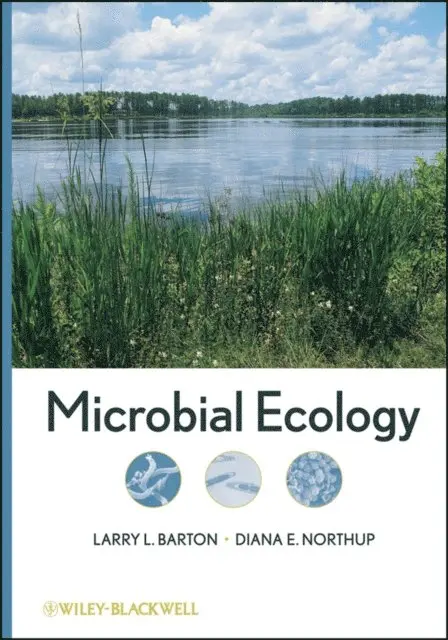
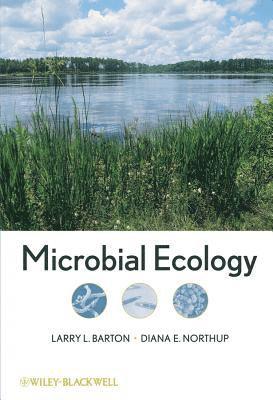
In thirteen concise and timely chapters, Microbial Ecology presents a broad overview of this rapidly growing field, explaining the basic principles in an easy-to-follow manner. Using an integrative approach, it comprehensively covers traditional issues in ecology as well as cutting-edge content at the intersection of ecology, microbiology, environmental science and engineering, and molecular biology.
Examining the microbial characteristics that enable microbes to grow in different environments, the book provides insights into relevant methodologies for characterization of microorganisms in the environment. The authors draw upon their extensive experience in teaching microbiology to address the latest hot-button topics in the field, such as:
Ecology of microorganisms in natural and engineered environments Advances in molecular-based understanding of microbial phylogeny and interactions Microbially driven biogeochemical processes and interactions among microbial populations and communities Microbial activities in extreme or unusual environments Ecological studies pertaining to animal, plant, and insect microbiology Microbial processes and interactions associated with environmental pollutionDesigned for use in teaching, Microbial Ecology offers numerous special features to aid both students and instructors, including:
Information boxes that highlight key microbial ecology issues "Microbial Spotlights" that focus on how prominent microbial ecologists became interested in microbial ecology Examples that illustrate the role of bacterial interaction with humans Exercises to promote critical thinking Selected reading lists Chapter summaries and review questions for class discussionVarious microbial interactions and community structures are presented through examples and illustrations. Also included are mini case studies that address activities of microorganisms in specific environments, as well as a glossary and key words. All these features make this an ideal textbook for graduate or upper-level undergraduate students in biology, microbiology, ecology, or environmental science. It also serves as a highly useful reference for scientists and environmental professionals.
1 645 kr
Läs direkt efter köp
In thirteen concise and timely chapters, Microbial Ecology presents a broad overview of this rapidly growing field, explaining the basic principles in an easy-to-follow manner. Using an integrative approach, it comprehensively covers traditional issues in ecology as well as cutting-edge content at the intersection of ecology, microbiology, environmental science and engineering, and molecular biology.
Examining the microbial characteristics that enable microbes to grow in different environments, the book provides insights into relevant methodologies for characterization of microorganisms in the environment. The authors draw upon their extensive experience in teaching microbiology to address the latest hot-button topics in the field, such as:
Ecology of microorganisms in natural and engineered environments Advances in molecular-based understanding of microbial phylogeny and interactions Microbially driven biogeochemical processes and interactions among microbial populations and communities Microbial activities in extreme or unusual environments Ecological studies pertaining to animal, plant, and insect microbiology Microbial processes and interactions associated with environmental pollutionDesigned for use in teaching, Microbial Ecology offers numerous special features to aid both students and instructors, including:
Information boxes that highlight key microbial ecology issues "Microbial Spotlights" that focus on how prominent microbial ecologists became interested in microbial ecology Examples that illustrate the role of bacterial interaction with humans Exercises to promote critical thinking Selected reading lists Chapter summaries and review questions for class discussionVarious microbial interactions and community structures are presented through examples and illustrations. Also included are mini case studies that address activities of microorganisms in specific environments, as well as a glossary and key words. All these features make this an ideal textbook for graduate or upper-level undergraduate students in biology, microbiology, ecology, or environmental science. It also serves as a highly useful reference for scientists and environmental professionals.
1 940 kr
Skickas inom 5-8 vardagar
2 230 kr
Läs direkt efter köp
An authoritative overview of the ecological activities of microbes in the biosphere
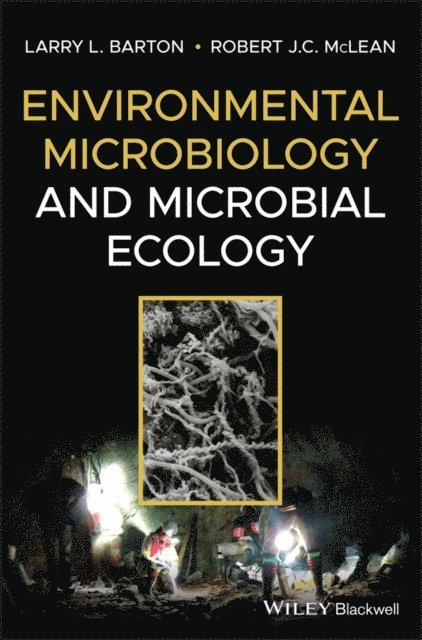
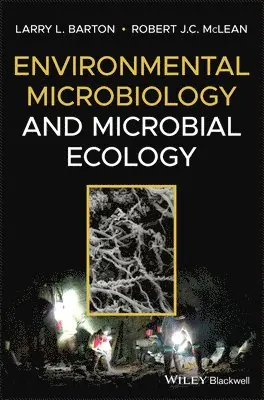
Environmental Microbiology and Microbial Ecology presents a broad overview of microbial activity and microbes'' interactions with their environments and communities. Adopting an integrative approach, this text covers both conventional ecological issues as well as cross-disciplinary investigations that combine facets of microbiology, ecology, environmental science and engineering, molecular biology, and biochemistry. Focusing primarily on single-cell forms of prokaryotes — and cellular forms of algae, fungi, and protozoans — this book enables readers to gain insight into the fundamental methodologies for the characterization of microorganisms in the biosphere.
The authors draw from decades of experience to examine the environmental processes mediated by microorganisms and explore the interactions between microorganisms and higher life forms. Highly relevant to modern readers, this book examines topics including the ecology of microorganisms in engineered environments, microbial phylogeny and interactions, microbial processes in relation to environmental pollution, and many more.
Now in its second edition, this book features updated references and major revisions to chapters on assessing microbial communities, community relationships, and their global impact. New content such as effective public communication of research findings and advice on scientific article review equips readers with practical real-world skills.
Explores the activities of microorganisms in specific environments with case studies and actual research data Highlights how prominent microbial biologists address significant microbial ecology issues Offers guidance on scientific communication, including scientific presentations and grant preparation Includes plentiful illustrations and examples of microbial interactions, community structures, and human-bacterial connections Provides chapter summaries, review questions, selected reading lists, a complete glossary, and critical thinking exercisesEnvironmental Microbiology and Microbial Ecology is an ideal textbook for graduate and advanced undergraduate courses in biology, microbiology, ecology, and environmental science, while also serving as a current and informative reference for microbiologists, cell and molecular biologists, ecologists, and environmental professionals.
2 230 kr
Läs direkt efter köp
An authoritative overview of the ecological activities of microbes in the biosphere
Environmental Microbiology and Microbial Ecology presents a broad overview of microbial activity and microbes'' interactions with their environments and communities. Adopting an integrative approach, this text covers both conventional ecological issues as well as cross-disciplinary investigations that combine facets of microbiology, ecology, environmental science and engineering, molecular biology, and biochemistry. Focusing primarily on single-cell forms of prokaryotes — and cellular forms of algae, fungi, and protozoans — this book enables readers to gain insight into the fundamental methodologies for the characterization of microorganisms in the biosphere.
The authors draw from decades of experience to examine the environmental processes mediated by microorganisms and explore the interactions between microorganisms and higher life forms. Highly relevant to modern readers, this book examines topics including the ecology of microorganisms in engineered environments, microbial phylogeny and interactions, microbial processes in relation to environmental pollution, and many more.
Now in its second edition, this book features updated references and major revisions to chapters on assessing microbial communities, community relationships, and their global impact. New content such as effective public communication of research findings and advice on scientific article review equips readers with practical real-world skills.
Explores the activities of microorganisms in specific environments with case studies and actual research data Highlights how prominent microbial biologists address significant microbial ecology issues Offers guidance on scientific communication, including scientific presentations and grant preparation Includes plentiful illustrations and examples of microbial interactions, community structures, and human-bacterial connections Provides chapter summaries, review questions, selected reading lists, a complete glossary, and critical thinking exercisesEnvironmental Microbiology and Microbial Ecology is an ideal textbook for graduate and advanced undergraduate courses in biology, microbiology, ecology, and environmental science, while also serving as a current and informative reference for microbiologists, cell and molecular biologists, ecologists, and environmental professionals.
2 484 kr
Skickas inom 10-15 vardagar
3 157 kr
Läs direkt efter köp
2 484 kr
Skickas inom 10-15 vardagar
1 623 kr
Skickas inom 10-15 vardagar
2 110 kr
Läs direkt efter köp
1 671 kr
Skickas inom 10-15 vardagar
1 084 kr
Skickas inom 10-15 vardagar
1 416 kr
Läs direkt efter köp
This book is devoted to nanomicrobiology and the nanosystems of bacteria. The initial chapter discusses some of the controversies in the geochemical and biomedical fields associated with the reports of nanobacteria in the environment. Current knowledge of several internal and surface structures of bacteria is addressed in this book. Included are chapters discussing carboxysomes, S-layers, gliding motility of bacteria, and aggregation of iron to produce nano-magnetite. Information about the activities of outer membrane vesicles produced by Gram-negative bacteria is discussed as a benefit to bacteria that produce it and some potential industrial applications are presented. A broad review of bacterial-mineral interactions is addressed in a chapter of metallic nanoparticles and colloids production by bacterial reduction of soluble redox active elements. The structures of bacterial nanowires are discussed and their application in extra-cellular electron transport is reviewed. Nanomotor activities of bacteria are discussed as pertains to the mechanics of flagellar rotation, production of energy by ATP synthase, DNA packing, and translocation of proteins across membranes by secretion systems. The rapidly evolving field of nanosystem technology is embracing many areas, and it is the hope that this book will stimulate the use of bacterial nanostructures for future developments in nanotechnology.
1 084 kr
Skickas inom 10-15 vardagar
1 623 kr
Skickas inom 10-15 vardagar
2 049 kr
Läs direkt efter köp
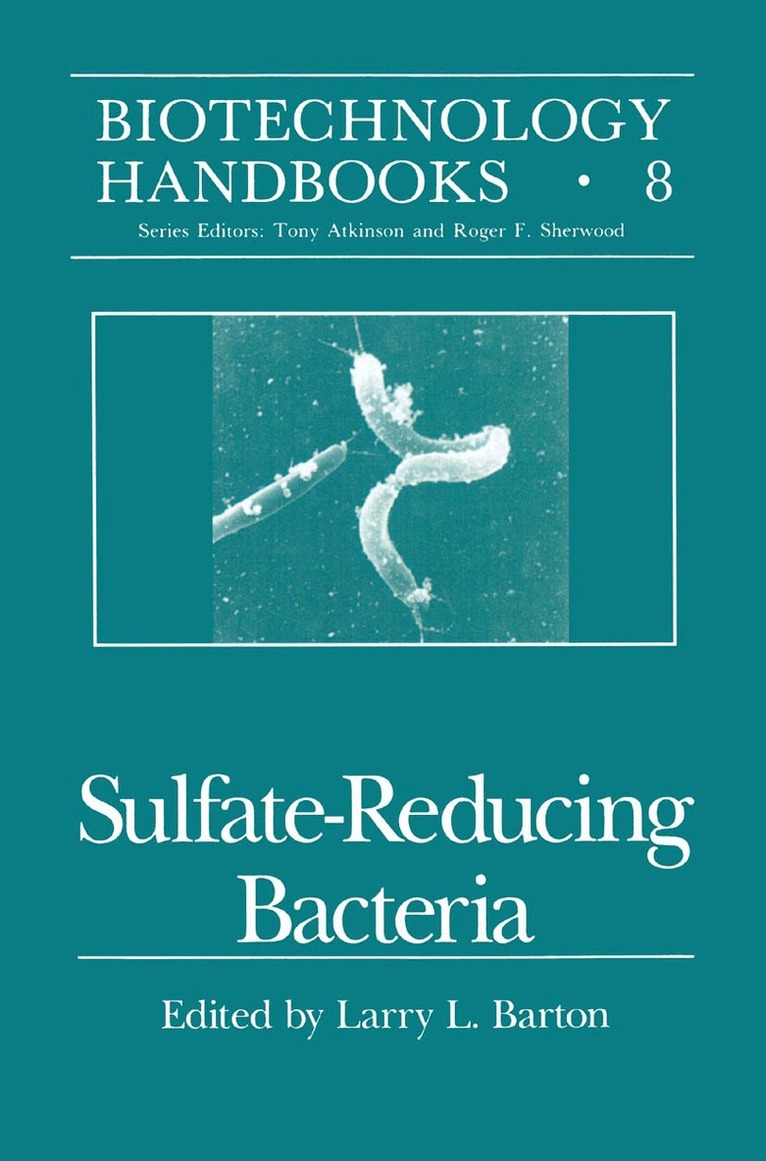
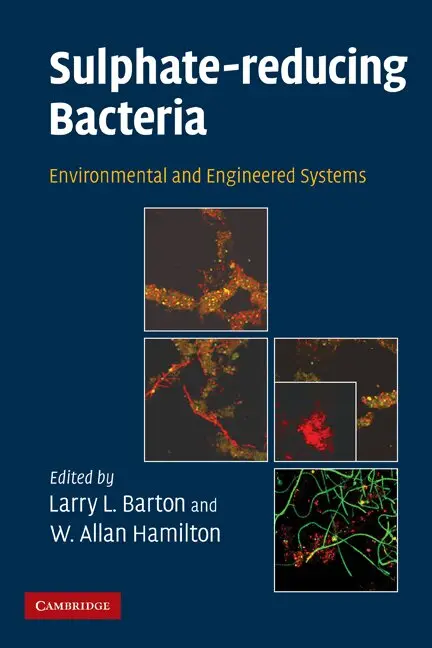
The abundance of sulfate-reducing bacteria and archaea (SRBA) is impressive and new isolates are being reported continuously. A few decades ago, only two genera of sulfate-reducing bacteria (SRB) had been identified. As of 2018, 92 genera containing more than 420 species of SRB have been isolated and characterized and there are several species of archaea. This book addresses the development of the research with SRBA and includes historical background of this field. Biochemical characterization of the enzymes, cytochromes and electron carriers involved with dissimilatory sulfate reduction are reviewed and the presence of relevant genes in cultured and uncultured SRBA are assessed using genome analysis. The contributions of transmembrane electron transport complexes as related to cell energetics are discussed. This book highlights the unique cellular and molecular features of the SRBA and discusses the biochemical interactions behind their metabolic capabilities which enable SRBA to grow in extreme environments. Examples are provided to detoxify and alleviate pollution situations, to evaluate mechanisms proposed for corrosion of ferrous metals and to examine the effects of SRB on human and animal hosts.
2 161 kr
Skickas inom 10-15 vardagar
2 840 kr
Läs direkt efter köp
This volume brings together leading international experts to offer a unique and timely perspective on geomicrobiology through their latest research and findings. Chapters address interactions of marine and freshwater microorganisms contributing to geochemical cycles, including biochemical mechanisms for mineralization and transformation of solid minerals and dissolved metals. In addition, the resilience and physiological elasticity of specific bacteria in extreme environments is discussed, such as mechanisms of metal homeostasis and electrochemistry involving extracellular electron flow. Further coverage includes resource recovery (metals, minerals) using microbial-driven processes and technologies, with the aim to contribute to a better understanding of microbial potential within the framework of circular economy.
This book is designed for professionals and students, including environmental engineers, microbiologists, and individuals studying the interaction of bacteria with metals and minerals in the environment. It is also a resource for students in academic programs or short courses focused on bacterial diversity in the environment, systems of bacterial energetics, resource recovery, and bacterial activities in extreme or nutrient-stressed environments.
.
2 161 kr
Skickas inom 10-15 vardagar
1 730 kr
Skickas inom 5-8 vardagar
2 207 kr
Läs direkt efter köp
2 161 kr
Skickas inom 10-15 vardagar
2 840 kr
Läs direkt efter köp